
How a Hot Water Recirculating Pump Can Give You Instant Heat in Your Kenwood Home
If you live in a sprawling Kenwood ranch or a larger home near the Kenwood Towne Centre, you know the frustration of waiting for hot water to reach your bathroom or kitchen. That wait wastes time, wastes water, and wastes energy. A hot water recirculating pump changes that equation by delivering instant hot water to every tap in your home. Finding the Best Water Heater Replacement for Your West Chester House.
Modern recirculating pumps use either a dedicated return line or a clever under-sink bypass valve to keep hot water moving through your pipes. When you turn on a faucet, the water is already hot. No more watching cold water swirl down the drain while you wait for the temperature to rise. For Kenwood homeowners dealing with Hamilton County’s hard water, these systems also help prevent mineral buildup that can slow water flow and reduce heater efficiency. Affordable Faucet and Sink Repairs for Families in Blue Ash.
How Hot Water Recirculating Systems Work
A recirculating pump creates a continuous loop that keeps hot water circulating through your plumbing system. The pump, typically installed near your water heater, pushes cooled water back to the heater instead of letting it drain away. This means hot water is always available at every fixture. Who to Call for an Emergency Plumbing Crisis in Downtown Cincinnati.
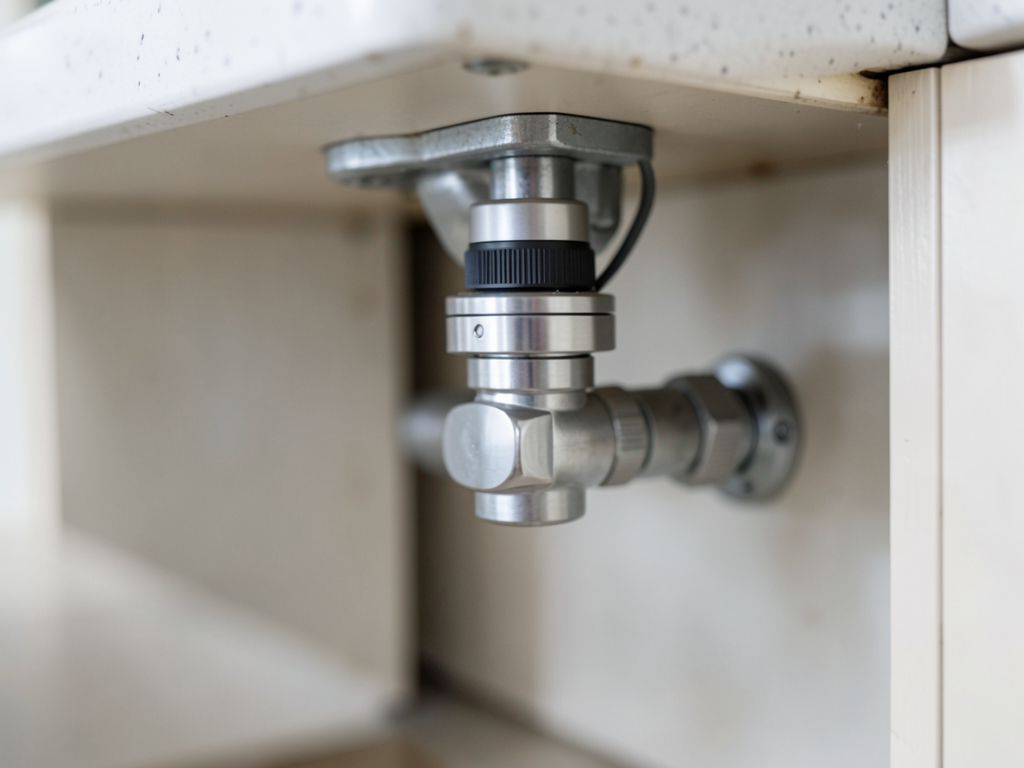
There are two main system types. A dedicated return line system requires a separate pipe running from the farthest fixture back to the water heater. This setup works best in new construction or during major remodels. A retrofit system uses a thermostatic bypass valve installed under the sink farthest from the heater. This valve opens when water cools below a set temperature, allowing the pump to circulate water through the cold water line temporarily. EPA WaterSense program.
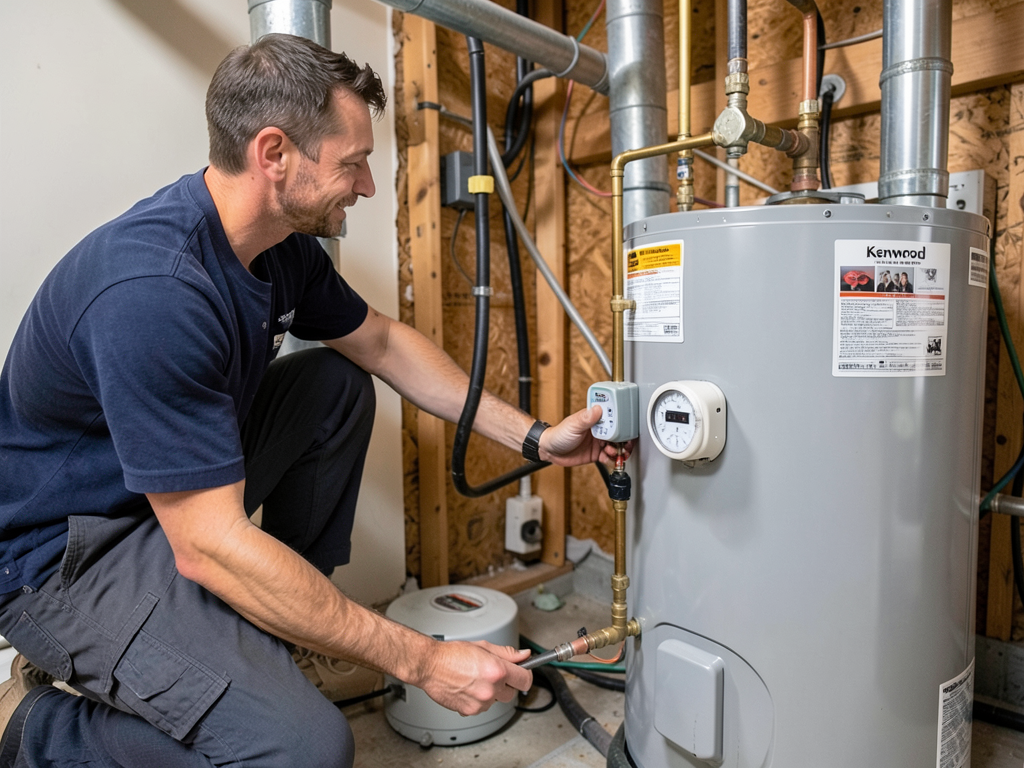
Modern systems include smart controls that activate the pump only when needed. Timer controls run the pump during peak usage hours like morning and evening. Aquastat sensors monitor water temperature and activate the pump only when the water drops below your set point. Some advanced models use motion sensors or WiFi connectivity to learn your household patterns and optimize operation automatically. What to Expect During a Main Sewer Line Repair in Loveland.
Water Conservation Benefits for Kenwood Homes
The average household wastes 3,000 to 12,000 gallons of water annually waiting for hot water to arrive. In a community like Kenwood where homes often feature long plumbing runs and multiple bathrooms, that waste compounds quickly. A recirculating pump eliminates this waste entirely. Quick Toilet Repair and Installation Services in Montgomery.
Greater Cincinnati Water Works (GCWW) has been working to reduce water waste throughout Hamilton County. Their conservation programs recognize that reducing waste at the household level helps maintain system capacity and reduces treatment costs for everyone. By installing a recirculating pump, you’re contributing to these broader conservation efforts while saving money on your water bill. Greater Cincinnati Water Works.
Hard water in the Cincinnati area creates additional challenges. The high mineral content causes scale buildup inside pipes and water heaters, reducing efficiency and shortening equipment life. A recirculating system helps by keeping water moving, which reduces the time minerals have to precipitate out and form scale deposits.
Energy Efficiency and Cost Savings
Modern recirculating pumps use minimal electricity. A typical pump consumes about 25 to 50 watts when running, which translates to roughly $10 to $25 per year in electricity costs. The energy savings from reduced water heating come from several factors.
First, you’re not wasting the energy used to heat water that goes down the drain while you wait. Second, the continuous circulation means your water heater doesn’t have to work as hard to recover from temperature drops. Third, modern pumps with temperature sensors prevent unnecessary operation, so you’re not constantly circulating hot water when it’s not needed.
Duke Energy customers in the Kenwood area can benefit from the energy savings these systems provide. While the pump itself uses electricity, the reduction in wasted hot water often results in net energy savings. The exact savings depend on your household’s hot water usage patterns and the efficiency of your existing water heater.
Installation Options for Kenwood’s Unique Architecture
Kenwood’s diverse housing stock presents different installation scenarios. Many homes near the Kenwood Towne Centre were built in the 1960s and 1970s with long, sprawling floor plans that create significant wait times for hot water. These homes often have the space in utility areas to accommodate a dedicated return line installation.
Newer construction in the Kenwood area typically features PEX plumbing systems that work well with retrofit bypass valve installations. The flexible PEX tubing makes it easier to run the necessary connections without major wall demolition. For homes with finished basements or slab foundations, the bypass valve system is often the most practical option.
Hard water considerations affect installation choices. In areas with high mineral content, we recommend installing a scale prevention device along with the recirculating pump. This combination protects both the pump mechanism and your existing plumbing from premature wear. The installation process typically takes 2 to 4 hours for a standard retrofit system.
Maintenance Requirements and Longevity
Recirculating pumps require minimal maintenance, but hard water in Hamilton County means you should plan for periodic service. The pump motor bearings need occasional lubrication, and the check valve should be inspected annually for debris buildup. Most quality pumps last 10 to 15 years with proper care.
Hard water scale can affect pump performance over time. We recommend installing a whole-house water softener or scale prevention system if you have particularly hard water. These systems reduce mineral content before it enters your plumbing, extending the life of your pump, water heater, and all fixtures.
The thermostatic bypass valve in retrofit systems should be cleaned or replaced every 3 to 5 years. This valve contains a wax element that can become less responsive over time, especially in areas with high mineral content. Regular maintenance ensures your system continues to provide instant hot water without wasting energy.
Compatibility with Tankless Water Heaters
Many Kenwood homeowners have upgraded to tankless water heaters for their energy efficiency. The good news is that recirculating pumps work excellently with tankless systems. In fact, they solve one of the main complaints about tankless heaters: the delay in getting hot water to fixtures.
For tankless applications, we recommend a pump with a built-in flow switch that activates only when there’s demand for hot water. This prevents the pump from running when no fixtures are in use, maximizing efficiency. The system works by creating a small circulation loop that keeps a minimal amount of water moving through the tankless heater’s heat exchanger.
Some tankless manufacturers offer integrated recirculation packages designed specifically for their units. These systems often include advanced controls that communicate directly with the water heater, optimizing both energy use and response time. If you’re considering a tankless upgrade, ask about recirculation compatibility during your selection process.
Noise Levels and Pump Placement
Modern recirculating pumps are remarkably quiet. The best units operate at sound levels around 40 to 50 decibels, which is quieter than a typical refrigerator. Most homeowners never notice the pump running, especially when it’s installed in a basement utility area or near the water heater.
Pump placement affects both noise and efficiency. Installing the pump close to the water heater minimizes the length of pipe that needs to stay hot, reducing energy waste. If noise is a concern, we can install vibration isolation mounts and flexible connectors to eliminate any potential vibration transfer to your home’s structure.
For homes with finished basements or living spaces near the utility area, we offer ultra-quiet models that operate at whisper-quiet levels. These premium pumps use magnetic drive technology instead of traditional motor bearings, eliminating the small amount of noise that conventional pumps might produce.
Cost Considerations for Kenwood Homeowners
The investment in a recirculating pump system typically ranges from $500 to $1,200, depending on the system type and installation complexity. A basic retrofit system with a bypass valve under the sink costs less than a dedicated return line installation, which may require running new pipes through walls or floors.
For Kenwood homes, the return on investment comes from several factors. You’ll save on your water bill by eliminating wasted water. You’ll save time every day not waiting for hot water. You’ll extend the life of your water heater by reducing the stress of frequent temperature recovery cycles. Many homeowners find the convenience alone justifies the cost.
Local utility rebates may be available through Duke Energy or GCWW for energy-efficient plumbing upgrades. While specific rebate programs change annually, it’s worth checking current offerings when planning your installation. Some water districts offer rebates specifically for water conservation devices, which could offset part of your installation cost.
Frequently Asked Questions
Will a recirculating pump increase my water heater’s energy consumption?
Modern systems with temperature sensors and timers actually reduce overall energy use by eliminating the need to reheat cooled water that would otherwise go down the drain. The small amount of energy used to run the pump is typically offset by these savings.
How long does installation take and will it damage my walls?
A standard retrofit installation takes 2 to 4 hours and requires minimal wall access. The bypass valve installs under an existing sink cabinet, and the pump mounts near your water heater. Dedicated return line installations take longer and may require some wall access depending on your home’s construction.
Can I install a recirculating pump myself?
While DIY installation is possible for experienced homeowners, we recommend professional installation to ensure proper system sizing, code compliance, and optimal performance. Professional installation also includes warranty coverage and ensures your system works efficiently with your existing plumbing.
What maintenance does a recirculating pump need?
Annual inspection of the pump, cleaning or replacement of the bypass valve every 3 to 5 years, and occasional lubrication of bearings are the main maintenance tasks. Hard water areas may require more frequent service to prevent scale buildup.
Will the system work during a power outage?
Without power, the pump cannot operate. However, you’ll still have hot water at fixtures close to the water heater. The system simply returns to normal operation once power is restored.
Ready for Instant Hot Water in Your Kenwood Home?
Stop wasting water and time waiting for hot water to arrive at your fixtures. A recirculating pump system provides instant hot water while reducing your utility bills and environmental impact. Whether you live near the Kenwood Towne Centre or in one of the area’s beautiful ranch homes, we can design a system that works perfectly with your home’s layout and plumbing configuration.
Our team understands the unique challenges of Hamilton County’s hard water and can recommend the right system for your specific needs. We handle everything from initial consultation through professional installation and ongoing maintenance.
Call (513) 717-2899 today to schedule your hot water recirculating pump consultation. We’ll evaluate your home’s plumbing layout, discuss your options, and provide a clear recommendation for achieving instant hot water throughout your Kenwood home. Don’t wait another day to eliminate the frustration of cold water delays.
Pick up the phone and call (513) 717-2899 now. Your instant hot water solution is just one call away.
{
“@context”: “https://schema.org”,
“@type”: “BlogPosting”,
“headline”: “How a Hot Water Recirculating Pump Can Give You Instant Heat in Your Kenwood Home”,
“description”: “Tired of waiting for hot water in your Kenwood home? Learn how a recirculating pump delivers instant heat while saving water and energy. Call (513) 717-2899.”,
“wordCount”: 1897,
“datePublished”: “2026-05-09T06:44:00.000Z”,
“dateModified”: “2026-05-09T06:44:00.000Z”,
“inLanguage”: “en-US”,
“mainEntityOfPage”: {
“@type”: “WebPage”,
“@id”: “https://keystoneplumbingcincinnati.com”
},
“publisher”: {
“@type”: “LocalBusiness”,
“name”: “Keystone Plumbing Cincinnati”,
“url”: “https://keystoneplumbingcincinnati.com”
},
“author”: {
“@type”: “Organization”,
“name”: “Keystone Plumbing Cincinnati”,
“url”: “https://keystoneplumbingcincinnati.com”
},
“image”: {
“@type”: “ImageObject”,
“url”: “https://keystoneplumbingcincinnati.com/wp-content/uploads/2026/03/how-a-hot-water-recirculating-pump-can-give-you-in-1.png”
}
}
{
“@context”: “https://schema.org”,
“@type”: “Plumber”,
“name”: “Keystone Plumbing Cincinnati”,
“url”: “https://keystoneplumbingcincinnati.com”,
“address”: {
“@type”: “PostalAddress”,
“addressLocality”: “Cincinnati”
},
“areaServed”: {
“@type”: “City”,
“name”: “Cincinnati”
}
}
{
“@context”: “https://schema.org”,
“@type”: “FAQPage”,
“mainEntity”: [
{
“@type”: “Question”,
“name”: “Will a recirculating pump increase my water heater’s energy consumption?”,
“acceptedAnswer”: {
“@type”: “Answer”,
“text”: “Modern systems with temperature sensors and timers actually reduce overall energy use by eliminating the need to reheat cooled water that would otherwise go down the drain. The small amount of energy used to run the pump is typically offset by these savings.”
}
},
{
“@type”: “Question”,
“name”: “How long does installation take and will it damage my walls?”,
“acceptedAnswer”: {
“@type”: “Answer”,
“text”: “A standard retrofit installation takes 2 to 4 hours and requires minimal wall access. The bypass valve installs under an existing sink cabinet, and the pump mounts near your water heater. Dedicated return line installations take longer and may require some wall access depending on your home’s construction.”
}
},
{
“@type”: “Question”,
“name”: “Can I install a recirculating pump myself?”,
“acceptedAnswer”: {
“@type”: “Answer”,
“text”: “While DIY installation is possible for experienced homeowners, we recommend professional installation to ensure proper system sizing, code compliance, and optimal performance. Professional installation also includes warranty coverage and ensures your system works efficiently with your existing plumbing.”
}
},
{
“@type”: “Question”,
“name”: “What maintenance does a recirculating pump need?”,
“acceptedAnswer”: {
“@type”: “Answer”,
“text”: “Annual inspection of the pump, cleaning or replacement of the bypass valve every 3 to 5 years, and occasional lubrication of bearings are the main maintenance tasks. Hard water areas may require more frequent service to prevent scale buildup.”
}
},
{
“@type”: “Question”,
“name”: “Will the system work during a power outage?”,
“acceptedAnswer”: {
“@type”: “Answer”,
“text”: “Without power, the pump cannot operate. However, you’ll still have hot water at fixtures close to the water heater. The system simply returns to normal operation once power is restored.”
}
},
{
“@type”: “Question”,
“name”: “Ready for Instant Hot Water in Your Kenwood Home?”,
“acceptedAnswer”: {
“@type”: “Answer”,
“text”: “Stop wasting water and time waiting for hot water to arrive at your fixtures. A recirculating pump system provides instant hot water while reducing your utility bills and environmental impact. Whether you live near the Kenwood Towne Centre or in one of the area’s beautiful ranch homes, we can design a system that works perfectly with your home’s layout and plumbing configuration.”
}
}
]
}
{
“@context”: “https://schema.org”,
“@type”: “BreadcrumbList”,
“itemListElement”: [
{
“@type”: “ListItem”,
“position”: 1,
“name”: “Home”,
“item”: “https://keystoneplumbingcincinnati.com”
},
{
“@type”: “ListItem”,
“position”: 2,
“name”: “Blog”,
“item”: “https://keystoneplumbingcincinnati.com/blog”
},
{
“@type”: “ListItem”,
“position”: 3,
“name”: “How a Hot Water Recirculating Pump Can Give You Instant Heat in Your Kenwood Home”
}
]
}
{
“@context”: “https://schema.org”,
“@type”: “Service”,
“serviceType”: “Plumbing”,
“provider”: {
“@type”: “LocalBusiness”,
“name”: “Keystone Plumbing Cincinnati”,
“url”: “https://keystoneplumbingcincinnati.com”
},
“areaServed”: {
“@type”: “City”,
“name”: “Cincinnati”
},
“description”: “Tired of waiting for hot water in your Kenwood home? Learn how a recirculating pump delivers instant heat while saving water and energy. Call (513) 717-2899.”
}