
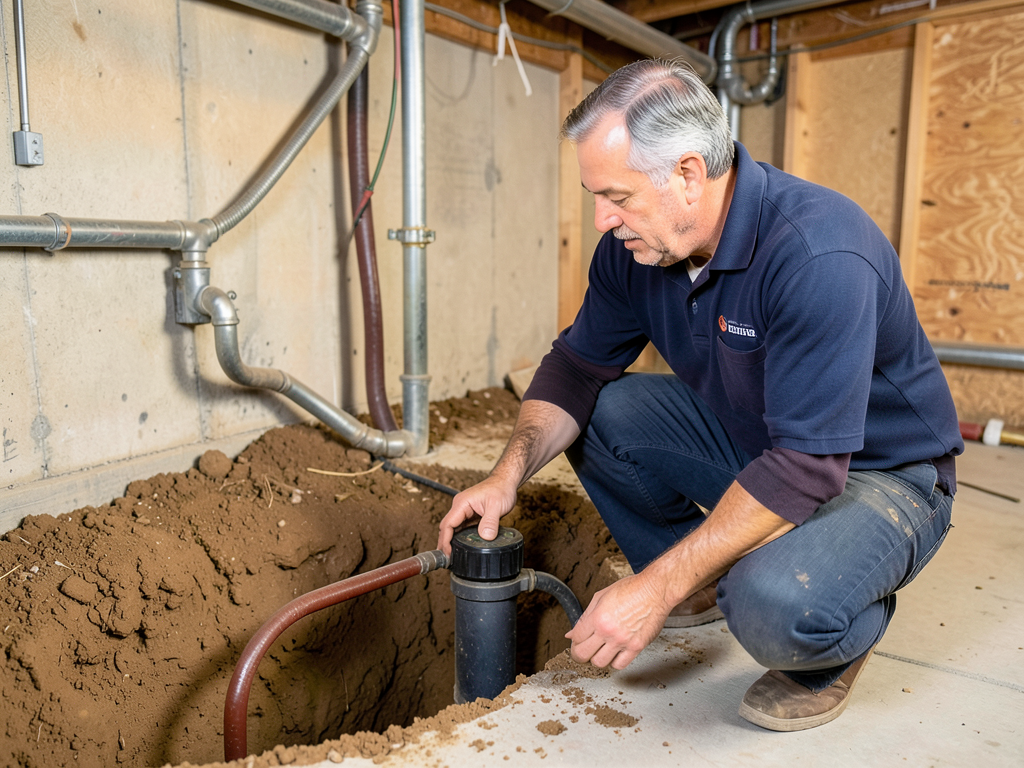
When it comes to protecting your Cincinnati basement from flooding the sump pump stands as your first line of defense. But how long should you expect this critical piece of equipment to actually last before it fails you during the next big storm? What to Expect During a Main Sewer Line Repair in Loveland.
The truth is that in Cincinnati’s unique climate and soil conditions your sump pump lifespan often differs from national averages. Most pumps last 7 to 10 years under ideal conditions but local factors can significantly shorten or extend that timeline.
Understanding these regional variables helps you make informed decisions about maintenance replacement timing and when to call a professional before water damage becomes a costly reality. No Hot Water Diagnosis.
Understanding Sump Pump Lifespan in Cincinnati’s Unique Environment
Cincinnati’s location in the Ohio River Valley creates specific challenges for sump pump longevity. The combination of heavy clay soil high water tables and frequent spring storms means your pump works harder than similar systems in other regions.. Read more about Keeping Water Away from Your Foundation with Better Grading and Drainage in Newtown.
Local groundwater levels fluctuate dramatically throughout the year. During wet seasons pumps may run continuously for days while remaining dormant during dry periods. This cycle of heavy use followed by inactivity puts unique stress on motors and switches.
The clay-heavy soil common throughout Hamilton County also affects pump performance. Clay retains moisture and expands when wet creating hydrostatic pressure against basement walls. This pressure forces more water toward your sump pit increasing the workload on your pump.. Read more about Why Your Basement Drains Backup Every Time It Rains Heavily in Cheviot.
According to the National Weather Service data for the Cincinnati area the region receives an average of 42 inches of rainfall annually with spring months accounting for nearly 30% of that total. This concentrated precipitation pattern means your pump faces its greatest challenges during a short seasonal window.
Local building codes in Cincinnati and surrounding suburbs like Blue Ash and Montgomery require proper sump pump installation with specific discharge requirements. The Hamilton County Building Department mandates that discharge pipes extend at least 10 feet from the foundation to prevent water recycling back into the system.
Average Lifespan by Pump Type
Different sump pump designs offer varying longevity in Cincinnati’s demanding conditions. Understanding these differences helps you choose the right replacement when the time comes.
| Pump Type | Average Lifespan in Cincinnati | Best For | Maintenance Needs |
|---|---|---|---|
| Submersible | 5-7 years | High water volume areas | Annual cleaning |
| Pedestal | 7-10 years | Dry basements occasional use | Semi-annual checks |
| Battery Backup | 3-5 years | Power outage protection | Battery replacement yearly |
| Combination Unit | 5-8 years | Complete protection | Biannual maintenance |
Submersible pumps work harder in Cincinnati because they sit directly in water constantly. The motors generate heat that can shorten bearing life especially when running for extended periods during spring storms.
Pedestal pumps stay cooler since their motors remain above water level but they’re more vulnerable to Cincinnati’s humidity. The elevated design exposes electrical components to moisture-laden air which can cause corrosion over time.
Battery backup systems face unique challenges. Cincinnati’s severe storms often knock out power for extended periods when sump pumps are needed most. The constant charging and discharging cycles common during Ohio Valley weather events reduce battery lifespan significantly.
Early Warning Signs Your Sump Pump Needs Attention
Recognizing failure symptoms early can prevent basement flooding and expensive water damage repairs. Here are the most common indicators that your sump pump is nearing the end of its service life. Industrial Pipe Repair.
Unusual noises during operation often signal mechanical problems. A healthy pump runs relatively quietly with only a low hum from the motor. Grinding scraping or rattling sounds indicate worn bearings failing impellers or debris in the system.
Constant cycling even when water levels are low suggests switch problems. The float switch may be stuck or the pump may be undersized for your basement’s drainage needs. In Cincinnati’s clay soil this often occurs when the pit fills with sediment that interferes with proper float movement.
Visible rust or corrosion on any pump component indicates moisture penetration beyond normal operation. Cincinnati’s high humidity accelerates this process especially in unfinished basements where temperature fluctuations cause condensation on metal surfaces.
Vibrating excessively during operation often means the impeller is damaged or unbalanced. This creates additional stress on the motor and can lead to complete failure if not addressed promptly.
Water not draining quickly enough despite the pump running indicates reduced capacity. This commonly occurs as impellers wear down or debris clogs the discharge pipe reducing flow rates.
The EPA WaterSense program recommends checking your sump pump quarterly for these warning signs. Early detection allows for repairs that extend pump life and prevent emergency situations.
Factors That Shorten Sump Pump Life in Cincinnati
Several local conditions can dramatically reduce your sump pump’s expected lifespan. Understanding these factors helps you anticipate problems and plan replacements proactively.
Incorrect sizing represents one of the most common issues. Pumps that are too small for the volume of water they must handle run continuously straining motors and switches. In Cincinnati’s high clay soil areas this problem intensifies because water moves slowly through the ground creating sudden surges when it finally reaches your pit.
Power surges from lightning strikes are particularly problematic in the Ohio Valley. The region experiences frequent thunderstorms during spring and summer months. These electrical spikes can damage pump motors control boards and switches even with surge protection in place.
Debris and sediment accumulation in the sump pit creates multiple problems. Cincinnati’s clay soil breaks down into fine particles that settle in the pit. This sediment can clog impellers jam float switches and reduce pump efficiency over time.
Lack of regular maintenance accelerates wear dramatically. Many Cincinnati homeowners discover their pump has failed only during heavy rains when water damage is already occurring. Simple maintenance tasks like cleaning the pit checking the float and testing the backup system can add years to pump life.
Age-related wear becomes more pronounced in Cincinnati’s climate. The combination of moisture heat from motor operation and mineral content in local groundwater creates conditions that accelerate component degradation compared to drier regions.
According to the IICRC S500 standard for water damage restoration sump pump failure represents one of the top five causes of basement flooding in residential properties. In Cincinnati this risk increases due to the region’s geology and weather patterns.
Maintenance Schedule for Maximum Longevity
Following a consistent maintenance schedule significantly extends sump pump life and prevents unexpected failures. Here’s a comprehensive plan tailored for Cincinnati’s climate.. Read more about How a Backwater Valve Prevents Sewage from Entering Your Lower River Road Home.
- Quarterly Visual Inspection
Check for visible damage corrosion or leaks. Remove any debris from the pit and ensure the float moves freely. Test the pump by pouring water into the pit to verify it activates properly.
- Bi-Annual Deep Cleaning
Remove the pump from the pit and clean all components thoroughly. Check the impeller for damage and clear any sediment from the discharge pipe. Inspect the check valve for proper operation.
- Annual Professional Service
Have a licensed plumber inspect electrical connections test backup systems and verify proper discharge. This service should include checking the pit dimensions and ensuring adequate capacity for your basement’s drainage needs.
- Pre-Storm Preparation
Before heavy rain seasons test your entire system including battery backup if equipped. Clear gutters and downspouts to reduce water volume reaching your sump pit.
During Cincinnati’s spring maintenance Cincinnati homeowners should pay special attention to the check valve. This one-way valve prevents pumped water from flowing back into the pit which would cause the pump to cycle unnecessarily wearing out components faster.
Testing your backup battery system becomes crucial before storm seasons. Cincinnati’s severe weather often causes power outages precisely when your pump needs to operate. A failed backup system discovered during an outage means certain flooding.
Many Cincinnati homes particularly in older neighborhoods like Downtown Cincinnati have sump pits that are too small for modern pump capacities. Upgrading to a larger pit during maintenance can improve efficiency and extend pump life.
Cost-Benefit Analysis: Repair vs. Replacement
Deciding whether to repair or replace a failing sump pump requires weighing several factors specific to your situation and Cincinnati’s conditions.
| Factor | Repair Recommended | Replacement Recommended |
|---|---|---|
| Pump Age | Under 5 years | Over 7 years |
| Repair Cost | Under $200 | Over $300 |
| Frequency of Repairs | First occurrence | Multiple repairs |
| Energy Efficiency | Current model adequate | Older inefficient model |
| Local Weather Patterns | Light rainfall area | High water table area |
In Cincinnati’s climate pumps over seven years old rarely justify repair costs. The combination of age-related wear and the region’s demanding conditions means replacement often provides better long-term value.
Energy efficiency improvements in newer models can offset replacement costs through lower electricity usage. Modern pumps use variable speed motors that adjust to water volume reducing unnecessary cycling and extending component life.
Insurance considerations also factor into the decision. Many Cincinnati homeowners’ policies offer premium discounts for updated sump pump systems with battery backup. The potential savings over time may justify earlier replacement.
Professional Installation and Replacement Considerations
When replacement becomes necessary professional installation ensures your new pump meets Cincinnati’s specific requirements and performs optimally for its expected lifespan.
Proper pit dimensions significantly impact pump longevity. The pit should be at least 18 inches in diameter and 24 inches deep to allow adequate water volume before the pump activates. This prevents short cycling that wears out switches and motors prematurely.
Discharge pipe sizing matters more in Cincinnati than many homeowners realize. Pipes that are too small create back pressure forcing the pump to work harder reducing its effective lifespan. The ASHRAE guidelines recommend specific pipe diameters based on pump capacity and expected flow rates.
Check valve selection affects system reliability. A quality check valve prevents backflow and reduces the water hammer effect that can damage pipes and the pump itself. In Cincinnati’s freeze-thaw cycles proper valve selection prevents winter damage.
Battery backup system sizing requires calculation of your basement’s water volume and expected outage duration. Cincinnati’s severe storms can knock out power for extended periods making adequate backup capacity essential.
Permitting requirements vary by location within the Cincinnati area. The Middletown Building Department and other local jurisdictions have specific requirements for sump pump installations that must be followed to ensure code compliance.
Extending Your Sump Pump’s Effective Life
While the mechanical lifespan of a sump pump may be limited to 7-10 years you can extend its effective protection through strategic upgrades and maintenance.
Installing a battery backup system provides protection even when the primary pump fails. This doesn’t extend the pump’s mechanical life but ensures continuous protection during its operational lifetime.
Adding a secondary pump in the same pit provides redundancy. When the primary pump fails the secondary automatically activates preventing flooding. This approach is particularly valuable in Cincinnati’s high-risk areas near the Ohio River.
Improving exterior drainage reduces the volume of water reaching your sump pit. Extending downspouts away from the foundation improving yard grading and installing French drains can significantly decrease pump runtime extending its mechanical life.
Installing a water alarm provides early warning of pump failure. These devices sound when water rises above normal levels giving you time to address problems before flooding occurs.
Monitoring pump runtime through smart home systems helps identify problems early. Unusual patterns like increased runtime during dry periods signal developing issues that warrant investigation before complete failure occurs.
Local Success Stories and Common Scenarios
Understanding how Cincinnati homeowners have successfully managed their sump pump systems provides practical insights for your own situation.. Read more about Using a Dry Well to Manage Runoff and Protect Your Yard in Amberley Village.
In the West Chester area where clay soil is particularly heavy many homeowners have found that upgrading to commercial-grade submersible pumps with cast iron housings significantly extends lifespan compared to standard residential models.
Residents in low-lying areas of Blue Ash near creeks and drainage channels often benefit from dual-pump systems. The secondary pump activates only when water volume exceeds the primary’s capacity providing protection during extreme events.
Older homes in historic Cincinnati neighborhoods frequently have undersized sump pits that contribute to premature pump failure. Homeowners who upgrade to properly sized pits often see dramatic improvements in pump longevity and reliability.
During the 2023 spring storms many Cincinnati homeowners discovered their pumps were inadequate only after flooding occurred. Those who upgraded to higher-capacity models with battery backup have experienced greater peace of mind during subsequent weather events.
Frequently Asked Questions
How can I test my sump pump to ensure it’s working properly?
Pour a bucket of water into the sump pit until the float rises. The pump should activate automatically and remove the water quickly. Listen for unusual noises and verify the discharge pipe is actually moving water outside your home.
What’s the difference between a submersible and pedestal sump pump?
Submersible pumps sit entirely in water and are quieter but typically have shorter lifespans in Cincinnati’s conditions. Pedestal pumps keep the motor above water extending motor life but are noisier and more vulnerable to humidity damage.
How much does sump pump replacement cost in Cincinnati?
Replacement costs typically range from $800 to $2500 depending on pump type installation complexity and whether battery backup is included. Factors like pit accessibility and local permit requirements can affect final pricing.
Should I install a battery backup if I already have a working sump pump?
Yes. Cincinnati’s severe storms frequently cause power outages when pumps are most needed. A battery backup provides essential protection during these critical periods preventing costly water damage.
How do I know if my sump pump is the right size for my basement?
A properly sized pump should handle your basement’s water volume without running continuously. Signs of incorrect sizing include frequent cycling inability to keep up during heavy rains or the pump running for extended periods after rain stops.
Protecting Your Cincinnati Home Year-Round
Your sump pump represents a critical investment in protecting your home from water damage. Understanding its expected lifespan in Cincinnati’s unique environment helps you plan for replacements before emergencies occur.
The 7-10 year average lifespan serves as a guideline but your specific situation may vary based on pump type maintenance quality and local conditions. Homes in areas with high water tables or severe spring storms may need more frequent replacement.
Regular maintenance combined with strategic upgrades like battery backup systems can extend your pump’s effective protection well beyond its mechanical lifespan. The peace of mind this provides during Cincinnati’s storm seasons is invaluable.
Don’t wait for your pump to fail during the next big storm. Schedule a professional inspection to assess your current system’s condition and discuss replacement options if needed. The cost of proactive replacement is minimal compared to potential water damage repairs.
Call (513) 717-2899 today to schedule your sump pump inspection. Our experienced technicians understand Cincinnati’s unique plumbing challenges and can recommend the best solutions for your home’s specific needs.
Pick up the phone and call (513) 717-2899 before the next storm hits. We’ll ensure your sump pump is ready to protect your basement when you need it most.
{
“@context”: “https://schema.org”,
“@type”: “BlogPosting”,
“headline”: “How Long Should Your Sump Pump Actually Last in a Damp Cincinnati Basement?”,
“description”: “Discover the real lifespan of sump pumps in Cincinnati’s wet climate and learn when to replace yours before flooding hits your basement.”,
“wordCount”: 2463,
“datePublished”: “2026-05-31T06:38:00.000Z”,
“dateModified”: “2026-05-31T06:38:00.000Z”,
“inLanguage”: “en-US”,
“mainEntityOfPage”: {
“@type”: “WebPage”,
“@id”: “https://keystoneplumbingcincinnati.com”
},
“publisher”: {
“@type”: “LocalBusiness”,
“name”: “Keystone Plumbing Cincinnati”,
“url”: “https://keystoneplumbingcincinnati.com”
},
“author”: {
“@type”: “Organization”,
“name”: “Keystone Plumbing Cincinnati”,
“url”: “https://keystoneplumbingcincinnati.com”
},
“image”: {
“@type”: “ImageObject”,
“url”: “https://keystoneplumbingcincinnati.com/wp-content/uploads/2026/03/how-long-should-your-sump-pump-actually-last-in-a-1.png”
}
}
{
“@context”: “https://schema.org”,
“@type”: “Plumber”,
“name”: “Keystone Plumbing Cincinnati”,
“url”: “https://keystoneplumbingcincinnati.com”,
“address”: {
“@type”: “PostalAddress”,
“addressLocality”: “Cincinnati”
},
“areaServed”: {
“@type”: “City”,
“name”: “Cincinnati”
}
}
{
“@context”: “https://schema.org”,
“@type”: “FAQPage”,
“mainEntity”: [
{
“@type”: “Question”,
“name”: “How can I test my sump pump to ensure it’s working properly?”,
“acceptedAnswer”: {
“@type”: “Answer”,
“text”: “Pour a bucket of water into the sump pit until the float rises. The pump should activate automatically and remove the water quickly. Listen for unusual noises and verify the discharge pipe is actually moving water outside your home.”
}
},
{
“@type”: “Question”,
“name”: “What’s the difference between a submersible and pedestal sump pump?”,
“acceptedAnswer”: {
“@type”: “Answer”,
“text”: “Submersible pumps sit entirely in water and are quieter but typically have shorter lifespans in Cincinnati’s conditions. Pedestal pumps keep the motor above water extending motor life but are noisier and more vulnerable to humidity damage.”
}
},
{
“@type”: “Question”,
“name”: “How much does sump pump replacement cost in Cincinnati?”,
“acceptedAnswer”: {
“@type”: “Answer”,
“text”: “Replacement costs typically range from $800 to $2500 depending on pump type installation complexity and whether battery backup is included. Factors like pit accessibility and local permit requirements can affect final pricing.”
}
},
{
“@type”: “Question”,
“name”: “Should I install a battery backup if I already have a working sump pump?”,
“acceptedAnswer”: {
“@type”: “Answer”,
“text”: “Yes. Cincinnati’s severe storms frequently cause power outages when pumps are most needed. A battery backup provides essential protection during these critical periods preventing costly water damage.”
}
},
{
“@type”: “Question”,
“name”: “How do I know if my sump pump is the right size for my basement?”,
“acceptedAnswer”: {
“@type”: “Answer”,
“text”: “A properly sized pump should handle your basement’s water volume without running continuously. Signs of incorrect sizing include frequent cycling inability to keep up during heavy rains or the pump running for extended periods after rain stops.”
}
}
]
}
{
“@context”: “https://schema.org”,
“@type”: “HowTo”,
“name”: “Sump Pump Maintenance Schedule”,
“step”: [
{
“@type”: “HowToStep”,
“position”: 1,
“name”: “Quarterly Visual Inspection”,
“text”: “Check for visible damage corrosion or leaks. Remove any debris from the pit and ensure the float moves freely. Test the pump by pouring water into the pit to verify it activates properly.”
},
{
“@type”: “HowToStep”,
“position”: 2,
“name”: “Bi-Annual Deep Cleaning”,
“text”: “Remove the pump from the pit and clean all components thoroughly. Check the impeller for damage and clear any sediment from the discharge pipe. Inspect the check valve for proper operation.”
},
{
“@type”: “HowToStep”,
“position”: 3,
“name”: “Annual Professional Service”,
“text”: “Have a licensed plumber inspect electrical connections test backup systems and verify proper discharge. This service should include checking the pit dimensions and ensuring adequate capacity for your basement’s drainage needs.”
},
{
“@type”: “HowToStep”,
“position”: 4,
“name”: “Pre-Storm Preparation”,
“text”: “Before heavy rain seasons test your entire system including battery backup if equipped. Clear gutters and downspouts to reduce water volume reaching your sump pit.”
}
],
“image”: “https://keystoneplumbingcincinnati.com/wp-content/uploads/2026/03/how-long-should-your-sump-pump-actually-last-in-a-1.png”
}
{
“@context”: “https://schema.org”,
“@type”: “BreadcrumbList”,
“itemListElement”: [
{
“@type”: “ListItem”,
“position”: 1,
“name”: “Home”,
“item”: “https://keystoneplumbingcincinnati.com”
},
{
“@type”: “ListItem”,
“position”: 2,
“name”: “Blog”,
“item”: “https://keystoneplumbingcincinnati.com/blog”
},
{
“@type”: “ListItem”,
“position”: 3,
“name”: “How Long Should Your Sump Pump Actually Last in a Damp Cincinnati Basement?”
}
]
}
{
“@context”: “https://schema.org”,
“@type”: “Service”,
“serviceType”: “Plumbing”,
“provider”: {
“@type”: “LocalBusiness”,
“name”: “Keystone Plumbing Cincinnati”,
“url”: “https://keystoneplumbingcincinnati.com”
},
“areaServed”: {
“@type”: “City”,
“name”: “Cincinnati”
},
“description”: “Discover the real lifespan of sump pumps in Cincinnati’s wet climate and learn when to replace yours before flooding hits your basement.”
}