
Choosing Between a 1/2 HP and 3/4 HP Garbage Disposal for Your Mason Kitchen
The motor size in your garbage disposal determines whether it hums along smoothly or struggles with every potato peel. In Cincinnati’s limestone-heavy water, this choice becomes even more critical for long-term performance. Finding the Best Water Heater Replacement for Your West Chester House.
A 1/2 horsepower unit works fine for light use but often fails when faced with Cincinnati’s common kitchen waste. The 3/4 horsepower model provides the extra torque needed to grind through fibrous vegetables and small bones without jamming, especially important in older Mason homes with cast iron drain lines that are more prone to clogs.
Before you buy, consider your household size, cooking habits, and the age of your plumbing. The right horsepower prevents premature motor burnout and reduces service calls from clogged drains. Who to Call for an Emergency Plumbing Crisis in Downtown Cincinnati.
Key Differences Between 1/2 HP and 3/4 HP Disposals
Motor power directly impacts grinding speed, noise level, and durability. Understanding these differences helps you match the right unit to your kitchen’s demands.
| Feature | 1/2 HP | 3/4 HP |
|---|---|---|
| Grinding Speed | 1500-1700 RPM | 1800-2200 RPM |
| Typical Price Range | $80-$120 | $150-$250 |
| Noise Level | 70-75 dB | 65-70 dB |
| Food Types Handled | Soft scraps only | Fibrous vegetables, small bones |
| Warranty Length | 3-5 years | 5-10 years |
When 1/2 HP Makes Sense for Your Kitchen
The 1/2 horsepower disposal works best for households that cook occasionally and produce minimal food waste. If you’re a single person or couple who eats out frequently, this size handles coffee grounds, fruit scraps, and vegetable peels without issue.
Installation is straightforward in most Mason homes built after 1990, which typically have PVC drain lines that accommodate smaller units. The compact motor also fits under tight sink spaces common in ranch-style homes throughout the area.
However, Cincinnati’s hard water creates mineral buildup that affects smaller motors more severely. The 1/2 HP units struggle when calcium deposits accumulate on the grinding chamber, reducing efficiency by up to 30% within two years.
Why 3/4 HP Handles Cincinnati Kitchens Better
The 3/4 horsepower motor provides 50% more torque than the 1/2 HP model, making it the sweet spot for most Cincinnati families. This extra power prevents jams when grinding potato peels, celery strings, and corn husks that commonly cause 1/2 HP units to stall.
Older Mason homes built before 1980 often have cast iron drain pipes that are more susceptible to corrosion. The 3/4 HP disposal’s higher grinding speed creates less waste buildup in these pipes, reducing the frequency of professional drain cleaning services.. Read more about How to Safely Clean a Smelly Garbage Disposal in Your Fairfax Kitchen.
Sound insulation technology in 3/4 HP models has improved significantly. Modern units operate at 65-70 decibels, comparable to normal conversation, while older 1/2 HP models can reach 75 decibels – similar to a vacuum cleaner.
Motor Technology: Permanent Magnet vs Induction
Understanding motor types helps explain why horsepower ratings don’t tell the whole story. Permanent magnet motors start at full speed instantly, while induction motors ramp up gradually.
Permanent magnet technology, found in premium 3/4 HP units, provides immediate torque when food hits the grinding chamber. This prevents the initial bogging down that causes jams in induction motor models.
Induction motors, common in budget 1/2 HP disposals, are more energy-efficient during continuous operation but struggle with sudden load changes. The gradual start can actually cause more jams when fibrous materials enter the chamber. What to Expect During a Main Sewer Line Repair in Loveland.
Grinding Stages and Food Compatibility
Single-stage grinders, typical in 1/2 HP units, use one set of grinding teeth to process waste. Multi-stage systems in 3/4 HP models use two or three grinding phases to break down food more thoroughly.
This staged approach matters for Cincinnati kitchens where families often prepare large meals. Multi-stage grinding reduces the particle size of food waste by 40-60% compared to single-stage systems, preventing pipe clogs downstream. EPA WaterSense.
Food compatibility chart:
- 1/2 HP: Coffee grounds, fruit scraps, soft vegetable peels
- 3/4 HP: All 1/2 HP items plus fibrous vegetables, small chicken bones, fruit pits
- 1+ HP: Everything above plus beef bones, large fruit pits
Installation Considerations for Mason Homes
Space under the sink varies significantly in Mason neighborhoods. Homes in the Governor’s Point area often have 24-inch deep sink bases, while older sections near Mason-Montgomery Road may have only 18-inch clearance.
Measuring your available space before purchasing prevents returns and additional service calls. The 3/4 HP units are typically 2-3 inches taller than 1/2 HP models, which can be problematic in older homes with limited vertical clearance.
Mounting hardware also differs between brands. InSinkErator uses a quick-lock mounting system that allows tool-free installation, while Waste King requires a twist-and-lock mechanism that takes slightly longer but provides more stability. Quick Toilet Repair and Installation Services in Montgomery.
Cincinnati Water Quality Impact on Disposal Longevity
Hamilton County’s water hardness averages 250-300 parts per million, which is considered very hard. This mineral content affects garbage disposal performance in several ways. Hamilton County Plumbing Department.
Calcium carbonate buildup on grinding components reduces efficiency over time. In 1/2 HP units, this can cause the motor to work 20-30% harder, leading to premature failure within 3-5 years. The higher torque in 3/4 HP models better handles this resistance.
Local water treatment plants add chlorine and other chemicals that can corrode certain metal components. Stainless steel grinding chambers resist this corrosion better than galvanized steel, making them worth the $20-30 premium in Cincinnati’s water conditions.
Cost Analysis Over Five Years
Initial purchase price represents only part of the total cost. Energy consumption, repair frequency, and replacement timing all factor into long-term value. Industrial Pipe Repair.
| Cost Factor | 1/2 HP Total 5-Year Cost | 3/4 HP Total 5-Year Cost |
|---|---|---|
| Purchase Price | $100 | $200 |
| Energy Use | $15 | $18 |
| Average Repairs | $60 | $30 |
| Replacement Timing | Year 4-5 | Year 8-10 |
| Total Cost | $175-185 | $248-258 |
The 3/4 HP unit costs more upfront but typically lasts 8-10 years versus 4-5 years for 1/2 HP models in Cincinnati’s hard water conditions.
Professional Installation vs DIY
Installation difficulty varies by model and your plumbing experience. Most 1/2 HP units can be installed by homeowners with basic tools in 60-90 minutes.
3/4 HP models often require electrical upgrades, as some older Mason homes have 15-amp circuits that barely handle the startup surge. Professional installation ensures proper wiring and prevents tripped breakers.
Local plumbing codes in Hamilton County require garbage disposals to be properly grounded and may require an air gap installation depending on your dishwasher configuration. A licensed plumber knows these requirements and can prevent code violations that could affect home sales.
Brand Comparisons for Cincinnati Homes
InSinkErator dominates the market with 70% share, partly due to their local service network and parts availability. Their Badger series offers reliable 1/2 HP and 3/4 HP options specifically designed for hard water areas.
Waste King provides excellent value with higher RPM motors that compensate for lower torque. Their 3/4 HP models spin at 2700 RPM, compared to InSinkErator’s 1725 RPM, which can be advantageous for fibrous waste.
Moen has entered the market with competitive pricing and quiet operation technology. Their 3/4 HP units include SoundSHIELD insulation that reduces noise by 40% compared to standard models.
Maintenance Tips for Maximum Lifespan
Regular maintenance prevents the most common disposal failures. Running cold water for 30 seconds before and after grinding helps flush waste completely through the drain system.
Monthly cleaning with ice cubes and citrus peels removes buildup on grinding teeth. The ice helps sharpen the blades while the citrus oils break down grease deposits.
Never pour grease down any disposal. In Cincinnati’s temperature fluctuations, grease solidifies in pipes and creates stubborn clogs that require professional removal.
Environmental Considerations
Garbage disposals divert food waste from landfills, where it produces methane gas. Hamilton County’s waste management system can process ground food waste through the sewage treatment plants, which extract energy from organic matter.
The 3/4 HP model’s more complete grinding creates smaller particles that break down faster in treatment systems. This reduces the load on municipal infrastructure compared to partially ground waste from smaller units.
However, households with septic systems should choose carefully. The increased waste volume from any disposal can overload older septic tanks, requiring more frequent pumping.
Making Your Final Decision
Choose 1/2 HP if you’re single, cook occasionally, and want the lowest upfront cost. This size works well in apartments, condos, or vacation homes where food preparation is minimal.
Choose 3/4 HP if you have a family of 2-4, cook most meals at home, or want a unit that handles all common food waste without jamming. This is the best choice for most Mason households.
Consider 1+ HP only if you frequently entertain large groups, prepare whole meals from scratch daily, or have a household of 5+ people.
The 3/4 horsepower garbage disposal represents the best balance of power, price, and longevity for Cincinnati kitchens. Its extra torque handles the area’s common food waste while resisting the effects of hard water better than smaller units.
Frequently Asked Questions
Can a 1/2 HP disposal handle meat bones?
No. 1/2 HP units jam on small chicken bones and can damage the motor if forced. Only 3/4 HP or larger units can safely grind small bones.
Does higher horsepower mean more noise?
Not necessarily. Modern 3/4 HP units often include better sound insulation than 1/2 HP models. Noise levels depend more on insulation quality than motor size.
How long should a garbage disposal last in Cincinnati?
With proper maintenance, expect 4-5 years from a 1/2 HP unit and 8-10 years from a 3/4 HP unit. Hard water and usage frequency significantly impact lifespan.
Can I install a disposal in an older Mason home?
Yes, but older homes may need electrical upgrades and may have limited space under the sink. Professional installation ensures proper fit and code compliance.
What’s the difference between continuous feed and batch feed?
Continuous feed allows you to add waste while running, while batch feed requires loading waste and then activating the unit. Continuous feed is more common and convenient for most households.
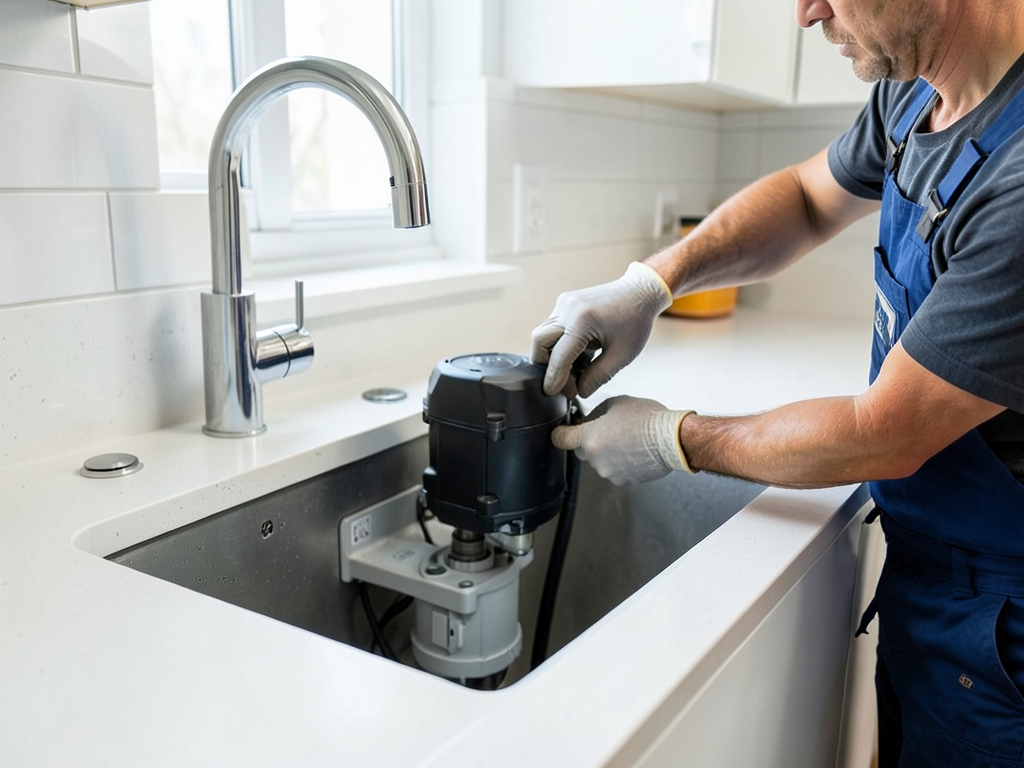

Ready to Upgrade Your Kitchen Disposal?
Choosing the right garbage disposal horsepower affects your kitchen’s efficiency for years to come. If you’re unsure which size fits your household needs, or if you need professional installation in your Mason home, call (513) 717-2899 today. Our experienced plumbers can assess your current setup and recommend the perfect unit for your family’s cooking habits and local water conditions.
Don’t wait until your old disposal fails during holiday meal prep. Pick up the phone and call (513) 717-2899 before the next big family dinner. We’ll have your kitchen running smoothly with the right disposal for your needs.
{
“@context”: “https://schema.org”,
“@type”: “BlogPosting”,
“headline”: “Choosing Between a 1/2 HP and 3/4 HP Garbage Disposal for Your Mason Kitchen”,
“description”: “Compare 1/2 HP vs 3/4 HP garbage disposals for Cincinnati homes. Learn which motor size handles your kitchen waste and how local water quality affects longevity.”,
“wordCount”: 1784,
“datePublished”: “2026-05-14T07:35:00.000Z”,
“dateModified”: “2026-05-14T07:35:00.000Z”,
“inLanguage”: “en-US”,
“mainEntityOfPage”: {
“@type”: “WebPage”,
“@id”: “https://keystoneplumbingcincinnati.com”
},
“publisher”: {
“@type”: “LocalBusiness”,
“name”: “Keystone Plumbing Cincinnati”,
“url”: “https://keystoneplumbingcincinnati.com”
},
“author”: {
“@type”: “Organization”,
“name”: “Keystone Plumbing Cincinnati”,
“url”: “https://keystoneplumbingcincinnati.com”
},
“image”: {
“@type”: “ImageObject”,
“url”: “https://keystoneplumbingcincinnati.com/wp-content/uploads/2026/03/choosing-between-a-1-2-hp-and-3-4-hp-garbage-dispo-1.png”
}
}
{
“@context”: “https://schema.org”,
“@type”: “Plumber”,
“name”: “Keystone Plumbing Cincinnati”,
“url”: “https://keystoneplumbingcincinnati.com”,
“address”: {
“@type”: “PostalAddress”,
“addressLocality”: “Cincinnati”
},
“areaServed”: {
“@type”: “City”,
“name”: “Cincinnati”
}
}
{
“@context”: “https://schema.org”,
“@type”: “FAQPage”,
“mainEntity”: [
{
“@type”: “Question”,
“name”: “Can a 1/2 HP disposal handle meat bones?”,
“acceptedAnswer”: {
“@type”: “Answer”,
“text”: “No. 1/2 HP units jam on small chicken bones and can damage the motor if forced. Only 3/4 HP or larger units can safely grind small bones.”
}
},
{
“@type”: “Question”,
“name”: “Does higher horsepower mean more noise?”,
“acceptedAnswer”: {
“@type”: “Answer”,
“text”: “Not necessarily. Modern 3/4 HP units often include better sound insulation than 1/2 HP models. Noise levels depend more on insulation quality than motor size.”
}
},
{
“@type”: “Question”,
“name”: “How long should a garbage disposal last in Cincinnati?”,
“acceptedAnswer”: {
“@type”: “Answer”,
“text”: “With proper maintenance, expect 4-5 years from a 1/2 HP unit and 8-10 years from a 3/4 HP unit. Hard water and usage frequency significantly impact lifespan.”
}
},
{
“@type”: “Question”,
“name”: “Can I install a disposal in an older Mason home?”,
“acceptedAnswer”: {
“@type”: “Answer”,
“text”: “Yes, but older homes may need electrical upgrades and may have limited space under the sink. Professional installation ensures proper fit and code compliance.”
}
},
{
“@type”: “Question”,
“name”: “What’s the difference between continuous feed and batch feed?”,
“acceptedAnswer”: {
“@type”: “Answer”,
“text”: “Continuous feed allows you to add waste while running, while batch feed requires loading waste and then activating the unit. Continuous feed is more common and convenient for most households.”
}
},
{
“@type”: “Question”,
“name”: “Ready to Upgrade Your Kitchen Disposal?”,
“acceptedAnswer”: {
“@type”: “Answer”,
“text”: “Choosing the right garbage disposal horsepower affects your kitchen’s efficiency for years to come. If you’re unsure which size fits your household needs, or if you need professional installation in your Mason home, call (513) 717-2899 today. Our experienced plumbers can assess your current setup and recommend the perfect unit for your family’s cooking habits and local water conditions.”
}
}
]
}
{
“@context”: “https://schema.org”,
“@type”: “BreadcrumbList”,
“itemListElement”: [
{
“@type”: “ListItem”,
“position”: 1,
“name”: “Home”,
“item”: “https://keystoneplumbingcincinnati.com”
},
{
“@type”: “ListItem”,
“position”: 2,
“name”: “Blog”,
“item”: “https://keystoneplumbingcincinnati.com/blog”
},
{
“@type”: “ListItem”,
“position”: 3,
“name”: “Choosing Between a 1/2 HP and 3/4 HP Garbage Disposal for Your Mason Kitchen”
}
]
}
{
“@context”: “https://schema.org”,
“@type”: “Service”,
“serviceType”: “Plumbing”,
“provider”: {
“@type”: “LocalBusiness”,
“name”: “Keystone Plumbing Cincinnati”,
“url”: “https://keystoneplumbingcincinnati.com”
},
“areaServed”: {
“@type”: “City”,
“name”: “Cincinnati”
},
“description”: “Compare 1/2 HP vs 3/4 HP garbage disposals for Cincinnati homes. Learn which motor size handles your kitchen waste and how local water quality affects longevity.”
}