
Converting from a Septic Tank to the City Sewer System in Delhi
Homeowners in Delhi face a common dilemma as Hamilton County continues to expand public utilities. If your property still relies on a septic tank, you might be wondering about the process, costs, and benefits of connecting to the city sewer system. This guide walks you through everything you need to know about converting from a septic tank to the city sewer system in Delhi.
Why Cincinnati Homeowners are Moving to Public Sewer
Septic systems require regular maintenance, pumping every 3-5 years, and can fail without warning. The Metropolitan Sewer District of Greater Cincinnati (MSD) has been expanding service areas to reduce environmental impact and improve public health. For Delhi residents, converting means eliminating the risk of groundwater contamination from failing septic tanks and avoiding costly emergency repairs. EPA Septic System Information.
Property values typically increase when a home connects to public sewer. Buyers view septic systems as potential liabilities, especially in older neighborhoods where soil conditions can cause system failures. The clay-heavy soil common in western Hamilton County creates drainage challenges that make septic systems less reliable than in other areas.
Step-by-Step: The Conversion Process in Hamilton County
Converting from septic to sewer involves five distinct stages that typically take 4-6 weeks from start to finish. Understanding each step helps you plan for the disruption and timeline.
- Site Evaluation and Planning
A licensed plumber inspects your property to determine the best route for the new sewer lateral line. They assess soil conditions, existing utilities, and the distance to the nearest city sewer main. This evaluation typically costs $200-400 and is required before any permits can be issued.
- MSD Permitting and Tap-In Application
The Metropolitan Sewer District requires a permit application, site plans, and payment of tap-in fees. Hamilton County Public Health must also approve the septic tank abandonment plan. This administrative phase takes 2-3 weeks and involves multiple agencies.
- Excavation and Lateral Line Installation
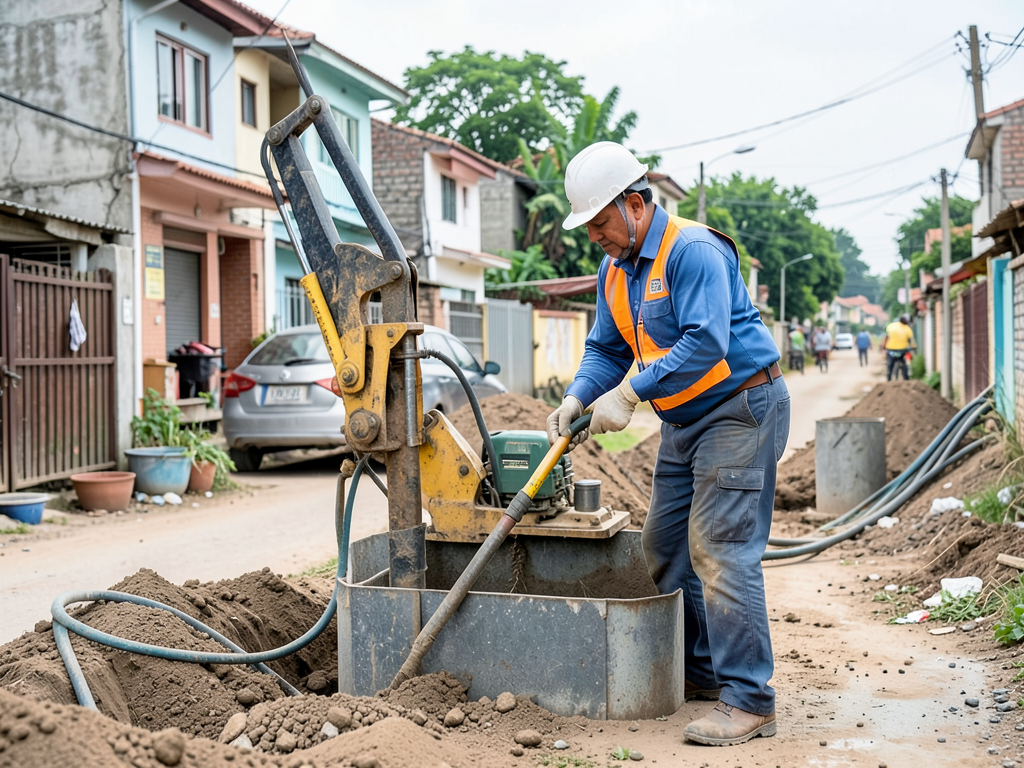
Contractors excavate a trench from your home to the city sewer main, typically 4-6 feet deep. They install PVC or HDPE pipe with proper slope for gravity flow. Most Delhi properties use gravity sewer rather than pressure systems due to the relatively flat terrain.
- Septic Tank Decommissioning
Before connecting to city sewer, the septic tank must be properly abandoned according to Hamilton County regulations. This involves pumping out remaining waste, removing the tank, or crushing and filling it with sand or gravel. Improper abandonment can lead to sinkholes years later.
- Final Inspection and Connection
MSD inspectors verify the installation meets all requirements. Once approved, your home is connected to the city system, and the old septic lines are capped. The entire process ends with a final inspection that ensures everything functions properly.
Understanding Cincinnati MSD Requirements & Permits
The Metropolitan Sewer District of Greater Cincinnati has specific requirements for septic to sewer conversions. Property owners must pay a tap-in fee that varies based on pipe size and property classification. Residential tap-in fees in 2026 range from $2,000-3,500 for standard 4-inch service lines.
Hamilton County Public Health requires a formal abandonment permit for septic systems. The process includes documenting the tank location, size, and condition. They mandate that abandoned tanks either be removed entirely or crushed and filled to prevent future collapse. Simply cutting the pipes and leaving the tank in place is illegal and creates liability.
The MSD also requires a permit to install (PTI) for any new sewer lateral. This permit ensures the contractor follows proper trenching procedures and uses approved materials. Violations can result in fines and require costly rework.
Estimated Costs and Financing for Cincinnati Residents
Converting from septic to sewer represents a significant investment, but costs vary widely based on property specifics. The following table provides current 2026 pricing ranges for Delhi area homeowners.
| Service Item | Cost Range | Notes |
|---|---|---|
| Site Evaluation | $200-400 | Required before permits |
| MSD Tap-In Fee | $2,000-3,500 | Based on pipe size |
| Sewer Lateral Installation | $3,000-8,000 | Depends on distance and obstacles |
| Septic Tank Abandonment | $1,500-4,000 | Removal vs. crushing affects cost |
| Permits and Inspections | $500-1,000 | County and MSD fees |
| Total Project Cost | $7,000-17,000 | Average Delhi conversion |
Several financing options exist for Hamilton County residents. The MSD offers a sewer lateral repair and replacement program that provides low-interest loans for qualifying homeowners. Some local banks offer home improvement loans specifically for utility upgrades. The total project cost often pays for itself through increased property value and eliminated septic maintenance. Industrial Pipe Repair.
Trenchless vs. Traditional Excavation: Which is Right for Your Yard?
Traditional excavation involves digging a trench the entire length of the sewer line. This method works well for open yards but destroys landscaping, driveways, and sidewalks. In Delhi’s established neighborhoods with mature trees and landscaping, trenchless technology often makes more sense.
Trenchless pipe bursting involves pulling a new pipe through the old septic line while simultaneously breaking up the existing pipe. This method minimizes surface disruption and typically costs 20-30% more than traditional excavation. However, it can save thousands in landscape restoration costs.
The decision between methods depends on several factors. If your septic lines run under concrete or near large trees, trenchless becomes almost necessary. For properties with open yards and minimal obstacles, traditional excavation provides a more cost-effective solution. A professional assessment determines which method suits your specific situation.
Soil conditions in Delhi affect excavation difficulty. The area’s clay-heavy soil becomes extremely hard when dry and creates slippery conditions when wet. These soil characteristics can increase excavation time and costs compared to areas with sandy or loamy soil.
Environmental and Health Benefits of Sewer Conversion
Converting from septic to sewer provides significant environmental benefits for the Ohio River watershed. Failing septic systems release nitrogen, phosphorus, and bacteria into groundwater. These contaminants eventually reach the Ohio River, contributing to algae blooms and water quality issues. Finding the Best Water Heater Replacement for Your West Chester House.
The EPA has identified septic system failures as a major source of water pollution in many Ohio communities. By connecting to the municipal system, Delhi residents help reduce the environmental impact on local streams and the Ohio River. The treated wastewater from MSD facilities meets strict EPA discharge standards that individual septic systems cannot match.
Health benefits extend beyond environmental protection. Septic systems can back up into homes during heavy rains or when the drain field becomes saturated. These backups expose families to harmful bacteria and create costly damage to flooring and belongings. Public sewer eliminates this risk entirely. What to Expect During a Main Sewer Line Repair in Loveland.
Delhi’s location in the Ohio River Valley means the area experiences significant seasonal rainfall variations. During wet springs and summers, septic systems struggle to process wastewater effectively. The additional moisture overwhelms drain fields, leading to system failures that public sewer connections prevent.
Finding a Licensed and Experienced Contractor
Septic to sewer conversion requires specialized knowledge of both systems. Not all plumbers have experience with the specific requirements of Hamilton County and MSD regulations. Look for contractors with proven experience in septic abandonment and city sewer connections.
Ask potential contractors about their experience with Delhi area properties specifically. The neighborhood’s mix of older homes and newer developments creates unique challenges. Contractors familiar with local soil conditions and building patterns complete projects more efficiently.
Verify that any contractor you hire holds proper licensing through the Hamilton County Plumbing Department. They should also carry adequate insurance to cover potential damage during excavation. Request references from previous septic to sewer conversion projects in the Cincinnati area. Who to Call for an Emergency Plumbing Crisis in Downtown Cincinnati.
Professional contractors provide detailed written estimates that break down all costs, including permits, materials, and labor. They should also explain the timeline and any potential complications specific to your property. Avoid contractors who provide vague estimates or pressure you to make immediate decisions.
Property Value Impact and Return on Investment
Real estate data shows homes with public sewer connections typically sell for 5-10% more than comparable properties with septic systems. This premium reflects buyer preferences and the reduced maintenance burden of public sewer. For Delhi homeowners, the investment often pays for itself when selling the property.
Beyond the direct property value increase, sewer conversion eliminates ongoing septic maintenance costs. Annual septic pumping, every 3-5 years, costs $300-500. Over a 10-year period, these maintenance costs alone can approach $2,000. Public sewer eliminates these recurring expenses.
Insurance companies often view septic systems as higher risk, potentially affecting coverage options and premiums. Some insurers offer better rates for homes connected to public sewer due to the reduced risk of system failures and backups. This can provide additional annual savings beyond the property value increase.
The combination of increased property value, eliminated maintenance costs, and potential insurance savings means most Delhi homeowners recoup their investment within 5-7 years of conversion. Properties in areas with expanding public utilities see the fastest appreciation as sewer connections become more common.
Common Challenges and How to Avoid Them
Several challenges commonly arise during septic to sewer conversions. Understanding these issues helps you prepare and avoid costly delays. One frequent problem involves unexpected obstacles during excavation, such as large rocks, old foundations, or utility conflicts.
Soil conditions in Delhi can create excavation difficulties. The area’s clay soil becomes extremely hard when dry, requiring specialized equipment and increasing labor time. During wet periods, the same soil becomes slippery and unstable, potentially causing trench collapses. Professional contractors account for these conditions in their project planning.
Permit delays represent another common challenge. The multi-agency approval process for septic abandonment and sewer connection can take longer than expected, especially during busy seasons. Starting the permit process early helps avoid project delays.
Some Delhi properties have limited access for excavation equipment. Narrow driveways, mature landscaping, or proximity to property lines can restrict equipment movement. Contractors may need to use smaller equipment or find alternative approaches, potentially increasing project costs.
Working with experienced local contractors minimizes these challenges. They understand Delhi’s specific conditions and have established relationships with permitting agencies. Their experience helps them anticipate problems and develop solutions before they impact your project timeline.
Timeline and What to Expect During Construction
Most septic to sewer conversions in Delhi take 2-3 weeks from start to finish, though this varies based on project complexity. Understanding the typical timeline helps you plan for the disruption and coordinate with contractors effectively.
Week one typically involves site preparation and excavation. Contractors locate utilities, mark the excavation area, and begin trenching. This phase creates the most visible disruption, with heavy equipment operating on your property and trenches open for several days.
Week two focuses on pipe installation and connection to the city main. Contractors install the new sewer lateral, connect it to your home’s plumbing, and tie into the municipal system. This phase requires coordination with MSD inspectors and utility companies.
Week three involves septic tank abandonment and site restoration. Contractors pump and remove or crush the septic tank, backfill trenches, and restore your yard. Most contractors grade and seed disturbed areas, though complete landscape restoration may take additional time.
Weather significantly impacts project timelines. Heavy rain can delay excavation and pipe installation, while extreme heat may require adjusted work schedules. Professional contractors build weather contingencies into their project schedules and communicate any delays promptly.
Financial Assistance and Incentive Programs
Several programs help offset the cost of septic to sewer conversion in Hamilton County. The MSD offers low-interest loans through their sewer lateral repair and replacement program. These loans typically feature 3-5% interest rates and terms up to 10 years.
Hamilton County occasionally offers grants or rebates for properties in specific areas where septic failures have created environmental concerns. These programs target neighborhoods with documented water quality issues and may cover a significant portion of conversion costs.
Some homeowners qualify for federal programs through the USDA Rural Development office. These programs provide grants and low-interest loans for utility improvements in designated rural areas. Delhi properties near the county line may qualify depending on specific location criteria.
Local banks and credit unions often offer home improvement loans with favorable terms for utility upgrades. These loans typically feature lower interest rates than credit cards or personal loans and may offer tax benefits similar to other home improvement financing.
Professional contractors familiar with these programs can help you identify which options you qualify for and assist with application processes. They often have experience navigating the paperwork and can help ensure your project meets program requirements.
Frequently Asked Questions
How long does a septic to sewer conversion take?
Most conversions take 2-3 weeks from start to finish, depending on weather conditions and project complexity. The actual construction work typically requires 5-7 days of active labor.
Can I convert to city sewer myself?
No. Hamilton County and MSD regulations require licensed professionals for septic abandonment and sewer connection. DIY attempts can result in fines, failed inspections, and costly rework.
Will I still need a septic tank after connecting to city sewer?
No. The septic tank must be properly abandoned or removed before connecting to city sewer. Hamilton County Public Health requires documentation of proper abandonment.
How much does it cost to abandon a septic tank?
Septic tank abandonment typically costs $1,500-4,000 depending on tank size and whether you choose removal or crushing and filling. Larger tanks and difficult access increase costs.
Do I need to be home during the conversion?
You don’t need to be home for most of the work, but you should be available for key steps like final inspection and initial testing of the new connection.
Will my yard be completely destroyed?
Traditional excavation does disturb landscaping, but professional contractors minimize damage and restore the area afterward. Trenchless methods can reduce yard disruption significantly.
How do I know if I can connect to city sewer?
A professional site evaluation determines if city sewer is available and the best route for connection. Most Delhi properties within a few hundred feet of existing sewer mains can connect.
What happens to my old septic system pipes?
Old septic pipes are typically capped and left in place unless they interfere with new construction. The main focus is properly abandoning the tank itself.
Can I use my plumbing during the conversion?
Plumbing service is interrupted during key phases, typically for 1-2 days. Contractors coordinate with you to minimize inconvenience and complete critical connections quickly. Quick Toilet Repair and Installation Services in Montgomery.
Is there a warranty on the new sewer connection?
Most professional contractors offer warranties on their workmanship, typically 1-2 years. The materials used often carry longer manufacturer warranties.
How deep are sewer lines buried?
Sewer laterals are typically buried 4-6 feet deep to protect them from freeze-thaw cycles and surface activities. Depth may vary based on local conditions.
What if I have a septic system but no visible tank?
Older systems may have tanks buried deeper or in unexpected locations. Professional contractors use locating equipment to find and assess existing septic components.
Ready to Convert Your Delhi Home to City Sewer?
Converting from a septic tank to the city sewer system represents a significant improvement for your home and property. The process eliminates maintenance headaches, increases property value, and provides reliable wastewater service for years to come.
Delhi homeowners should start by scheduling a professional site evaluation to determine your specific requirements and costs. Local contractors familiar with Hamilton County regulations can guide you through the entire process, from permitting to final inspection.
Don’t wait for your septic system to fail before considering conversion. Proactive upgrades prevent emergency situations and protect your property investment. Call (513) 717-2899 today to schedule your septic to sewer consultation and take the first step toward reliable public sewer service.
Pick up the phone and call (513) 717-2899 before the next storm hits. Converting now prevents emergency situations and protects your home’s value. Our experienced team understands Delhi’s specific requirements and can guide you through every step of the conversion process. For more information, visit MSDGC Permit Information.
You may also find this helpful. Why Tree Roots in Your College Hill Yard Are the Biggest Threat to Your Sewer Line.
You may also find this helpful. How a Backwater Valve Prevents Sewage from Entering Your Lower River Road Home.
{
“@context”: “https://schema.org”,
“@type”: “BlogPosting”,
“headline”: “Converting from a Septic Tank to the City Sewer System in Delhi”,
“description”: “Learn the step-by-step septic to sewer conversion process in Delhi, Cincinnati. Discover MSD requirements, costs, and how to upgrade your home’s wastewater system.”,
“wordCount”: 2666,
“datePublished”: “2026-05-16T12:47:00.000Z”,
“dateModified”: “2026-05-16T12:47:00.000Z”,
“inLanguage”: “en-US”,
“mainEntityOfPage”: {
“@type”: “WebPage”,
“@id”: “https://keystoneplumbingcincinnati.com”
},
“publisher”: {
“@type”: “LocalBusiness”,
“name”: “Keystone Plumbing Cincinnati”,
“url”: “https://keystoneplumbingcincinnati.com”
},
“author”: {
“@type”: “Organization”,
“name”: “Keystone Plumbing Cincinnati”,
“url”: “https://keystoneplumbingcincinnati.com”
},
“image”: {
“@type”: “ImageObject”,
“url”: “https://keystoneplumbingcincinnati.com/wp-content/uploads/2026/03/converting-from-a-septic-tank-to-the-city-sewer-sy-1.png”
}
}
{
“@context”: “https://schema.org”,
“@type”: “Plumber”,
“name”: “Keystone Plumbing Cincinnati”,
“url”: “https://keystoneplumbingcincinnati.com”,
“address”: {
“@type”: “PostalAddress”,
“addressLocality”: “Cincinnati”
},
“areaServed”: {
“@type”: “City”,
“name”: “Cincinnati”
}
}
{
“@context”: “https://schema.org”,
“@type”: “FAQPage”,
“mainEntity”: [
{
“@type”: “Question”,
“name”: “Trenchless vs. Traditional Excavation: Which is Right for Your Yard?”,
“acceptedAnswer”: {
“@type”: “Answer”,
“text”: “Traditional excavation involves digging a trench the entire length of the sewer line. This method works well for open yards but destroys landscaping, driveways, and sidewalks. In Delhi’s established neighborhoods with mature trees and landscaping, trenchless technology often makes more sense.”
}
},
{
“@type”: “Question”,
“name”: “How long does a septic to sewer conversion take?”,
“acceptedAnswer”: {
“@type”: “Answer”,
“text”: “Most conversions take 2-3 weeks from start to finish, depending on weather conditions and project complexity. The actual construction work typically requires 5-7 days of active labor.”
}
},
{
“@type”: “Question”,
“name”: “Can I convert to city sewer myself?”,
“acceptedAnswer”: {
“@type”: “Answer”,
“text”: “No. Hamilton County and MSD regulations require licensed professionals for septic abandonment and sewer connection. DIY attempts can result in fines, failed inspections, and costly rework.”
}
},
{
“@type”: “Question”,
“name”: “Will I still need a septic tank after connecting to city sewer?”,
“acceptedAnswer”: {
“@type”: “Answer”,
“text”: “No. The septic tank must be properly abandoned or removed before connecting to city sewer. Hamilton County Public Health requires documentation of proper abandonment.”
}
},
{
“@type”: “Question”,
“name”: “How much does it cost to abandon a septic tank?”,
“acceptedAnswer”: {
“@type”: “Answer”,
“text”: “Septic tank abandonment typically costs $1,500-4,000 depending on tank size and whether you choose removal or crushing and filling. Larger tanks and difficult access increase costs.”
}
},
{
“@type”: “Question”,
“name”: “Do I need to be home during the conversion?”,
“acceptedAnswer”: {
“@type”: “Answer”,
“text”: “You don’t need to be home for most of the work, but you should be available for key steps like final inspection and initial testing of the new connection.”
}
},
{
“@type”: “Question”,
“name”: “Will my yard be completely destroyed?”,
“acceptedAnswer”: {
“@type”: “Answer”,
“text”: “Traditional excavation does disturb landscaping, but professional contractors minimize damage and restore the area afterward. Trenchless methods can reduce yard disruption significantly.”
}
},
{
“@type”: “Question”,
“name”: “How do I know if I can connect to city sewer?”,
“acceptedAnswer”: {
“@type”: “Answer”,
“text”: “A professional site evaluation determines if city sewer is available and the best route for connection. Most Delhi properties within a few hundred feet of existing sewer mains can connect.”
}
},
{
“@type”: “Question”,
“name”: “What happens to my old septic system pipes?”,
“acceptedAnswer”: {
“@type”: “Answer”,
“text”: “Old septic pipes are typically capped and left in place unless they interfere with new construction. The main focus is properly abandoning the tank itself.”
}
},
{
“@type”: “Question”,
“name”: “Can I use my plumbing during the conversion?”,
“acceptedAnswer”: {
“@type”: “Answer”,
“text”: “Plumbing service is interrupted during key phases, typically for 1-2 days. Contractors coordinate with you to minimize inconvenience and complete critical connections quickly. Quick Toilet Repair and Installation Services in Montgomery.”
}
},
{
“@type”: “Question”,
“name”: “Is there a warranty on the new sewer connection?”,
“acceptedAnswer”: {
“@type”: “Answer”,
“text”: “Most professional contractors offer warranties on their workmanship, typically 1-2 years. The materials used often carry longer manufacturer warranties.”
}
},
{
“@type”: “Question”,
“name”: “How deep are sewer lines buried?”,
“acceptedAnswer”: {
“@type”: “Answer”,
“text”: “Sewer laterals are typically buried 4-6 feet deep to protect them from freeze-thaw cycles and surface activities. Depth may vary based on local conditions.”
}
},
{
“@type”: “Question”,
“name”: “What if I have a septic system but no visible tank?”,
“acceptedAnswer”: {
“@type”: “Answer”,
“text”: “Older systems may have tanks buried deeper or in unexpected locations. Professional contractors use locating equipment to find and assess existing septic components.”
}
},
{
“@type”: “Question”,
“name”: “Ready to Convert Your Delhi Home to City Sewer?”,
“acceptedAnswer”: {
“@type”: “Answer”,
“text”: “Converting from a septic tank to the city sewer system represents a significant improvement for your home and property. The process eliminates maintenance headaches, increases property value, and provides reliable wastewater service for years to come.”
}
}
]
}
{
“@context”: “https://schema.org”,
“@type”: “HowTo”,
“name”: “Septic to Sewer Conversion Process”,
“step”: [
{
“@type”: “HowToStep”,
“position”: 1,
“name”: “Site Evaluation and Planning”,
“text”: “A licensed plumber inspects your property to determine the best route for the new sewer lateral line. They assess soil conditions, existing utilities, and the distance to the nearest city sewer main. This evaluation typically costs $200-400 and is required before any permits can be issued.”
},
{
“@type”: “HowToStep”,
“position”: 2,
“name”: “MSD Permitting and Tap-In Application”,
“text”: “The Metropolitan Sewer District requires a permit application, site plans, and payment of tap-in fees. Hamilton County Public Health must also approve the septic tank abandonment plan. This administrative phase takes 2-3 weeks and involves multiple agencies.”
},
{
“@type”: “HowToStep”,
“position”: 3,
“name”: “Excavation and Lateral Line Installation”,
“text”: “Contractors excavate a trench from your home to the city sewer main, typically 4-6 feet deep. They install PVC or HDPE pipe with proper slope for gravity flow. Most Delhi properties use gravity sewer rather than pressure systems due to the relatively flat terrain.”
},
{
“@type”: “HowToStep”,
“position”: 4,
“name”: “Septic Tank Decommissioning”,
“text”: “Before connecting to city sewer, the septic tank must be properly abandoned according to Hamilton County regulations. This involves pumping out remaining waste, removing the tank, or crushing and filling it with sand or gravel. Improper abandonment can lead to sinkholes years later.”
},
{
“@type”: “HowToStep”,
“position”: 5,
“name”: “Final Inspection and Connection”,
“text”: “MSD inspectors verify the installation meets all requirements. Once approved, your home is connected to the city system, and the old septic lines are capped. The entire process ends with a final inspection that ensures everything functions properly.”
}
],
“image”: “https://keystoneplumbingcincinnati.com/wp-content/uploads/2026/03/converting-from-a-septic-tank-to-the-city-sewer-sy-1.png”
}
{
“@context”: “https://schema.org”,
“@type”: “BreadcrumbList”,
“itemListElement”: [
{
“@type”: “ListItem”,
“position”: 1,
“name”: “Home”,
“item”: “https://keystoneplumbingcincinnati.com”
},
{
“@type”: “ListItem”,
“position”: 2,
“name”: “Blog”,
“item”: “https://keystoneplumbingcincinnati.com/blog”
},
{
“@type”: “ListItem”,
“position”: 3,
“name”: “Converting from a Septic Tank to the City Sewer System in Delhi”
}
]
}
{
“@context”: “https://schema.org”,
“@type”: “Service”,
“serviceType”: “Plumbing”,
“provider”: {
“@type”: “LocalBusiness”,
“name”: “Keystone Plumbing Cincinnati”,
“url”: “https://keystoneplumbingcincinnati.com”
},
“areaServed”: {
“@type”: “City”,
“name”: “Cincinnati”
},
“description”: “Learn the step-by-step septic to sewer conversion process in Delhi, Cincinnati. Discover MSD requirements, costs, and how to upgrade your home’s wastewater system.”
}