
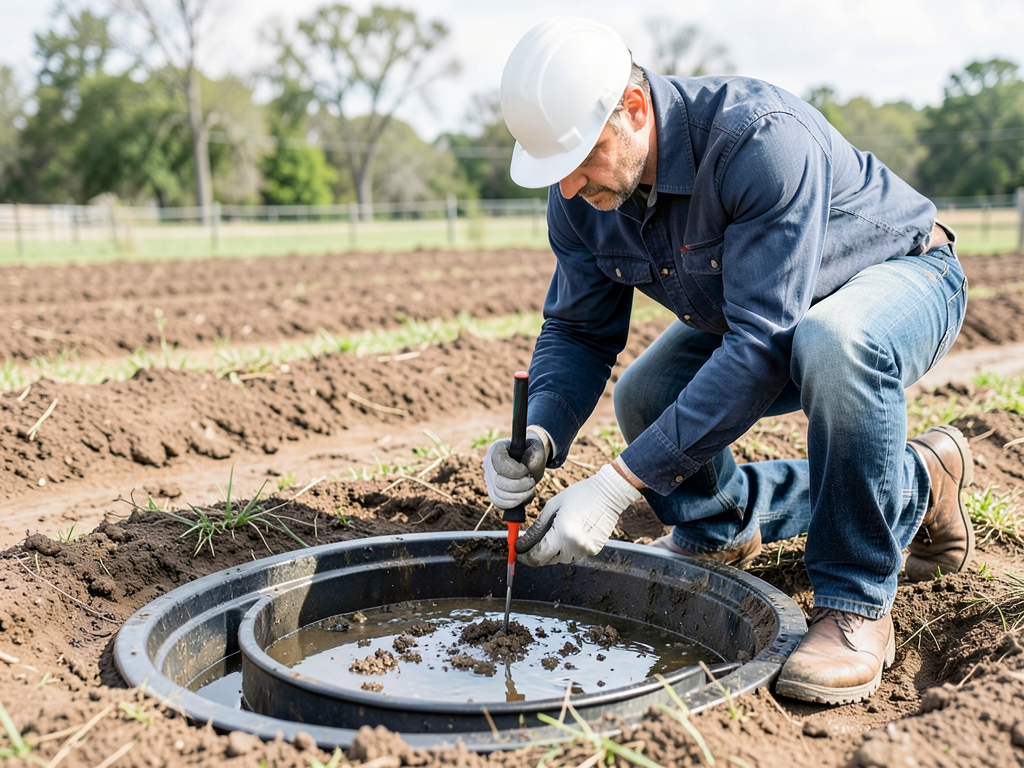
Dealing with Persistent Sewer Smells Around Your Septic Tank in Rural Hamilton County
That rotten egg smell near your septic tank signals trouble. In rural Hamilton County Ohio’s clay soil and seasonal weather patterns create unique septic system challenges. This guide explains why your septic tank smells outside and when to call a professional plumber.
Why Does My Septic Tank Smell Outside?
A healthy septic system produces no noticeable odors. When you smell sewage outside something blocks or overwhelms your system. The odor comes from hydrogen sulfide and methane gases produced when waste breaks down. These gases should vent safely through your plumbing stack and disperse into the air. When they escape near ground level you have a problem. Who to Call for an Emergency Plumbing Crisis in Downtown Cincinnati.
5 Common Causes of Septic Tank Odors in Rural Hamilton County
Understanding what causes these smells helps you fix them. Here are the most common reasons homeowners in rural Hamilton County experience septic odors.
1. Full or Overfilled Septic Tank
When your tank reaches capacity solid waste builds up and pushes gases back through the system. This creates pressure that forces odors through the ground and around the tank lid. In rural areas where homes sit far apart homeowners often forget about regular pumping schedules. Hamilton County Public Health recommends pumping every three to five years depending on household size and water usage. Finding the Best Water Heater Replacement for Your West Chester House.
2. Blocked or Low-Set Vent Pipes
Your plumbing vent stack allows gases to escape above your roofline. When these pipes become blocked by debris bird nests or ice they create downdrafts that push odors back down. Hamilton County’s freeze-thaw cycles common near the Great Miami River can cause ice buildup in vent pipes. Low-set vent pipes may also be affected by local wind patterns creating what plumbers call the stink factor.
3. Dry P-Traps or Dried-Out Drainage Areas
P-traps in your plumbing system hold water to block sewer gases from entering your home. When these dry out due to infrequent use or leaks gases can escape. Similarly if the soil around your drain field becomes too dry it loses its ability to filter and absorb effluent creating odors. This happens often in summer months when rainfall drops.
4. Leach Field Failure or Saturation
Your leach field is the final stage of your septic system where effluent filters through soil. When this area becomes saturated from heavy rains or compacted from vehicle traffic it cannot properly process waste. Hamilton County’s clay-heavy soil already has poor drainage. Add in spring rains and you have a recipe for system failure. Signs include soggy ground above the field and persistent odors.
5. Loose or Cracked Manhole Covers
Septic tank access points should seal tightly. Over time concrete lids can crack or rubber seals can deteriorate. A loose manhole cover allows gases to escape directly into the surrounding air. This often provides the easiest fix but also the most overlooked. Check your tank access points especially after winter when freeze-thaw cycles cause shifting.
The Cincinnati Factor: How Local Conditions Affect Your Septic System
Living in rural Hamilton County means dealing with specific environmental conditions that impact septic systems. The area’s high clay content soil does not drain well creating saturation problems. When you combine this with Ohio’s dramatic freeze-thaw cycles you get soil movement that can crack pipes and shift tank components. Areas near the Great Miami River or in low-lying parts of Fairfield and Hamilton face particular vulnerability to water table fluctuations.
Seasonal weather patterns also play a role. Heavy spring rains common in the Ohio River Valley can overwhelm drain fields. Summer drought can dry out soil and P-traps. Fall leaf debris can block vent pipes. Winter freezes can create ice dams in plumbing stacks. Understanding these local factors helps you anticipate and prevent odor problems.
Safety Warning: Hydrogen Sulfide and Methane Gas Risks
Sewer gases are not just smelly. They are dangerous. Hydrogen sulfide can cause respiratory problems headaches and in high concentrations can kill. Methane is highly flammable and can create explosion hazards. Never enter a septic tank or confined space where you smell strong sewer odors. If you experience severe headaches nausea or dizziness near your septic system leave the area immediately and call for professional help.
The EPA classifies hydrogen sulfide as a hazardous air pollutant. Hamilton County Public Health monitors air quality and has specific guidelines for septic system maintenance to protect public health. If you notice persistent strong odors especially in enclosed spaces like basements or crawl spaces contact a professional immediately.
DIY Troubleshooting: When to Call a Professional
Before calling a plumber there are several simple checks you can perform. These steps help you identify the problem and determine if it is something you can fix yourself or if you need professional help.
Visual Inspection Checklist
- Check the area around your septic tank for soggy ground or standing water
- Look for visible cracks or damage to the tank lid or access ports
- Inspect vent pipes on your roof for blockages or damage
- Check all drains in your home to ensure P-traps hold water
- Look for signs of surface water pooling over your drain field
The Plumber’s Screwdriver Test
Professionals use specific diagnostic tools to identify septic problems. One simple test uses a screwdriver with a long shaft. Press the tip into the ground near your drain field. If it sinks easily or water pools around the hole your soil is saturated. This indicates your drain field cannot handle current waste loads and needs professional evaluation.
Another diagnostic method involves checking vent pipe airflow. A plumber may use a smoke test or pressure gauge to verify that gases vent properly through the roof stack. These tests require professional equipment and training to perform safely.
Professional Solutions for Septic System Odors
When DIY troubleshooting does not solve the problem it is time to call a professional. A licensed plumber can perform a comprehensive septic system inspection and recommend the appropriate solution. Here are the most common professional services for odor problems.
Septic Tank Pumping and Cleaning
Regular pumping removes solid waste buildup that causes odors and system strain. A professional pumping service in Hamilton County typically includes tank inspection for cracks damage and proper functioning of inlet and outlet baffles. The process usually takes one to two hours and costs vary based on tank size and location.
Vent Pipe Repair and Extension
If your vent pipes are blocked or improperly positioned a plumber can clear blockages extend pipes above roofline or install charcoal filters. These filters absorb odors before they escape but should only serve as a temporary solution while addressing the underlying cause.
Drain Field Restoration
Saturated or failed drain fields may require restoration. This can include soil aeration adding drainage tiles or in severe cases complete field replacement. The cost of drain field work varies significantly based on soil conditions and system size. Hamilton County’s clay soil often requires additional drainage solutions.
Manhole Cover Replacement
Cracked or damaged tank access points need replacement. Modern septic systems use sealed plastic or concrete covers with rubber gaskets that prevent gas escape. This is typically a quick repair but requires proper sealing to ensure safety. Quick Toilet Repair and Installation Services in Montgomery.
Comparison of Septic System Problems and Solutions
| Problem | Symptoms | DIY Check | Professional Solution | Urgency Level |
|---|---|---|---|---|
| Full Tank | Odors slow drains backups | Check for surface water over tank | Pumping and inspection | High |
| Blocked Vent | Odors near roofline gurgling drains | Visual inspection of roof vents | Vent cleaning or extension | Medium |
| Drain Field Failure | Soggy ground persistent odors | Screwdriver test soil saturation | Field restoration or replacement | Critical |
| Cracked Lid | Localized odors near tank | Visual inspection of access points | Lid replacement and sealing | Medium |
Preventing Future Septic System Odors
Prevention always works better than emergency repairs. Here are proven strategies to keep your septic system odor-free. Industrial Pipe Repair.
Regular Maintenance Schedule
Mark your calendar for septic pumping every three to five years. Keep records of all maintenance and inspections. Hamilton County Public Health requires documentation for property transfers so maintaining good records protects your investment.
Water Usage Management
Spread out water-intensive activities like laundry and dishwashing throughout the week. Avoid running multiple water-using appliances simultaneously. Fix leaky toilets and faucets promptly as constant water flow can overwhelm your system. Affordable Faucet and Sink Repairs for Families in Blue Ash.
Proper Landscaping
Keep trees and large shrubs away from your septic system. Roots can infiltrate pipes and cause blockages. Avoid driving or parking vehicles over your drain field as soil compaction reduces absorption capacity.
Household Chemical Awareness
Avoid flushing harsh chemicals antibacterial soaps or excessive amounts of bleach down your drains. These products can kill beneficial bacteria in your septic tank that break down waste. Use septic-safe cleaning products and never flush non-biodegradable items.
When to Call a Professional Immediately
Some septic system problems require immediate professional attention. Call a licensed plumber right away if you experience:
- Strong sewage odors inside your home
- Multiple drains backing up simultaneously
- Standing water or sewage surfacing in your yard
- Slow drains throughout your entire house
- Alarming sounds from your plumbing system
These symptoms indicate system failure that can cause property damage and health hazards. Do not wait for the problem to resolve itself. Septic system failures worsen quickly and become more expensive to repair.
Local Regulations and Resources
Hamilton County has specific regulations for septic systems under the Ohio Administrative Code Chapter 3701-29. The Hamilton County Public Health Department oversees septic system permitting inspections and compliance. Property owners must maintain their systems in proper working order and address any failures promptly.
For severe problems or system failures you may need permits for repairs or replacements. Local plumbers familiar with Hamilton County regulations can guide you through the permitting process and ensure all work meets code requirements.
Frequently Asked Questions
Is the smell from my septic tank dangerous?
Yes. Sewer gases contain hydrogen sulfide and methane which can cause respiratory problems and are potentially explosive. Strong odors especially indoors require immediate professional attention.
How often should I pump my septic tank?
Hamilton County Public Health recommends pumping every three to five years depending on household size and water usage. Larger households or those with garbage disposals may need more frequent pumping.
Can I use septic tank additives to eliminate odors?
Most additives provide only temporary relief and do not address underlying problems. Some can actually harm your system by killing beneficial bacteria. Professional diagnosis and repair works more effectively than chemical additives.
What causes septic odors after heavy rain?
Heavy rainfall can saturate your drain field preventing proper effluent absorption. This forces gases back through the system creating odors. Hamilton County’s clay soil makes this problem worse in low-lying areas.
Call (513) 717-2899 Today to Schedule Your Inspection
Persistent septic odors are not just a nuisance. They signal system problems that can worsen quickly. Do not wait until you have sewage backing up into your home or a complete system failure. Call (513) 717-2899 today to schedule a professional septic system inspection. Our licensed plumbers understand the unique challenges of rural Hamilton County septic systems and can diagnose problems quickly. Whether you need routine pumping emergency repairs or complete system replacement we have the equipment and expertise to solve your septic problems. Pick up the phone and call (513) 717-2899 before the next storm hits. Your family’s health and your property value depend on a properly functioning septic system.
Additional Resources
For more information about septic system maintenance and local regulations visit:
- EPA Septic Systems Information
- Hamilton County Public Health Department
- Ohio EPA Septic System Guidelines
{
“@context”: “https://schema.org”,
“@type”: “BlogPosting”,
“headline”: “Dealing with Persistent Sewer Smells Around Your Septic Tank in Rural Hamilton County”,
“description”: “Sewer odors from your septic tank signal system problems. Learn causes, safety risks, and solutions for rural Hamilton County homes with local soil and weather factors.”,
“wordCount”: 1951,
“datePublished”: “2026-06-07T11:33:00.000Z”,
“dateModified”: “2026-06-07T11:33:00.000Z”,
“inLanguage”: “en-US”,
“mainEntityOfPage”: {
“@type”: “WebPage”,
“@id”: “https://keystoneplumbingcincinnati.com”
},
“publisher”: {
“@type”: “LocalBusiness”,
“name”: “Keystone Plumbing Cincinnati”,
“url”: “https://keystoneplumbingcincinnati.com”
},
“author”: {
“@type”: “Organization”,
“name”: “Keystone Plumbing Cincinnati”,
“url”: “https://keystoneplumbingcincinnati.com”
},
“image”: {
“@type”: “ImageObject”,
“url”: “https://keystoneplumbingcincinnati.com/wp-content/uploads/2026/03/dealing-with-persistent-sewer-smells-around-your-s-1.png”
}
}
{
“@context”: “https://schema.org”,
“@type”: “Plumber”,
“name”: “Keystone Plumbing Cincinnati”,
“url”: “https://keystoneplumbingcincinnati.com”,
“address”: {
“@type”: “PostalAddress”,
“addressLocality”: “Cincinnati”
},
“areaServed”: {
“@type”: “City”,
“name”: “Cincinnati”
}
}
{
“@context”: “https://schema.org”,
“@type”: “FAQPage”,
“mainEntity”: [
{
“@type”: “Question”,
“name”: “Why Does My Septic Tank Smell Outside?”,
“acceptedAnswer”: {
“@type”: “Answer”,
“text”: “A healthy septic system produces no noticeable odors. When you smell sewage outside something blocks or overwhelms your system. The odor comes from hydrogen sulfide and methane gases produced when waste breaks down. These gases should vent safely through your plumbing stack and disperse into the air. When they escape near ground level you have a problem. Who to Call for an Emergency Plumbing Crisis in Downtown Cincinnati.”
}
},
{
“@type”: “Question”,
“name”: “Is the smell from my septic tank dangerous?”,
“acceptedAnswer”: {
“@type”: “Answer”,
“text”: “Yes. Sewer gases contain hydrogen sulfide and methane which can cause respiratory problems and are potentially explosive. Strong odors especially indoors require immediate professional attention.”
}
},
{
“@type”: “Question”,
“name”: “How often should I pump my septic tank?”,
“acceptedAnswer”: {
“@type”: “Answer”,
“text”: “Hamilton County Public Health recommends pumping every three to five years depending on household size and water usage. Larger households or those with garbage disposals may need more frequent pumping.”
}
},
{
“@type”: “Question”,
“name”: “Can I use septic tank additives to eliminate odors?”,
“acceptedAnswer”: {
“@type”: “Answer”,
“text”: “Most additives provide only temporary relief and do not address underlying problems. Some can actually harm your system by killing beneficial bacteria. Professional diagnosis and repair works more effectively than chemical additives.”
}
},
{
“@type”: “Question”,
“name”: “What causes septic odors after heavy rain?”,
“acceptedAnswer”: {
“@type”: “Answer”,
“text”: “Heavy rainfall can saturate your drain field preventing proper effluent absorption. This forces gases back through the system creating odors. Hamilton County’s clay soil makes this problem worse in low-lying areas.”
}
}
]
}
{
“@context”: “https://schema.org”,
“@type”: “BreadcrumbList”,
“itemListElement”: [
{
“@type”: “ListItem”,
“position”: 1,
“name”: “Home”,
“item”: “https://keystoneplumbingcincinnati.com”
},
{
“@type”: “ListItem”,
“position”: 2,
“name”: “Blog”,
“item”: “https://keystoneplumbingcincinnati.com/blog”
},
{
“@type”: “ListItem”,
“position”: 3,
“name”: “Dealing with Persistent Sewer Smells Around Your Septic Tank in Rural Hamilton County”
}
]
}
{
“@context”: “https://schema.org”,
“@type”: “Service”,
“serviceType”: “Plumbing”,
“provider”: {
“@type”: “LocalBusiness”,
“name”: “Keystone Plumbing Cincinnati”,
“url”: “https://keystoneplumbingcincinnati.com”
},
“areaServed”: {
“@type”: “City”,
“name”: “Cincinnati”
},
“description”: “Sewer odors from your septic tank signal system problems. Learn causes, safety risks, and solutions for rural Hamilton County homes with local soil and weather factors.”
}