
How a Backwater Valve Prevents Sewage from Entering Your Lower River Road Home
Living along Lower River Road in Cincinnati means enjoying beautiful Ohio River views but also facing unique flooding risks. When heavy rains overwhelm the sewer system, sewage can back up through your floor drains and toilets causing thousands of dollars in damage. A backwater valve acts as your home’s one-way gate, allowing wastewater to flow out but slamming shut when sewage tries to flow back in. Ohio Plumbing Code Section 4101.2.
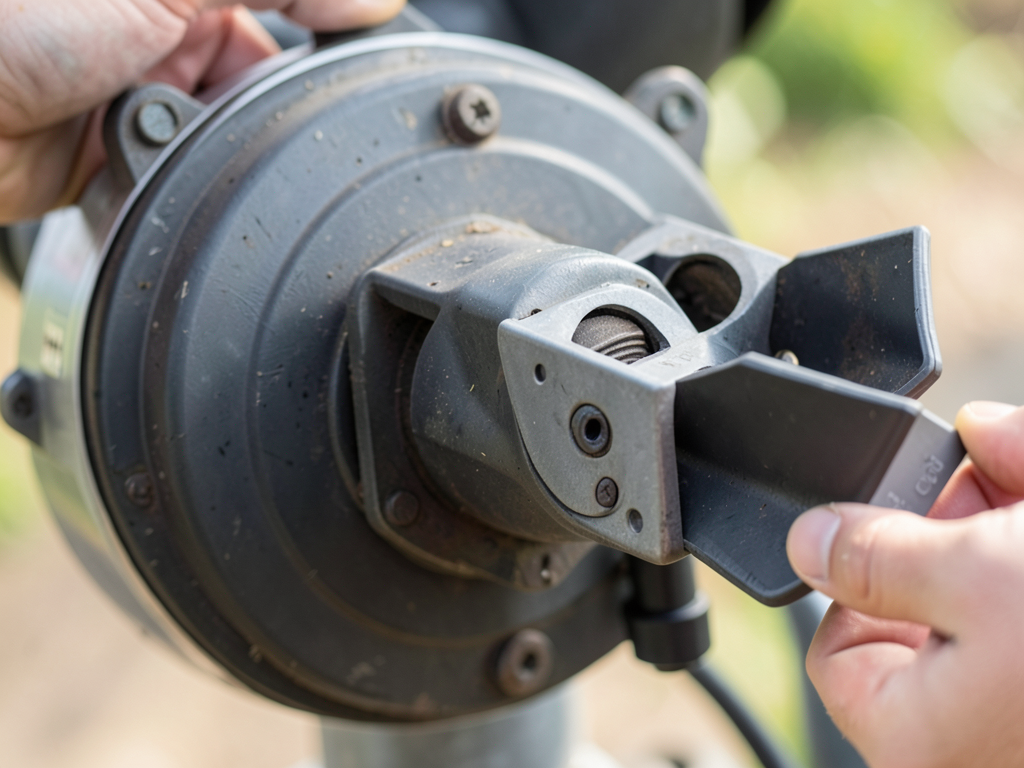
The mechanism is simple yet effective. A hinged flap inside the valve opens with outgoing water flow but closes automatically when water pressure reverses. This prevents contaminated water from flooding your basement during storms or sewer main blockages. For Lower River Road homeowners, this protection is not just convenient—it’s essential given the area’s proximity to the Ohio River and aging combined sewer infrastructure. Finding the Best Water Heater Replacement for Your West Chester House.
Why Cincinnati’s Combined Sewer System Creates Special Risks
Cincinnati’s sewer system includes many combined sewer overflows (CSOs) where stormwater and sanitary sewage share the same pipes. During heavy rainfall, these systems exceed capacity and back up into connected homes. The Metropolitan Sewer District of Greater Cincinnati (MSD) has documented hundreds of basement backups annually, with Lower River Road properties among the most vulnerable due to their low elevation and proximity to river flooding. Metropolitan Sewer District of Greater Cincinnati.
The Ohio Plumbing Code Section 4101.2 mandates backflow prevention where hazards exist, and MSD’s Sewer Backup Response Program (SBU) specifically recommends backwater valves for flood-prone properties. The clay-heavy soil in this area also contributes to problems—expansive clays shift and crack sewer lines over time, creating additional entry points for sewage during high-water events. Who to Call for an Emergency Plumbing Crisis in Downtown Cincinnati.
Diagnostic Signs Your Home Needs Protection
Before a major backup occurs, several warning signs indicate your system is vulnerable. Gurgling sounds from drains during rain suggest air trapped by partial blockages. Water backing up from floor drains when upstairs fixtures drain indicates a downstream restriction. Most tellingly, if your basement floods with sewage after heavy rains while neighbors remain dry, your lateral line likely sits lower than the main sewer grade. What to Expect During a Main Sewer Line Repair in Loveland.
Professional plumbers use diagnostic cameras to inspect sewer laterals—flexible scopes that travel through pipes and identify cracks, root intrusion, or low spots where water pools. This inspection reveals whether a backwater valve alone will solve your problem or if additional repairs are needed first. Industrial Pipe Repair.
Installation Process: What to Expect
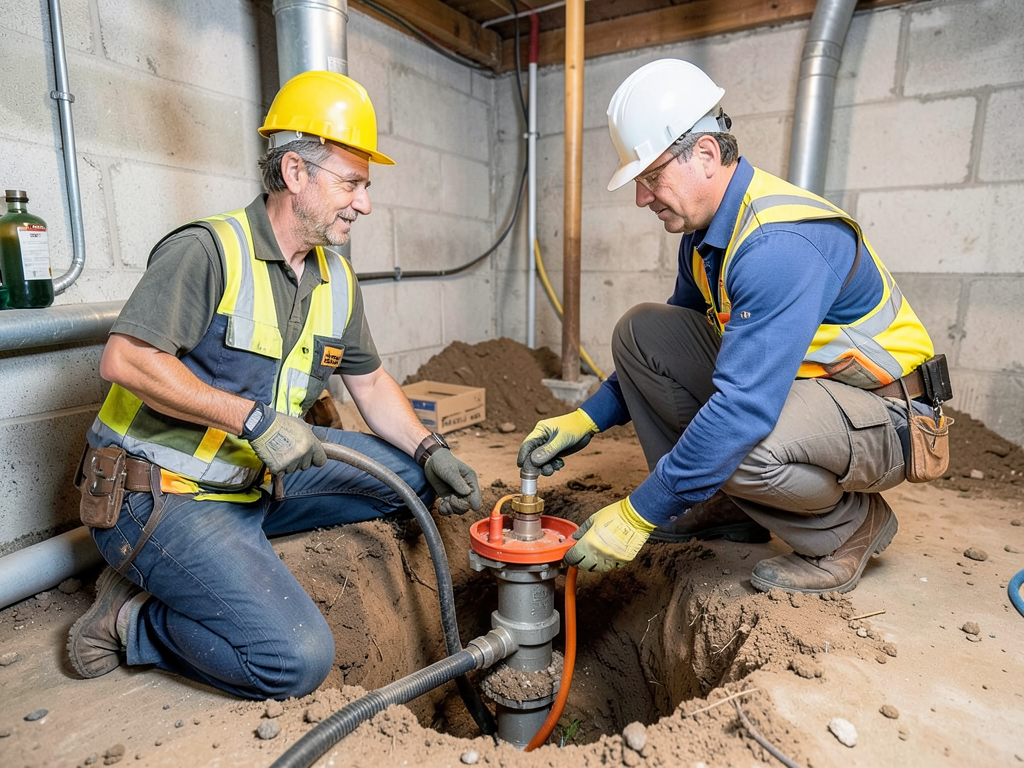
Installing a mainline backwater valve requires permits from the City of Cincinnati Building Department and MSD approval. The process begins with locating your main sewer cleanout—typically a 4-inch pipe extending above grade near your foundation. Plumbers excavate to expose the sewer lateral, cut the pipe, and install the valve assembly with proper slope for drainage. No Hot Water Diagnosis.
The valve must be accessible for maintenance, so a cleanout box with removable cover gets installed above grade. Hamilton County requires this access point be clearly marked and protected from freezing. Installation typically takes one to two days, with excavation being the most disruptive phase. Professional plumbers use trenchless methods when possible to minimize lawn damage.
MSD Cincinnati Programs and Financial Assistance
The MSD Backflow Prevention Program offers technical assistance and sometimes financial incentives for qualifying properties. Homes with documented backup history or those in designated flood zones may receive partial rebates covering installation costs. The program requires pre-approval and inspection to ensure proper valve selection and placement according to MSD specifications.. Read more about Why Your Basement Drains Backup Every Time It Rains Heavily in Cheviot.
Beyond MSD, some homeowners insurance providers offer premium discounts for properties with professionally installed backwater valves. The upfront investment—typically $2,000 to $4,000 including permits and excavation—often pays for itself through prevented damage and reduced insurance costs.
Maintenance Requirements for Long-Term Protection
Backwater valves require annual inspection and cleaning to function properly. Debris, grease, and roots can obstruct the valve mechanism, preventing it from closing during backup events. Maintenance involves removing the access cover, cleaning the valve seat, and testing the flap movement. Many plumbers offer maintenance contracts including annual inspections.
During maintenance, technicians check for signs of wear, corrosion, or debris buildup. They also verify the valve closes completely by pouring water into the downstream pipe and observing the flap response. This simple test ensures your protection remains reliable when you need it most.
Mainline vs. Branch Valve Options
Two main valve types serve different needs. Mainline valves install on the primary sewer lateral where it exits your foundation, protecting your entire plumbing system. These handle higher flow rates and provide comprehensive protection but require excavation. Branch valves protect individual fixtures like basement floor drains or laundry sinks, installing in accessible locations without major excavation.
For Lower River Road’s older homes with combined storm and sanitary lines, mainline valves typically provide better protection. However, some properties benefit from a hybrid approach—mainline protection for the whole house plus branch valves on problem fixtures. A professional assessment determines the optimal configuration based on your home’s layout and backup history.
Cost Considerations and ROI Analysis
Installation costs vary based on excavation requirements, pipe material, and valve type. Cast iron pipes from the 1950s-70s require different cutting techniques than modern PVC. Difficult access or deep excavations increase labor costs. While DIY installation might seem cost-effective, improper installation voids warranties and may fail during critical moments.
The return on investment extends beyond prevented damage. Many homeowners recoup costs through insurance premium reductions of 5-15%. Additionally, properties with backwater valves often appraise higher due to reduced flood risk. When comparing quotes, ensure they include permits, excavation restoration, and warranty coverage—not just the valve itself.
Common Installation Mistakes to Avoid
Improper slope causes drainage problems—valves need at least 1/8-inch per foot slope toward the sewer main. Installing valves upside down or backward renders them useless. Failing to provide adequate access for maintenance creates future headaches. Some homeowners try to hide valves inside walls or underground, making inspection impossible.
Another critical error involves ignoring local codes. Hamilton County requires specific valve types and installation methods for different property classifications. Using residential-grade valves in commercial properties or vice versa creates code violations. Professional plumbers understand these requirements and ensure compliance with all applicable regulations.
Emergency Response During Backups
Even with a backwater valve installed, knowing how to respond during heavy rainfall remains important. If you notice water backing up from drains, immediately stop using water fixtures to prevent additional pressure on the system. Locate your valve’s access point—usually marked with a tag or painted symbol—and check if it’s functioning properly.
Some advanced valves include alarms that sound when the flap closes, alerting you to potential backup conditions. These systems provide valuable early warning, allowing you to take action before damage occurs. During major flooding events, avoid using basement plumbing entirely until water levels recede and MSD confirms system clearance.
Frequently Asked Questions
How long does a backwater valve last?
Quality valves typically last 15-20 years with proper maintenance. Harsher conditions like high water tables or corrosive soils may reduce lifespan. Annual inspections help identify wear before failure occurs.
Can I install a backwater valve myself?
DIY installation is not recommended. Improper installation can cause more problems than it solves and may violate local codes. Professional installation ensures proper function and maintains warranty coverage.
Will a backwater valve affect my plumbing pressure?
When functioning correctly, backwater valves have minimal impact on normal drainage. You might notice slight resistance when the valve closes, but this rarely affects fixture performance.
Do I need a permit to install a backwater valve?
Yes, Hamilton County and the City of Cincinnati require permits for backwater valve installation. Professional plumbers handle permitting as part of the installation process.
What happens if the valve fails during a backup?
Quality valves include redundant seals and fail-safe designs. If the primary mechanism fails, secondary seals often prevent backflow. Regular maintenance significantly reduces failure risk.
- Locate the Access Point
Find your valve’s cleanout box, typically near your foundation’s exterior. It should be clearly marked and accessible year-round.
- Remove the Cover
Carefully remove the access cover, checking for debris or obstructions around the opening. Wear gloves as contents may be unsanitary.
- Inspect the Valve
visually examine the valve mechanism for debris, corrosion, or damage. The flap should move freely without obstruction.
- Test the Operation
Pour a small amount of water into the downstream pipe and observe the flap’s response. It should close tightly when water attempts to flow backward.
- Clean and Restore
Remove any debris, clean the valve seat, and replace the cover securely. Document the inspection date for future reference.
Living on Lower River Road means accepting certain flood risks, but sewage backup doesn’t have to be one of them. A properly installed and maintained backwater valve provides reliable protection against one of the most damaging and unsanitary threats your home can face. The combination of Cincinnati’s aging sewer infrastructure, heavy rainfall patterns, and the area’s low elevation makes this protection not just smart but essential.
Don’t wait for the next major storm to discover your vulnerability. Professional plumbers familiar with MSD requirements and local building codes can assess your specific situation and recommend the right protection level. Whether you need a simple branch valve or comprehensive mainline protection, acting now prevents costly damage later.
Call (513) 717-2899 today to schedule your backwater valve assessment and protect your Lower River Road home from sewage backup. Our experienced team understands the unique challenges of Cincinnati’s flood-prone areas and can provide solutions that keep your basement dry and your family safe.
{
“@context”: “https://schema.org”,
“@type”: “BlogPosting”,
“headline”: “How a Backwater Valve Prevents Sewage from Entering Your Lower River Road Home”,
“description”: “Protect your Lower River Road home from sewage backup with backwater valves. Learn how they work, MSD requirements, and why Cincinnati’s flooding risk makes them essential.”,
“wordCount”: 1612,
“datePublished”: “2026-06-12T08:43:00.000Z”,
“dateModified”: “2026-06-12T08:43:00.000Z”,
“inLanguage”: “en-US”,
“mainEntityOfPage”: {
“@type”: “WebPage”,
“@id”: “https://keystoneplumbingcincinnati.com”
},
“publisher”: {
“@type”: “LocalBusiness”,
“name”: “Keystone Plumbing Cincinnati”,
“url”: “https://keystoneplumbingcincinnati.com”
},
“author”: {
“@type”: “Organization”,
“name”: “Keystone Plumbing Cincinnati”,
“url”: “https://keystoneplumbingcincinnati.com”
},
“image”: {
“@type”: “ImageObject”,
“url”: “https://keystoneplumbingcincinnati.com/wp-content/uploads/2026/03/how-a-backwater-valve-prevents-sewage-from-enterin-1.png”
}
}
{
“@context”: “https://schema.org”,
“@type”: “Plumber”,
“name”: “Keystone Plumbing Cincinnati”,
“url”: “https://keystoneplumbingcincinnati.com”,
“address”: {
“@type”: “PostalAddress”,
“addressLocality”: “Cincinnati”
},
“areaServed”: {
“@type”: “City”,
“name”: “Cincinnati”
}
}
{
“@context”: “https://schema.org”,
“@type”: “FAQPage”,
“mainEntity”: [
{
“@type”: “Question”,
“name”: “How long does a backwater valve last?”,
“acceptedAnswer”: {
“@type”: “Answer”,
“text”: “Quality valves typically last 15-20 years with proper maintenance. Harsher conditions like high water tables or corrosive soils may reduce lifespan. Annual inspections help identify wear before failure occurs.”
}
},
{
“@type”: “Question”,
“name”: “Can I install a backwater valve myself?”,
“acceptedAnswer”: {
“@type”: “Answer”,
“text”: “DIY installation is not recommended. Improper installation can cause more problems than it solves and may violate local codes. Professional installation ensures proper function and maintains warranty coverage.”
}
},
{
“@type”: “Question”,
“name”: “Will a backwater valve affect my plumbing pressure?”,
“acceptedAnswer”: {
“@type”: “Answer”,
“text”: “When functioning correctly, backwater valves have minimal impact on normal drainage. You might notice slight resistance when the valve closes, but this rarely affects fixture performance.”
}
},
{
“@type”: “Question”,
“name”: “Do I need a permit to install a backwater valve?”,
“acceptedAnswer”: {
“@type”: “Answer”,
“text”: “Yes, Hamilton County and the City of Cincinnati require permits for backwater valve installation. Professional plumbers handle permitting as part of the installation process.”
}
},
{
“@type”: “Question”,
“name”: “What happens if the valve fails during a backup?”,
“acceptedAnswer”: {
“@type”: “Answer”,
“text”: “Quality valves include redundant seals and fail-safe designs. If the primary mechanism fails, secondary seals often prevent backflow. Regular maintenance significantly reduces failure risk.”
}
}
]
}
{
“@context”: “https://schema.org”,
“@type”: “HowTo”,
“name”: “How to Maintain Your Backwater Valve”,
“step”: [
{
“@type”: “HowToStep”,
“position”: 1,
“name”: “Locate the Access Point”,
“text”: “Find your valve’s cleanout box, typically near your foundation’s exterior. It should be clearly marked and accessible year-round.”
},
{
“@type”: “HowToStep”,
“position”: 2,
“name”: “Remove the Cover”,
“text”: “Carefully remove the access cover, checking for debris or obstructions around the opening. Wear gloves as contents may be unsanitary.”
},
{
“@type”: “HowToStep”,
“position”: 3,
“name”: “Inspect the Valve”,
“text”: “visually examine the valve mechanism for debris, corrosion, or damage. The flap should move freely without obstruction.”
},
{
“@type”: “HowToStep”,
“position”: 4,
“name”: “Test the Operation”,
“text”: “Pour a small amount of water into the downstream pipe and observe the flap’s response. It should close tightly when water attempts to flow backward.”
},
{
“@type”: “HowToStep”,
“position”: 5,
“name”: “Clean and Restore”,
“text”: “Remove any debris, clean the valve seat, and replace the cover securely. Document the inspection date for future reference.”
}
],
“image”: “https://keystoneplumbingcincinnati.com/wp-content/uploads/2026/03/how-a-backwater-valve-prevents-sewage-from-enterin-1.png”
}
{
“@context”: “https://schema.org”,
“@type”: “BreadcrumbList”,
“itemListElement”: [
{
“@type”: “ListItem”,
“position”: 1,
“name”: “Home”,
“item”: “https://keystoneplumbingcincinnati.com”
},
{
“@type”: “ListItem”,
“position”: 2,
“name”: “Blog”,
“item”: “https://keystoneplumbingcincinnati.com/blog”
},
{
“@type”: “ListItem”,
“position”: 3,
“name”: “How a Backwater Valve Prevents Sewage from Entering Your Lower River Road Home”
}
]
}
{
“@context”: “https://schema.org”,
“@type”: “Service”,
“serviceType”: “Plumbing”,
“provider”: {
“@type”: “LocalBusiness”,
“name”: “Keystone Plumbing Cincinnati”,
“url”: “https://keystoneplumbingcincinnati.com”
},
“areaServed”: {
“@type”: “City”,
“name”: “Cincinnati”
},
“description”: “Protect your Lower River Road home from sewage backup with backwater valves. Learn how they work, MSD requirements, and why Cincinnati’s flooding risk makes them essential.”
}