
How to Fix Low Water Pressure in Your Indian Hill Home
Low water pressure can turn simple tasks like showering or washing dishes into frustrating experiences. If you’re experiencing weak water flow in your Indian Hill home, you’re not alone. Many homeowners in the 45243 zip code face this issue due to the unique characteristics of our local water system and the aging infrastructure common in this historic Cincinnati suburb.
The good news is that most low water pressure problems have identifiable causes and effective solutions. Whether you’re dealing with a sudden drop in pressure or a gradual decline over time, understanding the root cause is the first step toward restoring your home’s water flow to optimal levels.
Common Causes of Low Water Pressure in Indian Hill
Indian Hill’s unique combination of historic estates, modern developments, and varying water sources creates specific challenges for maintaining consistent water pressure. Understanding these local factors can help you pinpoint the exact cause of your low water pressure.
Water pressure issues in Indian Hill often stem from the area’s diverse plumbing infrastructure. Many homes in the village were built between the 1920s and 1960s, featuring galvanized steel pipes that corrode from the inside over decades. This corrosion creates a rough interior surface that restricts water flow, much like cholesterol buildup in arteries.
The village’s elevation changes also play a role. Indian Hill sits on rolling terrain with some homes at higher elevations than others. Water pressure naturally decreases with elevation, so homes on elevated properties may experience lower pressure than those in valley areas near the Little Miami River.
Diagnosing Your Water Pressure Problem
Before attempting any fixes, you need to determine whether you’re dealing with a localized issue or a whole-house problem. Start by checking multiple fixtures throughout your home. If the low pressure affects all fixtures, you’re likely dealing with a systemic issue. If only certain areas are affected, the problem may be isolated to specific pipes or fixtures.
Another diagnostic step is to check your water pressure with a simple pressure gauge, available at any hardware store. Attach it to an outdoor spigot and open the valve fully. Ideal residential water pressure ranges from 45 to 80 psi. Readings below 40 psi indicate a significant problem that requires attention.
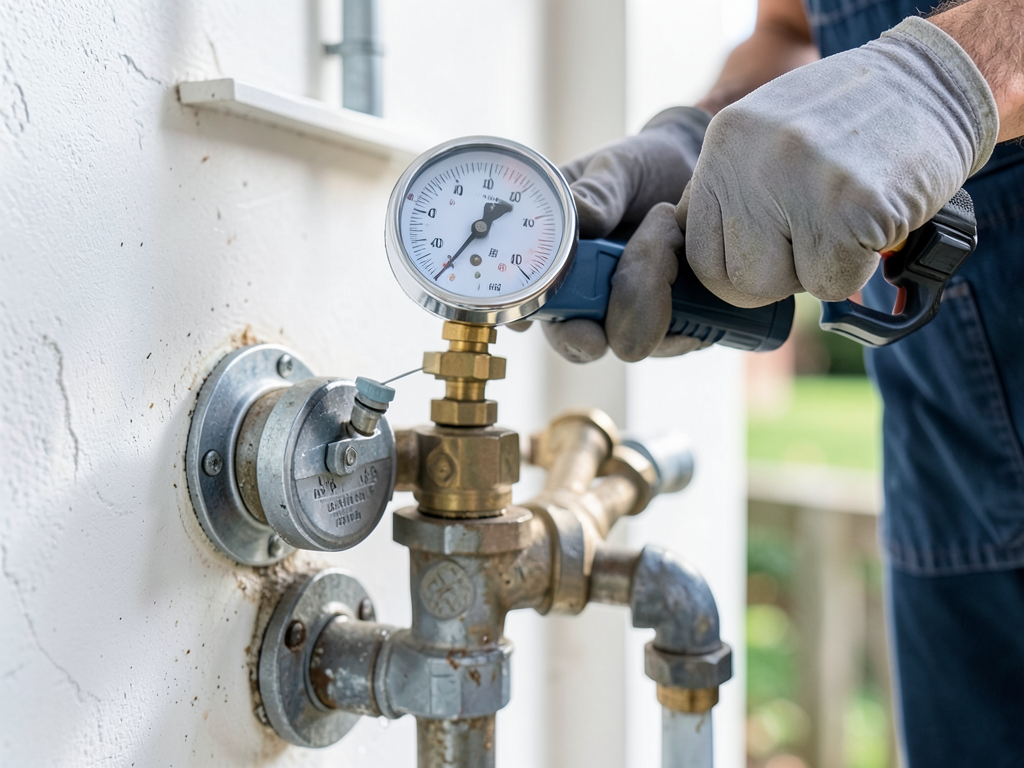
Diagram showing proper water pressure testing procedure with pressure gauge attached to outdoor spigot
Step-by-Step Guide to Fixing Low Water Pressure
Once you’ve identified that you have a genuine water pressure problem, follow these steps to diagnose and potentially fix the issue yourself. Remember that some problems require professional intervention, especially in older Indian Hill homes with complex plumbing systems.
- Check the Main Shut-off Valve
Locate your home’s main water shut-off valve, typically found where the main water line enters your house. Ensure it’s fully open by turning it counterclockwise until it stops. Partially closed valves are a common but easily overlooked cause of low pressure.
- Inspect for Leaks
Examine all visible pipes for signs of moisture, corrosion, or damage. Even small leaks can significantly reduce water pressure. Check under sinks, around toilets, and in your basement or crawl space. Look for water stains on walls or ceilings that might indicate hidden leaks.
- Test Your Pressure Regulator
If your home has a pressure-reducing valve (PRV), typically installed where the main line enters the house, it may need adjustment or replacement. These devices can fail over time, causing either too much or too little pressure. A failing PRV often causes pressure that fluctuates dramatically.
- Clean or Replace Aerators and Showerheads
Mineral buildup in faucet aerators and showerheads is a common cause of localized low pressure. Remove these fixtures and soak them in vinegar overnight to dissolve mineral deposits. If cleaning doesn’t help, replacement is inexpensive and often solves the problem.
- Flush Your Water Heater
Sediment buildup in your water heater can reduce both pressure and efficiency. Annual flushing removes this sediment. If you notice low pressure only in hot water lines, your water heater may need professional servicing or replacement.
Indian Hill-Specific Water Pressure Challenges
Indian Hill presents unique water pressure challenges due to its mix of municipal water service and private wells. Homes in different parts of the village may receive water from different sources, each with its own pressure characteristics.
Properties near the eastern edge of Indian Hill, particularly those along Given Road and Camargo Road, often rely on private wells. Well water systems require pressure tanks and pumps to maintain adequate pressure. These components can fail or become misadjusted, causing pressure problems that municipal water customers don’t experience.
The village’s historic architecture also contributes to pressure issues. Many older homes feature original plumbing that’s incompatible with modern water pressure demands. A 1920s bathroom with its original fixtures may work perfectly at 30 psi but struggle when municipal pressure increases to 60 psi.
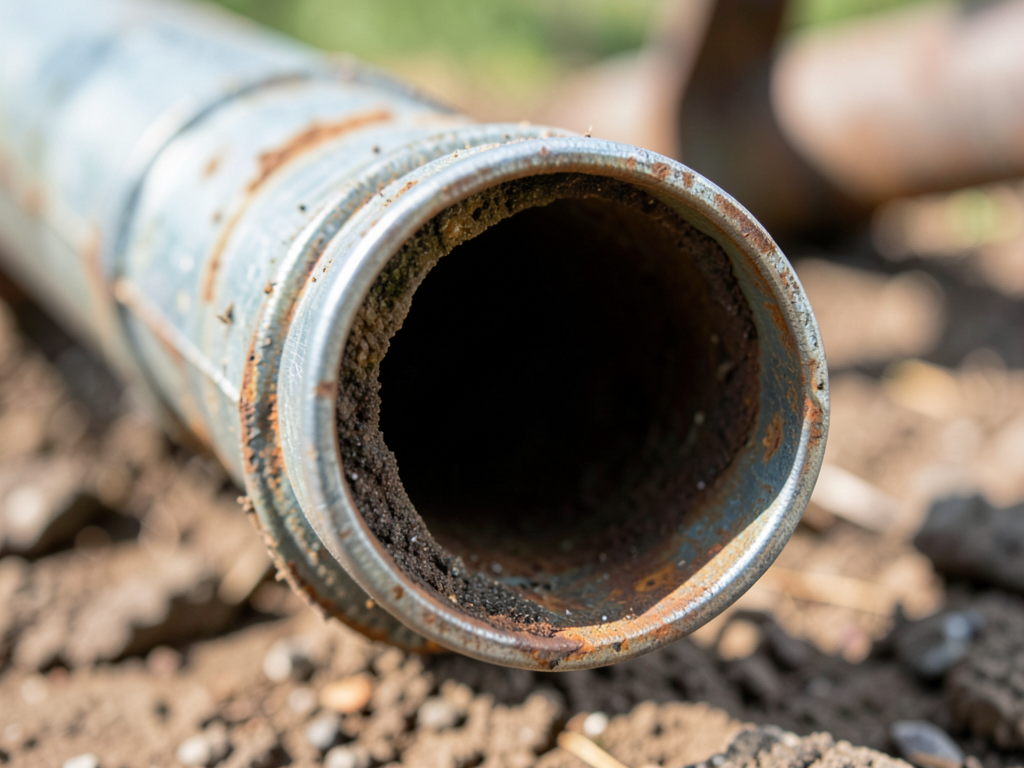
Photo showing corroded galvanized pipes removed from a 1950s Indian Hill home, demonstrating internal corrosion that restricts water flow
When to Call a Professional Plumber
While some water pressure issues can be resolved with DIY solutions, others require professional expertise. Here are situations where calling a licensed plumber is the wisest course of action:
- You’ve identified a leak but can’t access the damaged pipe
- Your home has galvanized pipes that need replacement
- You suspect problems with your main water line
- Pressure issues persist after trying basic troubleshooting
- You need to install a pressure booster system
Professional plumbers have specialized equipment to diagnose hidden problems. Video pipe inspection can reveal corrosion, mineral buildup, or damage inside pipes without destructive testing. Pressure testing can identify exactly where pressure drops occur in your system.
Comparing Water Pressure Solutions
Different water pressure problems require different solutions. The right approach depends on your specific situation, budget, and the age of your home’s plumbing system.
| Solution Type | Cost Range | Best For | Installation Time |
|---|---|---|---|
| Aerator Cleaning/Replacement | $5 – $50 | Localized fixture issues | 15-30 minutes |
| Pressure Regulator Adjustment/Replacement | $150 – $350 | Whole-house pressure regulation | 1-2 hours |
| Pressure Booster System | $800 – $2,500 | Low municipal pressure areas | 4-8 hours |
| Whole-House Repiping | $4,000 – $15,000 | Homes with old galvanized pipes | 2-5 days |
| Well Pump Service | $300 – $1,200 | Private well pressure issues | 2-6 hours |
Preventing Future Water Pressure Problems
Once you’ve resolved your water pressure issue, taking preventive measures can help maintain optimal pressure and extend the life of your plumbing system. Regular maintenance is particularly important in Indian Hill, where water chemistry and aging infrastructure create specific challenges.
Annual plumbing inspections can catch potential problems before they cause pressure drops. A professional plumber can test your pressure, inspect visible pipes, and identify early signs of corrosion or wear. This proactive approach often prevents costly emergency repairs. EPA WaterSense Program.
Water quality also affects pressure over time. Indian Hill’s water, whether from municipal sources or wells, contains minerals that can accumulate in pipes and fixtures. Installing a whole-house water softener can reduce mineral buildup, protecting your plumbing and maintaining consistent pressure.
Photo of a plumber using a pressure gauge to test water pressure at a residential water main shut-off valve
Understanding Indian Hill’s Water Infrastructure
Indian Hill’s water infrastructure reflects its history as a suburban village that developed over several decades. The Greater Cincinnati Water Works serves most of the area, but some properties still use private wells or small community systems.
The village’s elevation changes create natural pressure variations. Homes in the northern sections near Drake Road typically experience higher pressure than those in the southern areas near the Little Miami River. This elevation-based pressure difference can be as much as 15-20 psi between different parts of the village.
Indian Hill’s commitment to preserving its rural character means that some areas have limited infrastructure development. This can result in older water mains that are more susceptible to pressure issues during peak usage times or after heavy rainfall events that affect the water table.
Local Building Codes and Water Pressure Requirements
Hamilton County plumbing codes require minimum water pressure of 20 psi at the highest fixture in any residence. However, for comfortable operation of modern fixtures and appliances, 40-80 psi is recommended. Local inspectors often flag homes with pressure below 35 psi during real estate transactions.
The Ohio Plumbing Code, which follows the International Plumbing Code with state amendments, specifies that pressure-reducing valves must be installed when municipal pressure exceeds 80 psi. Many Indian Hill homes built before these requirements were enacted lack this protection, potentially leading to both high and low pressure issues as plumbing systems age. Ohio Plumbing Code.
Emergency Water Pressure Situations
Some water pressure problems require immediate attention to prevent damage or health hazards. Recognizing these emergency situations can help you respond appropriately and minimize potential damage to your home.
A sudden complete loss of water pressure throughout your home could indicate a main line break or a failed pressure tank. This situation requires immediate professional attention, as it may affect your ability to fight fires or maintain sanitary conditions in your home.
Water pressure that drops dramatically when multiple fixtures are used simultaneously might indicate a failing pressure tank or a significant leak in your system. While not always an emergency, this situation should be addressed promptly to prevent further damage.
DIY vs. Professional Water Pressure Repairs
Understanding which water pressure repairs you can safely handle yourself versus those requiring professional expertise can save you time, money, and potential headaches. Here’s a guide to help you make informed decisions.
DIY-appropriate tasks include cleaning aerators, adjusting pressure regulators if you have experience with plumbing, and replacing visible supply lines under sinks. These tasks require basic tools and can be completed in under an hour.
Professional tasks include anything involving your main water line, gas water heaters, pressure tanks, or pipes located in walls or underground. These repairs require specialized tools, knowledge of local codes, and often permits from Hamilton County.
Cost Factors for Water Pressure Repairs
The cost of fixing water pressure issues varies widely based on the underlying cause, the age of your home, and whether you need emergency service. Understanding these cost factors can help you budget appropriately for repairs.
Simple fixes like cleaning aerators or adjusting pressure regulators typically cost under $100 in materials and can be DIY projects. More complex repairs like replacing pressure regulators or installing pressure booster systems range from $300 to $2,500.
Whole-house repiping, often necessary in older Indian Hill homes with galvanized pipes, represents a significant investment of $4,000 to $15,000. However, this repair often increases home value and eliminates multiple plumbing problems beyond just pressure issues.
Water Pressure and Home Value in Indian Hill
Water pressure issues can affect your home’s market value in Indian Hill’s competitive real estate market. Prospective buyers often view plumbing problems as major red flags, particularly in luxury properties where expectations for modern amenities are high.
During home inspections, water pressure is routinely tested. Homes with consistently low pressure may face price negotiations or require repairs before sale. Conversely, homes with recently updated plumbing systems and optimal water pressure often command premium prices.
Investing in water pressure improvements can provide strong returns in Indian Hill, where buyers expect reliable, modern plumbing systems. Even simple improvements like replacing old fixtures or installing a pressure booster can enhance your home’s appeal to potential buyers.
Frequently Asked Questions
What is considered normal water pressure for a home?
Normal residential water pressure ranges from 45 to 80 psi (pounds per square inch). Pressure between 40-45 psi is considered low but may be adequate for basic needs. Pressure below 40 psi is generally considered problematic and can affect appliance performance and water flow.
Can hard water cause low water pressure?
Yes, hard water can significantly contribute to low water pressure over time. The minerals in hard water, primarily calcium and magnesium, accumulate inside pipes, fixtures, and water heaters. This buildup restricts water flow and can reduce pipe diameter by up to 50% in severe cases.
How much does it cost to fix low water pressure?
The cost varies dramatically based on the cause. Simple fixes like cleaning aerators cost under $50, while pressure regulator replacement runs $150-350. Pressure booster installation costs $800-2,500, and whole-house repiping can cost $4,000-15,000. Most homeowners spend $200-800 for typical pressure repairs.
Why is my water pressure low only in the morning?
Morning pressure drops often indicate peak usage times when many neighbors are showering and using water simultaneously. This suggests the issue is with municipal supply rather than your home’s plumbing. Installing a pressure booster or adjusting your usage schedule may help.
Should I repair or replace old galvanized pipes?
Replacement is usually the better long-term solution for galvanized pipes. These pipes typically last 40-50 years before severe corrosion occurs. By the time you notice pressure problems, the pipes are usually near the end of their useful life. Replacement with PEX or copper provides better pressure and water quality.
Low water pressure in your Indian Hill home doesn’t have to be a permanent frustration. By understanding the common causes, following proper diagnostic procedures, and knowing when to call professionals, you can restore your home’s water flow to optimal levels. Whether you’re dealing with a simple aerator clog or need comprehensive repiping, addressing water pressure issues promptly protects your home’s value and your family’s comfort.
Don’t let weak water flow disrupt your daily routine. Many water pressure problems can be resolved quickly once properly diagnosed. If you’ve tried basic troubleshooting without success, professional help is just a phone call away.
Call (513) 717-2899 today to schedule your water pressure inspection. Our experienced technicians understand the unique plumbing challenges of Indian Hill homes and can quickly identify and resolve your water pressure issues. Don’t wait until a small problem becomes a major headache – contact us now for fast, reliable service you can trust.
Pick up the phone and call (513) 717-2899 before the next storm hits. We offer 24/7 emergency service for urgent water pressure problems that can’t wait. Your comfort and convenience matter to us, and we’re committed to restoring your home’s water pressure quickly and effectively.
{
“@context”: “https://schema.org”,
“@type”: “BlogPosting”,
“headline”: “How to Fix Low Water Pressure in Your Indian Hill Home”,
“description”: “Discover proven solutions for low water pressure in Indian Hill homes. Learn about common causes, diagnostic tests, and expert fixes for your Cincinnati estate.”,
“wordCount”: 2339,
“datePublished”: “2026-02-16T08:03:00.000Z”,
“dateModified”: “2026-02-16T08:03:00.000Z”,
“inLanguage”: “en-US”,
“mainEntityOfPage”: {
“@type”: “WebPage”,
“@id”: “https://keystoneplumbingcincinnati.com”
},
“publisher”: {
“@type”: “LocalBusiness”,
“name”: “Keystone Plumbing Cincinnati”,
“url”: “https://keystoneplumbingcincinnati.com”
},
“author”: {
“@type”: “Organization”,
“name”: “Keystone Plumbing Cincinnati”,
“url”: “https://keystoneplumbingcincinnati.com”
},
“image”: {
“@type”: “ImageObject”,
“url”: “https://keystoneplumbingcincinnati.com/wp-content/uploads/2026/03/how-to-fix-low-water-pressure-in-your-indian-hill-1.png”
}
}
{
“@context”: “https://schema.org”,
“@type”: “Plumber”,
“name”: “Keystone Plumbing Cincinnati”,
“url”: “https://keystoneplumbingcincinnati.com”,
“address”: {
“@type”: “PostalAddress”,
“addressLocality”: “Cincinnati”
},
“areaServed”: {
“@type”: “City”,
“name”: “Cincinnati”
}
}
{
“@context”: “https://schema.org”,
“@type”: “FAQPage”,
“mainEntity”: [
{
“@type”: “Question”,
“name”: “What is considered normal water pressure for a home?”,
“acceptedAnswer”: {
“@type”: “Answer”,
“text”: “Normal residential water pressure ranges from 45 to 80 psi (pounds per square inch). Pressure between 40-45 psi is considered low but may be adequate for basic needs. Pressure below 40 psi is generally considered problematic and can affect appliance performance and water flow.”
}
},
{
“@type”: “Question”,
“name”: “Can hard water cause low water pressure?”,
“acceptedAnswer”: {
“@type”: “Answer”,
“text”: “Yes, hard water can significantly contribute to low water pressure over time. The minerals in hard water, primarily calcium and magnesium, accumulate inside pipes, fixtures, and water heaters. This buildup restricts water flow and can reduce pipe diameter by up to 50% in severe cases.”
}
},
{
“@type”: “Question”,
“name”: “How much does it cost to fix low water pressure?”,
“acceptedAnswer”: {
“@type”: “Answer”,
“text”: “The cost varies dramatically based on the cause. Simple fixes like cleaning aerators cost under $50, while pressure regulator replacement runs $150-350. Pressure booster installation costs $800-2,500, and whole-house repiping can cost $4,000-15,000. Most homeowners spend $200-800 for typical pressure repairs.”
}
},
{
“@type”: “Question”,
“name”: “Why is my water pressure low only in the morning?”,
“acceptedAnswer”: {
“@type”: “Answer”,
“text”: “Morning pressure drops often indicate peak usage times when many neighbors are showering and using water simultaneously. This suggests the issue is with municipal supply rather than your home’s plumbing. Installing a pressure booster or adjusting your usage schedule may help.”
}
},
{
“@type”: “Question”,
“name”: “Should I repair or replace old galvanized pipes?”,
“acceptedAnswer”: {
“@type”: “Answer”,
“text”: “Replacement is usually the better long-term solution for galvanized pipes. These pipes typically last 40-50 years before severe corrosion occurs. By the time you notice pressure problems, the pipes are usually near the end of their useful life. Replacement with PEX or copper provides better pressure and water quality.”
}
}
]
}
{
“@context”: “https://schema.org”,
“@type”: “HowTo”,
“name”: “How to Fix Low Water Pressure”,
“step”: [
{
“@type”: “HowToStep”,
“position”: 1,
“name”: “Check the Main Shut-off Valve”,
“text”: “Locate your home’s main water shut-off valve, typically found where the main water line enters your house. Ensure it’s fully open by turning it counterclockwise until it stops. Partially closed valves are a common but easily overlooked cause of low pressure.”
},
{
“@type”: “HowToStep”,
“position”: 2,
“name”: “Inspect for Leaks”,
“text”: “Examine all visible pipes for signs of moisture, corrosion, or damage. Even small leaks can significantly reduce water pressure. Check under sinks, around toilets, and in your basement or crawl space. Look for water stains on walls or ceilings that might indicate hidden leaks.”
},
{
“@type”: “HowToStep”,
“position”: 3,
“name”: “Test Your Pressure Regulator”,
“text”: “If your home has a pressure-reducing valve (PRV), typically installed where the main line enters the house, it may need adjustment or replacement. These devices can fail over time, causing either too much or too little pressure. A failing PRV often causes pressure that fluctuates dramatically.”
},
{
“@type”: “HowToStep”,
“position”: 4,
“name”: “Clean or Replace Aerators and Showerheads”,
“text”: “Mineral buildup in faucet aerators and showerheads is a common cause of localized low pressure. Remove these fixtures and soak them in vinegar overnight to dissolve mineral deposits. If cleaning doesn’t help, replacement is inexpensive and often solves the problem.”
},
{
“@type”: “HowToStep”,
“position”: 5,
“name”: “Flush Your Water Heater”,
“text”: “Sediment buildup in your water heater can reduce both pressure and efficiency. Annual flushing removes this sediment. If you notice low pressure only in hot water lines, your water heater may need professional servicing or replacement.”
}
],
“image”: “https://keystoneplumbingcincinnati.com/wp-content/uploads/2026/03/how-to-fix-low-water-pressure-in-your-indian-hill-1.png”
}
{
“@context”: “https://schema.org”,
“@type”: “BreadcrumbList”,
“itemListElement”: [
{
“@type”: “ListItem”,
“position”: 1,
“name”: “Home”,
“item”: “https://keystoneplumbingcincinnati.com”
},
{
“@type”: “ListItem”,
“position”: 2,
“name”: “Blog”,
“item”: “https://keystoneplumbingcincinnati.com/blog”
},
{
“@type”: “ListItem”,
“position”: 3,
“name”: “How to Fix Low Water Pressure in Your Indian Hill Home”
}
]
}
{
“@context”: “https://schema.org”,
“@type”: “Service”,
“serviceType”: “Plumbing”,
“provider”: {
“@type”: “LocalBusiness”,
“name”: “Keystone Plumbing Cincinnati”,
“url”: “https://keystoneplumbingcincinnati.com”
},
“areaServed”: {
“@type”: “City”,
“name”: “Cincinnati”
},
“description”: “Discover proven solutions for low water pressure in Indian Hill homes. Learn about common causes, diagnostic tests, and expert fixes for your Cincinnati estate.”
}