
How to Safely Remove a Non-Flushable Toy From Your Cleves Toilet Without Breaking the Seal
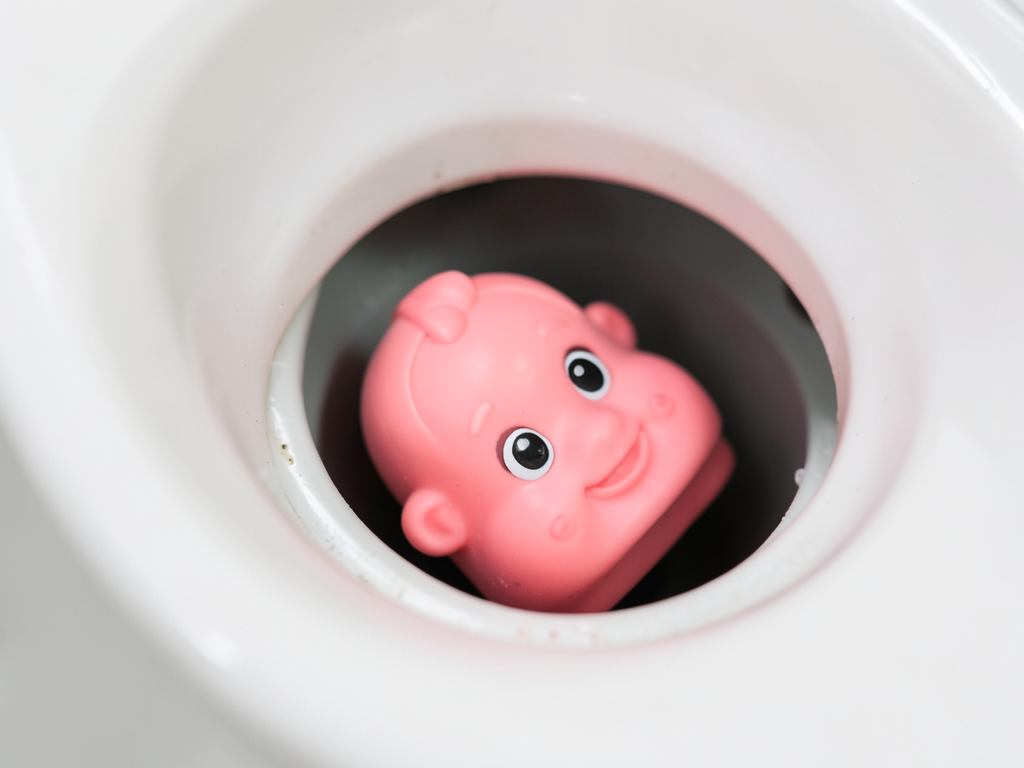
A flushed toy in your Cleves toilet creates an immediate plumbing emergency that demands quick action. The good news is that most toys can be retrieved without calling a plumber if you act fast and use the right tools. The key is stopping the flush before the toy travels past the toilet trapway where removal becomes much more difficult and expensive. Who to Call for an Emergency Plumbing Crisis in Downtown Cincinnati.
When a child’s toy or other non-flushable item disappears into your toilet, you have a limited window to retrieve it before it moves beyond the trap. The trapway is the curved section inside your toilet that holds water and prevents sewer gases from entering your home. If the object stays within this area, you can often recover it with basic tools and patience. But if it passes through, you may need professional help to remove the entire toilet. Finding the Best Water Heater Replacement for Your West Chester House.
Stop Flushing Immediately to Prevent Further Damage
The first and most critical step is to stop flushing. Each flush sends more water through the system, which can push the toy deeper into the plumbing or cause an overflow onto your bathroom floor. Turn off the water supply valve located behind the toilet by turning it clockwise until it stops. This prevents accidental flushing when someone else uses the bathroom. Quick Toilet Repair and Installation Services in Montgomery.
Remove the toilet tank lid and check if the toy is visible in the water. If you can see it, try reaching in with rubber gloves to grab it directly. Many toys float or sit just below the water surface where they can be easily retrieved. If the toy is not visible, you will need to use specialized tools to reach it.
Common Objects We Find in Cleves Toilets
Over the years, we have retrieved countless items from toilets in the Cleves area. Children’s toys rank as the most common culprit, especially small plastic figures, building blocks, and bath toys. Cell phones frequently fall in when people use the bathroom while scrolling on their devices. Toilet brushes break and their heads get stuck in the trapway. Even “flushable” wipes cause major clogs because they do not break down like toilet paper.
The Cleves area presents unique challenges due to the older homes near the river and newer developments in the surrounding hills. Many homes in the 45002 zip code area have plumbing systems that are decades old, making them more susceptible to clogs and backups. The freeze-thaw cycles common in southwestern Ohio can also cause pipes to shift slightly, creating small gaps where objects can become lodged.
Step-by-Step DIY Removal Using the Right Tools
Using a flange plunger correctly is your first line of defense. Unlike a standard cup plunger, a flange plunger has an extended rubber flap that creates a better seal on toilet bowls. Place the plunger over the toilet drain and pump it up and down vigorously for about 20 seconds. The suction created can sometimes dislodge a toy and bring it back into the bowl where you can retrieve it.
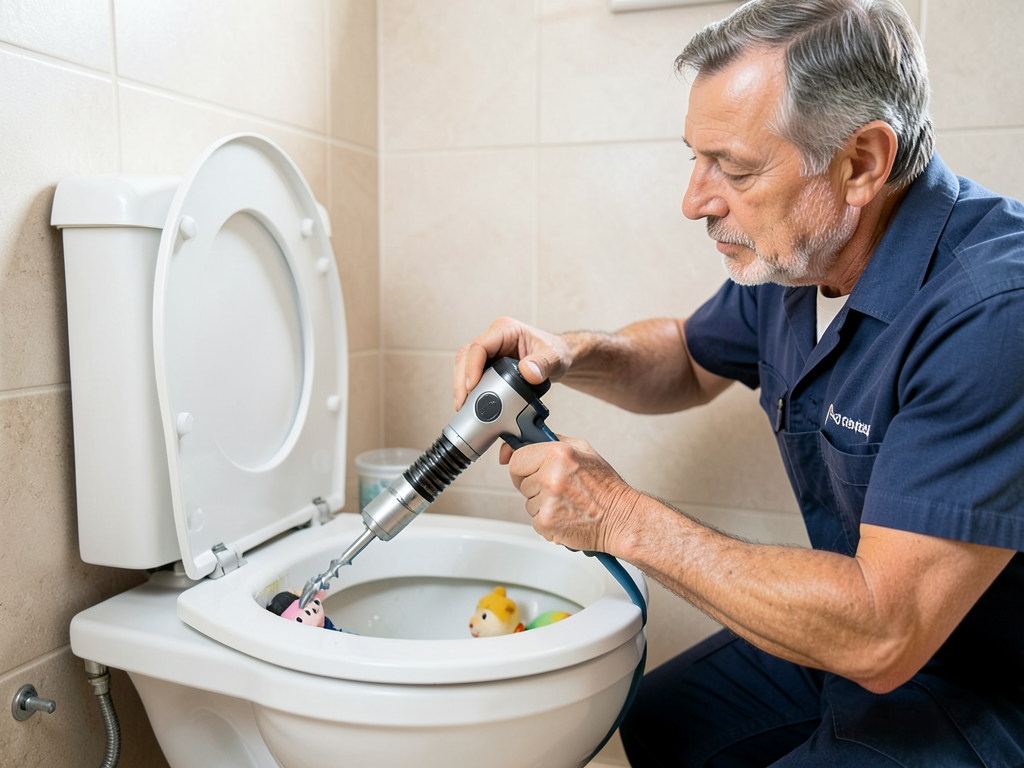
If plunging does not work, a closet auger or toilet snake is your next best option. This specialized tool has a curved end that fits through the toilet trapway without scratching the porcelain. Insert the auger cable into the toilet bowl, turning the handle clockwise as you feed it through the trap. When you feel resistance, you have likely hooked the toy. Slowly retract the cable while continuing to turn the handle to bring the object back up.
- Prepare the Area
Place old towels around the base of the toilet to catch any water. Wear rubber gloves and have a bucket ready for retrieved items.
- Insert the Auger
Position the curved end of the auger at the bottom of the toilet bowl, ensuring it is aimed toward the drain opening.
- Feed the Cable
Turn the handle clockwise while gently pushing the cable forward. You will feel it navigate the trapway’s curves.
- Locate the Obstruction
When you encounter firm resistance, you have likely hooked the toy. Do not force it further.
- Retrieve the Object
Continue turning clockwise while slowly pulling the cable back out. The toy should come with it.
What NOT to Do When Retrieving a Toilet Toy
Chemical drain cleaners are dangerous and ineffective for solid objects. These harsh chemicals can damage your toilet’s porcelain finish and create toxic fumes when mixed with other cleaning products. They also rarely dissolve plastic toys, which are the most common culprits.
Never use a coat hanger or rigid metal rod to fish out objects. The trapway has sharp bends that can easily crack or chip your toilet’s porcelain if you force a rigid tool through it. Once the porcelain is damaged, the toilet becomes much more prone to future leaks and may need complete replacement.
Avoid using excessive force with any tool. If you feel significant resistance, you may be pushing the object further into the plumbing system. Stop immediately and consider calling a professional plumber who has specialized cameras and retrieval tools.
The Wet/Dry Vacuum Method for Toy Retrieval
A wet/dry vacuum can be surprisingly effective for retrieving objects from toilets. This method works best when the toy is not too far into the trapway. First, create a tight seal between the vacuum hose and the toilet drain using an old towel or rubber seal. Turn on the vacuum and let it run for several minutes to create strong suction.
The vacuum method has advantages over mechanical retrieval because it creates uniform suction across the entire drain opening. This can sometimes pull objects back that are stuck in small crevices or positioned at awkward angles. After vacuuming, check the vacuum canister for your retrieved item. If nothing comes out, the object may be too far down the line for this method to work.
Signs the Toy Has Moved to the Sewer Line
If your DIY efforts fail, the toy may have passed through the toilet trapway into the main sewer line. Several signs indicate this has happened. Multiple drains in your home may start gurgling or draining slowly. You might hear bubbling sounds from nearby sinks or tubs when the toilet is flushed. In severe cases, sewage can back up into lower drains like basement floor drains.
The sewer line in older Cleves homes, particularly those built before 1980, may have clay or cast iron pipes that are more prone to tree root intrusion and joint separation. When a foreign object enters these systems, it can catch on small imperfections in the pipe, creating a blockage that grows larger over time as other debris collects around it. EPA WaterSense toilets.
When You Need to Remove the Toilet
If the toy remains stuck and causes repeated clogs, removing the toilet may be necessary. This process, called “pulling the pot” in plumbing terminology, involves disconnecting the water supply, removing bolts that secure the toilet to the floor, and lifting the entire fixture off the drain pipe. This gives you direct access to the trapway and drain opening.
Removing a toilet requires caution to avoid breaking the wax ring seal or cracking the porcelain. The wax ring creates a watertight seal between the toilet base and the floor flange. If this seal is damaged during removal, you will need to replace it to prevent sewer gas leaks. The process also involves handling a heavy fixture that can weigh 75-100 pounds. What to Expect During a Main Sewer Line Repair in Loveland.
Professional plumbers use specialized lifting techniques and have replacement parts on hand. They can also inspect the toilet for any cracks or damage that occurred during the retrieval process. In many cases, if the toilet is older than 10-15 years, replacement might be more cost-effective than repair. Industrial Pipe Repair.
Preventing Future Toilet Clogs in Your Cleves Home
Education is your best prevention strategy. Teach children that toilets are only for human waste and toilet paper. Even products labeled “flushable” like wipes, dental floss, and feminine hygiene products can cause major plumbing issues. These items do not break down like toilet paper and can create persistent clogs.
Consider installing toilet lid locks if you have young children. These simple devices prevent toddlers from throwing toys or other objects into the toilet when unsupervised. They are inexpensive and can save you from costly plumbing emergencies.
Regular maintenance can also prevent clogs. Once a year, pour a bucket of hot water (not boiling) into each toilet to help flush out any minor buildup in the trapway. This simple step can extend the life of your plumbing system and prevent small obstructions from becoming major blockages.
Local Cleves Plumbing Services and Emergency Response
Keystone Plumbing Cincinnati provides 24/7 emergency plumbing services throughout the Cleves area and Hamilton County. Our technicians understand the specific plumbing challenges faced by residents in the 45002 zip code, including older homes near the river and newer developments in the surrounding hills. We maintain fully stocked service vehicles to handle most toilet retrieval jobs on the first visit.
Our response times for emergency calls in Cleves typically range from 30-60 minutes, depending on traffic conditions and current call volume. We prioritize true emergencies where water damage is occurring or where a toilet clog affects the only bathroom in a home. For non-emergency situations, we can usually schedule service within 24-48 hours.
Call (513) 717-2899 today to schedule your inspection. Don’t let a flushed toy turn into a major plumbing disaster. Our experienced technicians have the tools and expertise to retrieve objects safely without damaging your toilet or plumbing system.
Understanding Your Toilet’s Anatomy for Better Retrieval
Knowing your toilet’s basic anatomy helps you understand where objects can get stuck. The bowl holds water and waste, while the trapway is the S-shaped channel that prevents sewer gases from entering your home. The trapway holds a small amount of water that creates the seal. The flush valve and flapper control water flow from the tank to the bowl.
The trapway is typically 2-3 inches in diameter and has several sharp bends. This design is intentional to create the water seal, but it also means objects can easily become lodged at the bends. The first bend, just past the bowl opening, is where most toys get stuck because they cannot navigate the sharp turn.
Modern toilets have larger trapways and more efficient flush designs than older models. If your Cleves home has an older toilet from the 1980s or earlier, it may be more prone to clogs due to smaller trapways and less powerful flushing mechanisms. Upgrading to a newer model can prevent many common clogging issues.
Cost Considerations: DIY vs Professional Retrieval
Attempting DIY retrieval first can save you significant money if successful. The tools needed for basic retrieval cost between $15-50 and can be reused for future plumbing issues. A flange plunger costs around $10, while a closet auger ranges from $25-40. These tools pay for themselves after one successful retrieval.
Professional toilet retrieval services typically cost between $150-300, depending on the complexity of the job and whether the toilet needs to be removed. This price includes the service call, labor, and any basic parts needed like a new wax ring if the toilet is removed. Emergency calls during nights or weekends may cost 1.5-2 times the standard rate.
Weighing these costs against the price of a new toilet ($150-400 for basic models) helps you make an informed decision. If your toilet is older or shows signs of wear, replacement might be more economical than paying for retrieval and risking damage during the process.
Frequently Asked Questions
Can I use a regular plunger instead of a flange plunger?
Regular cup plungers are designed for flat surfaces like sinks and tubs. They do not create a proper seal on the curved surface of a toilet bowl, making them much less effective for toilet clogs. A flange plunger has an extended rubber flap that fits into the toilet drain opening, creating the suction needed to dislodge objects.
How long do I have to retrieve a flushed toy before it becomes a bigger problem?
Time is critical. If you can retrieve the toy within the first 24 hours, your chances of success are much higher. After 24-48 hours, the object may move deeper into the plumbing system or become surrounded by other debris, making retrieval more difficult and expensive.
Will my homeowner’s insurance cover toilet retrieval services?
Most standard homeowner’s insurance policies do not cover toilet retrieval for flushed toys or objects. These are considered maintenance issues rather than sudden damage. However, if the clog causes water damage to your home, that damage might be covered. Check your specific policy for details about plumbing-related coverage.
Is it safe to use hot water to help dissolve a clog?
Hot water from the tap is generally safe and can help with minor organic clogs. However, never use boiling water as it can crack the porcelain. Hot water will not dissolve plastic toys or other non-organic objects that are the most common culprits in toilet clogs.
How can I tell if the toy is stuck in the toilet or in the main sewer line?
If only one toilet is affected and plunging or snaking works temporarily, the object is likely still in that toilet. If multiple drains in your home are slow or gurgling, or if sewage backs up into other fixtures, the object has probably moved into the main sewer line where it requires professional equipment to locate and remove.
Call (513) 717-2899 today to schedule your inspection. Don’t let a flushed toy turn into a major plumbing disaster. Our experienced technicians have the tools and expertise to retrieve objects safely without damaging your toilet or plumbing system. For more information, visit CDC plumbing hygiene guidelines.
You may also find this helpful. How to Finally Fix a Stubborn Slow Bathtub Drain in Your Bond Hill Home.
{
“@context”: “https://schema.org”,
“@type”: “BlogPosting”,
“headline”: “How to Safely Remove a Non-Flushable Toy From Your Cleves Toilet Without Breaking the Seal”,
“description”: “Learn step-by-step how to retrieve a flushed toy from your Cleves toilet without damaging the porcelain or breaking the wax seal. Call (513) 717-2899 for 24/7 emergency help.”,
“wordCount”: 2332,
“datePublished”: “2026-04-06T13:46:00.000Z”,
“dateModified”: “2026-04-06T13:46:00.000Z”,
“inLanguage”: “en-US”,
“mainEntityOfPage”: {
“@type”: “WebPage”,
“@id”: “https://keystoneplumbingcincinnati.com”
},
“publisher”: {
“@type”: “LocalBusiness”,
“name”: “Keystone Plumbing Cincinnati”,
“url”: “https://keystoneplumbingcincinnati.com”
},
“author”: {
“@type”: “Organization”,
“name”: “Keystone Plumbing Cincinnati”,
“url”: “https://keystoneplumbingcincinnati.com”
},
“image”: {
“@type”: “ImageObject”,
“url”: “https://keystoneplumbingcincinnati.com/wp-content/uploads/2026/03/how-to-safely-remove-a-non-flushable-toy-from-your-1.png”
}
}
{
“@context”: “https://schema.org”,
“@type”: “Plumber”,
“name”: “Keystone Plumbing Cincinnati”,
“url”: “https://keystoneplumbingcincinnati.com”,
“address”: {
“@type”: “PostalAddress”,
“addressLocality”: “Cincinnati”
},
“areaServed”: {
“@type”: “City”,
“name”: “Cincinnati”
}
}
{
“@context”: “https://schema.org”,
“@type”: “FAQPage”,
“mainEntity”: [
{
“@type”: “Question”,
“name”: “Can I use a regular plunger instead of a flange plunger?”,
“acceptedAnswer”: {
“@type”: “Answer”,
“text”: “Regular cup plungers are designed for flat surfaces like sinks and tubs. They do not create a proper seal on the curved surface of a toilet bowl, making them much less effective for toilet clogs. A flange plunger has an extended rubber flap that fits into the toilet drain opening, creating the suction needed to dislodge objects.”
}
},
{
“@type”: “Question”,
“name”: “How long do I have to retrieve a flushed toy before it becomes a bigger problem?”,
“acceptedAnswer”: {
“@type”: “Answer”,
“text”: “Time is critical. If you can retrieve the toy within the first 24 hours, your chances of success are much higher. After 24-48 hours, the object may move deeper into the plumbing system or become surrounded by other debris, making retrieval more difficult and expensive.”
}
},
{
“@type”: “Question”,
“name”: “Will my homeowner’s insurance cover toilet retrieval services?”,
“acceptedAnswer”: {
“@type”: “Answer”,
“text”: “Most standard homeowner’s insurance policies do not cover toilet retrieval for flushed toys or objects. These are considered maintenance issues rather than sudden damage. However, if the clog causes water damage to your home, that damage might be covered. Check your specific policy for details about plumbing-related coverage.”
}
},
{
“@type”: “Question”,
“name”: “Is it safe to use hot water to help dissolve a clog?”,
“acceptedAnswer”: {
“@type”: “Answer”,
“text”: “Hot water from the tap is generally safe and can help with minor organic clogs. However, never use boiling water as it can crack the porcelain. Hot water will not dissolve plastic toys or other non-organic objects that are the most common culprits in toilet clogs.”
}
},
{
“@type”: “Question”,
“name”: “How can I tell if the toy is stuck in the toilet or in the main sewer line?”,
“acceptedAnswer”: {
“@type”: “Answer”,
“text”: “If only one toilet is affected and plunging or snaking works temporarily, the object is likely still in that toilet. If multiple drains in your home are slow or gurgling, or if sewage backs up into other fixtures, the object has probably moved into the main sewer line where it requires professional equipment to locate and remove.”
}
}
]
}
{
“@context”: “https://schema.org”,
“@type”: “HowTo”,
“name”: “How to Use a Closet Auger”,
“step”: [
{
“@type”: “HowToStep”,
“position”: 1,
“name”: “Prepare the Area”,
“text”: “Place old towels around the base of the toilet to catch any water. Wear rubber gloves and have a bucket ready for retrieved items.”
},
{
“@type”: “HowToStep”,
“position”: 2,
“name”: “Insert the Auger”,
“text”: “Position the curved end of the auger at the bottom of the toilet bowl, ensuring it is aimed toward the drain opening.”
},
{
“@type”: “HowToStep”,
“position”: 3,
“name”: “Feed the Cable”,
“text”: “Turn the handle clockwise while gently pushing the cable forward. You will feel it navigate the trapway’s curves.”
},
{
“@type”: “HowToStep”,
“position”: 4,
“name”: “Locate the Obstruction”,
“text”: “When you encounter firm resistance, you have likely hooked the toy. Do not force it further.”
},
{
“@type”: “HowToStep”,
“position”: 5,
“name”: “Retrieve the Object”,
“text”: “Continue turning clockwise while slowly pulling the cable back out. The toy should come with it.”
}
],
“image”: “https://keystoneplumbingcincinnati.com/wp-content/uploads/2026/03/how-to-safely-remove-a-non-flushable-toy-from-your-1.png”
}
{
“@context”: “https://schema.org”,
“@type”: “BreadcrumbList”,
“itemListElement”: [
{
“@type”: “ListItem”,
“position”: 1,
“name”: “Home”,
“item”: “https://keystoneplumbingcincinnati.com”
},
{
“@type”: “ListItem”,
“position”: 2,
“name”: “Blog”,
“item”: “https://keystoneplumbingcincinnati.com/blog”
},
{
“@type”: “ListItem”,
“position”: 3,
“name”: “How to Safely Remove a Non-Flushable Toy From Your Cleves Toilet Without Breaking the Seal”
}
]
}
{
“@context”: “https://schema.org”,
“@type”: “Service”,
“serviceType”: “Plumbing”,
“provider”: {
“@type”: “LocalBusiness”,
“name”: “Keystone Plumbing Cincinnati”,
“url”: “https://keystoneplumbingcincinnati.com”
},
“areaServed”: {
“@type”: “City”,
“name”: “Cincinnati”
},
“description”: “Learn step-by-step how to retrieve a flushed toy from your Cleves toilet without damaging the porcelain or breaking the wax seal. Call (513) 717-2899 for 24/7 emergency help.”
}