
The Real Benefits of Installing a Rain Barrel System for Your Northside Garden
Installing a rain barrel system in your Northside garden does more than just collect water. It protects your home’s foundation from Cincinnati’s heavy spring rains, reduces your stormwater runoff fees through the MSDGC program, and provides chemical-free water for your vegetables. This guide covers everything you need to know about professional rain barrel installation in Cincinnati’s unique climate. MSDGC Stormwater Management Program.
How Rain Barrels Help Northside Gardens Survive Cincinnati Weather
Cincinnati’s clay-heavy soil in Northside expands and contracts dramatically with moisture changes. When spring storms hit, water rushing off your roof can overwhelm your garden beds and seep toward your foundation. A properly installed rain barrel system captures this runoff before it causes problems. Finding the Best Water Heater Replacement for Your West Chester House.
Northside homes typically see 40-45 inches of rainfall annually, with most coming in intense spring and summer storms. A single 1-inch rain on a 1,000-square-foot roof produces about 600 gallons of water. Without proper diversion, that water floods garden beds, erodes soil, and pools against foundations where it can cause basement leaks. No Hot Water Diagnosis.
Beyond water management, rain barrels provide chlorine-free water that’s better for plants. The water maintains a neutral pH and contains beneficial minerals that tap water lacks. Your tomatoes, peppers, and herbs will thank you for the natural irrigation.. Read more about Using a Dry Well to Manage Runoff and Protect Your Yard in Amberley Village.
MSDGC Stormwater Credits: Real Money Back in Your Pocket
The Metropolitan Sewer District of Greater Cincinnati offers significant credits for rainwater harvesting systems that reduce stormwater runoff. Property owners can receive up to 50% off their quarterly stormwater fees by installing approved rain barrel systems.
Here’s how the credits work: The MSDGC calculates your stormwater fee based on your property’s impervious surface area. When you install rain barrels that capture runoff from your roof, you reduce the volume of water entering the storm sewer system. The district then applies a credit to your bill.
To qualify for the maximum credit, you need to capture at least the first inch of rainfall from your roof. For most Northside homes, this means installing multiple barrels or a larger cistern system. The credit application requires documentation of your system’s capacity and proper installation.
Beyond the direct financial benefit, reducing stormwater runoff helps prevent the combined sewer overflows that plague older Cincinnati neighborhoods. When heavy rains overwhelm the system, untreated sewage can back up into basements and discharge into local waterways.
Professional Installation vs. DIY: Why It Matters in Northside
Professional rain barrel installation addresses issues that DIY kits miss. In Northside’s older homes, downspouts often connect to underground drains that lead to the storm sewer. Simply placing a barrel under the downspout can cause backups and flooding.
A professional plumber evaluates your entire drainage system. They identify whether your downspouts connect to underground piping, check for proper grading around your foundation, and ensure your barrel placement won’t create new problems. They also install proper diverters that allow overflow to continue through the original drainage path when barrels fill.
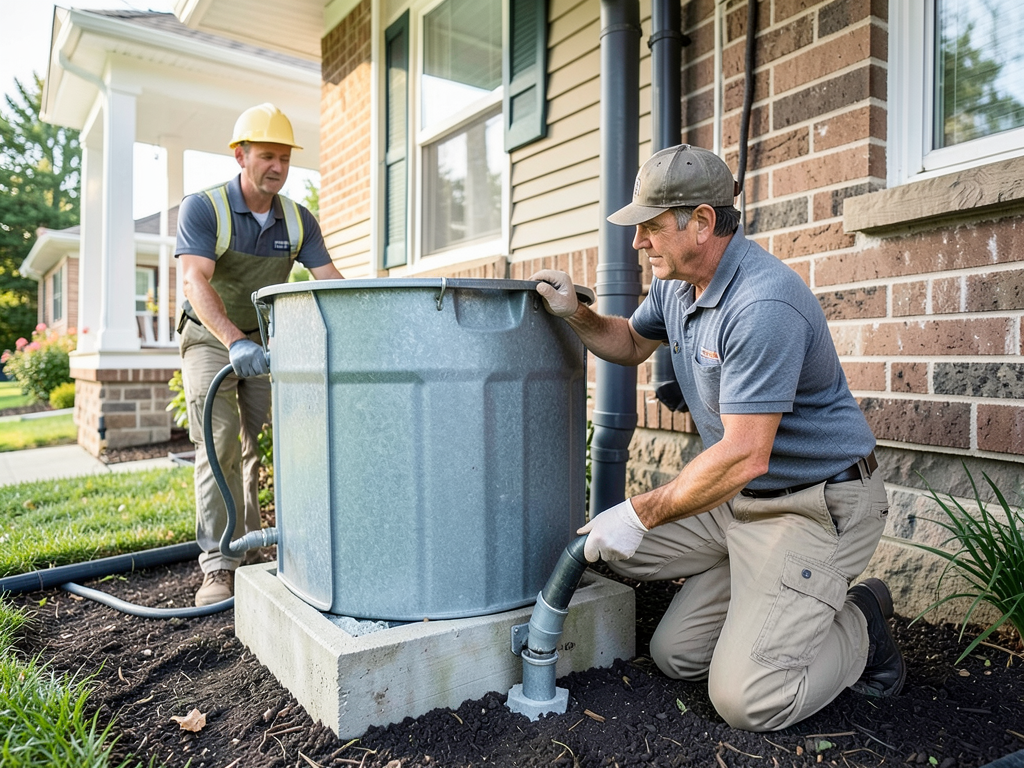
Professional installation includes proper base preparation. A 50-gallon barrel weighs over 400 pounds when full. Without a level, reinforced base, it can tip or sink into Northside’s clay soil. Professionals use gravel beds and concrete pavers to create stable platforms that last for years.
Winterization is another critical factor. Cincinnati’s freeze-thaw cycles can crack barrels and split pipes. Professionals install removable diverters and drain systems that protect your investment through Ohio winters.
Choosing the Right Rain Barrel System for Your Garden
Rain barrel capacity needs depend on your garden size and local rainfall patterns. A small vegetable garden needs about 20 gallons per week during peak growing season. With Cincinnati’s rainfall distribution, you need enough storage to bridge the gaps between storms. What to Expect During a Main Sewer Line Repair in Loveland.
For most Northside gardens, a system of two to four 50-55 gallon barrels provides adequate capacity. This setup captures roughly 200 gallons, enough to water a 200-square-foot garden for two weeks during dry spells.
Material choice matters in Cincinnati’s climate. UV-resistant polyethylene barrels withstand freeze-thaw cycles better than cheaper plastics. Wooden barrels look attractive but require more maintenance and can rot if water stands too long.
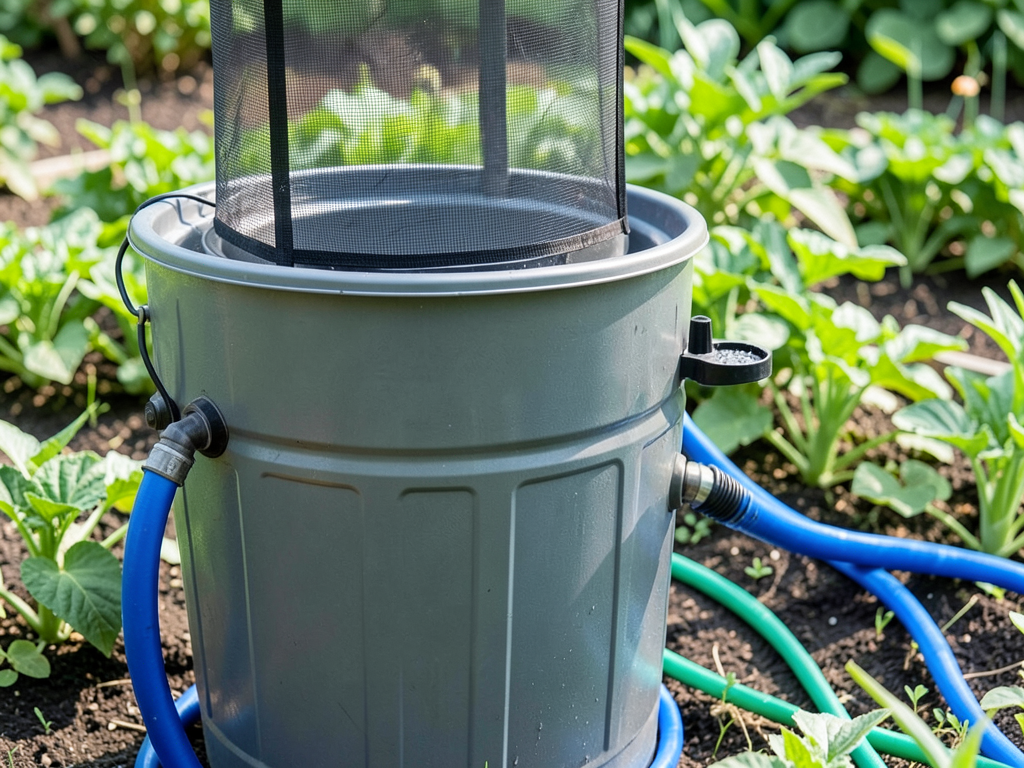
Features to consider include mosquito screens, which are essential in Cincinnati’s humid summers, and overflow valves that direct excess water away from your foundation. Some systems include first-flush diverters that remove roof debris before water enters the barrel.
Installation Process: What to Expect
Professional rain barrel installation follows a systematic process that ensures long-term performance. The first step involves evaluating your roof’s drainage patterns and identifying the best downspout for barrel connection.
Next comes site preparation. Installers level the ground and create a stable base using gravel and pavers. This prevents settling that could cause barrel tipping or pipe separation.
The diverter installation is critical. Professionals cut into your downspout and install a diverter that channels water to the barrel while allowing overflow to continue through the original path. This prevents backups during heavy rains.
Finally, they connect the barrel to your garden with appropriate hoses or install a simple gravity-fed irrigation system. They also demonstrate proper maintenance procedures and explain winterization steps.
Local Regulations and Permits in Hamilton County
Rain barrel installation in Northside typically doesn’t require permits, but there are important regulations to follow. The Hamilton County Building Department requires that any modifications to your home’s drainage system meet local plumbing codes. Hamilton County Building Department.
Key requirements include proper backflow prevention if you connect barrels to your home’s plumbing and ensuring overflow directs water at least 5 feet from your foundation. The MSDGC also requires that harvested rainwater not be used for potable purposes. Who to Call for an Emergency Plumbing Crisis in Downtown Cincinnati.
If you live in a historic district, you may need additional approval for visible modifications to your home’s exterior. The Cincinnati Historic Conservation Board reviews changes to ensure they don’t alter the character of historic properties.
For larger systems over 200 gallons, you should check with the MSDGC about specific requirements. These systems may need additional engineering review to ensure they don’t create drainage problems for neighboring properties.
Maintenance Schedule for Cincinnati Rain Barrels
Proper maintenance keeps your rain barrel system functioning through Cincinnati’s seasons. Spring maintenance involves checking for winter damage, cleaning debris from screens, and testing all connections.
Summer requires monitoring for algae growth and ensuring mosquito screens remain intact. The humid Ohio summers can quickly turn standing water into breeding grounds for insects. Quick Toilet Repair and Installation Services in Montgomery.
Fall preparation is critical in Northside. Remove leaves and debris from screens daily during autumn to prevent clogs. Consider installing leaf guards on your gutters to reduce maintenance.
Winterization must happen before the first hard freeze, typically in late November. This involves draining barrels completely, removing diverters, and storing components where they won’t freeze.
Annual deep cleaning prevents buildup of algae, sediment, and bacteria. Use a solution of one cup bleach per 50 gallons of water, let it sit for 24 hours, then drain and rinse thoroughly.
Connecting Rain Barrels to Your Garden Irrigation
Gravity-fed irrigation works well with rain barrels because they typically sit 18-24 inches off the ground. This height provides enough pressure for soaker hoses and drip irrigation systems.
For vegetable gardens, soaker hoses deliver water directly to plant roots while minimizing evaporation. A 50-gallon barrel can supply a 100-foot soaker hose for about 30 minutes of steady watering.
Drip irrigation systems work well for raised beds and container gardens. They use water more efficiently than sprinklers and can be automated with timers for consistent watering.. Read more about Why Your Hose Bib Leaks Every Time You Turn on the Sprinkler in Blue Ash.
During dry spells, you can supplement rain barrel water with municipal supply. Some systems include a valve that automatically switches to city water when barrels run dry.
Consider your garden’s layout when planning barrel placement. Position barrels uphill from your garden when possible to maximize gravity pressure. If elevation isn’t available, you may need a small pump for adequate pressure.
Foundation Protection: The Hidden Benefit
Many Northside homeowners discover that rain barrels protect more than just their gardens. By capturing roof runoff, these systems prevent water from pooling against foundations where it causes the most damage.
Cincinnati’s clay soil expands when wet and contracts when dry. This cycle puts tremendous pressure on foundation walls. Water against your foundation exacerbates this problem, potentially causing cracks, leaks, and structural damage.
A properly designed rain barrel system includes overflow management that directs excess water at least 10 feet from your foundation. This protects your basement from the moisture problems that plague many older Northside homes.
The protection extends to your garden beds as well. Without rain barrels, water sheets off your roof and creates erosion channels that wash away topsoil and damage plant roots. Captured water releases slowly, allowing better absorption and reducing erosion.
Cost Considerations and ROI
Professional rain barrel installation in Northside typically costs between $300 and $800 for a basic system, depending on barrel quality and installation complexity. This includes evaluation, site preparation, diverter installation, and initial setup.
Higher-end systems with multiple barrels, pumps, and automated irrigation can cost $1,500 to $3,000. While the upfront investment seems significant, the combination of MSDGC credits, water bill savings, and plant health benefits provides strong returns.
Most homeowners see their systems pay for themselves within 3-5 years through utility savings and credits. The environmental benefits, while harder to quantify, include reduced stormwater runoff and decreased demand on municipal water supplies.
Consider the long-term costs as well. Quality systems last 10-15 years with proper maintenance. Cheaper DIY options often fail within 2-3 years, requiring replacement and potentially causing water damage.
Frequently Asked Questions
Do I need a permit to install rain barrels in Northside?
Most residential rain barrel installations don’t require permits in Hamilton County. However, if you’re modifying your home’s drainage system or installing a large capacity system over 200 gallons, you should check with the Hamilton County Building Department.
How many rain barrels do I need for my garden?
A good rule of thumb is 50 gallons of storage for every 100 square feet of garden space. For most Northside vegetable gardens of 200-300 square feet, two to three 50-gallon barrels provide adequate capacity for typical Cincinnati rainfall patterns.
Can I use rain barrel water for my vegetable garden?
Yes, rain barrel water is excellent for vegetable gardens. It’s naturally soft, contains beneficial minerals, and lacks the chlorine and fluoride found in municipal water. However, don’t use it for root crops like carrots or potatoes without proper filtration, as roof debris can contaminate the water.
How do I prevent mosquitoes in my rain barrels?
Always use barrels with secure, screened tops. Check screens monthly for tears. You can also add mosquito dunks containing Bacillus thuringiensis israelensis (Bti), which kills mosquito larvae but is safe for plants and animals.
What happens to my rain barrels in winter?
Cincinnati’s freeze-thaw cycles require winterization. Drain barrels completely before the first hard freeze, remove diverters, and store barrels in a protected location if possible. Some homeowners leave barrels in place with diverters removed and use them for winter drainage management.
Will rain barrels really lower my water bill?
Rain barrels can reduce outdoor water usage by 30-50% during the growing season. For a typical Northside household, this translates to $50-100 in annual savings. Combined with MSDGC stormwater credits, the financial benefits become significant.
How do I connect multiple rain barrels?
Connecting barrels in series allows them to fill evenly. Use food-grade hoses or pipes to link the overflow of one barrel to the intake of the next. This configuration ensures all barrels fill to the same level and provides redundancy if one barrel needs maintenance.
What maintenance do rain barrels require?
Monthly checks of screens and connections, seasonal cleaning, and proper winterization are the main maintenance tasks. Most systems need only 1-2 hours of maintenance annually to function properly for years.
Can rain barrels cause foundation problems?
Improper installation can cause problems, but correctly installed systems prevent foundation issues. Always ensure overflow directs water away from your foundation, and never place barrels where they might block existing drainage paths.
How do I know if my roof is safe for rainwater harvesting?
Most standard roofing materials are safe for garden irrigation. However, roofs with copper flashing or treated wood shingles may leach chemicals. If you’re concerned, have your roof material tested or use harvested water only for ornamental plants.
Ready to Protect Your Northside Garden?
Rain barrels offer Northside gardeners a practical solution to Cincinnati’s challenging weather while providing real financial benefits through MSDGC credits. The combination of foundation protection, plant health improvement, and stormwater management makes them a smart investment for any homeowner.
Professional installation ensures your system works correctly from day one and lasts for years to come. Our team understands Northside’s specific challenges, from clay soil to historic home drainage systems.
Call (513) 717-2899 today to schedule your free rain barrel consultation. We’ll evaluate your property, explain your options, and show you exactly how much you can save on your stormwater fees.
Don’t wait until the next heavy rain floods your garden or threatens your foundation. Pick up the phone and call (513) 717-2899 before the spring storms arrive. Your garden and your wallet will thank you.
- Evaluate Your Property
Assess roof drainage patterns, downspout locations, and garden water needs to determine optimal barrel placement.
- Prepare the Site
Level the ground and create a stable base using gravel and pavers to support the barrel’s weight when full.
- Install the Diverter
Cut into the downspout and install a diverter that channels water to the barrel while allowing overflow to continue through the original path.
- Connect and Test
Attach the barrel, connect to your garden irrigation system, and test the entire setup during a light rain to ensure proper function.
{
“@context”: “https://schema.org”,
“@type”: “BlogPosting”,
“headline”: “The Real Benefits of Installing a Rain Barrel System for Your Northside Garden”,
“description”: “Discover how rain barrels can protect your Northside garden from Cincinnati’s heavy rains while saving money and reducing stormwater runoff. Learn about MSD credits and installation.”,
“wordCount”: 2319,
“datePublished”: “2026-06-03T06:54:00.000Z”,
“dateModified”: “2026-06-03T06:54:00.000Z”,
“inLanguage”: “en-US”,
“mainEntityOfPage”: {
“@type”: “WebPage”,
“@id”: “https://keystoneplumbingcincinnati.com”
},
“publisher”: {
“@type”: “LocalBusiness”,
“name”: “Keystone Plumbing Cincinnati”,
“url”: “https://keystoneplumbingcincinnati.com”
},
“author”: {
“@type”: “Organization”,
“name”: “Keystone Plumbing Cincinnati”,
“url”: “https://keystoneplumbingcincinnati.com”
},
“image”: {
“@type”: “ImageObject”,
“url”: “https://keystoneplumbingcincinnati.com/wp-content/uploads/2026/03/the-real-benefits-of-installing-a-rain-barrel-syst-1.png”
}
}
{
“@context”: “https://schema.org”,
“@type”: “Plumber”,
“name”: “Keystone Plumbing Cincinnati”,
“url”: “https://keystoneplumbingcincinnati.com”,
“address”: {
“@type”: “PostalAddress”,
“addressLocality”: “Cincinnati”
},
“areaServed”: {
“@type”: “City”,
“name”: “Cincinnati”
}
}
{
“@context”: “https://schema.org”,
“@type”: “FAQPage”,
“mainEntity”: [
{
“@type”: “Question”,
“name”: “Do I need a permit to install rain barrels in Northside?”,
“acceptedAnswer”: {
“@type”: “Answer”,
“text”: “Most residential rain barrel installations don’t require permits in Hamilton County. However, if you’re modifying your home’s drainage system or installing a large capacity system over 200 gallons, you should check with the Hamilton County Building Department.”
}
},
{
“@type”: “Question”,
“name”: “How many rain barrels do I need for my garden?”,
“acceptedAnswer”: {
“@type”: “Answer”,
“text”: “A good rule of thumb is 50 gallons of storage for every 100 square feet of garden space. For most Northside vegetable gardens of 200-300 square feet, two to three 50-gallon barrels provide adequate capacity for typical Cincinnati rainfall patterns.”
}
},
{
“@type”: “Question”,
“name”: “Can I use rain barrel water for my vegetable garden?”,
“acceptedAnswer”: {
“@type”: “Answer”,
“text”: “Yes, rain barrel water is excellent for vegetable gardens. It’s naturally soft, contains beneficial minerals, and lacks the chlorine and fluoride found in municipal water. However, don’t use it for root crops like carrots or potatoes without proper filtration, as roof debris can contaminate the water.”
}
},
{
“@type”: “Question”,
“name”: “How do I prevent mosquitoes in my rain barrels?”,
“acceptedAnswer”: {
“@type”: “Answer”,
“text”: “Always use barrels with secure, screened tops. Check screens monthly for tears. You can also add mosquito dunks containing Bacillus thuringiensis israelensis (Bti), which kills mosquito larvae but is safe for plants and animals.”
}
},
{
“@type”: “Question”,
“name”: “What happens to my rain barrels in winter?”,
“acceptedAnswer”: {
“@type”: “Answer”,
“text”: “Cincinnati’s freeze-thaw cycles require winterization. Drain barrels completely before the first hard freeze, remove diverters, and store barrels in a protected location if possible. Some homeowners leave barrels in place with diverters removed and use them for winter drainage management.”
}
},
{
“@type”: “Question”,
“name”: “Will rain barrels really lower my water bill?”,
“acceptedAnswer”: {
“@type”: “Answer”,
“text”: “Rain barrels can reduce outdoor water usage by 30-50% during the growing season. For a typical Northside household, this translates to $50-100 in annual savings. Combined with MSDGC stormwater credits, the financial benefits become significant.”
}
},
{
“@type”: “Question”,
“name”: “How do I connect multiple rain barrels?”,
“acceptedAnswer”: {
“@type”: “Answer”,
“text”: “Connecting barrels in series allows them to fill evenly. Use food-grade hoses or pipes to link the overflow of one barrel to the intake of the next. This configuration ensures all barrels fill to the same level and provides redundancy if one barrel needs maintenance.”
}
},
{
“@type”: “Question”,
“name”: “What maintenance do rain barrels require?”,
“acceptedAnswer”: {
“@type”: “Answer”,
“text”: “Monthly checks of screens and connections, seasonal cleaning, and proper winterization are the main maintenance tasks. Most systems need only 1-2 hours of maintenance annually to function properly for years.”
}
},
{
“@type”: “Question”,
“name”: “Can rain barrels cause foundation problems?”,
“acceptedAnswer”: {
“@type”: “Answer”,
“text”: “Improper installation can cause problems, but correctly installed systems prevent foundation issues. Always ensure overflow directs water away from your foundation, and never place barrels where they might block existing drainage paths.”
}
},
{
“@type”: “Question”,
“name”: “How do I know if my roof is safe for rainwater harvesting?”,
“acceptedAnswer”: {
“@type”: “Answer”,
“text”: “Most standard roofing materials are safe for garden irrigation. However, roofs with copper flashing or treated wood shingles may leach chemicals. If you’re concerned, have your roof material tested or use harvested water only for ornamental plants.”
}
},
{
“@type”: “Question”,
“name”: “Ready to Protect Your Northside Garden?”,
“acceptedAnswer”: {
“@type”: “Answer”,
“text”: “Rain barrels offer Northside gardeners a practical solution to Cincinnati’s challenging weather while providing real financial benefits through MSDGC credits. The combination of foundation protection, plant health improvement, and stormwater management makes them a smart investment for any homeowner.”
}
}
]
}
{
“@context”: “https://schema.org”,
“@type”: “HowTo”,
“name”: “How to Install a Rain Barrel System”,
“step”: [
{
“@type”: “HowToStep”,
“position”: 1,
“name”: “Evaluate Your Property”,
“text”: “Assess roof drainage patterns, downspout locations, and garden water needs to determine optimal barrel placement.”
},
{
“@type”: “HowToStep”,
“position”: 2,
“name”: “Prepare the Site”,
“text”: “Level the ground and create a stable base using gravel and pavers to support the barrel’s weight when full.”
},
{
“@type”: “HowToStep”,
“position”: 3,
“name”: “Install the Diverter”,
“text”: “Cut into the downspout and install a diverter that channels water to the barrel while allowing overflow to continue through the original path.”
},
{
“@type”: “HowToStep”,
“position”: 4,
“name”: “Connect and Test”,
“text”: “Attach the barrel, connect to your garden irrigation system, and test the entire setup during a light rain to ensure proper function.”
}
],
“image”: “https://keystoneplumbingcincinnati.com/wp-content/uploads/2026/03/the-real-benefits-of-installing-a-rain-barrel-syst-1.png”
}
{
“@context”: “https://schema.org”,
“@type”: “BreadcrumbList”,
“itemListElement”: [
{
“@type”: “ListItem”,
“position”: 1,
“name”: “Home”,
“item”: “https://keystoneplumbingcincinnati.com”
},
{
“@type”: “ListItem”,
“position”: 2,
“name”: “Blog”,
“item”: “https://keystoneplumbingcincinnati.com/blog”
},
{
“@type”: “ListItem”,
“position”: 3,
“name”: “The Real Benefits of Installing a Rain Barrel System for Your Northside Garden”
}
]
}
{
“@context”: “https://schema.org”,
“@type”: “Service”,
“serviceType”: “Plumbing”,
“provider”: {
“@type”: “LocalBusiness”,
“name”: “Keystone Plumbing Cincinnati”,
“url”: “https://keystoneplumbingcincinnati.com”
},
“areaServed”: {
“@type”: “City”,
“name”: “Cincinnati”
},
“description”: “Discover how rain barrels can protect your Northside garden from Cincinnati’s heavy rains while saving money and reducing stormwater runoff. Learn about MSD credits and installation.”
}