
Warning Signs Your Delhi Home Needs a New Main Water Line Before It Breaks
Your main water line is the hidden lifeline of your Delhi home. When it fails, you’re not just facing an inconvenience—you’re looking at potential property damage, skyrocketing water bills, and the stress of an emergency repair. Cincinnati’s older neighborhoods, including Delhi, face unique challenges with aging infrastructure and soil conditions that accelerate pipe deterioration. EPA Service Line Replacement Guidelines.
Don’t wait for a geyser in your front yard. Here’s how to spot the warning signs before your main water line breaks completely. Finding the Best Water Heater Replacement for Your West Chester House.
7 Warning Signs Your Delhi Home Needs a New Main Water Line
Delhi’s combination of historic homes and Ohio River Valley weather creates perfect conditions for water line failure. The first step is recognizing the symptoms before they become disasters. No Hot Water Diagnosis.
1. Unexplained Wet Spots in Your Yard
If you notice consistently soggy areas in your yard that never seem to dry out, especially during dry weather, you might have a main line leak. Delhi’s clay-heavy soil doesn’t drain well, so even small leaks can create persistent wet patches that look like you’ve been overwatering. What to Expect During a Main Sewer Line Repair in Loveland.
Diagnostic tip: Walk your property during a dry spell. If one section stays wet while the rest is dry, that’s a red flag. The water often pools near the pipe’s path from the street to your home.
2. Sudden Drop in Water Pressure Throughout Your Home
When your main line develops a crack or break, water escapes before reaching your fixtures. You’ll notice weak flow from all taps, not just one area. This isn’t the same as a clogged aerator—it affects your entire house simultaneously.. Read more about Are Smart Water Leak Detectors Really Worth the Investment for Mount Adams Residents?.
Test it yourself: Turn on an outside spigot and an inside faucet at the same time. If both have noticeably reduced flow compared to normal, your main line might be compromised.
3. Rumbling or Hissing Noises Near the Main Line
A failing main line often makes unusual sounds. You might hear a constant hissing or rushing water sound near where the pipe enters your home or in your basement. These noises indicate water escaping under pressure somewhere along the line.. Read more about What That Loud Banging Noise in Your Kennedy Heights Pipes Actually Means.
What it sounds like: Imagine a garden hose with a tiny hole—that’s the sound of pressurized water escaping through a crack in your main line.
4. Skyrocketing Water Bills Without Increased Usage
One of the most telling signs is a water bill that jumps dramatically without any change in your household habits. Even a small leak in your main line can waste thousands of gallons before you notice visible symptoms.
Quick check: Compare your current bill to the same month last year. A 30% or higher increase without lifestyle changes warrants immediate investigation.
5. Foundation Cracks or Settling
Water from a leaking main line saturates the soil around your foundation. Over time, this causes the ground to shift and your foundation to crack. In Delhi’s older homes, this can lead to serious structural issues if left unaddressed.
What to look for: Stair-step cracks in brick, diagonal cracks in drywall, or doors that suddenly stick or won’t close properly.
6. Discolored Water or Sediment in Your Supply
When your main line corrodes or develops cracks, dirt and sediment can enter your water supply. You might notice rusty or muddy water, especially when you first turn on a tap after the water has been sitting.
Warning: This isn’t just an aesthetic issue—contaminated water can pose health risks, especially in older homes that might have lead service lines.
7. Multiple Plumbing Fixtures Backing Up Simultaneously
If several drains clog at once, or you notice sewage backing up into multiple fixtures, your main line might be compromised. This often indicates a break that’s allowing soil or roots to enter the pipe.
Emergency sign: If you see sewage in your bathtub or basement floor drain, call a plumber immediately. This requires urgent attention.
Why Cincinnati’s Soil and Weather Make Your Delhi Water Line Vulnerable
Delhi’s location in the Ohio River Valley creates specific conditions that accelerate main line failure. Understanding these factors helps you recognize why your home might be at higher risk.
Clay Soil Expansion and Contraction
Delhi sits on dense clay soil that expands when wet and contracts when dry. This constant movement puts tremendous pressure on underground pipes. During Cincinnati’s wet springs and dry summers, clay can expand and contract by several inches.. Read more about How to Vet a Local Cincinnati Plumber Before They Step Into Your Maineville Home.
The physics: Think of clay like a sponge. When it absorbs water, it swells. When it dries, it shrinks. This movement causes pipes to shift, crack, and eventually fail.
Freeze-Thaw Cycles That Crack Pipes
Cincinnati experiences 30-40 freeze-thaw cycles each winter. Water in small cracks expands when it freezes, widening those cracks. The next thaw allows more water in, and the cycle repeats until the pipe fails completely.
Local data: Hamilton County’s average frost depth reaches 30 inches, meaning pipes buried below this level still experience temperature fluctuations that cause expansion and contraction.
Tree Root Intrusion in Older Neighborhoods
Many Delhi homes were built when trees were small. Now, mature tree roots seek out water sources and can penetrate even tiny cracks in main lines. Once inside, roots grow rapidly, blocking flow and causing complete pipe failure.
Common targets: Homes near Delhi Park or along Rapid Run Road often face root intrusion from mature maples and oaks planted decades ago.
Immediate Steps to Take If You Suspect Main Line Failure
If you’re experiencing any of the warning signs above, don’t wait. Here’s what to do immediately to prevent catastrophic damage.
Step 1: Check Your Water Meter
Your water meter has a leak indicator—usually a small triangle or wheel that spins when water flows through the system. With all water fixtures turned off, if this indicator moves, you have a leak somewhere in your system.
How to test: Turn off all water inside and outside your home. Watch the meter for 5 minutes. If the leak indicator moves, water is escaping somewhere.
Step 2: Locate Your Main Shut-Off Valve
Know where your main water shut-off valve is located. In Delhi homes, this is typically in the basement near where the water line enters the house, or in a utility closet.
Practice tip: Test your shut-off valve annually to ensure it works. A stuck valve during an emergency can cost you thousands in water damage.
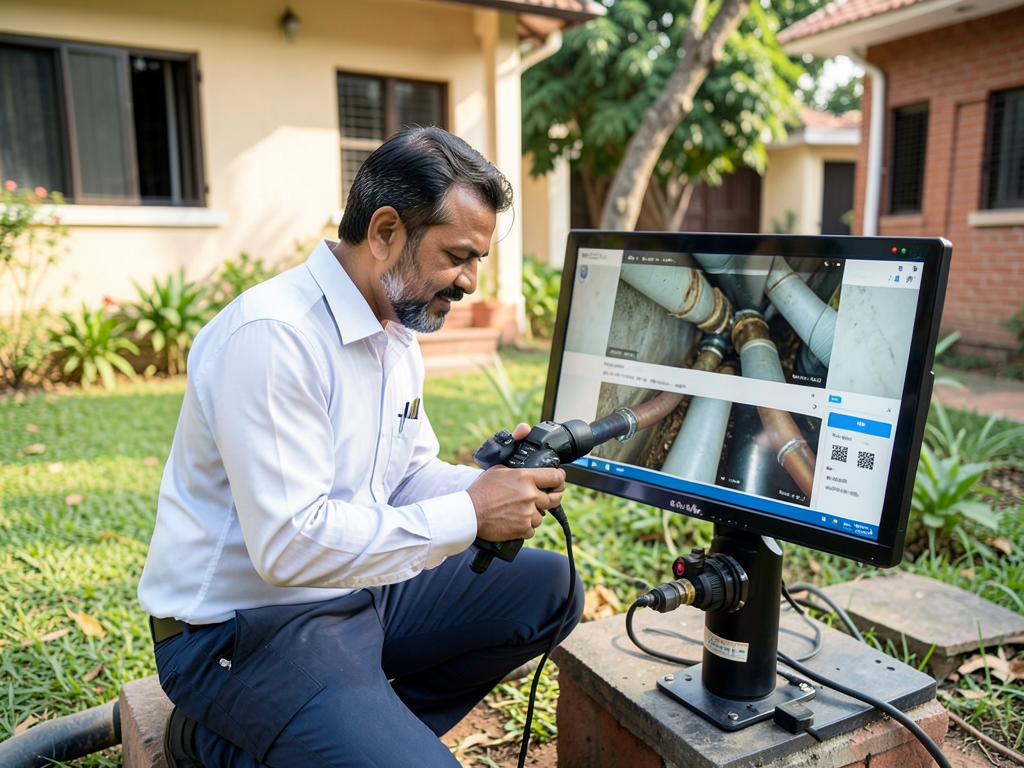
Step 3: Call for Professional Camera Inspection
Don’t guess about your main line’s condition. A professional plumber can use a camera to inspect the entire length of your pipe, identifying cracks, corrosion, and root intrusion before they cause complete failure.
What the camera shows: Real-time video of your pipe’s interior, including exact locations of damage, pipe material condition, and potential problem areas.
Step 4: Document Everything for Insurance
If you do experience a main line failure, having documentation of the warning signs and professional inspections can help with insurance claims. Take photos of wet spots, save water bills showing unusual increases, and keep records of professional assessments.
Pro tip: Most homeowners insurance policies don’t cover main line replacement unless the damage is sudden and accidental. Document everything to support your claim.
Water Line Repair vs. Replacement: What Delhi Homeowners Need to Know
When your main line shows signs of failure, you’ll face a decision: repair the damaged section or replace the entire line. Here’s what affects that choice in Delhi’s specific conditions. Industrial Pipe Repair.
When Repair Makes Sense
Repair might be appropriate if the damage is isolated to one section, your pipe is relatively new (less than 20 years old), and the rest of the line shows no signs of deterioration.
Ideal repair scenarios: A single crack from tree root penetration, damage from recent construction, or a specific joint failure in an otherwise sound pipe.
When Replacement is the Better Investment
Replacement becomes necessary when your pipe is old (40+ years), made of outdated materials like galvanized steel or lead, or shows widespread deterioration throughout its length.
Delhi-specific factor: Many homes in the Rapid Run Road area were built in the 1960s-1970s with galvanized steel pipes that typically last 40-50 years. If your home is in this age range, replacement is often more cost-effective than repeated repairs.
Trenchless vs. Traditional Excavation
Modern trenchless technology can replace your main line with minimal digging. This method is often faster, less disruptive, and can be more cost-effective for Delhi homes with mature landscaping or driveways.. Read more about The Honest Pros and Cons of Trenchless Sewer Lining for Norwood Homeowners.
Trenchless benefits: No damage to sidewalks, driveways, or landscaping. Most jobs completed in one day. Less soil disruption means less chance of future settling issues.
Material Choices for Replacement
Today’s main lines use materials designed to last 50-100 years. The most common options for Delhi homes are copper, PEX, and HDPE. Each has advantages depending on your specific situation.
Quick comparison: Copper resists corrosion but costs more. PEX is flexible and handles freeze-thaw cycles well. HDPE is ideal for trenchless replacement due to its durability and flexibility.
Frequently Asked Questions About Delhi Water Lines
Who is responsible for the main water line in Delhi?
The homeowner is responsible for the entire water line from the curb stop (near the street) to the house. The Greater Cincinnati Water Works maintains the water main in the street and the meter itself, but everything beyond that is your responsibility. Greater Cincinnati Water Works.
Does homeowners insurance cover main water line replacement?
Most standard homeowners policies don’t cover main line replacement due to age or wear. However, they might cover damage if the failure is sudden and accidental, like from a contractor digging or a specific catastrophic event. Check your policy or call your agent to understand your coverage.
How long should a main water line last?
Modern main lines typically last 50-100 years depending on material and conditions. Copper lines often exceed 75 years. Older materials like galvanized steel usually fail around 40-50 years. Delhi’s clay soil and freeze-thaw cycles can reduce these lifespans by 10-15 years.
Can I prevent main line failure?
While you can’t prevent all failures, you can extend your line’s life. Avoid planting trees near the line’s path, have your line inspected every 5-10 years, and address small issues before they become major problems. Consider a water pressure regulator if your pressure is consistently high.
What’s the cost difference between repair and replacement?
Repair costs typically range from $500-$2,000 for a single section. Full replacement runs $2,000-$10,000 depending on length, material, and whether trenchless methods are used. While replacement costs more upfront, it often saves money long-term by preventing repeated repairs.
Don’t Wait Until It’s Too Late
Main water line failure doesn’t wait for a convenient time. When it happens, you’re facing emergency repair costs, potential water damage to your home, and the stress of being without water until the problem is fixed. Who to Call for an Emergency Plumbing Crisis in Downtown Cincinnati.
If you’re experiencing any of the warning signs we’ve discussed, or if your Delhi home is 40+ years old with the original main line, now is the time to act. A simple camera inspection can reveal problems before they cause catastrophic damage.
Call (513) 717-2899 today to schedule your main line inspection. Our experienced technicians understand Delhi’s specific challenges and can recommend the right solution for your home. Don’t wait for a geyser in your yard—be proactive about protecting your home’s most important utility.
Remember, the cost of prevention is always less than the cost of emergency repair. Pick up the phone and call (513) 717-2899 before the next storm hits or the next freeze-thaw cycle damages your aging pipes.
{
“@context”: “https://schema.org”,
“@type”: “BlogPosting”,
“headline”: “Warning Signs Your Delhi Home Needs a New Main Water Line Before It Breaks”,
“description”: “Discover the warning signs of main water line failure in Delhi homes. Learn how Cincinnati’s clay soil and freeze-thaw cycles cause pipe damage. Call (513) 717-2899 for expert inspection.”,
“wordCount”: 1950,
“datePublished”: “2026-03-09T07:45:00.000Z”,
“dateModified”: “2026-03-09T07:45:00.000Z”,
“inLanguage”: “en-US”,
“mainEntityOfPage”: {
“@type”: “WebPage”,
“@id”: “https://keystoneplumbingcincinnati.com”
},
“publisher”: {
“@type”: “LocalBusiness”,
“name”: “Keystone Plumbing Cincinnati”,
“url”: “https://keystoneplumbingcincinnati.com”
},
“author”: {
“@type”: “Organization”,
“name”: “Keystone Plumbing Cincinnati”,
“url”: “https://keystoneplumbingcincinnati.com”
},
“image”: {
“@type”: “ImageObject”,
“url”: “https://keystoneplumbingcincinnati.com/wp-content/uploads/2026/03/warning-signs-your-delhi-home-needs-a-new-main-wat-1.png”
}
}
{
“@context”: “https://schema.org”,
“@type”: “Plumber”,
“name”: “Keystone Plumbing Cincinnati”,
“url”: “https://keystoneplumbingcincinnati.com”,
“address”: {
“@type”: “PostalAddress”,
“addressLocality”: “Cincinnati”
},
“areaServed”: {
“@type”: “City”,
“name”: “Cincinnati”
}
}
{
“@context”: “https://schema.org”,
“@type”: “FAQPage”,
“mainEntity”: [
{
“@type”: “Question”,
“name”: “Who is responsible for the main water line in Delhi?”,
“acceptedAnswer”: {
“@type”: “Answer”,
“text”: “The homeowner is responsible for the entire water line from the curb stop (near the street) to the house. The Greater Cincinnati Water Works maintains the water main in the street and the meter itself, but everything beyond that is your responsibility. Greater Cincinnati Water Works.”
}
},
{
“@type”: “Question”,
“name”: “Does homeowners insurance cover main water line replacement?”,
“acceptedAnswer”: {
“@type”: “Answer”,
“text”: “Most standard homeowners policies don’t cover main line replacement due to age or wear. However, they might cover damage if the failure is sudden and accidental, like from a contractor digging or a specific catastrophic event. Check your policy or call your agent to understand your coverage.”
}
},
{
“@type”: “Question”,
“name”: “How long should a main water line last?”,
“acceptedAnswer”: {
“@type”: “Answer”,
“text”: “Modern main lines typically last 50-100 years depending on material and conditions. Copper lines often exceed 75 years. Older materials like galvanized steel usually fail around 40-50 years. Delhi’s clay soil and freeze-thaw cycles can reduce these lifespans by 10-15 years.”
}
},
{
“@type”: “Question”,
“name”: “Can I prevent main line failure?”,
“acceptedAnswer”: {
“@type”: “Answer”,
“text”: “While you can’t prevent all failures, you can extend your line’s life. Avoid planting trees near the line’s path, have your line inspected every 5-10 years, and address small issues before they become major problems. Consider a water pressure regulator if your pressure is consistently high.”
}
},
{
“@type”: “Question”,
“name”: “What’s the cost difference between repair and replacement?”,
“acceptedAnswer”: {
“@type”: “Answer”,
“text”: “Repair costs typically range from $500-$2,000 for a single section. Full replacement runs $2,000-$10,000 depending on length, material, and whether trenchless methods are used. While replacement costs more upfront, it often saves money long-term by preventing repeated repairs.”
}
}
]
}
{
“@context”: “https://schema.org”,
“@type”: “BreadcrumbList”,
“itemListElement”: [
{
“@type”: “ListItem”,
“position”: 1,
“name”: “Home”,
“item”: “https://keystoneplumbingcincinnati.com”
},
{
“@type”: “ListItem”,
“position”: 2,
“name”: “Blog”,
“item”: “https://keystoneplumbingcincinnati.com/blog”
},
{
“@type”: “ListItem”,
“position”: 3,
“name”: “Warning Signs Your Delhi Home Needs a New Main Water Line Before It Breaks”
}
]
}
{
“@context”: “https://schema.org”,
“@type”: “Service”,
“serviceType”: “Plumbing”,
“provider”: {
“@type”: “LocalBusiness”,
“name”: “Keystone Plumbing Cincinnati”,
“url”: “https://keystoneplumbingcincinnati.com”
},
“areaServed”: {
“@type”: “City”,
“name”: “Cincinnati”
},
“description”: “Discover the warning signs of main water line failure in Delhi homes. Learn how Cincinnati’s clay soil and freeze-thaw cycles cause pipe damage. Call (513) 717-2899 for expert inspection.”
}