
Why Your Basement Drains Backup Every Time It Rains Heavily in Cheviot
Heavy rain turns your basement floor drain into a geyser because Cincinnati’s combined sewer system can’t handle the surge. When stormwater overwhelms aging clay pipes and sump pumps fail, sewage backs up through the lowest point in your home—the basement drain. This isn’t just a mess. It’s a health hazard that can flood your home with contaminated water within minutes of a downpour. Finding the Best Water Heater Replacement for Your West Chester House.
The Ohio River Valley’s clay soil holds water like a sponge, creating hydrostatic pressure that forces groundwater through foundation cracks. Add in Cheviot’s older infrastructure where storm and sanitary sewers share the same pipes, and you have a perfect recipe for basement flooding. Most homeowners don’t realize the problem until they’re ankle-deep in black water, watching their valuables float past.
Time matters. Every minute you wait after seeing water gurgle up from the drain increases structural damage and mold risk. The Metropolitan Sewer District of Greater Cincinnati reports that combined sewer overflows spike during heavy rain events, especially in neighborhoods with pre-1970s construction like Cheviot’s older sections near the railroad corridor. What to Expect During a Main Sewer Line Repair in Loveland.
Before the next storm hits, you need to understand what’s happening under your basement floor and what permanent solutions exist. This guide explains the mechanics of rain-related backups, shows you immediate safety steps, and walks through professional fixes that keep your basement dry year-round.
Immediate Steps: What to Do If Your Basement is Currently Flooding
Safety comes first when sewage water appears. This isn’t clean rainwater. It’s Category 3 black water containing bacteria, viruses, and other pathogens that can cause serious illness within hours of exposure.
Turn off electricity to the basement immediately if water reaches electrical outlets or appliances. Water conducts electricity and creates electrocution risk. If you can’t access the breaker safely, call an electrician or emergency services. Who to Call for an Emergency Plumbing Crisis in Downtown Cincinnati.
Stop using all plumbing fixtures in your home. Flushing toilets, running sinks, or using washing machines adds more water to an already overwhelmed system. Every gallon you send down the drain increases pressure on the backup point. Quick Toilet Repair and Installation Services in Montgomery.
Evacuate the area if water rises above electrical outlets or if you smell strong sewer gas. Methane and hydrogen sulfide can accumulate in enclosed spaces and create explosion or asphyxiation hazards.
Document everything with photos and videos before starting cleanup. Insurance companies require evidence of damage extent and water source. Don’t delete any photos, even if they show the worst of the mess.
Wear protective gear if you must enter the area. Rubber boots, gloves, and eye protection prevent direct contact with contaminated water. Consider a respirator if sewer gas odors are strong.
Start water removal with a wet vacuum if the volume is manageable. For larger floods, professional extraction equipment removes water faster and reduces secondary damage to walls and flooring.
Begin drying immediately using fans and dehumidifiers. Mold can start growing within 24-48 hours in warm, damp conditions. Remove wet materials like carpet, padding, and damaged drywall to prevent mold colonization.
Sanitize all affected surfaces with EPA-registered disinfectants rated for sewage cleanup. Regular household cleaners won’t kill the bacteria and viruses present in black water. EPA Combined Sewer Overflow information.
Call (513) 717-2899 for professional sewage cleanup and water damage restoration. The longer contaminated water sits, the more expensive and hazardous the cleanup becomes.
Common Causes for Rain-Related Backups in Cincinnati
Understanding why your basement floods during rain helps you choose the right permanent solution. The problem isn’t always what you think it is.
Sewer lateral clogs create the most common backup scenario. Your home’s sewer line connects to the municipal system through a lateral pipe that runs from your basement floor to the street. Tree roots, grease buildup, or collapsed sections block water flow, causing sewage to back up through floor drains when pressure increases during storms.
Sump pump failure leaves basements vulnerable when groundwater rises. Cincinnati’s clay soil absorbs water slowly, creating surface pooling that seeps through foundation walls. Without a functioning sump pump to remove this water, hydrostatic pressure forces moisture through floor cracks and around pipe penetrations.
Combined sewer overflows overwhelm the entire system during heavy rain. Cincinnati’s older neighborhoods use combined sewers where stormwater and sanitary waste flow through the same pipes. When rainfall exceeds pipe capacity, the system surcharges and pushes sewage backward into connected homes.
Floor drain trap failure allows sewer gas and water to enter through the drain itself. Floor drains contain water traps that block sewer gas, but these traps can dry out or become damaged. During pressure surges, contaminated water bypasses the trap and enters your basement.
Foundation cracks wider than 1/8 inch admit groundwater under hydrostatic pressure. Clay soil expands when wet, creating lateral pressure against basement walls. Existing cracks widen under this pressure, allowing water infiltration even when the sewer system functions properly.
Improper grading around your home directs water toward the foundation instead of away from it. Soil should slope away from your house at 1 inch per foot for at least 6 feet. Flat or negative slope increases basement water entry risk during heavy rain.
Gutter and downspout problems concentrate roof runoff near your foundation. Clogged gutters overflow, and downspouts dumping water within 5 feet of your foundation increase soil saturation. This concentrated water load overwhelms drainage systems designed for normal rainfall.
The ‘Cincinnati Factor’: Why Our Local Infrastructure Impacts Your Drain
Cincinnati’s unique geography and infrastructure create flooding patterns you won’t find in other cities. The Ohio River Valley’s combination of clay soil, combined sewers, and aging pipes means Cheviot homeowners face specific risks.
Metropolitan Sewer District of Greater Cincinnati (MSD) operates over 3,000 miles of sewer lines, many dating to the early 1900s. These pipes were designed for a smaller population and less intense rainfall patterns. Modern storms dump more water in shorter periods, overwhelming pipes sized for 1920s conditions. MSD of Greater Cincinnati.
MSD’s Project Groundwork addresses these capacity issues through infrastructure upgrades, but work progresses neighborhood by neighborhood. Cheviot’s older sections near the railroad corridor still rely on original combined sewers that surcharge during heavy rain events.
Ohio clay soil’s high water retention creates hydrostatic pressure that forces water through foundation cracks. Unlike sandy soils that drain quickly, clay holds moisture against basement walls for days after rainfall ends. This sustained pressure exploits even hairline foundation cracks.
Freeze-thaw cycles common to Cincinnati accelerate pipe deterioration. Water in small cracks freezes and expands, creating larger cracks each winter. This process weakens both lateral pipes and municipal mains, increasing backup risk during heavy rain.
MSD’s Sewer Backup Program (SBU) provides financial assistance for cleanup and prevention in qualifying homes. The program covers up to $5,000 for cleanup costs and offers grants for backwater valve installation. Cheviot residents in combined sewer areas may qualify based on property age and location.
Local building codes require backwater valves in new construction but not in existing homes. Hamilton County Plumbing Department mandates these devices for any sewer line repair or replacement, creating opportunities to add protection when other work is needed. Industrial Pipe Repair.
Water table levels in Cheviot’s low-lying areas sit 3-5 feet below grade during wet seasons. This shallow water table means groundwater constantly presses against basement foundations, requiring active removal systems like sump pumps even in homes without sewer backup issues.
Diagnostic Tools: How We Find the Root Cause
Professional diagnosis pinpoints the exact cause of basement flooding, preventing wasted money on wrong solutions. We use specific tools and techniques to identify problems before recommending repairs.
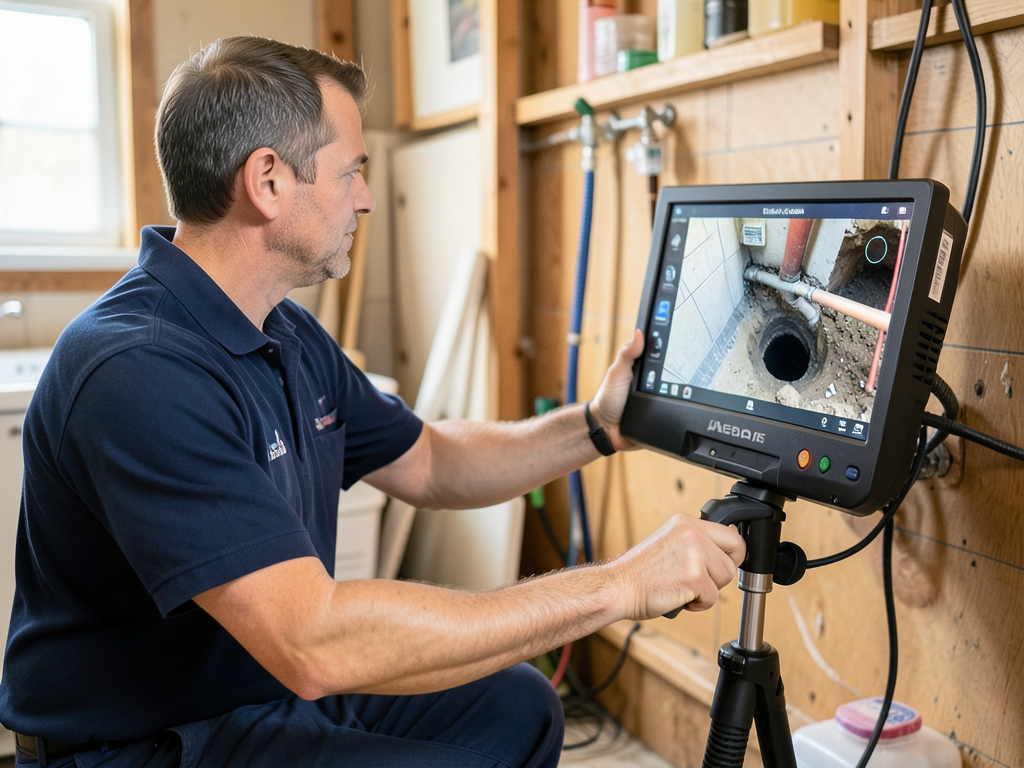
Sewer camera inspection reveals blockages, cracks, and root intrusions in lateral pipes. A waterproof camera on a flexible cable travels through your sewer line, transmitting real-time video to identify problem locations. This technology eliminates guesswork and shows exactly what needs repair.
Hydrostatic pressure testing determines if foundation cracks allow water entry. We seal the basement and introduce measured water pressure to identify leak locations. This test distinguishes between sewer backup and groundwater infiltration, guiding solution selection.
Dye testing traces water sources during rain events. Non-toxic dye introduced into different system components shows where water originates when flooding occurs. This test proves whether water enters through floor drains, foundation cracks, or other pathways.
Manometer readings measure pressure differentials in your plumbing system. These gauges show when and where pressure changes occur during rain events, helping identify surcharge points in the municipal system.
Foundation moisture meters detect water presence in walls and floors without destructive testing. These devices measure moisture content at different depths, showing infiltration patterns and helping locate hidden leaks.
Smoke testing identifies sewer gas leaks and improper connections. Pressurized smoke introduced into the plumbing system escapes through cracks and faulty connections, revealing problems invisible to cameras.
Flow monitoring tracks water movement through your system during rain events. Data loggers record flow rates and pressure changes, creating a complete picture of how your plumbing responds to weather conditions.
Permanent Solutions for a Dry Basement
Once we identify the cause, several proven solutions keep basements dry regardless of rainfall intensity. The right solution depends on your specific problem and budget.
Backwater valve installation prevents sewage from backing up through floor drains. This one-way valve allows water to flow out but closes automatically when pressure reverses, blocking sewage entry. Installation requires cutting the main sewer line and can cost $2,000-$4,000 depending on accessibility.
Sump pump upgrades handle increased groundwater loads. Modern pumps with battery backup operate during power outages when storms are most likely. High-capacity pumps with dual float switches prevent failure when water volume exceeds original design specifications.
French drain systems intercept groundwater before it reaches your basement. Perforated pipes surrounded by gravel collect water and direct it to sump pumps or storm sewers. Interior French drains installed along basement walls capture water seeping through foundation walls.
Foundation crack repair using epoxy injection seals existing cracks and prevents new ones. This process involves injecting structural epoxy into cracks under pressure, creating a water-tight seal that restores structural integrity.
Exterior waterproofing membranes prevent water from reaching foundation walls. These rubberized coatings applied to exterior foundation walls block water infiltration. Installation requires excavation around your home’s perimeter but provides permanent protection.
Grading improvements direct surface water away from your foundation. Adding soil to create proper slope and extending downspouts away from your home reduces water load on basement walls.
Rainwater harvesting systems capture roof runoff before it reaches the ground. Large cisterns store rainwater for garden use, reducing storm sewer load and foundation water pressure.
Sewer lateral replacement eliminates recurring clogs and collapses. New PVC pipes resist root intrusion and provide smooth interiors that prevent debris accumulation. This solution addresses chronic backup problems in older homes.

Cost and Insurance: Who Pays for the Cleanup?
Understanding costs and insurance coverage prevents financial surprises after basement flooding. Several factors affect what you’ll pay out of pocket.
Sewer backup cleanup costs range from $500 for minor incidents to $10,000+ for major floods affecting multiple rooms. Professional cleanup includes water extraction, sanitization, and drying equipment rental. Most companies charge $3-$5 per square foot for sewage cleanup.
Backwater valve installation costs $2,000-$4,000 including permit fees and plumbing work. This preventive measure often qualifies for MSD grants or insurance discounts, reducing net cost.
Sump pump replacement ranges from $600-$1,500 depending on pump capacity and installation complexity. Battery backup systems add $300-$500 but provide crucial protection during storms when power outages are most likely.
Foundation waterproofing costs $5,000-$15,000 for exterior excavation and membrane application. Interior solutions like French drains cost $2,000-$8,000 but may not address all water sources.
Standard homeowners insurance excludes sewer backup damage. You need a specific sewer backup endorsement, typically costing $50-$100 annually for $5,000-$10,000 coverage. Without this endorsement, you pay all cleanup and repair costs yourself.
MSD’s Sewer Backup Program may cover cleanup costs for qualifying residents. The program requires proof of damage and documentation that the backup originated from the municipal system rather than private plumbing issues.
Federal disaster assistance may provide grants or low-interest loans if flooding affects multiple properties and receives official disaster declaration. These programs have strict eligibility requirements and lengthy application processes.
Preventative maintenance costs $200-$500 annually for sump pump service, backwater valve testing, and plumbing inspections. This investment prevents costly emergency repairs and reduces insurance premiums.
DIY cleanup saves money but risks incomplete sanitization and future mold problems. Professional cleanup includes moisture testing and guarantees sanitation, preventing health issues and structural damage.
Call (513) 717-2899 for a free assessment and written estimate. We’ll identify the exact cause of your flooding and recommend cost-effective solutions that prevent future problems.
Frequently Asked Questions
How can I tell if my basement is flooding from sewer backup or groundwater?
Sewer backup typically brings foul odors and contaminated water that looks dark or has visible debris. Groundwater infiltration is usually clearer but may carry silt or mud. A professional dye test can definitively identify the water source.
Will a sump pump prevent all basement flooding?
Sump pumps handle groundwater but can’t stop sewage backup through floor drains. You need both a sump pump for groundwater and a backwater valve to prevent sewer backup for complete protection.
How long do I have to clean up sewage water before mold grows?
Mold can start growing within 24-48 hours in warm, damp conditions. Begin cleanup immediately and continue drying for several days after visible water removal to prevent mold colonization.
Can I install a backwater valve myself?
Backwater valve installation requires cutting the main sewer line and may need permits. Improper installation can cause worse problems. Professional installation ensures proper function and code compliance.
Does homeowners insurance cover basement flooding from heavy rain?
Standard policies exclude surface water and sewer backup. You need specific endorsements for these coverages. Review your policy or call your agent to confirm what’s covered.
How often should I test my sump pump?
Test your sump pump every three months by pouring water into the pit until the pump activates. Check battery backup monthly if you have one. Professional inspection annually ensures reliable operation.
What’s the difference between a floor drain and a foundation drain?
Floor drains connect to your home’s plumbing system and can back up with sewage. Foundation drains (French drains) are exterior systems that collect groundwater and direct it away from your foundation.
Should I be concerned about bacteria in flood water?
Yes. Sewage water contains harmful bacteria, viruses, and parasites that can cause serious illness. Always wear protective gear and consider professional cleanup for any sewage backup, no matter how minor it appears.
How do I know if I qualify for MSD’s Sewer Backup Program?
MSD eligibility depends on property age, location in combined sewer areas, and documentation of damage. Contact MSD directly or ask your plumber to help determine if you qualify for assistance.
What’s the most cost-effective way to prevent basement flooding?
Start with a backwater valve if you experience sewer backup. Add a quality sump pump with battery backup for groundwater protection. Address grading and gutter issues as budget allows. Professional assessment helps prioritize solutions.
Take Action Before the Next Storm
Every heavy rain brings another chance for your basement to flood. The question isn’t if it will happen again, but when. Standing water damages floors, walls, and stored items while creating perfect conditions for toxic mold growth.
Professional diagnosis identifies the exact cause of your flooding, whether it’s a clogged lateral pipe, failing sump pump, or overwhelmed municipal system. We use camera inspections, pressure testing, and flow monitoring to pinpoint problems before recommending solutions.
Backwater valves, sump pump upgrades, and foundation repairs provide permanent protection against rain-related flooding. These solutions cost less than repeated cleanup and prevent the stress of watching water rise during every storm.
Don’t wait until water fills your basement again. Call (513) 717-2899 today to schedule your inspection. We’ll show you exactly what’s causing your flooding and recommend proven solutions that keep your basement dry year-round. The next storm is coming. Be ready for it.
Pick up the phone and call (513) 717-2899 before the next storm hits. Basement flooding isn’t just an inconvenience—it’s a health hazard that gets more expensive every hour you wait. Let our local experts protect your home with solutions that work in Cincinnati’s unique conditions.
{
“@context”: “https://schema.org”,
“@type”: “BlogPosting”,
“headline”: “Why Your Basement Drains Backup Every Time It Rains Heavily in Cheviot”,
“description”: “Heavy rain floods Cheviot basements due to combined sewers and old clay pipes. Learn why backups happen and how to fix them before the next storm.”,
“wordCount”: 2742,
“datePublished”: “2026-05-26T11:42:00.000Z”,
“dateModified”: “2026-05-26T11:42:00.000Z”,
“inLanguage”: “en-US”,
“mainEntityOfPage”: {
“@type”: “WebPage”,
“@id”: “https://keystoneplumbingcincinnati.com”
},
“publisher”: {
“@type”: “LocalBusiness”,
“name”: “Keystone Plumbing Cincinnati”,
“url”: “https://keystoneplumbingcincinnati.com”
},
“author”: {
“@type”: “Organization”,
“name”: “Keystone Plumbing Cincinnati”,
“url”: “https://keystoneplumbingcincinnati.com”
},
“image”: {
“@type”: “ImageObject”,
“url”: “https://keystoneplumbingcincinnati.com/wp-content/uploads/2026/03/why-your-basement-drains-backup-every-time-it-rain-1.png”
}
}
{
“@context”: “https://schema.org”,
“@type”: “Plumber”,
“name”: “Keystone Plumbing Cincinnati”,
“url”: “https://keystoneplumbingcincinnati.com”,
“address”: {
“@type”: “PostalAddress”,
“addressLocality”: “Cincinnati”
},
“areaServed”: {
“@type”: “City”,
“name”: “Cincinnati”
}
}
{
“@context”: “https://schema.org”,
“@type”: “FAQPage”,
“mainEntity”: [
{
“@type”: “Question”,
“name”: “Cost and Insurance: Who Pays for the Cleanup?”,
“acceptedAnswer”: {
“@type”: “Answer”,
“text”: “Understanding costs and insurance coverage prevents financial surprises after basement flooding. Several factors affect what you’ll pay out of pocket.”
}
},
{
“@type”: “Question”,
“name”: “How can I tell if my basement is flooding from sewer backup or groundwater?”,
“acceptedAnswer”: {
“@type”: “Answer”,
“text”: “Sewer backup typically brings foul odors and contaminated water that looks dark or has visible debris. Groundwater infiltration is usually clearer but may carry silt or mud. A professional dye test can definitively identify the water source.”
}
},
{
“@type”: “Question”,
“name”: “Will a sump pump prevent all basement flooding?”,
“acceptedAnswer”: {
“@type”: “Answer”,
“text”: “Sump pumps handle groundwater but can’t stop sewage backup through floor drains. You need both a sump pump for groundwater and a backwater valve to prevent sewer backup for complete protection.”
}
},
{
“@type”: “Question”,
“name”: “How long do I have to clean up sewage water before mold grows?”,
“acceptedAnswer”: {
“@type”: “Answer”,
“text”: “Mold can start growing within 24-48 hours in warm, damp conditions. Begin cleanup immediately and continue drying for several days after visible water removal to prevent mold colonization.”
}
},
{
“@type”: “Question”,
“name”: “Can I install a backwater valve myself?”,
“acceptedAnswer”: {
“@type”: “Answer”,
“text”: “Backwater valve installation requires cutting the main sewer line and may need permits. Improper installation can cause worse problems. Professional installation ensures proper function and code compliance.”
}
},
{
“@type”: “Question”,
“name”: “Does homeowners insurance cover basement flooding from heavy rain?”,
“acceptedAnswer”: {
“@type”: “Answer”,
“text”: “Standard policies exclude surface water and sewer backup. You need specific endorsements for these coverages. Review your policy or call your agent to confirm what’s covered.”
}
},
{
“@type”: “Question”,
“name”: “How often should I test my sump pump?”,
“acceptedAnswer”: {
“@type”: “Answer”,
“text”: “Test your sump pump every three months by pouring water into the pit until the pump activates. Check battery backup monthly if you have one. Professional inspection annually ensures reliable operation.”
}
},
{
“@type”: “Question”,
“name”: “What’s the difference between a floor drain and a foundation drain?”,
“acceptedAnswer”: {
“@type”: “Answer”,
“text”: “Floor drains connect to your home’s plumbing system and can back up with sewage. Foundation drains (French drains) are exterior systems that collect groundwater and direct it away from your foundation.”
}
},
{
“@type”: “Question”,
“name”: “Should I be concerned about bacteria in flood water?”,
“acceptedAnswer”: {
“@type”: “Answer”,
“text”: “Yes. Sewage water contains harmful bacteria, viruses, and parasites that can cause serious illness. Always wear protective gear and consider professional cleanup for any sewage backup, no matter how minor it appears.”
}
},
{
“@type”: “Question”,
“name”: “How do I know if I qualify for MSD’s Sewer Backup Program?”,
“acceptedAnswer”: {
“@type”: “Answer”,
“text”: “MSD eligibility depends on property age, location in combined sewer areas, and documentation of damage. Contact MSD directly or ask your plumber to help determine if you qualify for assistance.”
}
},
{
“@type”: “Question”,
“name”: “What’s the most cost-effective way to prevent basement flooding?”,
“acceptedAnswer”: {
“@type”: “Answer”,
“text”: “Start with a backwater valve if you experience sewer backup. Add a quality sump pump with battery backup for groundwater protection. Address grading and gutter issues as budget allows. Professional assessment helps prioritize solutions.”
}
}
]
}
{
“@context”: “https://schema.org”,
“@type”: “BreadcrumbList”,
“itemListElement”: [
{
“@type”: “ListItem”,
“position”: 1,
“name”: “Home”,
“item”: “https://keystoneplumbingcincinnati.com”
},
{
“@type”: “ListItem”,
“position”: 2,
“name”: “Blog”,
“item”: “https://keystoneplumbingcincinnati.com/blog”
},
{
“@type”: “ListItem”,
“position”: 3,
“name”: “Why Your Basement Drains Backup Every Time It Rains Heavily in Cheviot”
}
]
}
{
“@context”: “https://schema.org”,
“@type”: “Service”,
“serviceType”: “Plumbing”,
“provider”: {
“@type”: “LocalBusiness”,
“name”: “Keystone Plumbing Cincinnati”,
“url”: “https://keystoneplumbingcincinnati.com”
},
“areaServed”: {
“@type”: “City”,
“name”: “Cincinnati”
},
“description”: “Heavy rain floods Cheviot basements due to combined sewers and old clay pipes. Learn why backups happen and how to fix them before the next storm.”
}