Menu

Gas Line Repair & Installation in Cincinnati | Complete Residential & Commercial Natural Gas Solutions

From precise gas pipe repair and full-system gas piping installation to emergency gas leak repair, we handle every aspect of natural gas service for homes and businesses across Greater Cincinnati with code-compliant workmanship.

Slider Image 1
Slider Image 2
Slider Image 3
Slider Image 4
Slider Image 5
Slider Image 7
Slider Image 8
Slider Image 9
Slider Image 10
Slider Image 11

Why Cincinnati Properties Need Expert Gas Line Service

Cincinnati's freeze-thaw cycles put stress on underground gas piping that most homeowners never see until they smell sulfur near the foundation or their gas bill doubles overnight. The clay-heavy soil throughout Hamilton County shifts with seasonal moisture changes, creating pressure points on buried gas lines that can crack joints or separate fittings over time. Older neighborhoods like Mount Adams and Clifton still have aging black iron pipe installations from the 1950s that corrode from the inside out, creating invisible weak points in your gas distribution system.

Natural gas powers your furnace, water heater, stove, and dryer. When a gas line replacement becomes necessary due to code violations or corrosion, you cannot delay. A small leak wastes money. A large leak creates a life-threatening situation. Cincinnati building code requires specific materials and installation techniques for gas piping installation that differ from surrounding counties, especially for commercial properties in downtown or Over-the-Rhine where historic building modifications require additional permits and inspection protocols.

We see gas leak repair calls spike during spring and fall when temperature swings cause soil movement. Properties near the Mill Creek or Little Miami River face additional challenges from high water tables that accelerate corrosion on older gas pipe systems. Whether you need a section of corroded pipe replaced or a complete gas line installation for a kitchen remodel, the work must meet Cincinnati Fire Department standards and pass inspection the first time.

Why Cincinnati Properties Need Expert Gas Line Service
How We Approach Gas Piping Installation and Repair

How We Approach Gas Piping Installation and Repair

We do not guess on gas work. Every gas line repair starts with pressure testing the entire system to isolate the problem zone. We use electronic gas detectors calibrated to parts-per-million sensitivity, not just soap bubbles. This identifies leaks at threaded connections, corroded pipe sections, and failed regulators before we cut into anything. For gas piping installation projects, we calculate BTU load requirements based on your actual appliance demand, then size the pipe diameter correctly so your furnace and water heater receive adequate supply even during peak winter usage.

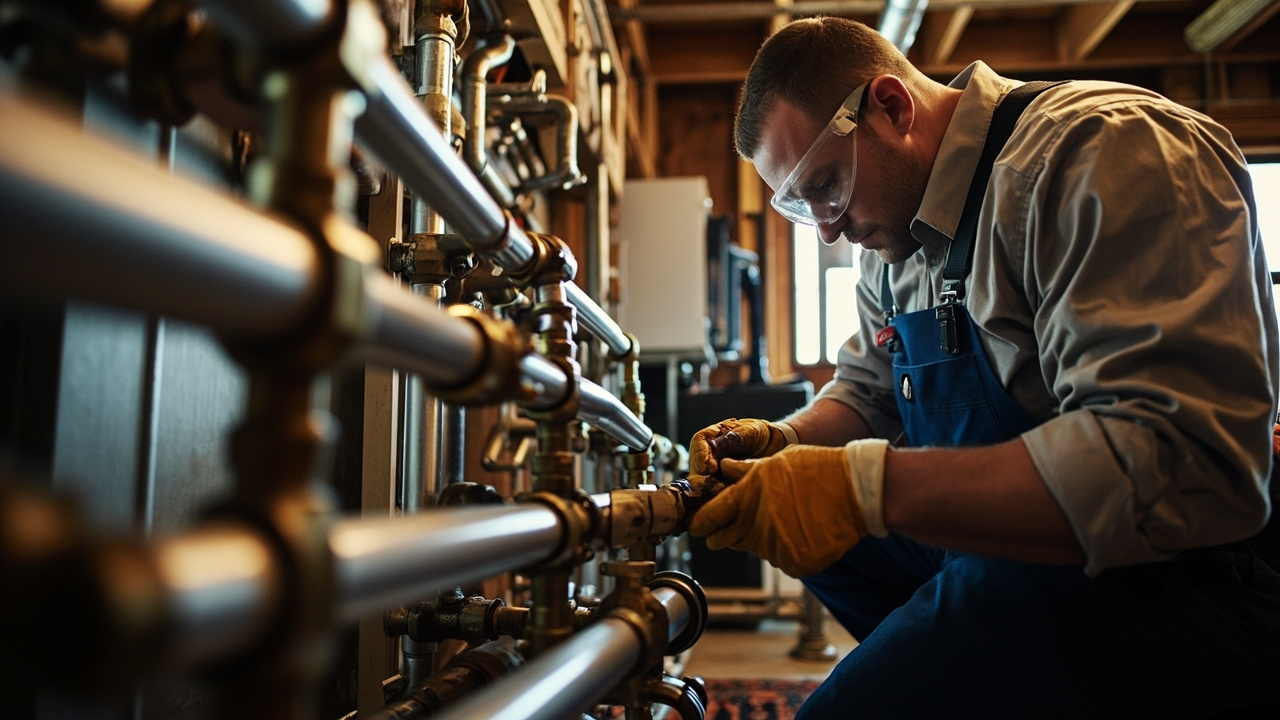
We install CSST flexible gas line only where appropriate and always bond it to the electrical system per National Fuel Gas Code to prevent lightning-induced arcing. For exposed installations in basements or crawl spaces, we use black steel pipe with malleable iron fittings and apply pipe dope rated for natural gas, not generic thread sealant that can degrade. Every joint gets torqued to specification. We install sediment traps at each appliance drop and use full-port ball valves for shutoffs, not cheap gate valves that fail when you need them most.

Gas line replacement in older Cincinnati homes often means navigating floor joists, ductwork, and existing plumbing in tight quarters. We map the routing before we start, minimizing wall penetrations and maintaining proper support spacing. After installation, we pressure test at 15 psi for 30 minutes minimum and perform a final leak check at operating pressure with the meter running. No shortcuts. We pull permits for every job that requires one and coordinate inspections so your project stays on schedule.

What Happens During Your Gas Line Service

Gas Line Repair & Installation in Cincinnati | Complete Residential & Commercial Natural Gas Solutions
01

System Assessment and Detection

We arrive with professional gas detection equipment and test your entire system from the meter to each appliance connection. This includes checking regulator operation, inspecting visible pipe for corrosion or damage, and using electronic sniffers to detect even minor leaks at fittings. You receive a written assessment identifying any code violations, safety hazards, or efficiency issues before we propose solutions.
02

Precision Repair or Installation

For gas pipe repair, we isolate the damaged section, maintain proper venting during work, and replace only what needs replacing using code-compliant materials. For new gas piping installation, we route lines efficiently through existing structures, drill penetrations correctly sized and sealed, support pipe at code intervals, and install proper shutoff valves and drip legs at each appliance location.
03

Testing and Final Inspection

Every connection gets pressure tested before we restore gas service. We perform a final leak check with the system energized, verify proper appliance operation, and walk you through the new installation or repair. For permitted work, we coordinate the required city inspection and provide documentation for your records. You receive clear instructions on shutoff valve locations and emergency procedures.

Why Cincinnati Trusts Us for Gas Line Work

Gas work is not forgiving. You cannot see natural gas, and a mistake creates catastrophic risk. We built our reputation in Cincinnati on doing gas line repair and gas piping installation correctly the first time because there is no acceptable margin for error. Our plumbers know the difference between Cincinnati's municipal code requirements and the state baseline standards. We understand that properties in historic districts like Walnut Hills or Hyde Park have additional restrictions on exterior modifications and routing changes that affect how we design gas line replacement projects.

We maintain relationships with Duke Energy for coordinated shutoffs when needed and know the inspection protocols for Hamilton County, Campbell County, and Kenton County since we work throughout the metro. When you call us for a gas leak repair, we respond fast because we know the stakes. We carry the materials needed for most repairs on our trucks so we can complete the work in one visit rather than scheduling a return trip while your gas stays shut off.

Commercial clients choose us because we understand the liability you face. A restaurant cannot operate without gas to the kitchen. A manufacturing facility cannot afford downtime waiting for a gas line plumber who does not know how to size distribution systems for industrial equipment. We work around your schedule, pull permits efficiently, and coordinate with your insurance carrier when documentation is required. Our work passes inspection because we know what inspectors look for and we build it right from the start.

You will not get upsold on unnecessary gas line replacement. If a section can be repaired safely, we repair it. When replacement is the right answer, we explain why and show you the failed component.

What You Can Expect From Our Gas Line Service

Fast Response for Gas Emergencies

If you smell gas or your detector activates, we treat it as priority response. Our plumbers carry detection equipment and have the materials to perform emergency gas leak repair on the spot in most cases. For non-emergency gas piping installation or planned gas line replacement projects, we schedule at your convenience and provide accurate time windows. Most residential gas pipe repair jobs are completed in a single visit. Larger gas line installations may require a day or two depending on complexity and whether walls need to be opened for access.

Thorough System Evaluation

We do not just fix the immediate problem and leave. During any gas line service call, we evaluate your entire system for code compliance, safety hazards, and potential failure points. You receive honest feedback about the condition of your gas piping and realistic timelines for any repairs or upgrades you should consider. Our assessment includes checking regulator function, inspecting appliance connections for proper installation, and testing for leaks at every joint we can access. This prevents you from experiencing repeat failures a month after we leave.

Code-Compliant Installation Quality

Whether we are repairing a small section of corroded pipe or installing a complete gas line system for a new construction project, you receive work that meets Cincinnati building code and National Fuel Gas Code standards. We use proper materials for each application, size pipe correctly for your BTU load, install required safety devices, and test everything before we restore service. Permitted work gets inspected and signed off. You receive documentation showing your gas system is safe and compliant, which matters for insurance and resale value.

Ongoing Safety and Maintenance Guidance

After we complete gas piping installation or gas line replacement, we walk you through the new system. You learn where shutoff valves are located, how to operate them in an emergency, and what signs indicate potential problems developing. We explain maintenance intervals for components like regulators and recommend inspection schedules based on your system age and configuration. For commercial properties with complex gas distribution systems, we can establish preventive maintenance agreements that include annual testing and inspection to catch small issues before they become expensive problems.

Frequently Asked Questions

You Have Questions,
We Have Answers

How much does it cost to have a gas line repaired? +

Gas line repair costs depend on the location and severity of the leak. Simple fitting replacements or accessible above-ground repairs typically run less than underground or behind-wall repairs. Factors include line material (black iron, CSST, copper), accessibility, and whether excavation is needed. Cincinnati homes with older black iron piping or foundation settling may require more extensive work. Emergency repairs outside normal hours add to the cost. A licensed plumber will pressure-test the system after repairs to ensure safety. Get a detailed estimate before work begins, and verify the plumber carries proper gas line certification.

What is the cost of a gas line installation? +

Gas line installation costs vary based on distance, line size, and appliance requirements. Running a line from your meter to a single appliance costs less than whole-home installations. Cincinnati homes with basements or crawl spaces offer easier routing than slab foundations. Line material matters—black iron pipe is durable but labor-intensive, while CSST flexible tubing installs faster. Outdoor kitchen or pool heater installations require trenching and protective conduit. Permit fees and inspections add to the total. The plumber must size the line correctly for BTU demand and follow local code for proper pressure and venting.

Do plumbers or HVAC run gas lines? +

Licensed plumbers typically run gas lines, though some HVAC technicians hold gas fitting certifications. In Cincinnati, gas line work requires specific licensing beyond standard plumbing credentials. Plumbers handle the pipe installation, pressure testing, and connections to appliances. HVAC contractors may connect their installed equipment to existing gas lines if properly licensed. For new installations or repairs, verify the contractor holds a valid gas fitting license and pulls required permits. The work involves understanding pressure calculations, proper venting, and combustion air requirements. Always choose a contractor with documented gas line experience and local code knowledge.

How much does it cost to repair a gas leak and fitting? +

Gas leak and fitting repair costs depend on leak location and urgency. Simple exposed fitting replacements are straightforward, while hidden leaks behind walls or underground require detection equipment and access work. Cincinnati homes with clay soil may experience pipe shifting and joint stress over time. Emergency leak calls command premium rates because of safety risks and after-hours response. The plumber will shut off gas, locate the leak using electronic detectors or soap solution, replace damaged fittings or pipe sections, and pressure-test the system. Never delay leak repairs—natural gas is combustible and presents serious hazards to your household.

Does a plumber fix a gas line? +

Yes, licensed plumbers fix gas lines when they hold proper gas fitting credentials. Not all plumbers are gas-certified, so verify licensing before hiring. Gas line work requires specialized knowledge of pressure systems, proper pipe materials, joining methods, and code compliance. Cincinnati plumbers who work on gas systems understand local inspection requirements and permit processes. They handle leak detection, pipe replacement, fitting repairs, and pressure testing. The plumber will shut off your gas supply, make repairs, test for leaks using approved methods, and restore service safely. Always confirm the plumber carries liability insurance covering gas work.

How long does it take to repair a gas line? +

Simple gas line repairs take two to four hours for accessible leaks or fitting replacements. Complex repairs involving wall removal, underground excavation, or extensive pipe replacement can take a full day or longer. Cincinnati homes with finished basements or mature landscaping may require additional access time. Emergency leak repairs happen faster because safety is the priority—the plumber will secure the immediate hazard, then schedule follow-up work if needed. After repairs, the system must be pressure-tested and inspected before restoring gas service. Timeline depends on parts availability, permit requirements, and whether multiple appliances need reconnection.

How much would a plumber charge to change a pipe? +

Plumbers charge based on pipe location, material, length, and complexity. Simple exposed pipe replacements cost less than behind-wall or underground runs. Gas piping requires specialized materials and joining methods—black iron pipe needs threading, CSST needs proper bonding, and copper requires brazing or flare fittings. Cincinnati code may require specific materials or installation methods. Emergency calls and after-hours work increase rates. The plumber must account for permits, pressure testing, and inspection time. Replacing corroded or undersized gas piping improves safety and efficiency. Get written estimates detailing materials, labor, permits, and testing before authorizing work.

Can I install a gas line myself? +

No. Gas line installation requires licensed professionals in Cincinnati. Natural gas is highly combustible, and improper installation creates explosion and carbon monoxide risks. Gas work involves pressure calculations, proper pipe sizing, approved materials, correct joining methods, leak testing, and code compliance. Homeowners cannot pull gas permits or perform final inspections. Even minor mistakes—like improper thread compound, inadequate bonding, or undersized piping—create deadly hazards. Insurance claims from DIY gas work are typically denied. Hire a licensed plumber with gas fitting credentials who understands local code, pulls permits, and guarantees the work passes inspection. Your family's safety is worth professional installation.

How long does it take to install a gas line? +

Gas line installation takes four to eight hours for single appliance connections, while whole-home installations require one to three days. Timeline depends on distance, accessibility, and pipe routing complexity. Cincinnati basements allow easier runs than slab foundations or crawl spaces. Outdoor installations require trenching and weather-appropriate scheduling. The plumber must route pipe, secure it properly, make connections, pressure-test the system, and schedule inspection. Multi-appliance installations take longer because each connection needs individual sizing and testing. Permit approval and inspector availability affect the schedule. Plan for possible delays if the inspector requires corrections before final approval.

Do electricians do gas lines? +

No. Electricians install electrical systems, not gas lines. Gas line work requires plumbing credentials and specialized gas fitting certification in Cincinnati. The trades require different skill sets—electricians understand voltage and circuits, while gas fitters understand pressure, combustion air, and fuel characteristics. Some contractors hold multiple licenses, but verify gas-specific credentials before hiring. Gas line installation involves pipe threading or brazing, pressure calculations, leak testing, and combustion appliance venting—none of which are electrical trades. Always hire a licensed plumber with documented gas fitting experience. Mixing trades creates liability issues and code violations that jeopardize safety and insurance coverage.

How Cincinnati's Soil and Climate Affect Underground Gas Lines

The clay soil throughout Hamilton County expands when wet and contracts during dry periods, creating constant movement around buried gas lines. This cycle stresses joints and fittings on underground gas pipe installations, especially where lines transition from buried to exposed at the foundation wall. Older properties in neighborhoods like Northside and Westwood often have original black iron gas piping that has corroded at the soil line where moisture and oxygen meet. The freeze-thaw pattern from November through March adds another stress factor as ground frost penetrates 18 to 24 inches deep, shifting soil and putting lateral pressure on rigid pipe sections that were never designed to flex.

Cincinnati building code has specific requirements for gas line installation depth, materials, and protection methods that reflect these local soil conditions. We know these standards because we work under them every day. Our familiarity with Duke Energy's service procedures means we can coordinate meter work efficiently and understand their requirements for pressure regulation at the point of delivery. When we perform gas leak repair or gas line replacement on your property, we are not learning on your job. We know which inspectors cover which parts of the city and what they prioritize during final inspection. That local knowledge keeps your project moving forward without delays or failed inspections.
Plumbing Services in The Cincinnati Area

We are proud to serve the entire area, providing exceptional plumbing services to our community. Our service area covers all of the city and its surrounding neighborhoods. Use the map to see our location and get directions, or simply give us a call to schedule a service. Our team is always ready to travel to your location to address your plumbing needs quickly and efficiently, ensuring you receive the prompt service you deserve.

Address:
Keystone Plumbing Cincinnati, 71 E Hollister St, Cincinnati, OH, 45219

Additional Services We Offer

Our news updates

Latest Articles & News from The Blogs

Why a Whole House Repiping Project in St. Bernard is a Smart Investment If you own a home in St.…

Why a Whole House Repiping Project in St. Bernard is a Smart Investment

Why a Whole House Repiping Project in St. Bernard is a Smart Investment If you own a home in St.…

Do You Know Exactly Where the Main Water Shut-Off Valve is in Your Silverton Home?

Do You Know Exactly Where the Main Water Shut-Off Valve is in Your Silverton Home? A burst pipe can dump…

Protecting the Exposed Plumbing in Your Madisonville Crawl Space From Rodents and Cold

Protecting the Exposed Plumbing in Your Madisonville Crawl Space From Rodents and Cold \n\n Exposed pipes in Madisonville crawl spaces…

Contact Us

Do not risk your safety or waste money on inefficient gas systems. Call Keystone Plumbing Cincinnati at (513) 717-2899 for professional gas line repair, installation, or emergency leak service. We respond quickly, work cleanly, and build it right the first time.