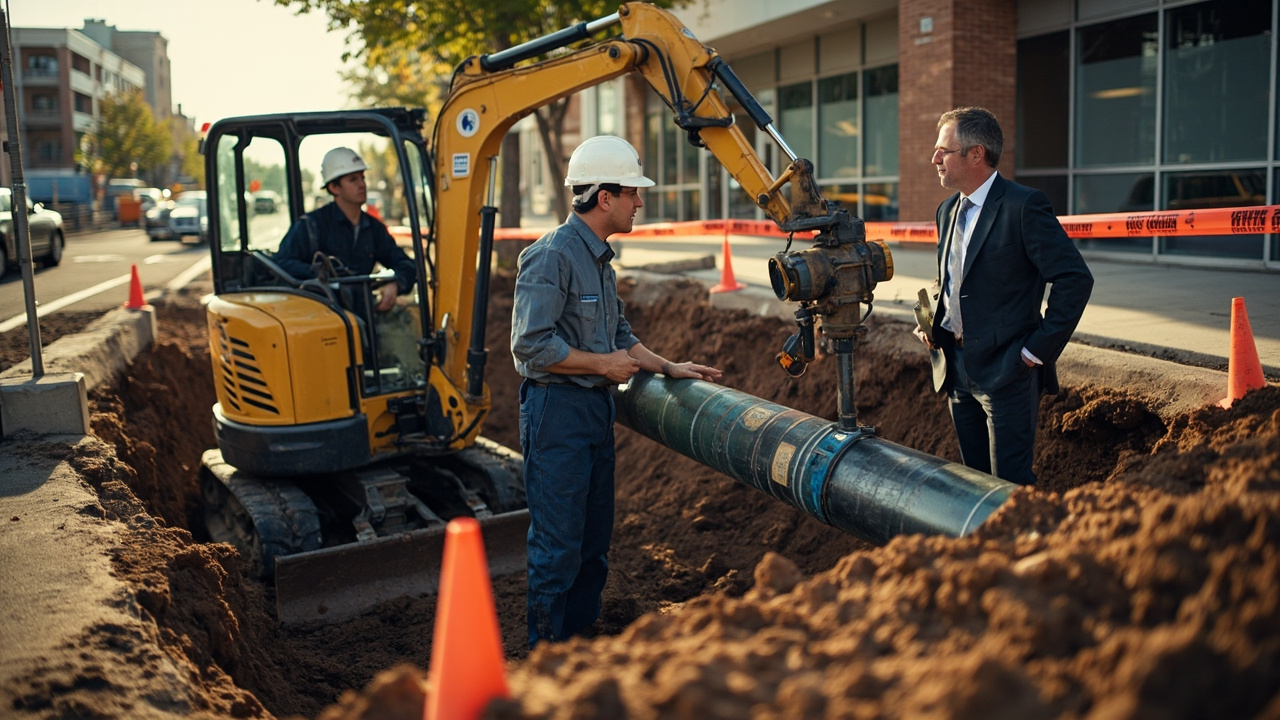
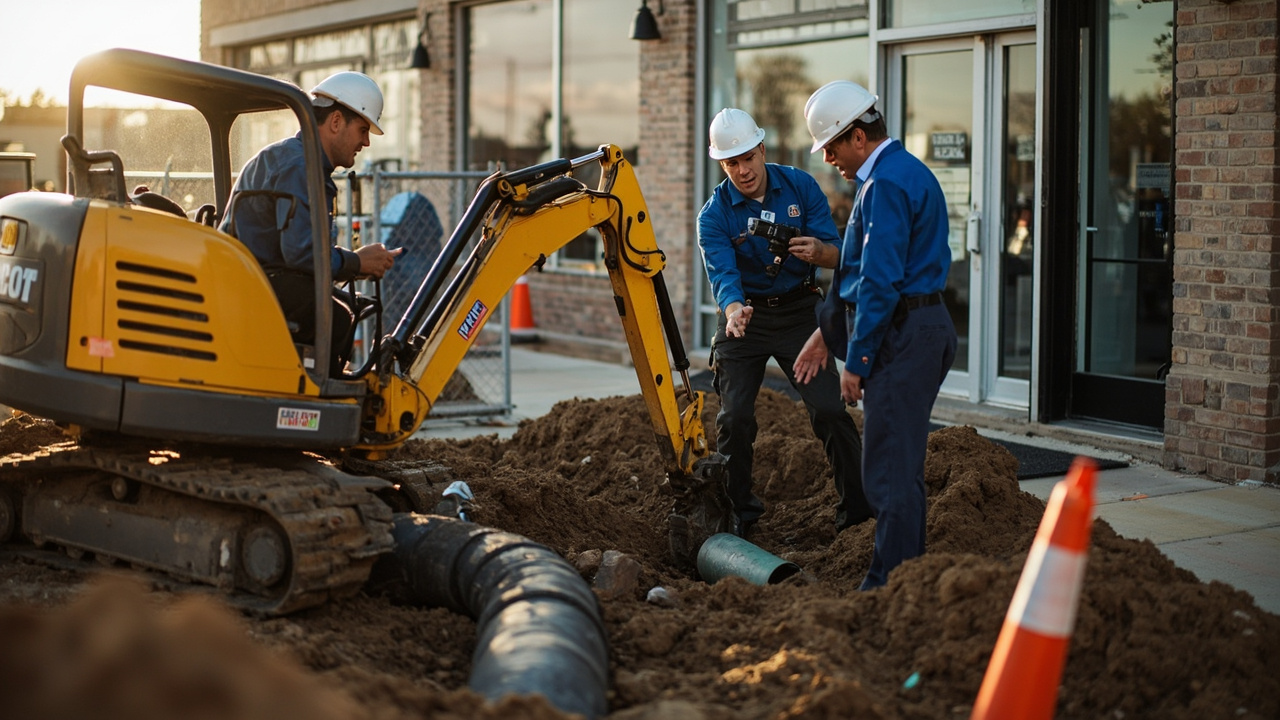
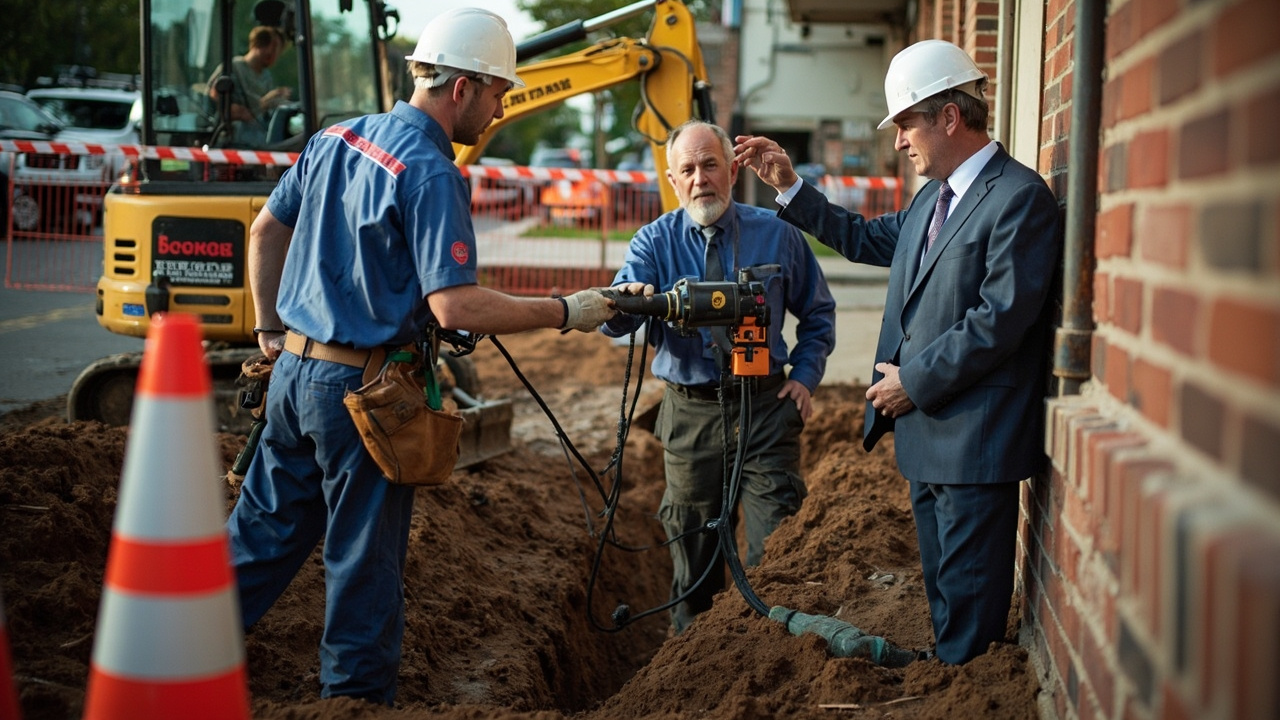
Cincinnati's geology creates specific challenges for commercial sewer systems. The city sits on deep glacial clay deposits that expand when wet and contract during dry periods. This seasonal movement stresses rigid pipe materials, causing joint separation in older clay tile and cast iron systems. Commercial buildings constructed before 1970 often have sewer mains installed with oakum-packed joints that fail as the ground shifts. The Mill Creek Valley industrial corridor and the Basin area near downtown experience the most severe soil movement due to proximity to historical waterways and fill areas. These conditions make proactive commercial sewer pipe repair essential before catastrophic failures shut down operations.
Hamilton County enforces strict commercial plumbing codes that require licensed contractors and proper permitting for all sewer work. The Metropolitan Sewer District regulates commercial discharges and requires capacity calculations for new connections or building expansions. Keystone Plumbing Cincinnati maintains current certifications and understands local interpretation of International Plumbing Code modifications specific to our area. We work directly with city inspectors who know our track record for code-compliant installations. This relationship speeds permit approval and prevents project delays that extend your business downtime. Our familiarity with Cincinnati's commercial districts means we anticipate site-specific challenges before they impact your timeline.