Menu

Trenchless Sewer Repair in Cincinnati | Zero Excavation, Zero Downtime for Your Business

Keystone Plumbing Cincinnati deploys CIPP sewer repair and trenchless pipe lining to fix collapsed or deteriorating commercial sewer lines without closing your facility, digging up your parking lot, or halting operations for days.

Slider Image 1
Slider Image 2
Slider Image 3
Slider Image 4
Slider Image 5
Slider Image 7
Slider Image 8
Slider Image 9
Slider Image 10
Slider Image 11

Why Commercial Sewer Failures Cost Cincinnati Businesses More Than the Repair

A sewer line failure in your Cincinnati commercial property triggers a cascade of expensive consequences. You face health department violations, customer complaints about restroom closures, employee disruptions, and potential revenue loss while traditional excavation crews tear up your parking lot or landscaping for a week.

Cincinnati's clay soil shifts constantly with freeze-thaw cycles and seasonal moisture changes. This movement cracks aging cast iron and clay sewer laterals, especially in commercial buildings constructed in the 1960s through 1980s across neighborhoods like Norwood, Oakley, and Madisonville. The Ohio River basin's high water table compounds the issue by accelerating corrosion and infiltration in underground pipes.

When a restaurant in Hyde Park loses sewer capacity during dinner service, or a dental office in Montgomery shuts down exam rooms due to backed-up drains, the financial impact extends far beyond the repair bill. Traditional dig-and-replace methods require permits, asphalt removal, utility location, soil excavation, pipe replacement, backfill, compaction, and surface restoration. This process consumes 5 to 10 business days and forces you to redirect customers, reschedule appointments, or close temporarily.

Trenchless sewer repair eliminates excavation by rehabilitating pipes from the inside. No-dig sewer repair methods like CIPP (cured-in-place pipe) lining and trenchless pipe replacement restore full flow capacity in 1 to 2 days without disturbing your operations, parking areas, or customer access. For commercial properties where continuity equals profitability, trenchless pipe rehabilitation is the only viable solution.

Why Commercial Sewer Failures Cost Cincinnati Businesses More Than the Repair
How Trenchless Technology Fixes Commercial Sewer Lines Without Surface Disruption

How Trenchless Technology Fixes Commercial Sewer Lines Without Surface Disruption

Trenchless sewer replacement works through two proven methodologies. CIPP sewer repair installs a resin-saturated liner inside your existing pipe, then cures it with hot water or UV light to create a seamless, corrosion-resistant pipe within the old one. Pipe bursting fractures the damaged line while simultaneously pulling a new HDPE pipe into place. Both eliminate excavation.

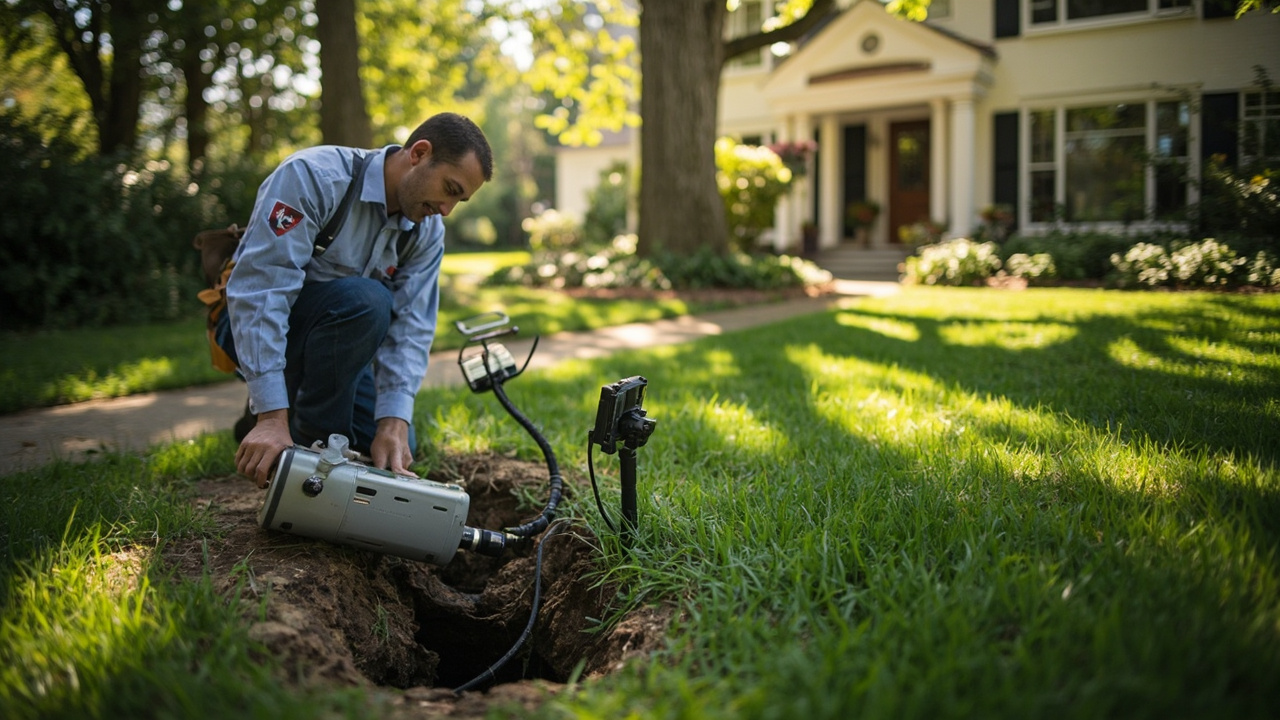
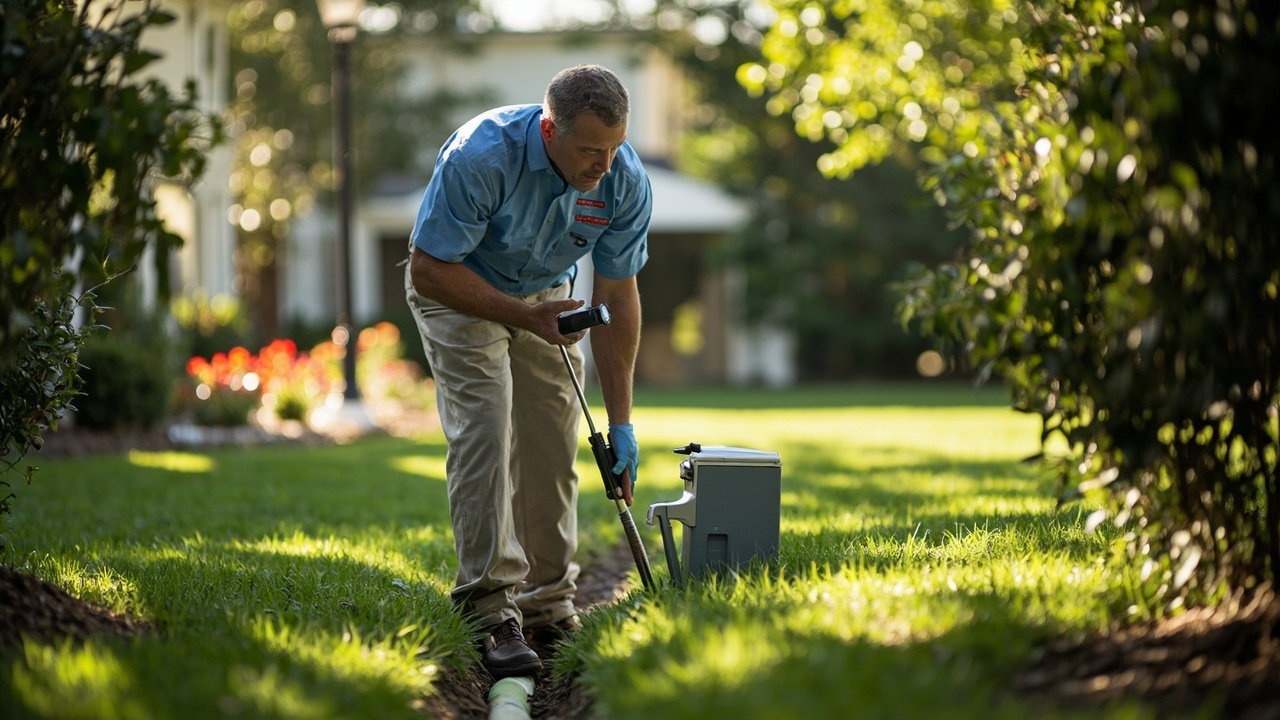
We start with video inspection using high-resolution sewer cameras to map the exact location and extent of damage. This diagnostic step identifies root intrusion, offset joints, cracks, or complete collapse. The camera feed provides precise measurements and GPS coordinates, which allows us to position equipment at existing access points like manholes or cleanouts.

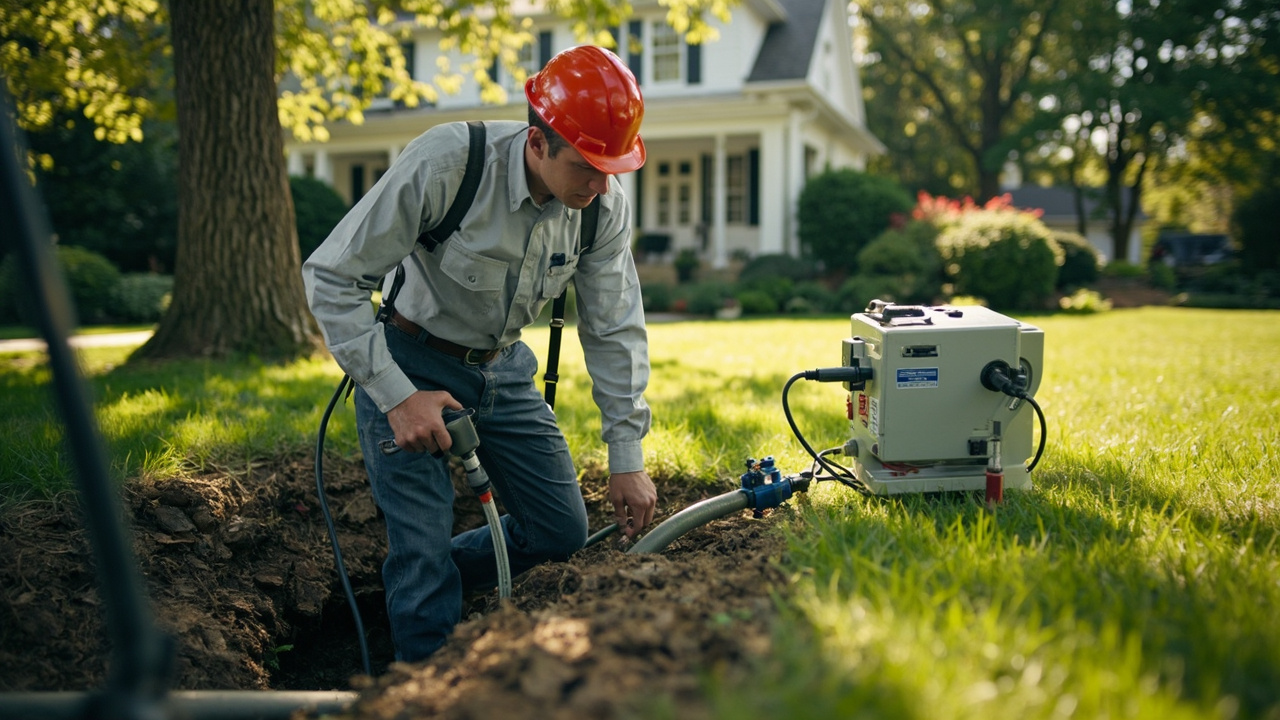
For CIPP lining, we clean the pipe using hydro-jetting at 3,500 PSI to remove grease, scale, and debris. The epoxy-impregnated liner is inverted into the pipe using air pressure, conforming perfectly to bends and transitions. Once positioned, we circulate heated water or insert a UV light train to cure the resin. The result is a jointless pipe with a 50-year service life and superior flow characteristics compared to the original.

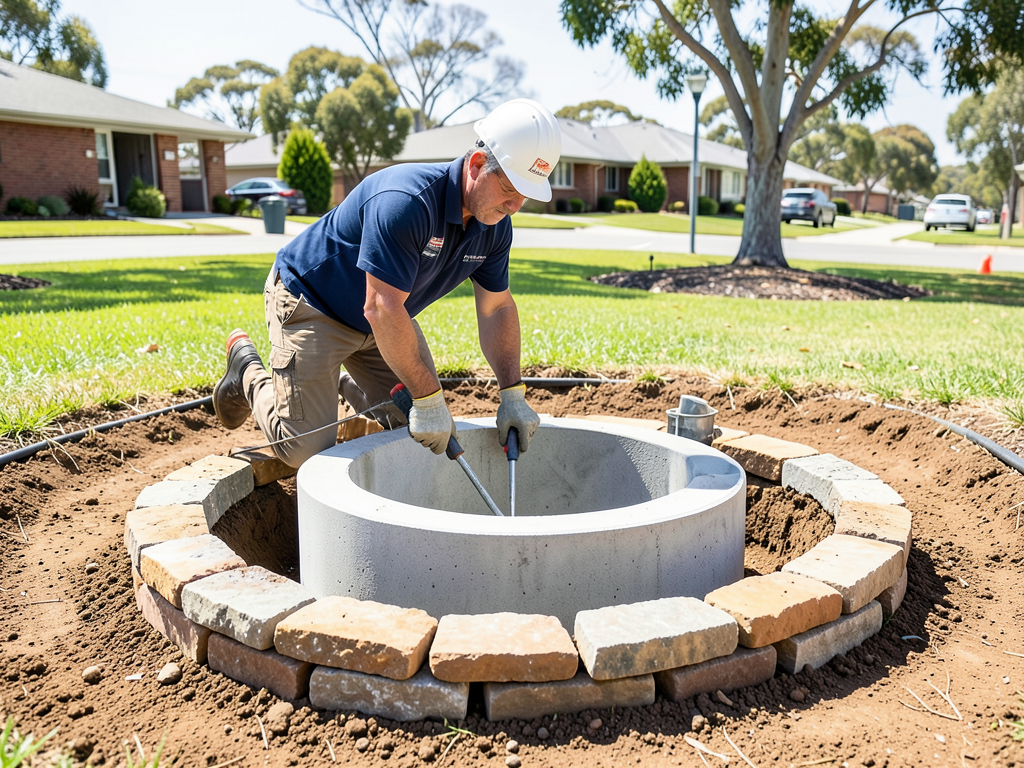
Pipe bursting requires only two small access pits at entry and exit points. A pneumatic or hydraulic bursting head fractures the old pipe outward into the surrounding soil while pulling new pipe behind it. This method works for severely collapsed lines or situations requiring upsizing from 4-inch to 6-inch diameter.

Both processes restore full sewer capacity without closing your business, rerouting traffic, or damaging landscaping. Completion time runs 8 to 16 hours for typical commercial applications, compared to 5 to 10 days for traditional replacement.

What Happens During Your Commercial Trenchless Sewer Repair

Trenchless Sewer Repair in Cincinnati | Zero Excavation, Zero Downtime for Your Business
01

Camera Inspection and Mapping

We deploy push cameras or robotic crawlers through your sewer cleanouts to document pipe condition, locate damage, and identify obstacles. This video inspection reveals root penetration, grease buildup, cracks, offsets, or collapses. We provide a digital recording and written report with GPS coordinates for each defect. This diagnostic phase eliminates guesswork and confirms whether your line qualifies for trenchless rehabilitation or requires pipe bursting for severe damage.
02

Pipe Preparation and Lining

Hydro-jetting removes all debris, scale, and root material at 3,500 PSI. We then insert the resin-saturated CIPP liner through an existing access point, inflate it to conform to the pipe interior, and cure it with heated water or UV light. The curing process takes 2 to 4 hours depending on pipe diameter and length. For pipe bursting applications, we position the bursting head and pull the new HDPE pipe while fracturing the old line. Both methods avoid excavation and surface restoration.
03

Final Inspection and Certification

After curing or pipe installation, we perform a second camera inspection to verify complete adhesion, proper alignment, and full flow capacity. We provide video documentation and certification for your records, which satisfies Cincinnati Metropolitan Sewer District requirements and supports future property transactions. The rehabilitated line is immediately operational. We coordinate final connections, test all fixtures, and confirm your facility can resume normal operations without restrictions. You receive a detailed service report with warranty information.

Why Cincinnati Commercial Properties Choose Keystone Plumbing Cincinnati for Trenchless Solutions

Commercial sewer failures demand immediate response and proven expertise. Keystone Plumbing Cincinnati specializes in trenchless pipe rehabilitation for office buildings, restaurants, medical facilities, retail centers, and industrial properties throughout Hamilton County and surrounding areas.

We understand Cincinnati's infrastructure challenges. Many commercial properties in neighborhoods like Clifton, Walnut Hills, and downtown Cincinnati operate in buildings constructed between 1950 and 1985. These structures contain original cast iron or clay sewer laterals that have reached end-of-life. The region's expansive clay soil, combined with seasonal groundwater fluctuations and freeze-thaw cycles, accelerates pipe deterioration and joint separation.

Our technicians hold certifications in CIPP installation and pipe bursting techniques. We maintain specialized equipment including robotic cutters for service reconnections, inversion drums for liner installation, and hydraulic bursting systems for complete pipe replacement. This equipment investment allows us to handle projects ranging from 4-inch restaurant grease lines to 12-inch main building sewers.

We coordinate with Cincinnati Metropolitan Sewer District and local permitting authorities to ensure compliance with municipal codes. Our projects meet or exceed ASTM F1216 standards for CIPP liner installation and ASTM F1804 specifications for HDPE pipe. This regulatory knowledge prevents costly delays and ensures your repair satisfies inspection requirements.

Business continuity drives every project decision. We schedule work during off-hours when possible, complete installations in single-day mobilizations, and provide temporary bypass pumping if needed. Our goal is to restore your sewer system without forcing you to close, redirect customers, or lose revenue. The combination of speed, minimal disruption, and permanent repair makes trenchless technology the only logical choice for commercial properties.

What Your Commercial Trenchless Sewer Repair Includes

Rapid Response and Completion

We mobilize equipment within 24 hours of approval for most commercial projects. Typical CIPP lining installations complete in 8 to 12 hours from setup to final inspection. Pipe bursting projects require 12 to 16 hours depending on line length and soil conditions. This compressed timeline keeps your business operational and minimizes customer impact. We work nights and weekends when necessary to avoid peak business hours. Emergency sewage backups receive same-day camera inspection and temporary mitigation while we prepare for permanent trenchless repair.

Comprehensive Diagnostic Assessment

Every commercial project begins with high-resolution video inspection. We document pipe material, diameter, grade, depth, and defect locations using GPS-enabled camera systems. This diagnostic phase identifies root intrusion sources, grease accumulation points, structural damage, and connection issues. You receive a digital recording, written report, and repair recommendation based on actual pipe condition rather than assumptions. This documentation supports insurance claims, satisfies due diligence requirements for property transactions, and provides baseline records for facility maintenance planning.

Permanent Structural Rehabilitation

CIPP liners create a monolithic, jointless pipe with tensile strength exceeding the original pipe material. The epoxy resin forms a corrosion-resistant barrier immune to root penetration, chemical attack, and infiltration. Pipe bursting installs seamless HDPE pipe with fusion-welded joints and a 100-year service life. Both methods restore full hydraulic capacity and structural integrity. The rehabilitated pipe meets ASTM standards for pressure rating and load-bearing capacity. You eliminate recurring backups, slow drains, and emergency service calls for decades.

Warranty and Maintenance Support

Trenchless pipe rehabilitation carries material and installation warranties. CIPP liners are warranted against defects in adhesion, structural integrity, and infiltration. Pipe bursting installations include warranties on pipe material and joint integrity. We provide post-installation camera inspections at 1-year and 3-year intervals to verify long-term performance. Annual maintenance programs include hydro-jetting and video inspection to prevent grease buildup and identify potential issues before they escalate. These proactive services protect your investment and ensure your sewer system operates reliably.

Frequently Asked Questions

You Have Questions,
We Have Answers

Is trenchless sewer repair worth it? +

For commercial properties in Cincinnati, trenchless sewer repair delivers measurable ROI. You avoid business downtime, preserve landscaping and pavement, and eliminate restoration costs associated with excavation. Properties near the Ohio River or in areas with clay soil benefit from reduced soil disruption. The method minimizes liability risks since fewer hazards exist on site during repair. Installation happens faster, reducing labor costs and operational interruptions. Factor in the durability of cured-in-place pipe or pipe bursting methods, and the total cost of ownership often beats traditional excavation when you account for indirect expenses and business continuity.

What are the disadvantages of trenchless pipe lining? +

Trenchless pipe lining reduces the internal diameter of existing pipes, which can affect flow capacity in high-demand commercial systems. The method requires existing pipe structure to remain relatively intact. Collapsed or severely offset pipes may not qualify. Access points must be available at both ends of the repair section. Root intrusion requires complete removal before lining, adding prep time. In Cincinnati's older commercial districts, clay tile systems with significant joint separation may need traditional excavation instead. The upfront cost per linear foot runs higher than dig-and-replace, though total project costs often balance out when you factor site restoration.

Does homeowners insurance cover sewage line repairs? +

Standard commercial property policies typically exclude sewer line failures unless caused by a covered peril like vandalism or vehicle impact. Damage from age, wear, corrosion, or root intrusion falls under maintenance, not covered loss. Some commercial policies offer sewer backup endorsements covering interior damage from backups, but not the line itself. Review your policy's exclusions section and utilities endorsements carefully. In Cincinnati, properties with combined sewer systems face additional risk during heavy rain events. Most building owners budget sewer line repair as a capital expense rather than relying on insurance coverage for aging infrastructure.

How long does a trenchless sewer line last? +

Properly installed trenchless pipe liners carry 50-year service life expectations under normal commercial use conditions. Cured-in-place pipe creates a seamless, jointless interior that resists root penetration and corrosion. The epoxy resin bonds to host pipe walls, creating structural integrity independent of the original pipe material. Performance depends on proper installation, adequate pipe preparation, and correct resin curing. Commercial properties in Cincinnati with high flow demands should verify the liner thickness meets engineering specifications. Regular video inspections every five to seven years confirm liner condition and catch issues before they escalate into system failures.

What is the cheapest way to replace a sewer line? +

Spot repairs using traditional excavation offer the lowest upfront cost when damage is isolated to a single joint or short section. You dig only where needed, replace that segment, and backfill. This works for commercial properties with accessible lines and minimal surface improvements. However, total cost calculations must include pavement removal, restoration, landscape repair, and business interruption. In Cincinnati's commercial corridors, permit fees and traffic control add expenses. For longer runs or multiple problem areas, trenchless methods often cost less overall despite higher per-foot pricing because you eliminate restoration work and reduce project duration.

Do plumbers recommend sewer liners? +

Commercial plumbers recommend sewer liners when site conditions favor trenchless methods and existing pipes meet structural requirements. The technology suits properties where excavation would disrupt operations, damage expensive landscaping, or require cutting through concrete or asphalt. Liners work well for corrosion repair, minor cracking, and root intrusion prevention. In Cincinnati's historic commercial buildings, trenchless methods preserve foundation integrity and avoid disturbing adjacent structures. Professional plumbers assess pipe condition via camera inspection before recommending liners. Severely collapsed lines, major offsets, or pipes with inadequate fall gradients may require traditional replacement regardless of cost considerations.

How expensive is pipe relining? +

Commercial trenchless pipe relining costs vary based on pipe diameter, access point availability, and site conditions. Prices reflect material costs, specialized equipment, and technical expertise required for proper installation. Larger diameter commercial lines cost more per foot than residential applications. In Cincinnati, permit requirements and inspection fees add to project totals. Properties requiring multiple access points or extensive root removal see higher costs. Compare quotes on a total project basis, not just per-foot pricing. Factor in avoided costs like pavement restoration, landscape replacement, and business downtime. Most commercial projects see payback through reduced indirect expenses.

How often does a sewer line need to be replaced? +

Commercial sewer lines require replacement based on condition, not arbitrary timelines. Clay tile systems installed before 1970 often need attention after 50 years. Cast iron lines face corrosion issues between 40 and 60 years depending on soil chemistry and usage patterns. PVC installations from the 1980s forward can last 100 years with proper maintenance. In Cincinnati, properties with mature trees near sewer lines face accelerated deterioration from root intrusion. Regular video inspections every three to five years identify issues before complete failure occurs. Replace lines when structural integrity is compromised, not when you hit a calendar milestone.

How do they do trenchless sewer repair? +

Trenchless sewer repair uses two primary methods. Cured-in-place pipe involves inserting a resin-saturated liner through an access point, inflating it against the host pipe walls, and curing it with hot water or UV light. This creates a new pipe inside the old one. Pipe bursting fragments the existing pipe while simultaneously pulling a new pipe into place. Both methods require access points at entry and exit locations. Technicians use video cameras to verify pipe condition and monitor installation. The process takes hours instead of days, eliminates excavation except at access points, and restores service quickly with minimal surface disruption.

Why Cincinnati's Clay Soil and Aging Infrastructure Make Trenchless Repair Essential

Cincinnati sits on expansive clay soil that swells during wet seasons and contracts during drought. This constant movement stresses rigid pipe materials like cast iron and clay, causing joint separation and longitudinal cracks. The Ohio River basin's high water table accelerates corrosion in metallic pipes and allows groundwater infiltration through damaged joints. Commercial buildings constructed during Cincinnati's mid-century growth period contain original sewer laterals now exceeding 60 years of service life. These conditions create a perfect storm for sewer failure. Trenchless pipe lining reinforces existing pipes from within, creating a flexible, corrosion-resistant barrier that accommodates soil movement without cracking or separating.

Hamilton County and Cincinnati Metropolitan Sewer District have established specific standards for sewer repairs in commercial zones, particularly in areas served by combined sewer systems. Projects require coordination with municipal inspection authorities and adherence to infiltration reduction mandates. Keystone Plumbing Cincinnati maintains current certifications and works directly with local inspectors to expedite permitting and approval processes. Our familiarity with Cincinnati's infrastructure layout, soil conditions, and regulatory environment ensures your trenchless sewer repair meets all local requirements while minimizing administrative delays. Choosing a contractor with established local relationships protects you from permit issues and compliance problems.
Plumbing Services in The Cincinnati Area

We are proud to serve the entire area, providing exceptional plumbing services to our community. Our service area covers all of the city and its surrounding neighborhoods. Use the map to see our location and get directions, or simply give us a call to schedule a service. Our team is always ready to travel to your location to address your plumbing needs quickly and efficiently, ensuring you receive the prompt service you deserve.

Address:
Keystone Plumbing Cincinnati, 71 E Hollister St, Cincinnati, OH, 45219

Additional Services We Offer

Our news updates

Latest Articles & News from The Blogs

The Best Way to Add a Bidet to Your Glendale Home Without a Full Remodel Adding a bidet to your…

The Best Way to Add a Bidet to Your Glendale Home Without a Full Remodel

The Best Way to Add a Bidet to Your Glendale Home Without a Full Remodel Adding a bidet to your…

Why a Whole House Repiping Project in St. Bernard is a Smart Investment

Why a Whole House Repiping Project in St. Bernard is a Smart Investment If you own a home in St.…

Do You Know Exactly Where the Main Water Shut-Off Valve is in Your Silverton Home?

Do You Know Exactly Where the Main Water Shut-Off Valve is in Your Silverton Home? A burst pipe can dump…

Contact Us

Schedule a video inspection and trenchless repair consultation today. Call Keystone Plumbing Cincinnati at (513) 717-2899. We provide same-day diagnostics and project proposals that keep your business running without excavation delays.