Menu

Commercial Repiping Services in Cincinnati | Minimize Downtime with Industrial-Grade Infrastructure Upgrades

Our commercial building repiping teams execute large-scale pipe replacement projects using engineered systems that keep your Cincinnati facility operational while we replace outdated infrastructure with code-compliant materials.

Slider Image 1
Slider Image 2
Slider Image 3
Slider Image 4
Slider Image 5
Slider Image 7
Slider Image 8
Slider Image 9
Slider Image 10
Slider Image 11

Why Cincinnati Commercial Properties Face Accelerated Pipe Deterioration

Cincinnati's position along the Ohio River creates unique challenges for commercial plumbing systems. The region's moderate to high water hardness, combined with seasonal freeze-thaw cycles, accelerates corrosion in galvanized steel and copper piping. Buildings in neighborhoods like Over-the-Rhine and Downtown experience compounded stress from clay soil shifting, which causes foundation movement that stresses rigid pipe connections.

Commercial facilities built before 1990 often contain galvanized steel supply lines that corrode from the inside out. You notice declining water pressure across multiple floors, discolored water during morning operations, or frequent pinhole leaks that disrupt business. Industrial repiping services become necessary when spot repairs no longer prevent the next failure.

Manufacturing facilities in Queensgate and distribution centers near Sharonville face additional complications from high-volume water usage. When supply lines corrode, your facility risks operational shutdowns, inventory damage, and violations of health department standards for food service or medical operations. Commercial pipe replacement projects prevent cascading failures that cost exponentially more than planned infrastructure upgrades.

The region's building codes require specific materials and installation methods for multi-story commercial structures. Older buildings with outdated cast iron drain lines experience chronic backups and sewer gas infiltration. Business pipe replacement projects address both supply and drainage systems to ensure your Cincinnati property meets current code requirements while maintaining uninterrupted operations during construction phases.

Why Cincinnati Commercial Properties Face Accelerated Pipe Deterioration
How Commercial Building Repiping Maintains Business Continuity

How Commercial Building Repiping Maintains Business Continuity

Commercial plumbing repipe projects require engineering precision that residential work does not. Our teams conduct hydraulic load calculations to size supply lines for your peak demand periods. We map existing pipe runs using acoustic detection and thermal imaging to identify hidden corrosion before walls open. This diagnostic phase prevents scope creep and budget overruns that plague commercial projects.

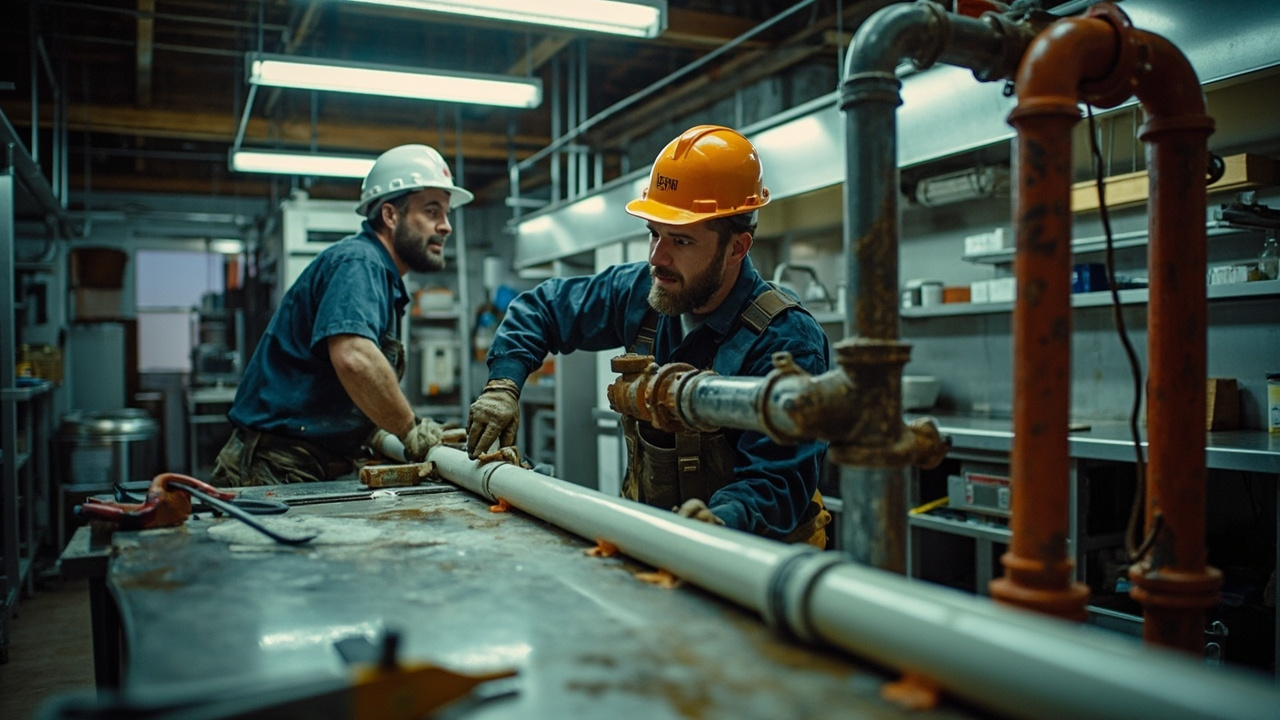
We execute repiping in phases to keep critical areas operational. For multi-tenant buildings, we isolate sections floor by floor, maintaining water service to occupied spaces while replacing deteriorated lines in vacant sections. Manufacturing facilities require coordination with production schedules. We stage material deliveries to minimize site congestion and execute tie-ins during planned downtime windows.

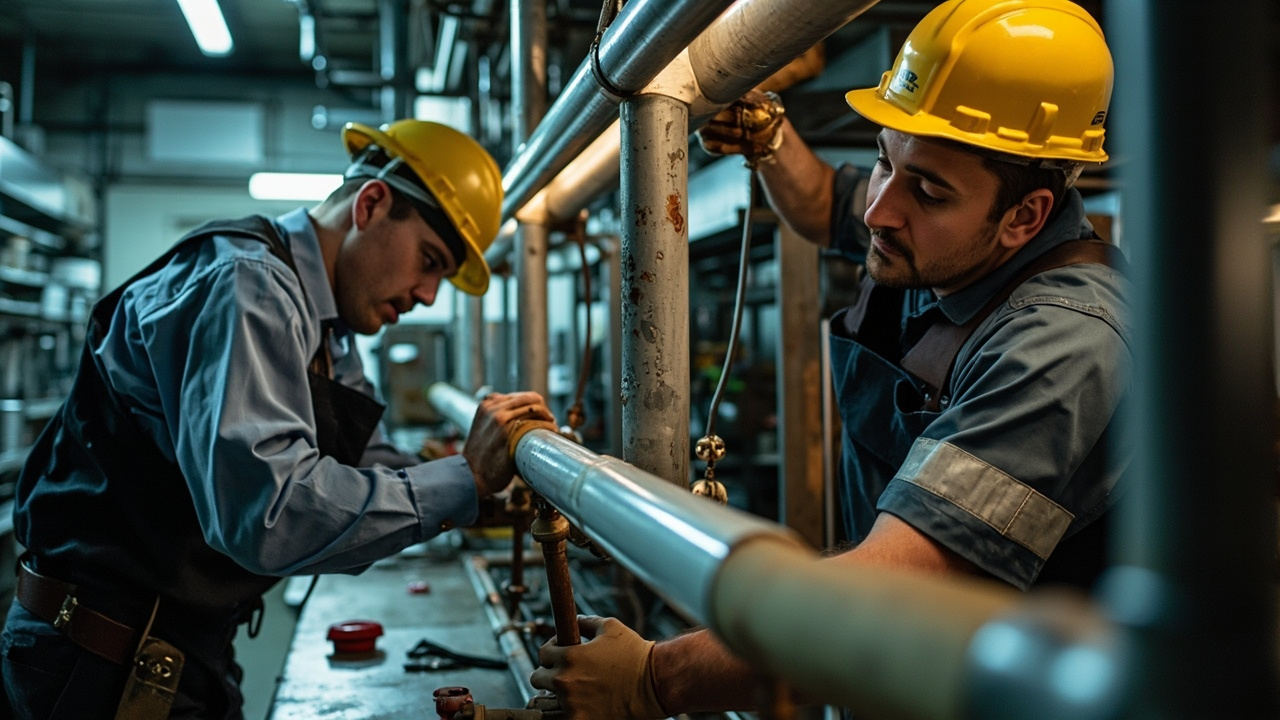
Material selection depends on your facility type and water chemistry. Type L copper with lead-free solder provides durability for standard office buildings. Facilities with aggressive water chemistry benefit from cross-linked polyethylene (PEX) or chlorinated polyvinyl chloride (CPVC) that resist corrosion. Industrial facilities often require Schedule 40 steel pipe with welded joints for high-pressure systems.

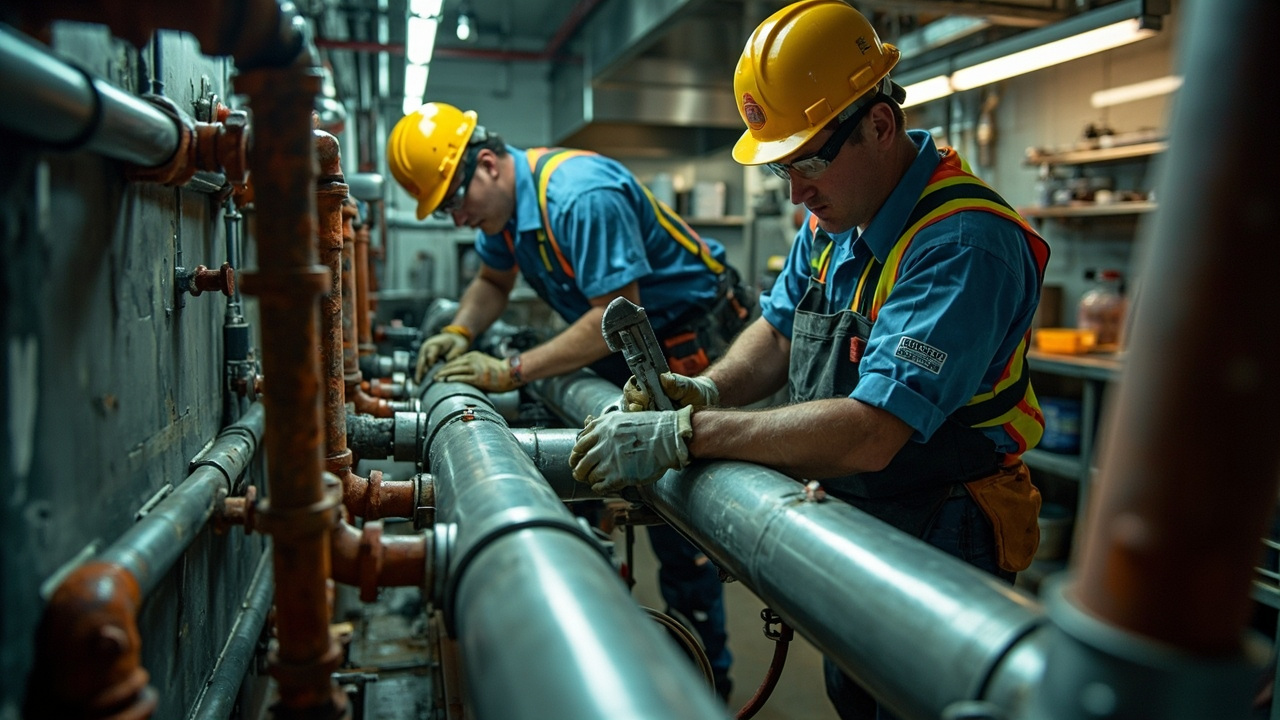
We pressure test each section to 150 psi before closing walls and document results for your facility maintenance records. All work complies with Cincinnati's amendments to the International Plumbing Code, including specific requirements for backflow prevention and seismic bracing in multi-story structures. Our teams coordinate inspections with city officials to prevent delays that extend construction timelines and disrupt your operations.

Our Commercial Repiping Execution Model

Commercial Repiping Services in Cincinnati | Minimize Downtime with Industrial-Grade Infrastructure Upgrades
01

Infrastructure Assessment and Engineering

We begin with a comprehensive facility audit that maps your existing plumbing infrastructure and identifies failure points. Our engineers conduct hydraulic calculations to design supply systems that meet your current and projected demand. We review your building's mechanical room access, wall chase availability, and tenant occupancy schedules to develop a phased construction plan that maintains operations. You receive detailed drawings showing new pipe routes, valve locations, and required access points before any demolition begins.
02

Phased Installation and Testing

Our crews execute repiping in coordinated phases based on your occupancy requirements. We isolate sections using temporary bypass lines that maintain water service to critical areas during construction. Each new section undergoes pressure testing and inspection before we connect it to your active system. We document all material specifications, test results, and code compliance verification for your facility records. This systematic approach prevents the complete shutdowns that cripple business operations during poorly planned commercial pipe replacement projects.
03

System Commissioning and Documentation

After installation, we commission your new plumbing system by verifying flow rates, pressure consistency, and proper valve operation at all fixtures. You receive as-built drawings showing exact pipe locations, shutoff valve positions, and access panel locations. We provide operation manuals for any new equipment and train your maintenance staff on system controls. Final inspections with city officials confirm code compliance. Your facility now operates with infrastructure designed for decades of reliable service without the constant repair cycles that plagued your old system.

Why Cincinnati Businesses Trust Our Commercial Repiping Expertise

Commercial projects demand different capabilities than residential service calls. Our teams include licensed journeymen with commercial construction experience who understand the complexities of multi-story buildings and industrial facilities. We maintain relationships with local inspectors and understand Cincinnati's specific code amendments that catch unprepared contractors off guard during final inspections.

Cincinnati's commercial building stock ranges from historic structures in Mount Adams to modern facilities in Blue Ash. Each requires different approaches to repiping. Historic buildings need careful coordination to preserve architectural details while upgrading infrastructure. Modern facilities with drop ceilings and accessible mechanical spaces allow faster installation timelines. We adapt our methods to your building type rather than forcing a one-size-fits-all approach that causes delays.

Our equipment inventory includes specialized tools for commercial work that residential plumbers do not carry. We own large-diameter threading machines, fusion welding equipment for HDPE pipe, and hydraulic crimping tools for press-fit connections that accelerate installation in occupied buildings. This equipment investment allows us to execute projects efficiently without relying on rental equipment that may not arrive when needed.

We understand that commercial repiping represents significant capital expenditure with direct impact on your operating budget. Our project managers provide detailed cost breakdowns during the estimating phase so you understand material costs, labor allocation, and timeline expectations. We identify potential complications before they become change orders that inflate final costs. Cincinnati businesses need partners who deliver projects on schedule and on budget. Our track record demonstrates consistent execution on commercial building repiping projects across multiple facility types throughout the metro area.

What Your Commercial Repiping Project Includes

Project Timeline and Phasing

Commercial repiping timelines depend on facility size, occupancy requirements, and existing infrastructure accessibility. A small office building with open ceiling access may require two to three weeks for complete repiping. Multi-story facilities with tenant occupancy need phased approaches that extend over several months but maintain operations throughout construction. We provide detailed schedules showing when each area goes offline and when service restores. Manufacturing facilities coordinate installations during planned maintenance shutdowns to avoid production disruptions. Your project timeline reflects your operational requirements, not arbitrary construction schedules that ignore business continuity needs.

Engineering Assessment and Planning

Before any demolition begins, our engineers evaluate your existing system capacity against current demand. We calculate required pipe sizes based on fixture unit loads and peak usage patterns specific to your facility type. Restaurants need different supply capacities than office buildings. Medical facilities require specific materials and redundancy for critical areas. We identify code violations in your current system that must correct during repiping to pass final inspection. You receive engineered drawings showing new pipe routes, required access points, and material specifications. This planning phase prevents mid-project surprises that delay completion and inflate costs.

System Performance and Reliability

Your new plumbing infrastructure delivers consistent pressure across all floors and eliminates the chronic leaks that required constant maintenance attention. Modern pipe materials resist corrosion that destroyed your old galvanized or copper lines. Properly sized supply lines prevent pressure drops during peak usage periods. Buildings with multiple tenants no longer experience complaints about inadequate water pressure or discolored water. Industrial facilities operate with confidence that plumbing failures will not halt production. Your maintenance teams focus on productive work rather than emergency leak repairs. The infrastructure investment provides decades of reliable operation without the escalating repair costs that plagued your outdated system.

Post-Installation Support and Documentation

You receive comprehensive as-built drawings showing exact pipe locations, valve positions, and shutoff points throughout your facility. This documentation proves invaluable when your maintenance team needs to isolate sections for future renovations or tenant improvements. We provide operation manuals for any new equipment installed during the project. Your facilities manager receives training on system controls and maintenance requirements. All work comes with material and workmanship coverage appropriate for commercial installations. We remain available for any system adjustments needed during the first months of operation as your facility settles into normal usage patterns with the new infrastructure.

Frequently Asked Questions

You Have Questions,
We Have Answers

How much does it cost to repipe a 4000 square foot house? +

Repiping a 4,000 square foot commercial building in Cincinnati depends on the existing pipe material, access to walls and ceilings, number of fixtures, and whether the building remains operational during work. Copper increases total project cost compared to PEX due to material and labor intensity. Multi-story buildings or structures with concrete slab foundations add complexity. Expect the project timeline to impact your budget as minimizing downtime requires strategic planning. A thorough assessment identifies hidden corrosion, code compliance issues, and structural challenges common in older Cincinnati commercial properties.

What does commercial plumbing mean? +

Commercial plumbing handles higher volume demands, greater complexity, and stricter code requirements than residential systems. It includes water supply lines, drainage systems, backflow prevention, grease traps, pressure regulation, and fixtures designed for constant use in offices, retail spaces, restaurants, and industrial facilities. Commercial systems must meet Cincinnati building codes and often require specialized materials rated for heavy use. The work involves coordinating with property managers to minimize business disruption. Commercial plumbers handle multi-story pipe networks, boiler systems, and emergency shutoff protocols that protect property and maintain business continuity during repairs.

Why is repiping so expensive? +

Repiping costs reflect the scope of work, not just materials. You pay for complete system replacement, wall and ceiling access, pipe removal, installation of new supply and drainage lines, fixture reconnection, pressure testing, and restoration of finished surfaces. Commercial projects require licensed contractors, permit fees, and strict adherence to Cincinnati building codes. Labor intensity increases when buildings remain occupied or contain hazardous materials like asbestos insulation around old pipes. The investment prevents catastrophic failures, reduces liability from water damage, maintains code compliance, and eliminates ongoing repair costs from deteriorating pipes.

How much does copper repiping cost compared to PEX? +

Copper repiping costs significantly more than PEX due to material price and labor intensity. Copper requires soldering each joint, which demands skilled labor and increases installation time. PEX uses crimp or expansion fittings that install faster with fewer connections. Copper withstands higher temperatures and offers longer proven durability in commercial applications. PEX provides flexibility, freeze resistance valuable in Cincinnati winters, and corrosion immunity. Your choice depends on building codes, insurance requirements, and whether the property demands copper's fire resistance. Commercial buildings often use copper for main lines and PEX for branch lines to balance cost and performance.

What is the most expensive plumbing job? +

Complete commercial repiping typically represents the most expensive plumbing project due to system-wide replacement, business disruption, and code compliance requirements. Other costly jobs include main sewer line replacement under buildings, commercial water heater systems, backflow prevention installations, and grease trap compliance for restaurants. Emergency repairs from burst pipes that flood multiple floors create massive restoration costs beyond the plumbing work. In Cincinnati, foundation work combined with plumbing repairs in older buildings with shifting clay soil increases total project expense. The scope, accessibility, and operational impact determine final cost more than specific tasks.

How much does it cost to plumb a 2500 square foot house? +

Plumbing a new 2,500 square foot commercial space involves rough-in installation, fixture placement, drainage lines, water supply distribution, backflow prevention, and pressure regulation. Costs vary based on fixture count, bathroom numbers, kitchen requirements, and whether the space needs specialized systems like floor drains or grease traps. Commercial spaces require more robust systems than residential, with code-compliant materials and professional installation. Cincinnati building permits and inspections add to the timeline and budget. Shell spaces without existing infrastructure cost more than tenant improvements in buildings with accessible main lines. Your specific use determines system complexity and total investment.

How Cincinnati Building Codes Impact Commercial Repiping Projects

Cincinnati enforces specific amendments to the International Plumbing Code that directly affect commercial repiping projects. Multi-story buildings require earthquake bracing on horizontal pipe runs exceeding certain lengths, even though the region experiences only moderate seismic activity. Buildings in flood-prone areas near the Ohio River need backflow prevention devices on supply lines entering from municipal mains. Historic districts require permit approval before opening walls in protected structures, adding review time to project schedules. Commercial facilities converting from galvanized steel to modern materials must upgrade shutoff valve accessibility to meet current code. These local requirements separate experienced commercial contractors from residential plumbers attempting projects beyond their expertise.

Cincinnati's commercial building stock includes structures dating back over a century, particularly in neighborhoods like Over-the-Rhine and Downtown. These buildings often contain plumbing configurations that violate modern codes but were legal when installed. Any substantial repiping project triggers requirements to bring the entire system up to current standards, not just replace the failing sections. Our teams understand these code nuances and factor compliance costs into project estimates from the beginning. We maintain working relationships with city inspectors who review our plans before construction begins, preventing the failed inspections that delay projects and frustrate building owners. This local knowledge ensures your commercial building repiping project proceeds smoothly through permitting and inspection phases.
Plumbing Services in The Cincinnati Area

We are proud to serve the entire area, providing exceptional plumbing services to our community. Our service area covers all of the city and its surrounding neighborhoods. Use the map to see our location and get directions, or simply give us a call to schedule a service. Our team is always ready to travel to your location to address your plumbing needs quickly and efficiently, ensuring you receive the prompt service you deserve.

Address:
Keystone Plumbing Cincinnati, 71 E Hollister St, Cincinnati, OH, 45219

Additional Services We Offer

Our news updates

Latest Articles & News from The Blogs

Why a Whole House Repiping Project in St. Bernard is a Smart Investment If you own a home in St.…

Why a Whole House Repiping Project in St. Bernard is a Smart Investment

Why a Whole House Repiping Project in St. Bernard is a Smart Investment If you own a home in St.…

Do You Know Exactly Where the Main Water Shut-Off Valve is in Your Silverton Home?

Do You Know Exactly Where the Main Water Shut-Off Valve is in Your Silverton Home? A burst pipe can dump…

Protecting the Exposed Plumbing in Your Madisonville Crawl Space From Rodents and Cold

Protecting the Exposed Plumbing in Your Madisonville Crawl Space From Rodents and Cold \n\n Exposed pipes in Madisonville crawl spaces…

Contact Us

Deteriorating pipes threaten your business operations every day they remain in service. Contact our commercial division at (513) 717-2899 for an engineering assessment of your facility's plumbing infrastructure. We provide detailed proposals showing project scope, timeline, and investment requirements for your budgeting process.