Menu

Emergency Sewer Backup Cleanup in Cincinnati – Rapid Response Stops Contamination in Under 60 Minutes

When raw sewage floods your home or business, every minute increases health risks and structural damage. Our emergency sewer backup cleanup teams arrive fast across Cincinnati with industrial extraction equipment and EPA-approved disinfection protocols to eliminate contamination and restore safety.

Slider Image 1
Slider Image 2
Slider Image 3
Slider Image 4
Slider Image 5
Slider Image 7
Slider Image 8
Slider Image 9
Slider Image 10
Slider Image 11

Sewer Backups in Cincinnati Homes Create Immediate Health Hazards

A sewer backup is not a minor inconvenience. It is a hazardous event requiring immediate sewage spill mitigation. Raw sewage contains E. coli, hepatitis, salmonella, and other pathogens that spread through contact and airborne particles. When your toilet, floor drain, or bathtub begins expelling black water, you are facing a Category 3 contamination event.

Cincinnati's older neighborhoods, especially those built before 1950, often have combined sewer systems where stormwater and wastewater share the same pipes. During heavy spring rains or rapid snowmelt, these systems overload. The pressure forces sewage backward into your home through the lowest drain point. Hillside properties in Mount Adams, Clifton, and Price Hill face additional risk due to gravity-fed drainage patterns that increase backflow pressure during storm events.

Basements in Cincinnati also contend with high water tables near the Ohio River and Little Miami River. When groundwater saturates clay soil, it can infiltrate cracked sewer laterals and cause blockages. Tree roots from mature oaks and maples common throughout Cincinnati aggressively seek moisture, penetrating older clay pipes and creating total obstructions.

You need urgent sewage removal services the moment you see dark water or smell foul odors. Waiting even two hours allows bacteria to colonize porous surfaces like drywall, subflooring, and insulation. Emergency raw sewage extraction prevents permanent contamination and protects your family from infectious disease. This is not a DIY situation. Professional 24 hour sewer overflow cleaning uses truck-mounted extractors, antimicrobial foggers, and containment barriers that household equipment cannot replicate.

Sewer Backups in Cincinnati Homes Create Immediate Health Hazards
Our Rapid Sewer Backup Restoration Process Eliminates Contamination

Our Rapid Sewer Backup Restoration Process Eliminates Contamination

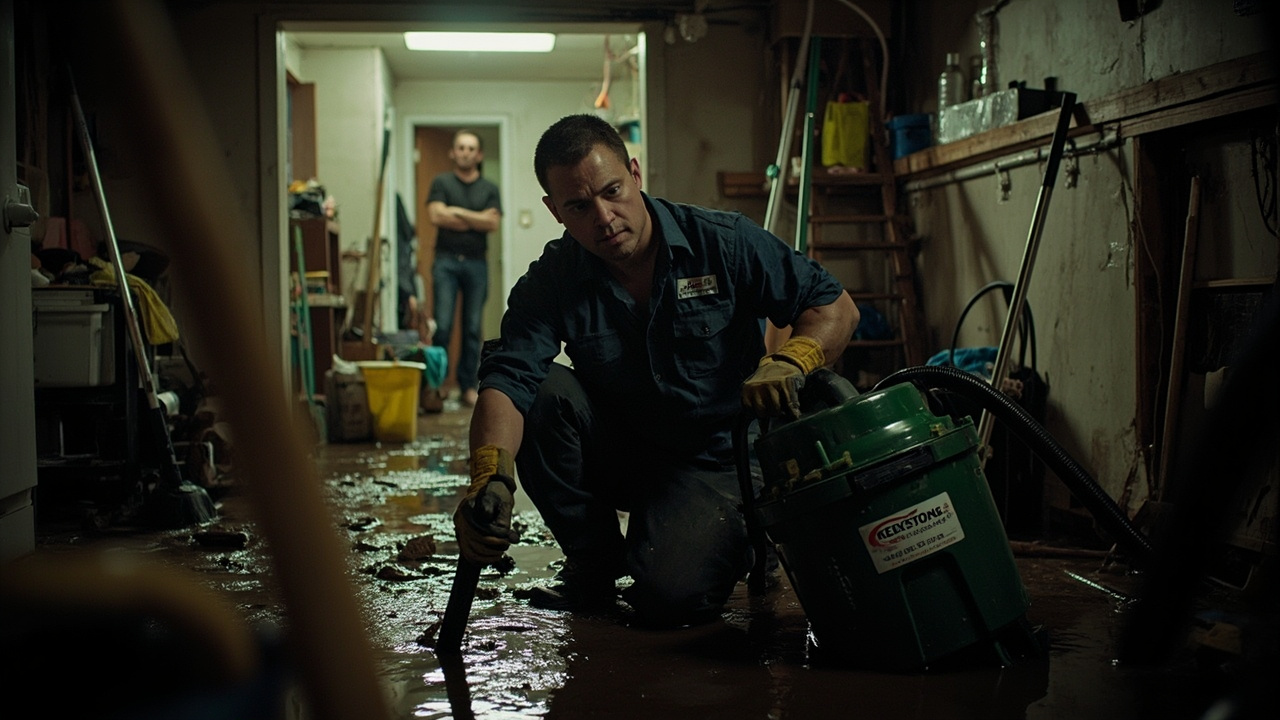
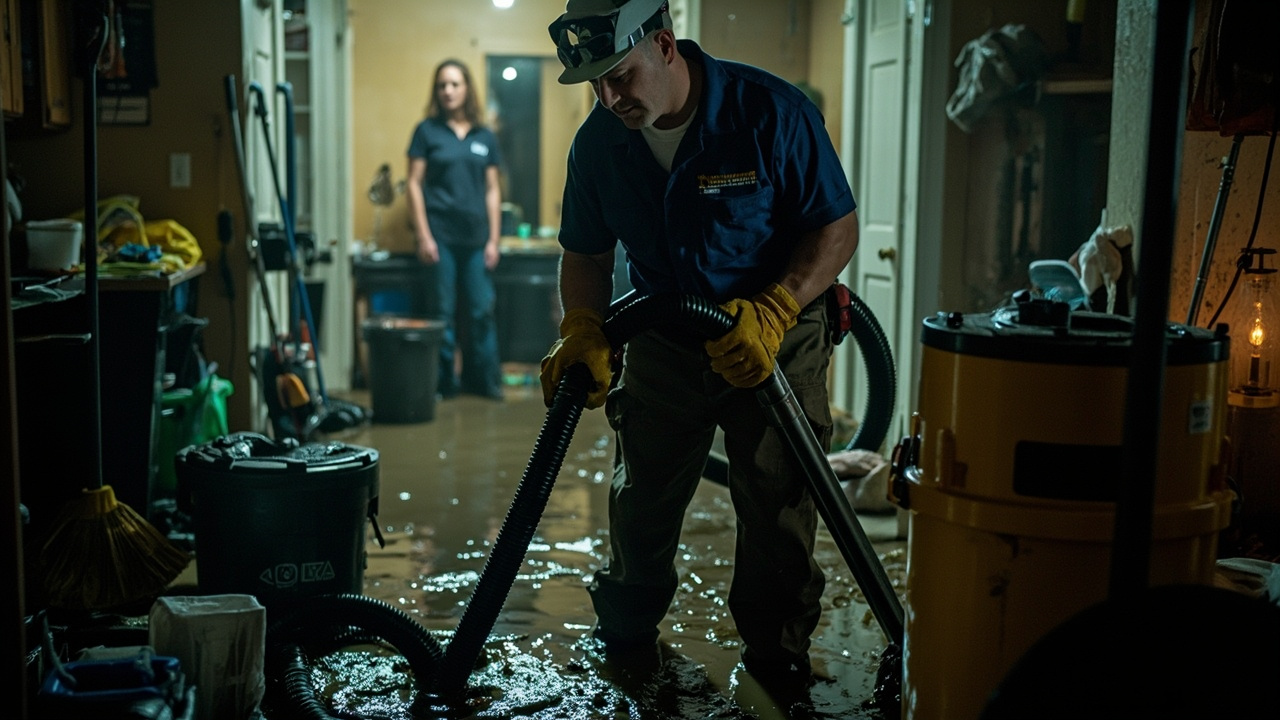
When you call Keystone Plumbing Cincinnati for emergency sewer backup cleanup, we dispatch a technician and extraction truck immediately. Our trucks carry 500-gallon waste tanks, truck-mounted vacuum systems generating 400 CFM suction, and EPA-registered disinfectants effective against waterborne pathogens.

The first priority is stopping the source. We camera-inspect your main sewer line to identify the blockage location and cause. If tree roots have infiltrated the pipe, we use a hydraulic root cutter attachment on our cable machine to clear the obstruction. If the backup stems from a collapsed section of your lateral line, we contain the flow and recommend repair options before proceeding with cleanup.

Next, we perform rapid sewer backup restoration by extracting all standing sewage using weighted wands that reach deep into carpet padding and subfloor cavities. We measure moisture levels in wall cavities with pin-type and non-invasive meters to map hidden saturation. Any material reading above 17 percent moisture content gets flagged for removal or intensive drying.

We remove and dispose of contaminated materials according to Ohio EPA guidelines. Drywall that contacted sewage gets cut 12 inches above the water line to ensure complete removal of wicking contamination. Carpet padding always comes out. Baseboards get removed to allow airflow behind walls.

We then apply hospital-grade quaternary ammonium disinfectants to all affected surfaces, allowing proper dwell time for microbial kill. High-velocity air movers and commercial dehumidifiers run for 48 to 72 hours to achieve structural drying below 15 percent moisture. We document the entire process with photos, moisture readings, and equipment logs for insurance claims.

What Happens During Emergency Sewage Extraction

Emergency Sewer Backup Cleanup in Cincinnati – Rapid Response Stops Contamination in Under 60 Minutes
01

Immediate Containment and Source Control

We arrive with protective equipment and immediately isolate the affected area to prevent contamination spread. Our technician shuts off water supply if necessary and identifies the backup source through visual inspection and sewer camera diagnostics. We clear the blockage using mechanical cables or hydro-jetting to stop additional sewage flow. Containment barriers go up to protect unaffected areas while we work. This first step prevents the situation from worsening and gives us a controlled workspace.
02

Complete Sewage Extraction and Removal

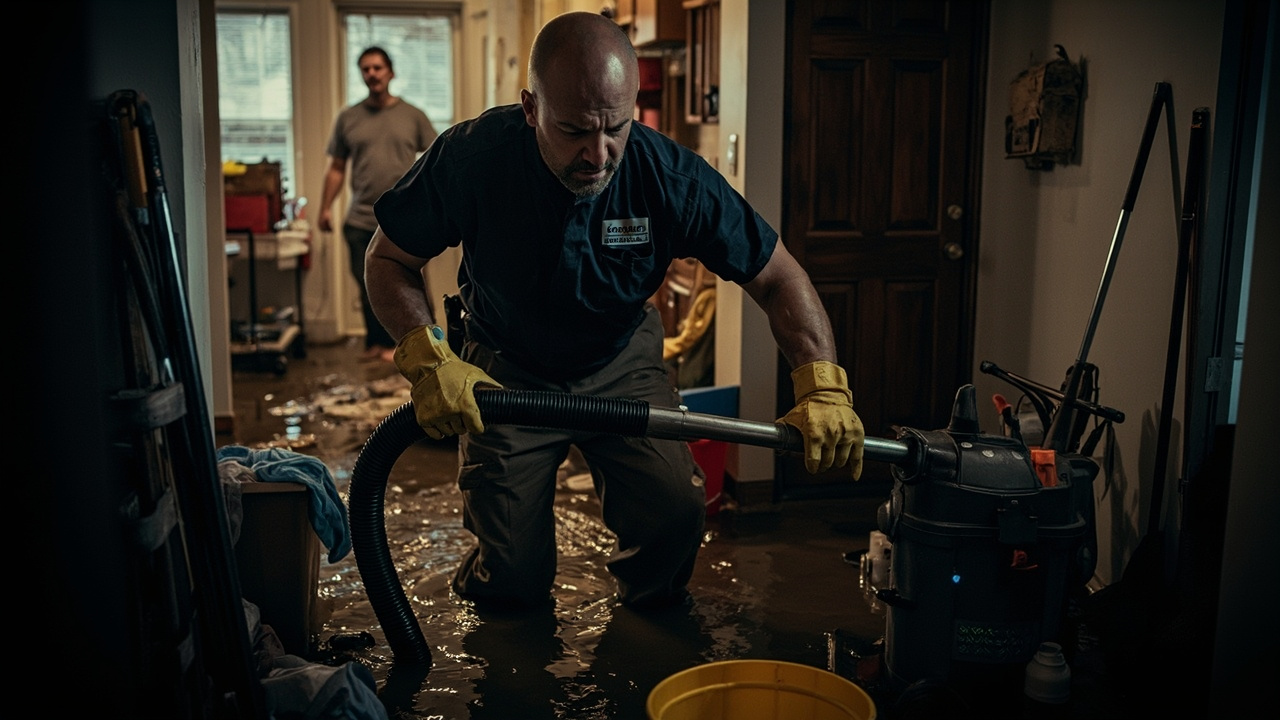
Using truck-mounted vacuum systems and submersible pumps, we extract every drop of sewage from floors, carpets, and subfloor cavities. Weighted extraction wands pull contaminated water from deep within carpet padding and beneath vinyl flooring. We remove all porous materials that contacted sewage, including insulation, drywall, and baseboards. Non-porous surfaces get scraped clean of solid waste and debris. Our extraction equipment handles both liquid sewage and suspended solids, transferring waste directly into our truck tanks for proper disposal at approved facilities.
03

Disinfection and Structural Drying

After extraction, we apply EPA-registered antimicrobial treatments to all surfaces using electrostatic sprayers that coat every exposed area. These disinfectants kill bacteria, viruses, and fungi on contact. We position commercial air movers and dehumidifiers throughout the space to achieve complete structural drying within 72 hours. Moisture meters confirm all materials reach safe levels below 15 percent. We document the entire process with timestamped photos and moisture logs. Your space becomes safe for reconstruction once we verify microbial kill and complete drying.

Why Cincinnati Homeowners Choose Keystone Plumbing for Sewage Emergencies

Sewer backup cleanup requires specialized equipment most plumbing companies do not stock. We maintain dedicated extraction trucks and respond to emergencies across Cincinnati 24 hours a day, including weekends and holidays. Our technicians hold IICRC certification in Applied Microbial Remediation, which means they understand pathogen behavior, cross-contamination risks, and proper disinfection protocols.

Cincinnati's building stock presents unique challenges. Homes in Northside, Westwood, and East Price Hill often have century-old cast iron or clay sewer laterals that deteriorate over time. We know where these problem areas exist and how to diagnose failures quickly. Our camera inspection equipment reveals cracks, offsets, and root intrusion that homeowners cannot see. This diagnostic precision prevents repeat backups by identifying the root cause, not just treating symptoms.

We also understand Cincinnati's municipal sewer system and how it interacts with private property. The Metropolitan Sewer District of Greater Cincinnati maintains lines up to the property connection point. Your lateral line from that connection to your home is your responsibility. When backups occur, determining liability matters for insurance claims. We document whether the failure originated in the municipal main or your private lateral, which protects you from wrongful claim denials.

Our relationships with local restoration contractors, insurance adjusters, and environmental disposal facilities streamline the recovery process. We coordinate with ServPro, Paul Davis Restoration, and other rebuild specialists to get your home back to normal quickly. We also work directly with insurance carriers to provide detailed documentation they require for Category 3 water loss claims.

Speed matters in sewage cleanup. We have extracted thousands of gallons from Cincinnati basements and know exactly how sewage behaves in different foundation types. We know that homes with stone foundations absorb more contamination than poured concrete. We know that homes near the Mill Creek or Ohio River face higher groundwater infiltration risks. This local knowledge translates to faster, more effective cleanup.

What to Expect During Emergency Sewer Backup Cleanup

Arrival Time and Immediate Action

We arrive within 60 minutes for emergency calls placed during business hours and within 90 minutes for overnight or weekend emergencies across the greater Cincinnati metro area. Our technician brings all necessary extraction equipment on the first visit, eliminating delays for return trips. We start work immediately upon arrival. You do not wait for estimates or approvals when sewage is spreading through your home. We stop the source, extract the contamination, and stabilize the situation before discussing costs. Our trucks carry enough supplies to handle cleanup jobs up to 2,000 square feet without restocking.

Assessment and Damage Documentation

Once we control the backup source, we perform a complete assessment using thermal imaging cameras and moisture meters to map all affected areas. We photograph damage before, during, and after cleanup. We measure moisture levels in walls, floors, and ceilings to identify hidden saturation that leads to mold growth if left untreated. We create a detailed scope of loss that documents contaminated materials, extraction volumes, equipment placement, and drying progress. This documentation becomes critical for insurance claims. We also test your sewer line with a camera to identify the blockage cause and recommend repairs to prevent recurrence.

Complete Contamination Removal

You get a space that is safe to occupy and rebuild. We extract every trace of sewage, remove all contaminated porous materials, and disinfect all remaining surfaces to hospital-grade standards. We dry your structure completely, verified by moisture meter readings, to prevent secondary mold damage. You receive documentation showing our disinfection products, application methods, and dwell times. We remove all debris and contaminated materials from your property, transporting waste to approved disposal facilities. Your home smells clean because we eliminate odor at the molecular level using hydroxyl generators and activated carbon filtration, not masking agents.

Follow-Up and Prevention Planning

After cleanup, we provide a detailed report including camera inspection findings, photos, and recommendations to prevent future backups. If your sewer lateral needs repair or replacement, we coordinate with excavation crews and handle permit applications with Cincinnati's Department of Buildings and Inspections. If tree roots caused the backup, we explain maintenance hydro-jetting schedules that keep lines clear. We also discuss backwater valve installation, which prevents municipal main overflows from entering your home during heavy rain events. These valves are especially valuable for homes in low-lying areas near the Ohio River. We follow up 48 hours after completion to verify your satisfaction and answer questions.

Frequently Asked Questions

You Have Questions,
We Have Answers

How do you clean up after sewage back up? +

Stop water flow immediately. Turn off your water main if the backup continues. Remove standing sewage water using a wet vacuum or pump. Wear protective gear: gloves, boots, and a respirator mask. Discard porous materials like carpets and drywall that contacted sewage. Scrub all hard surfaces with antimicrobial cleaner and hot water. Disinfect twice. Run dehumidifiers and fans to dry the area completely within 24 hours to prevent mold. Cincinnati's humidity makes fast drying critical. Do not attempt cleanup if sewage exceeds a few inches or covers multiple rooms. Call a professional restoration team for Category 3 water damage.

How much does sewage backup cleanup cost? +

Cleanup costs range based on contamination level and damage extent. Minor backups affecting a single bathroom may cost less, while multi-room flooding with structural damage costs significantly more. Factors include water extraction volume, disposal of ruined materials, antimicrobial treatment, drying equipment rental, and labor hours. Cincinnati's older sewer infrastructure and clay soil conditions can worsen damage, increasing costs. Emergency response charges apply for 24-hour service. Insurance may cover part or all costs if you carry sewer backup endorsement coverage. Get multiple quotes and ask about insurance billing assistance before work begins.

How long do sewage bacteria last on surfaces? +

Sewage bacteria can survive on surfaces for days to weeks without proper disinfection. E. coli and Salmonella remain infectious for several days on hard surfaces. Viruses like Hepatitis A survive up to two months on porous materials in humid conditions. Cincinnati's seasonal humidity extends bacteria survival time. Single cleaning is not enough. You must disinfect all contaminated surfaces twice with EPA-registered antimicrobial products. Porous materials like carpet, insulation, and drywall cannot be adequately disinfected and must be removed. Always assume sewage-contaminated surfaces remain hazardous until professional decontamination and testing confirm safety.

What is considered a sewer emergency? +

A sewer emergency includes raw sewage backing up into your home through drains, toilets overflowing with wastewater, or sewage pooling in your basement. Multiple drains backing up simultaneously signals a main sewer line blockage. Sewage odor does not always mean emergency, but visible wastewater does. Sewage contains dangerous pathogens that threaten health immediately. Cincinnati's combined sewer system can cause backups during heavy rain events. If you see or smell sewage inside your home, stop using all water fixtures. Call a 24-hour emergency plumber immediately. Do not wait. Sewage exposure worsens by the hour.

Is it safe to live in a house after sewage backup? +

No. Do not occupy your home until professional cleanup and disinfection finish. Sewage contains E. coli, Hepatitis A, Salmonella, and parasites. Airborne pathogens spread through your HVAC system. Children, elderly, and immunocompromised individuals face severe health risks. Cincinnati's older homes with crawl spaces and basements trap contaminated moisture, creating mold within 24 hours. You need complete water extraction, antimicrobial treatment, structural drying, and air quality testing before re-entry. Temporary relocation protects your family. Many homeowners insurance policies cover hotel stays during sewage remediation. Prioritize health over convenience. Wait for professional clearance.

Can you clear a main sewer line clog yourself? +

Do not attempt main sewer line clearing yourself. Main lines run underground from your home to the street connection. They require specialized equipment like motorized augers and hydro-jetting machines. Cincinnati's clay soil and tree root intrusion make DIY attempts dangerous and ineffective. You risk damaging old clay or cast iron pipes, worsening the backup. Sewage exposure during amateur clearing causes serious illness. Main line clogs often result from collapsed pipes, bellied sections, or municipal line issues that need camera inspection. Call a licensed plumber with sewer camera technology. They diagnose the exact problem and clear it safely.

Does homeowners insurance cover sewer back ups? +

Standard homeowners insurance does not cover sewer backups. You must purchase a separate sewer backup endorsement or rider. This optional coverage adds minimal cost to your annual premium but protects against sewage damage to your home, belongings, and cleanup expenses. Many Cincinnati homeowners skip this coverage and face thousands in out-of-pocket costs. Review your policy immediately. If you lack backup coverage, add it now before the next heavy rain event. The endorsement typically covers water damage from sewer or drain backups, including cleanup and restoration. Contact your insurance agent to verify your coverage details.

Why is my sewer bill 200 dollars? +

Your question about a high sewer bill is separate from emergency sewage backups. Sewer bills reflect water usage volume, not backup cleanup costs. High bills result from leaks, increased household water use, or rate increases by your municipal sewer district. Cincinnati sewer rates vary by district. Check your water meter for leaks. A running toilet or dripping faucet wastes thousands of gallons monthly. Compare recent bills to identify usage spikes. Contact Greater Cincinnati Water Works or your local sewer district to dispute billing errors. This is a billing question, not a plumbing emergency requiring cleanup services.

Are blocked drains covered by insurance? +

Standard homeowners insurance rarely covers blocked drains. Drain blockages result from maintenance issues like grease buildup, hair clogs, or tree roots. Insurance considers these preventable problems, not sudden accidents. However, if a blocked drain causes water damage, your policy may cover the resulting damage but not the drain clearing itself. Sewer backup coverage is different and requires a separate endorsement. Cincinnati's aging sewer infrastructure and root intrusion make backup endorsements critical. Review your policy exclusions. Most insurers deny claims for gradual maintenance failures. Regular drain maintenance prevents blockages and insurance claim denials.

Can you get sick from smelling raw sewage? +

Yes. Raw sewage releases hydrogen sulfide gas, methane, and ammonia. Short exposure causes headaches, nausea, dizziness, and respiratory irritation. Prolonged exposure leads to serious illness. Sewage contains airborne pathogens like E. coli and viruses that spread through mist and vapor. Cincinnati's humid climate intensifies sewage odor and bacterial aerosolization. If you smell sewage inside your home, leave immediately. Do not breathe contaminated air. Open windows only if safe to do so briefly. Wear an N95 respirator if you must enter the space. Call emergency cleanup professionals. Sewage odor signals dangerous contamination requiring immediate professional response.

Why Cincinnati's Combined Sewer System Increases Backup Risk During Spring Storms

Cincinnati operates one of the nation's largest combined sewer systems, where stormwater and sanitary sewage flow through the same pipes. When spring thunderstorms drop two inches of rain in an hour, the system reaches capacity. The Metropolitan Sewer District diverts overflow into the Mill Creek and Ohio River to prevent treatment plant flooding. However, this surge creates backpressure that forces sewage up through floor drains and toilets in thousands of Cincinnati homes, especially in older neighborhoods with undersized laterals. Homes built before 1950 in Over-the-Rhine, West End, and Lower Price Hill face the highest risk because their sewer connections were designed for much smaller volumes.

Local plumbers in Cincinnati understand the Combined Sewer Overflow problem and how it affects residential properties. We work directly with the Metropolitan Sewer District to determine whether backups originate from municipal main surges or private lateral failures. This distinction matters for liability and insurance coverage. We also understand Cincinnati's Backwater Valve Installation Program, which offers rebates to homeowners who install approved prevention devices. Our technicians are familiar with local permit requirements and inspection protocols specific to Hamilton County. When you need emergency sewer backup cleanup, you need someone who knows Cincinnati's infrastructure, not a national franchise reading from a generic manual.
Plumbing Services in The Cincinnati Area

We are proud to serve the entire area, providing exceptional plumbing services to our community. Our service area covers all of the city and its surrounding neighborhoods. Use the map to see our location and get directions, or simply give us a call to schedule a service. Our team is always ready to travel to your location to address your plumbing needs quickly and efficiently, ensuring you receive the prompt service you deserve.

Address:
Keystone Plumbing Cincinnati, 71 E Hollister St, Cincinnati, OH, 45219

Additional Services We Offer

Our news updates

Latest Articles & News from The Blogs

Why a Whole House Repiping Project in St. Bernard is a Smart Investment If you own a home in St.…

Why a Whole House Repiping Project in St. Bernard is a Smart Investment

Why a Whole House Repiping Project in St. Bernard is a Smart Investment If you own a home in St.…

Do You Know Exactly Where the Main Water Shut-Off Valve is in Your Silverton Home?

Do You Know Exactly Where the Main Water Shut-Off Valve is in Your Silverton Home? A burst pipe can dump…

Protecting the Exposed Plumbing in Your Madisonville Crawl Space From Rodents and Cold

Protecting the Exposed Plumbing in Your Madisonville Crawl Space From Rodents and Cold \n\n Exposed pipes in Madisonville crawl spaces…

Contact Us

Raw sewage spreads disease and destroys property fast. Every minute you wait increases contamination and cost. Call Keystone Plumbing Cincinnati now at (513) 717-2899 for immediate dispatch. We answer 24/7 and arrive ready to extract, disinfect, and restore your home.