Menu

Signs You Need Sewer Repair in Cincinnati – Expert Diagnosis Before the Damage Spreads

Learn to identify the warning signs of main sewer line issues specific to Cincinnati homes, from slow drains to foundation cracks, so you can catch sewer line failure symptoms early and protect your property from costly water damage and health hazards.

Slider Image 1
Slider Image 2
Slider Image 3
Slider Image 4
Slider Image 5
Slider Image 7
Slider Image 8
Slider Image 9
Slider Image 10
Slider Image 11

The Hidden Threat Under Cincinnati Homes

Your sewer line sits beneath your foundation, quietly carrying waste away from your home. Until it doesn't. Cincinnati's clay soil creates unique pressure on underground pipes. When the ground shifts during freeze-thaw cycles, it crushes older cast iron and Orangeburg pipes. When summer droughts cause soil to contract, pipes lose support and sag. Tree roots from the maples and oaks that line streets in neighborhoods like Hyde Park and Mount Lookout seek moisture in sewer lines, infiltrating through tiny cracks and creating complete blockages.

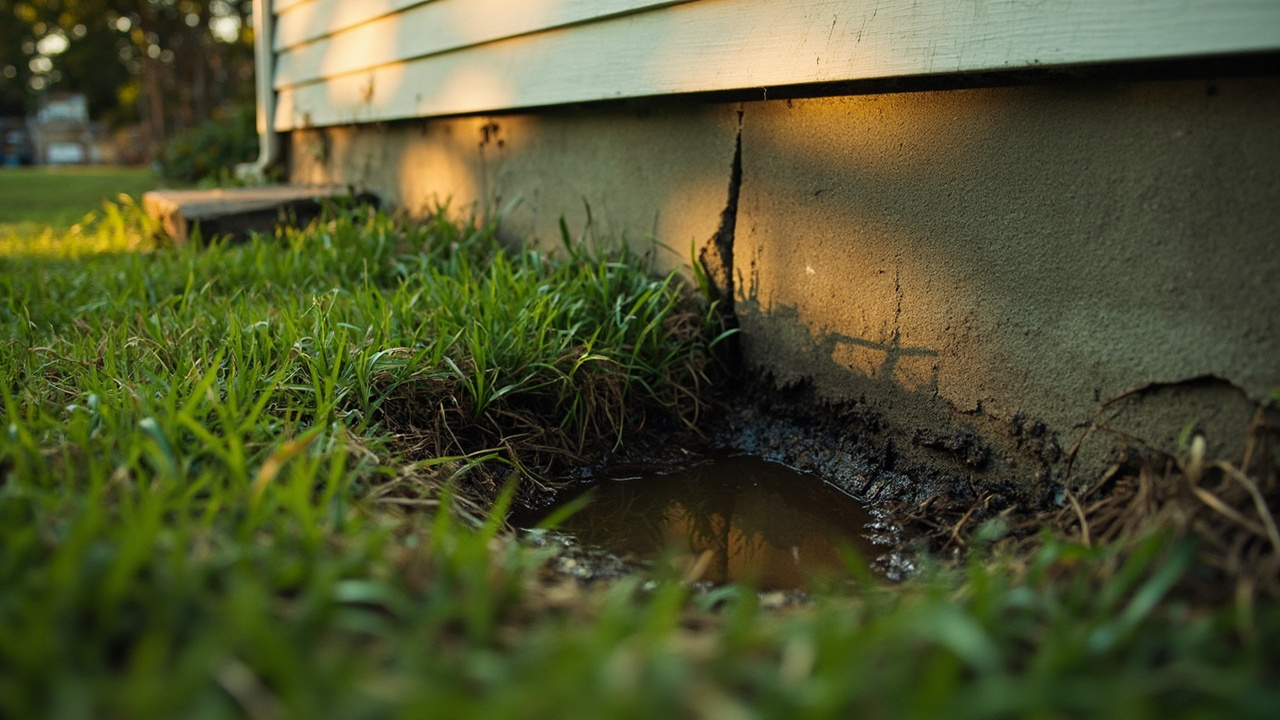
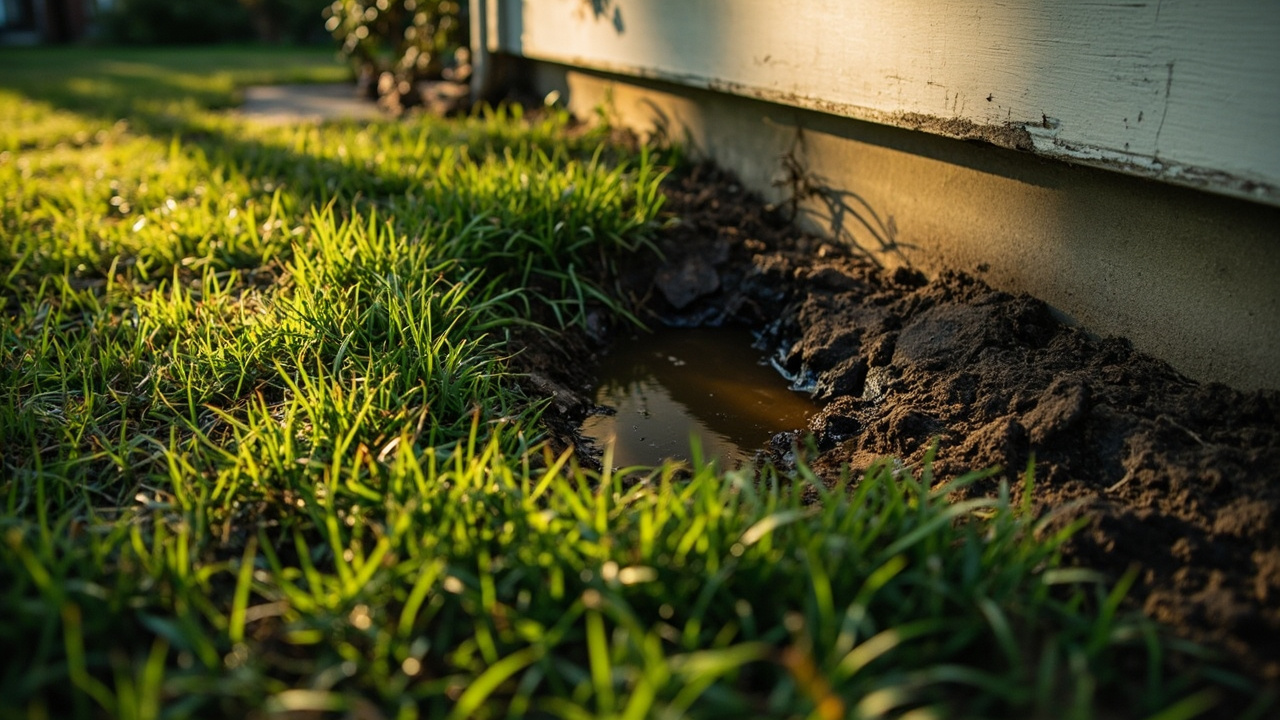
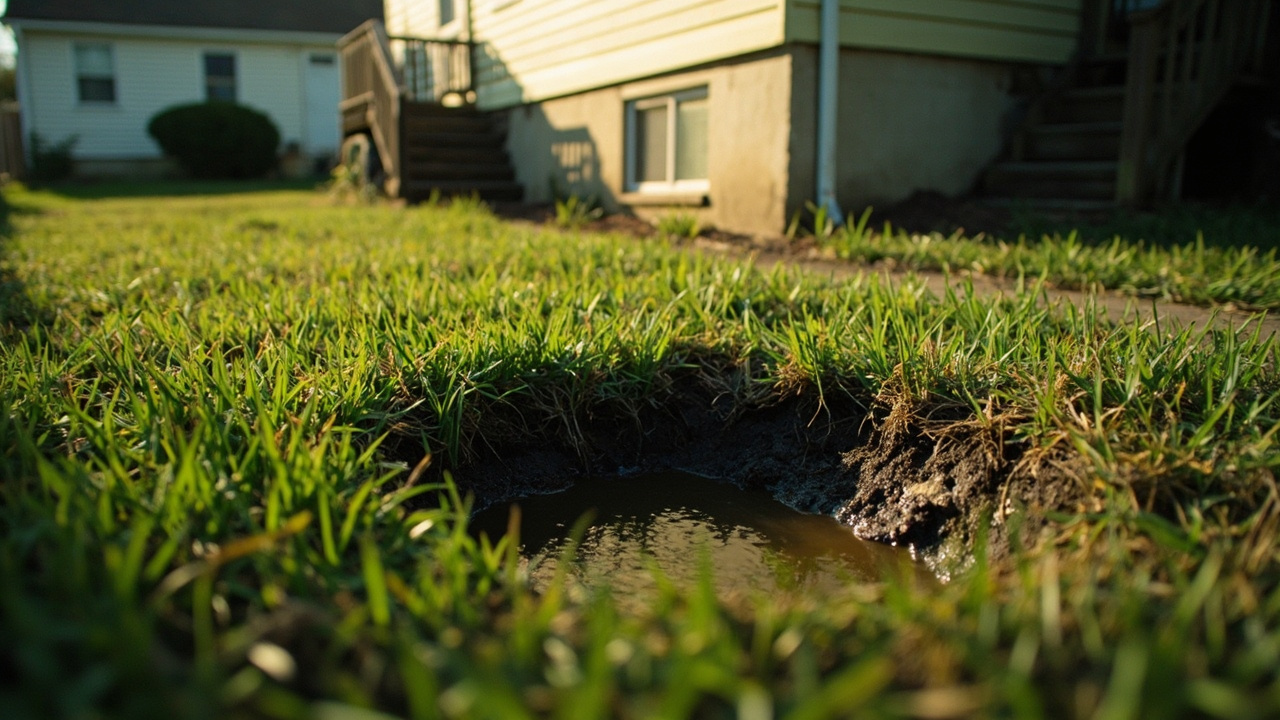
You might notice the first indicators of sewer line damage in your basement. A foul odor near floor drains signals sewage backing up through the system. Multiple slow drains throughout your home, not just one clogged sink, point to a main line problem. If you see water pooling in your yard above the sewer line path or notice patches of unusually green grass, sewage is likely leaking underground and fertilizing the soil.

The symptoms of a broken sewer line escalate quickly. What starts as a gurgling toilet becomes a basement full of raw sewage. How to tell if your sewer pipe is broken comes down to recognizing these warning signs of main sewer line issues before you face an emergency. Cincinnati homeowners who ignore these sewer line failure symptoms often discover foundation cracks, structural damage, and contaminated soil that costs tens of thousands to remediate.

The Hidden Threat Under Cincinnati Homes
How We Diagnose the Real Problem

How We Diagnose the Real Problem

Guessing where your sewer line failed wastes time and money. We use video pipe inspection to see exactly what's happening inside your line. A waterproof camera travels through your entire system, from the house trap to the municipal connection at the street. The feed shows us cracks, root intrusion, bellied sections where the pipe has sagged, and offset joints where sections have separated.

This diagnostic method matters because symptoms of a broken sewer line don't always point to the actual location of failure. A backup in your basement might originate from a collapsed section under your driveway. Slow drains could result from a bellied pipe that collects waste and water. We mark the exact footage where problems occur, which determines whether you need spot repair, pipe lining, or full replacement.

Cincinnati's sewer infrastructure includes homes with original clay tile lines from the 1920s, cast iron from the post-war boom, and Orangeburg fiber pipe from the 1950s. Each material fails differently. Clay tile separates at joints. Cast iron corrodes from the inside out. Orangeburg compresses and collapses under soil pressure. We identify your pipe material and its specific failure mode, then recommend the repair method that actually fixes the problem instead of masking it temporarily.

The camera inspection also reveals how tree roots entered your system. If we see hair-like roots, the crack is small and recent. If we see root masses filling the pipe, the damage is extensive and likely structural. This distinction determines whether we can clear roots and line the pipe or need to excavate and replace the damaged section.

What Happens During Your Sewer Line Assessment

Signs You Need Sewer Repair in Cincinnati – Expert Diagnosis Before the Damage Spreads
01

Initial System Evaluation

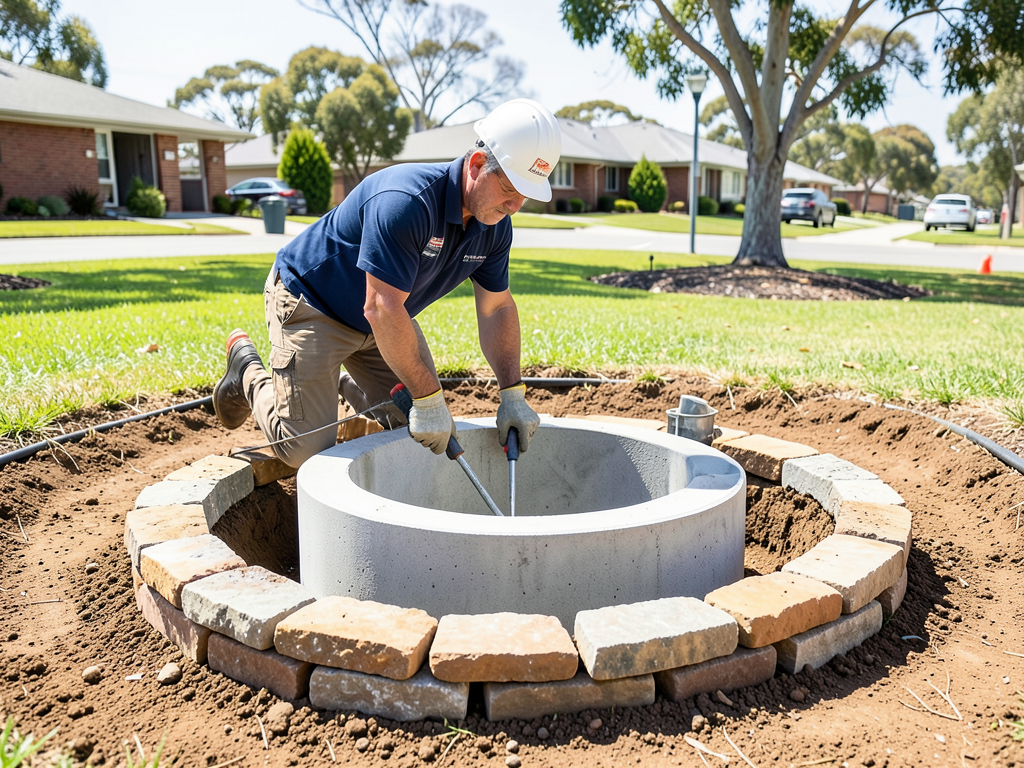
We start by mapping your plumbing fixtures and identifying where your main line exits the foundation. We locate the cleanout access point, typically a white or black PVC cap near your foundation or in the basement floor. If your home lacks a cleanout, common in pre-1970s Cincinnati construction, we access the line through a roof vent or toilet flange. We note all symptoms you've experienced, when they occur, and whether they affect specific fixtures or the whole house.
02

Camera Line Inspection

The inspection camera enters your sewer line through the cleanout and travels toward the street connection. The camera head contains LED lights and records high-definition video. We watch for bellied sections, cracks, root intrusion, grease buildup, and collapsed pipe. The camera's distance counter tells us exactly how many feet from your foundation the problem exists. This precision guides excavation if replacement is needed, minimizing landscape disruption and reducing labor costs.
03

Diagnosis and Options

After reviewing the camera footage with you, we explain what caused the failure and present repair options. Minor cracks may qualify for epoxy pipe lining. Significant root intrusion might need hydro jetting followed by lining. Collapsed sections require excavation and replacement. We provide cost comparisons for each method and explain how long each solution lasts. You leave the assessment with clear information about your sewer line condition and a written estimate for recommended repairs.

Why Cincinnati Homeowners Trust Local Sewer Expertise

Cincinnati's underground infrastructure presents challenges that national chain plumbers don't understand. We know that homes in Clifton and Northside often have shared sewer laterals, where your line connects to a neighbor's before reaching the city main. We understand that properties in the hillside neighborhoods like Mount Adams and Price Hill have sewer lines running at steep grades that affect how waste flows and where clogs form.

Local building codes matter when replacing sewer lines. Cincinnati requires specific backflow prevention devices for basement fixtures. The Greater Cincinnati Water Works mandates approved materials for the connection between your lateral and the city main. We pull permits when required and coordinate inspections so your repair meets code the first time.

We also understand the relationship between your sewer line and your foundation. Many Cincinnati homes sit on crawl spaces or have partial basements. When sewer lines leak beneath these structures, moisture undermines the foundation and creates conditions for mold growth. We've seen enough homes in neighborhoods like Columbia-Tusculum and East Walnut Hills to recognize when a sewer problem has already affected your foundation. If we spot signs of structural compromise during our inspection, we tell you immediately so you can address both issues before damage escalates.

The soil composition throughout Hamilton County varies from dense clay to areas with limestone bedrock close to the surface. This affects excavation methods and repair costs. We know which neighborhoods require specialized equipment and factor that into estimates upfront. You won't get surprise charges when we hit bedrock in your yard.

What You Can Expect From Start to Finish

Response Time and Scheduling

We schedule camera inspections within 24 to 48 hours of your call. If you're experiencing an active sewage backup, we prioritize emergency service and arrive the same day in most cases. The inspection itself takes 45 minutes to two hours, depending on the length of your sewer line and the complexity of access. For non-emergency assessments, we offer appointment windows that fit your schedule, including evenings and weekends. Once we complete the inspection and you approve a repair plan, most spot repairs and pipe lining happen within three to five business days. Full line replacements that require excavation typically take one to three days, weather permitting.

The Assessment Process

Our technician arrives with camera equipment and asks detailed questions about the symptoms you've noticed. We locate your cleanout or create access if needed. You watch the live camera feed on a monitor as we navigate your sewer line. We explain what you're seeing in real time and point out problem areas. The technician marks exact locations of damage, measures pipe diameter and material type, and notes the depth of the line. After the inspection, we sit down with you to review findings and discuss repair options. You receive a detailed written estimate that breaks down labor, materials, and any permit fees before we begin work.

The Quality of Repair

All replaced pipe sections use schedule 40 PVC, the current standard for residential sewer lines in Cincinnati. Connections are solvent-welded, not compression-fitted, to prevent future leaks. If we perform trenchless pipe lining, the epoxy resin cures to create a smooth, jointless pipe inside your existing line. The cured liner resists root intrusion and has a functional lifespan of 50 years or more. After repair, we test the line by running water through all your fixtures and checking for proper flow and drainage. If we excavated, we compact backfill in layers to prevent settling and restore your landscape to match the surrounding grade.

Ongoing Maintenance Recommendations

After completing your repair, we provide guidance on preventing future problems. For homes with mature trees near the sewer line, we recommend annual or bi-annual root treatment using copper sulfate or root-killing foam. If your line showed early signs of grease buildup, we explain proper disposal methods and suggest periodic hydro jetting to maintain flow. We keep digital records of your camera inspection, including video and still images, so future service calls have reference material showing your line's condition over time. Many customers schedule preventive camera inspections every three to five years to catch small issues before they become expensive emergencies.

Frequently Asked Questions

You Have Questions,
We Have Answers

What are four signs that your sewer line is broken? +

Four clear signs indicate a broken sewer line. First, multiple drains in your home back up at once, not just one sink or toilet. Second, you notice sewage odors inside or outside your home, especially near foundation walls. Third, patches of your yard stay soggy or grow unusually green grass even during dry Cincinnati summers. Fourth, you hear gurgling sounds from drains or toilets when water runs elsewhere in the house. Clay soil common in Cincinnati can shift and crack older pipes, making these symptoms more likely in homes built before 1980.

How do you tell if you have a sewer problem? +

You have a sewer problem when water drains slowly throughout your entire home, not just one fixture. Watch for water backing up in your basement floor drain or lowest bathroom when you flush upstairs toilets. Sewage smells near your foundation or in your basement signal a breach in the line. In Cincinnati yards, look for sinking spots or foundation cracks that appear suddenly. Tree roots from mature oaks and maples common in older neighborhoods aggressively invade cracked sewer pipes. If pests like rats or insects suddenly appear, they may enter through damaged sewer lines.

How do you know if your sewer line needs to be replaced? +

Your sewer line needs replacement when repeated clogs happen monthly despite professional cleaning. If a camera inspection reveals multiple cracks, root intrusion throughout the pipe, or sections that have collapsed or separated, patching fails. Orangeburg pipe or clay tile common in Cincinnati homes built before 1970 deteriorates beyond repair after 50 years. Persistent sewage backups, foundation settling, or standing water in your yard despite repairs indicate the line has failed. If video inspection shows the pipe has bellied due to soil shifting, replacement becomes necessary because water pools and creates permanent blockages.

Does homeowners insurance cover main sewer line repair? +

Homeowners insurance typically does not cover main sewer line repair because insurers consider it normal maintenance, like replacing a roof. Standard policies exclude damage from wear, deterioration, or lack of maintenance. However, if a sudden, covered peril like a tree falling during a storm crushes your sewer line, you may have coverage. Some insurers offer optional sewer backup endorsements for an additional premium, but these usually cover interior damage from backups, not the exterior pipe itself. Review your specific policy or contact your agent about coverage limitations before assuming protection.

How much does it cost to fix a collapsed sewer line? +

Repairing a collapsed sewer line varies widely based on depth, location, and method. Traditional excavation costs more when the pipe sits under concrete driveways or mature landscaping. Trenchless methods like pipe bursting or lining reduce surface disruption but require accessible cleanouts. Cincinnati clay soil can complicate excavation because it shifts and requires additional shoring. Depth matters because Cincinnati sewer lines often sit 6 to 10 feet down to reach city mains. Permits, inspection fees, and restoration add to final costs. Get multiple quotes and ask about trenchless options before choosing repair methods.

Who is responsible for a broken sewer pipe? +

Responsibility splits at the property line. You own and maintain the sewer lateral from your home to where it connects with the city main, usually at the street or easement. The Metropolitan Sewer District of Greater Cincinnati owns the main line. If your private lateral breaks under your yard or driveway, you pay for repairs. If tree roots from city property damage your line, you still typically pay unless you prove the city knew about hazardous tree conditions. Some Cincinnati suburbs offer different policies, so check with your local municipality about specific responsibility boundaries.

How much does it cost to have your sewer line inspection? +

A professional sewer line camera inspection involves inserting a waterproof camera through a cleanout to video the entire pipe. The process typically takes one to two hours depending on line length and complexity. Cincinnati plumbers use this method to identify root intrusion, cracks, bellied sections, or blockages without digging. Costs vary based on line length and whether the technician needs to locate the camera underground using radio transmitters. Many plumbers include inspection footage so you see exactly what they found. Request a recording or detailed report showing specific problem locations and depths.

Can sewer pipes be repaired without digging? +

Yes, trenchless methods repair sewer pipes without traditional excavation. Pipe lining inserts an epoxy-coated sleeve through existing cleanouts, then inflates and cures to create a new pipe inside the old one. Pipe bursting uses a hydraulic head to fracture the damaged pipe while simultaneously pulling new pipe into place. Both methods work well in Cincinnati where digging through clay soil and around mature tree roots complicates traditional trenching. Trenchless repair preserves landscaping, driveways, and sidewalks. However, pipes with severe collapses or major offsets may still require excavation for proper correction.

How to check if main sewer line is clogged? +

Check your main sewer line by flushing a toilet while watching your basement floor drain or lowest bathroom. If water backs up there, the main line has a clog downstream. Listen for gurgling from drains when you run water elsewhere. Remove the cleanout cap outside your foundation and look for standing water or sewage, which indicates a blockage between that point and the street. Multiple slow drains throughout your home, not just one fixture, signal main line trouble. Professional camera inspection provides definitive diagnosis by showing the blockage location and cause.

What is the average lifespan of a sewer line? +

Sewer line lifespan depends entirely on pipe material. Cast iron lasts 50 to 75 years but corrodes from inside, common in Cincinnati homes built between 1900 and 1970. Clay tile pipes last 50 to 60 years before tree roots exploit joints and cracks. Orangeburg fiber pipes, used from 1940 to 1970, deteriorate after just 30 to 50 years. Modern PVC pipes last over 100 years with minimal maintenance. Cincinnati clay soil accelerates deterioration by shifting and creating stress points. If your home predates 1980 and still has original sewer lines, schedule a camera inspection to assess remaining lifespan.

Why Cincinnati's Soil and Climate Accelerate Sewer Line Damage

Cincinnati sits in the Ohio River Valley, where clay-heavy soil expands when wet and contracts during dry periods. This constant movement exerts pressure on rigid sewer pipes, particularly older materials like cast iron and clay tile that lack flexibility. Winter freeze-thaw cycles compound the problem. Water in the soil freezes and expands, pushing against pipes from all sides. When spring arrives and the ground thaws, pipes often settle into slightly different positions, causing joints to separate or cracks to form. Homes in hillside neighborhoods experience additional stress from soil creep, where gravity slowly pulls saturated clay downhill and bends pipes out of alignment.

Greater Cincinnati's housing stock includes tens of thousands of homes built before 1960, when sewer line materials and installation standards differed significantly from today. We've worked on properties throughout Hamilton County, from the historic districts in Over-the-Rhine to suburban developments in Anderson Township, and understand how different eras of construction affect sewer line integrity. Local plumbers who understand these patterns diagnose problems faster and recommend solutions that account for your home's specific age, construction method, and location. This expertise prevents misdiagnosis and ensures repairs address the actual failure mode, not just the visible symptoms.
Plumbing Services in The Cincinnati Area

We are proud to serve the entire area, providing exceptional plumbing services to our community. Our service area covers all of the city and its surrounding neighborhoods. Use the map to see our location and get directions, or simply give us a call to schedule a service. Our team is always ready to travel to your location to address your plumbing needs quickly and efficiently, ensuring you receive the prompt service you deserve.

Address:
Keystone Plumbing Cincinnati, 71 E Hollister St, Cincinnati, OH, 45219

Additional Services We Offer

Our news updates

Latest Articles & News from The Blogs

The Best Way to Add a Bidet to Your Glendale Home Without a Full Remodel Adding a bidet to your…

The Best Way to Add a Bidet to Your Glendale Home Without a Full Remodel

The Best Way to Add a Bidet to Your Glendale Home Without a Full Remodel Adding a bidet to your…

Why a Whole House Repiping Project in St. Bernard is a Smart Investment

Why a Whole House Repiping Project in St. Bernard is a Smart Investment If you own a home in St.…

Do You Know Exactly Where the Main Water Shut-Off Valve is in Your Silverton Home?

Do You Know Exactly Where the Main Water Shut-Off Valve is in Your Silverton Home? A burst pipe can dump…

Contact Us

Don't wait for a sewage backup to confirm you have a problem. Call (513) 717-2899 now to schedule a professional camera inspection. We'll show you exactly what's happening inside your sewer line and explain your options with transparent pricing and no pressure to commit.