
Locating and Fixing Hidden Slab Leaks in Your Cincinnati Home
Water leaking under your concrete slab creates silent destruction that can cost thousands in repairs before you notice a problem. In Cincinnati’s clay-rich soil, slab leaks are particularly dangerous because shifting foundations put stress on pipes, causing cracks that allow water to escape undetected. You might see higher water bills, warm spots on floors, or hear running water when all fixtures are off. These are your first warning signs that require immediate professional attention. Cincinnati Water Works.
Warning Signs of a Hidden Slab Leak
Slab leaks often develop slowly, making them difficult to detect until significant damage occurs. The most common indicator is an unexplained increase in your water bill. If your usage habits haven’t changed but costs rise by 20% or more, you likely have a leak somewhere in your system. Finding the Best Water Heater Replacement for Your West Chester House.
Physical symptoms include warm or damp spots on your floor, especially over hot water lines. You might notice areas of your carpet or hardwood that feel cooler than surrounding spaces. Listen for the sound of running water when all faucets and appliances are turned off. This continuous noise indicates water escaping somewhere in your plumbing system. Who to Call for an Emergency Plumbing Crisis in Downtown Cincinnati.
Mold growth or mildew odors in specific areas of your home suggest moisture accumulation from a hidden leak. Cincinnati’s humid climate accelerates mold development once water becomes trapped under flooring or within walls.. Read more about How to Fix Low Water Pressure in Your Indian Hill Home.
Foundation movement provides another critical warning sign. If you notice cracks in your walls, especially near doorways or windows, or if doors begin sticking, water under your slab may be causing soil expansion and contraction.
Advanced Non-Invasive Detection Technology
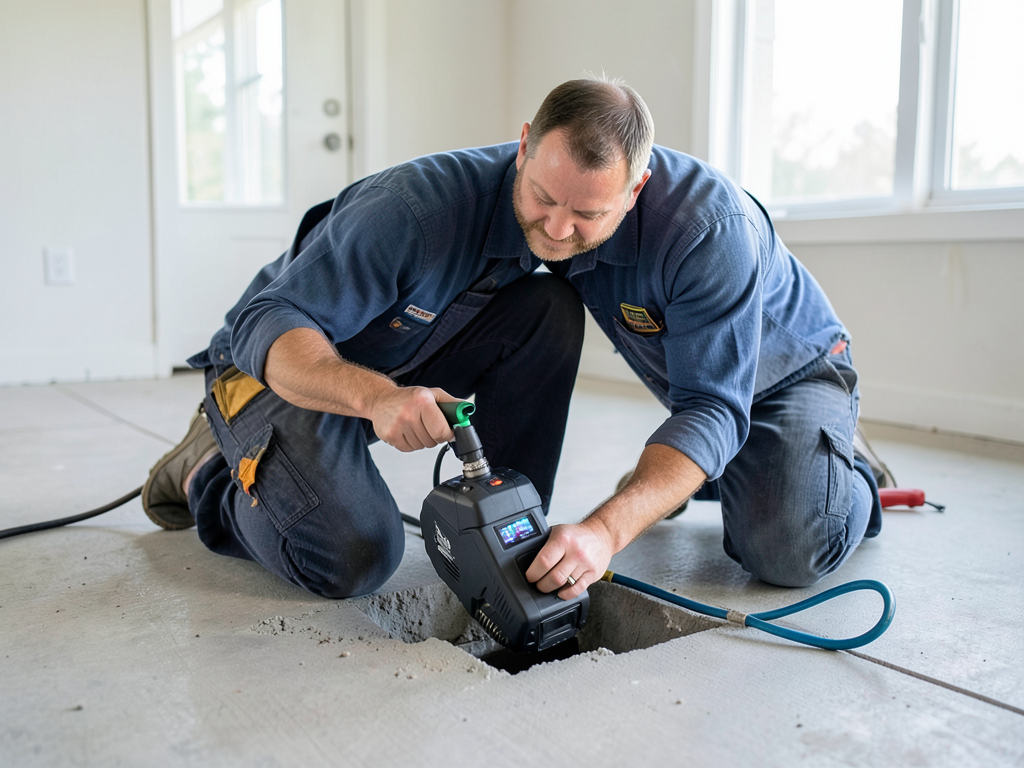
Modern leak detection eliminates the need for destructive exploratory work. Our technicians use acoustic sensors that amplify the sound of water escaping through pipes. These devices can pinpoint leaks within inches, even through several feet of concrete.
Thermal imaging cameras detect temperature differences caused by leaking hot water lines. The cameras create visual maps showing exactly where water is escaping, allowing targeted repairs without unnecessary demolition. Industrial Pipe Repair.
Electronic leak detection equipment measures pressure changes and sound frequencies unique to water escaping under pressure. This technology works effectively on both copper and PVC pipes common in Cincinnati homes.
Tracer gas testing involves injecting a safe, non-toxic gas into your plumbing system. The gas escapes through leak points and rises through concrete, where specialized detectors locate the exact source.
Moisture meters measure water content in building materials. These tools help determine the extent of water damage and guide repair strategies.. Read more about Emergency Pipe Repair for Frozen Lines During a Cincinnati Cold Snap.
Cincinnati-Specific Slab Leak Challenges
Cincinnati’s high clay content soil creates unique slab leak risks. Clay expands when wet and contracts when dry, putting tremendous pressure on buried pipes. This constant movement causes microscopic cracks that grow over time.
Freeze-thaw cycles common in Cincinnati accelerate pipe deterioration. Water trapped in small cracks expands when frozen, creating larger fractures that allow continuous leakage.
Many Cincinnati homes built before 1980 used copper pipes without modern corrosion protection. These pipes are particularly vulnerable to pinhole leaks caused by chemical reactions between copper and minerals in our water supply.
According to the Cincinnati Water Works, the average household loses 10,000 gallons annually to leaks. Slab leaks account for a significant portion of this waste, with some homes losing hundreds of gallons daily.
The Metropolitan Sewer District of Greater Cincinnati reports that slab leaks contribute to foundation settlement issues, particularly in older neighborhoods like Hyde Park and Oakley where homes are 50+ years old. Metropolitan Sewer District of Greater Cincinnati.
Our Repair Process
Step one involves confirming the leak location using multiple detection methods. We never rely on a single test, as false positives can lead to unnecessary repairs.
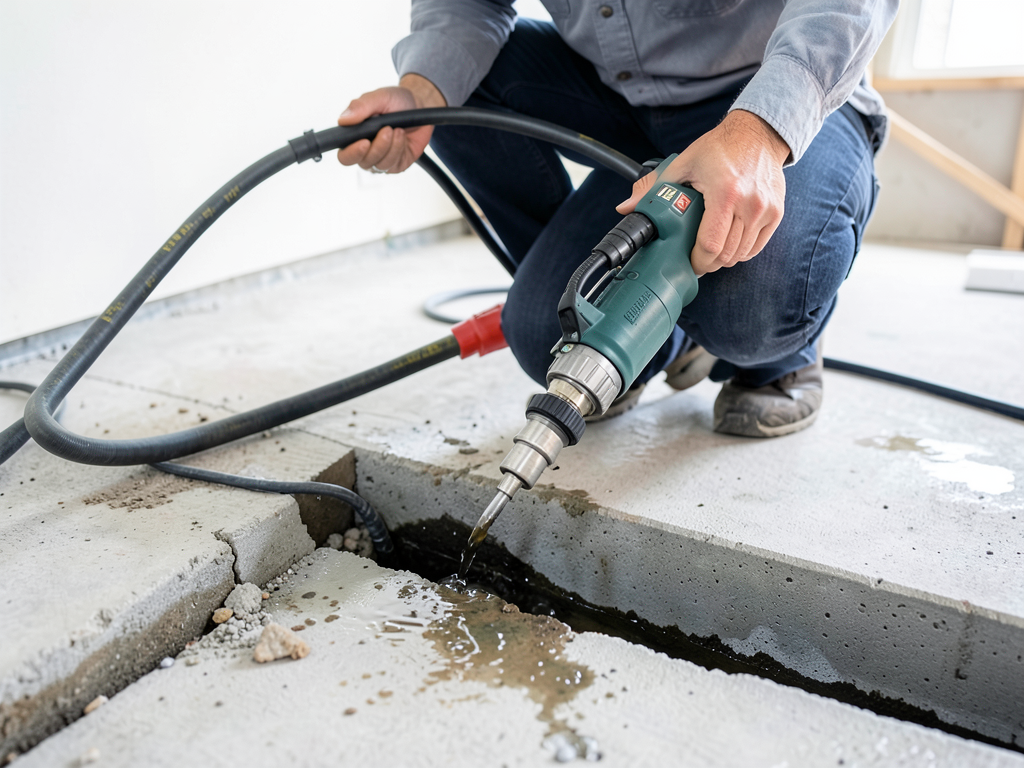
Once confirmed, we create a repair plan that minimizes damage to your home. Small leaks often require only minimal concrete cutting, while larger issues might need pipe rerouting.
For copper pipe leaks, we use compression fittings or solder repairs depending on pipe accessibility. PVC leaks receive appropriate solvent welding or replacement sections.
Post-repair testing ensures the fix holds under normal pressure conditions. We monitor systems for 24-48 hours before considering the job complete.
Water damage restoration follows repairs. This includes drying affected areas, treating for mold prevention, and repairing any structural damage.
Preventing Future Slab Leaks
Regular plumbing inspections catch developing issues before they become major problems. Annual checks of your water pressure, pipe condition, and foundation movement can prevent costly emergencies.
Water pressure management protects your pipes. Cincinnati homes should maintain pressure between 40-80 PSI. Higher pressure stresses pipe joints and accelerates wear.
Water quality affects pipe longevity. Cincinnati’s hard water contains minerals that build up inside pipes, reducing flow and creating corrosion points. Water softeners can extend pipe life in areas with particularly hard water.
Foundation maintenance prevents pipe stress. Proper drainage around your home’s perimeter keeps soil moisture levels stable, reducing the expansion and contraction that damages buried pipes.
Temperature management during winter prevents freeze damage. Insulating exposed pipes and maintaining consistent indoor temperatures protects against Cincinnati’s cold snaps. What to Expect During a Main Sewer Line Repair in Loveland.
Emergency Response for Hamilton County Homes
Slab leaks require immediate attention because water damage worsens by the hour. Our emergency service responds 24/7 to Hamilton County homes, with average arrival times under 90 minutes.
We coordinate with your insurance company if water damage requires extensive repairs. Our documentation meets industry standards for claims processing.
Temporary water service keeps your home functional during repairs. We provide bottled water and portable facilities when necessary.
Emergency shut-off valve location saves valuable time during crises. We help homeowners identify and label these valves for quick access. Quick Toilet Repair and Installation Services in Montgomery.
Post-emergency testing verifies that all systems function properly before we consider the job complete.
Cost Factors and Insurance Considerations
Leak detection costs range from $200-600 depending on complexity and required equipment. Simple acoustic detection runs less than comprehensive thermal and electronic testing.
Repair costs vary based on leak location and repair method. Accessible leaks under concrete might cost $500-1,500, while extensive rerouting can exceed $3,000.
Water damage restoration adds significant costs if leaks go undetected for extended periods. Mold remediation alone can cost $2,000-5,000 depending on affected area size.
Most homeowner insurance policies cover sudden, accidental water damage but exclude long-term leaks. Documentation of regular maintenance strengthens claims for coverage.
We provide detailed estimates before beginning work, with no hidden fees or surprise charges.
Frequently Asked Questions
How long can a slab leak go undetected?
Slab leaks can persist for months or even years before showing visible symptoms. The longer they go undetected, the more extensive the damage becomes.
Can I fix a slab leak myself?
DIY slab leak repairs often cause more damage than they fix. Professional detection equipment and proper repair techniques are essential for lasting solutions.
Will my water bill show a slab leak?
Yes, slab leaks typically cause noticeable increases in water usage. Compare current bills to previous months and watch for unexplained spikes.
How do you find a leak under concrete without breaking it?
We use acoustic sensors, thermal imaging, and electronic detection equipment to locate leaks precisely without unnecessary demolition.
What causes slab leaks in older Cincinnati homes?
Older copper pipes corrode over time, while clay soil movement and freeze-thaw cycles create stress points that lead to leaks.
Don’t Wait Until It’s Too Late
Every hour a slab leak continues, water damages your home’s foundation, promotes mold growth, and wastes precious resources. The longer you wait, the more expensive repairs become.
Our team serves Cincinnati, Hamilton County, and surrounding areas with emergency response available 24 hours a day. We bring the latest detection technology and decades of local experience to every job.
Call (513) 717-2899 today to schedule your inspection or emergency service. Don’t let a hidden leak destroy your home’s value and your family’s health.
Pick up the phone and call (513) 717-2899 before the next storm hits. Early detection saves thousands in repairs and protects your home’s foundation.
You may also find this helpful. Is That Leak Your Responsibility or the City of Cincinnati’s?.
{
“@context”: “https://schema.org”,
“@type”: “BlogPosting”,
“headline”: “Locating and Fixing Hidden Slab Leaks in Your Cincinnati Home”,
“description”: “Hidden slab leaks waste thousands of gallons and damage foundations. Learn the warning signs and how Keystone Plumbing’s non-invasive detection technology saves your Cincinnati home.”,
“wordCount”: 1361,
“datePublished”: “2026-02-27T15:29:00.000Z”,
“dateModified”: “2026-02-27T15:29:00.000Z”,
“inLanguage”: “en-US”,
“mainEntityOfPage”: {
“@type”: “WebPage”,
“@id”: “https://keystoneplumbingcincinnati.com”
},
“publisher”: {
“@type”: “LocalBusiness”,
“name”: “Keystone Plumbing Cincinnati”,
“url”: “https://keystoneplumbingcincinnati.com”
},
“author”: {
“@type”: “Organization”,
“name”: “Keystone Plumbing Cincinnati”,
“url”: “https://keystoneplumbingcincinnati.com”
},
“image”: {
“@type”: “ImageObject”,
“url”: “https://keystoneplumbingcincinnati.com/wp-content/uploads/2026/03/locating-and-fixing-hidden-slab-leaks-in-your-cinc-1.png”
}
}
{
“@context”: “https://schema.org”,
“@type”: “Plumber”,
“name”: “Keystone Plumbing Cincinnati”,
“url”: “https://keystoneplumbingcincinnati.com”,
“address”: {
“@type”: “PostalAddress”,
“addressLocality”: “Cincinnati”
},
“areaServed”: {
“@type”: “City”,
“name”: “Cincinnati”
}
}
{
“@context”: “https://schema.org”,
“@type”: “FAQPage”,
“mainEntity”: [
{
“@type”: “Question”,
“name”: “How long can a slab leak go undetected?”,
“acceptedAnswer”: {
“@type”: “Answer”,
“text”: “Slab leaks can persist for months or even years before showing visible symptoms. The longer they go undetected, the more extensive the damage becomes.”
}
},
{
“@type”: “Question”,
“name”: “Can I fix a slab leak myself?”,
“acceptedAnswer”: {
“@type”: “Answer”,
“text”: “DIY slab leak repairs often cause more damage than they fix. Professional detection equipment and proper repair techniques are essential for lasting solutions.”
}
},
{
“@type”: “Question”,
“name”: “Will my water bill show a slab leak?”,
“acceptedAnswer”: {
“@type”: “Answer”,
“text”: “Yes, slab leaks typically cause noticeable increases in water usage. Compare current bills to previous months and watch for unexplained spikes.”
}
},
{
“@type”: “Question”,
“name”: “How do you find a leak under concrete without breaking it?”,
“acceptedAnswer”: {
“@type”: “Answer”,
“text”: “We use acoustic sensors, thermal imaging, and electronic detection equipment to locate leaks precisely without unnecessary demolition.”
}
},
{
“@type”: “Question”,
“name”: “What causes slab leaks in older Cincinnati homes?”,
“acceptedAnswer”: {
“@type”: “Answer”,
“text”: “Older copper pipes corrode over time, while clay soil movement and freeze-thaw cycles create stress points that lead to leaks.”
}
}
]
}
{
“@context”: “https://schema.org”,
“@type”: “BreadcrumbList”,
“itemListElement”: [
{
“@type”: “ListItem”,
“position”: 1,
“name”: “Home”,
“item”: “https://keystoneplumbingcincinnati.com”
},
{
“@type”: “ListItem”,
“position”: 2,
“name”: “Blog”,
“item”: “https://keystoneplumbingcincinnati.com/blog”
},
{
“@type”: “ListItem”,
“position”: 3,
“name”: “Locating and Fixing Hidden Slab Leaks in Your Cincinnati Home”
}
]
}
{
“@context”: “https://schema.org”,
“@type”: “Service”,
“serviceType”: “Plumbing”,
“provider”: {
“@type”: “LocalBusiness”,
“name”: “Keystone Plumbing Cincinnati”,
“url”: “https://keystoneplumbingcincinnati.com”
},
“areaServed”: {
“@type”: “City”,
“name”: “Cincinnati”
},
“description”: “Hidden slab leaks waste thousands of gallons and damage foundations. Learn the warning signs and how Keystone Plumbing’s non-invasive detection technology saves your Cincinnati home.”
}