
Gas vs. Electric Water Heaters—Which Makes the Most Sense for Your Harrison Home?
Choosing between a gas or electric water heater in Harrison Ohio depends on more than just upfront costs. With Cincinnati’s hard water Duke Energy electric rates and the area’s cold winter groundwater temperatures the decision impacts your monthly utility bills and long-term reliability. This guide breaks down the real differences between gas and electric units so you can make the right choice for your family’s hot water needs. Duke Energy electric rates.
Gas water heaters heat water faster and cost less to operate each month but require proper venting and gas line access. Electric models cost less upfront install anywhere and eliminate combustion risks but take longer to recover and may increase your Duke Energy bill. For Harrison homes with access to natural gas the faster recovery and lower monthly costs often make gas the better long-term investment. Finding the Best Water Heater Replacement for Your West Chester House.
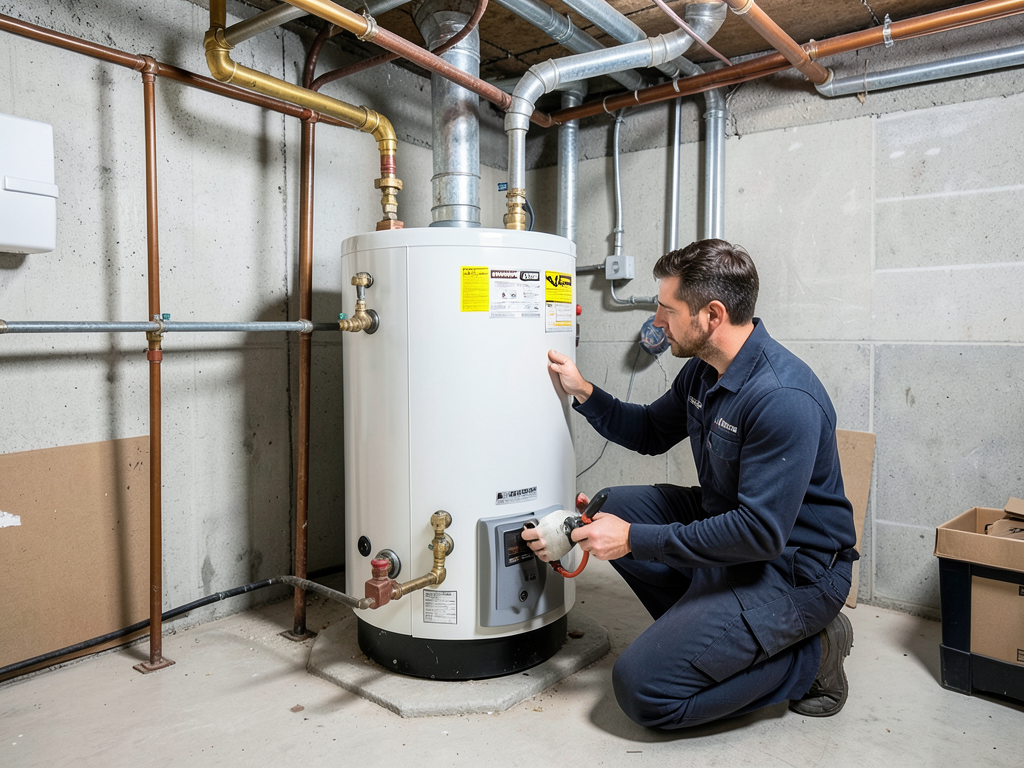
At-a-Glance: Gas vs. Electric Water Heater Comparison
| Feature | Gas Water Heater | Electric Water Heater |
|---|---|---|
| Upfront Cost | $1200 – $2500 | $800 – $1800 |
| Monthly Operating Cost | $20 – $35 | $30 – $50 |
| Recovery Rate | 40-50 gallons/hour | 20-30 gallons/hour |
| Lifespan | 8-12 years | 10-15 years |
| Venting Required | Yes | No |
Gas Water Heaters: Fast Recovery and Lower Monthly Costs
Gas water heaters use natural gas or propane to heat water through a burner located at the bottom of the tank. The combustion process creates hot exhaust gases that must be vented outside through a chimney or direct vent system. In Harrison where many homes have existing gas lines gas units provide immediate hot water access with recovery rates of 40-50 gallons per hour. No Hot Water Diagnosis.
The primary advantage comes from operating costs. Natural gas prices in the Cincinnati area typically run $0.90 – $1.10 per therm compared to Duke Energy’s electric rates of $0.13 – $0.15 per kilowatt-hour. For a typical 50-gallon household this translates to $20 – $35 monthly versus $30 – $50 for electric. The faster recovery means you can run back-to-back showers without waiting for the tank to reheat.
However gas units require proper venting through the roof or sidewall. Atmospheric venting uses a vertical chimney while power venting uses a fan to push exhaust through plastic pipe. Both methods must comply with Hamilton County Plumbing Code Section 701 which requires minimum clearances and proper draft hood installation. Without existing gas lines installation costs increase by $500 – $1000 for new piping. Hamilton County Plumbing Code.
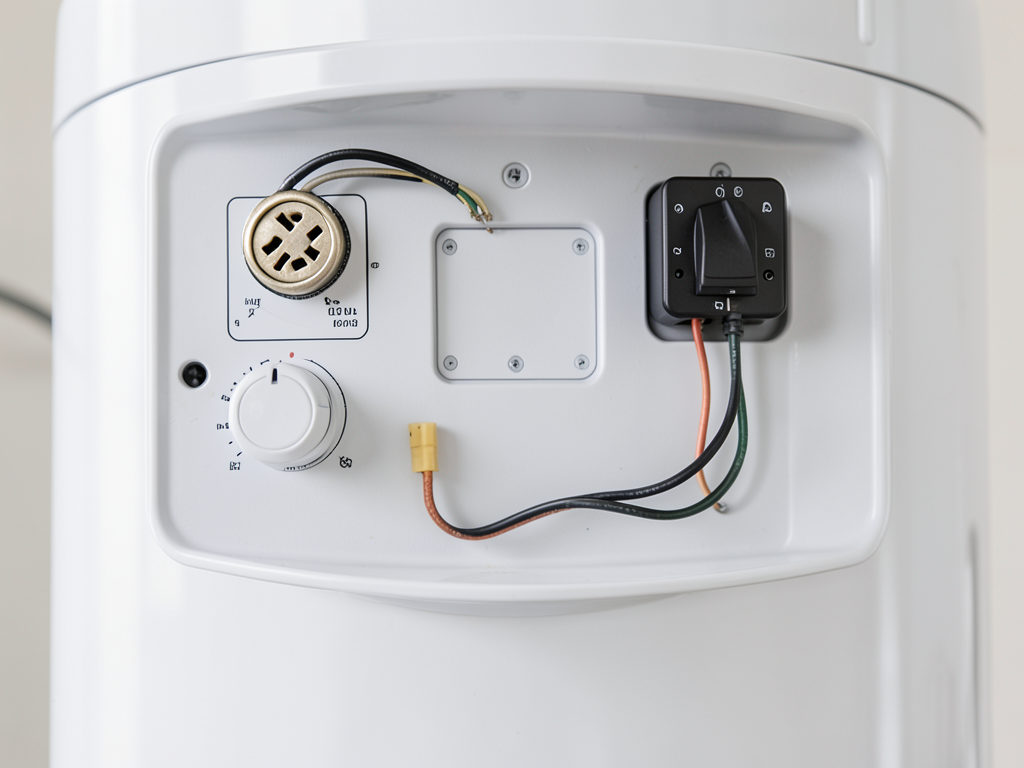
Electric Water Heaters: Simple Installation and Zero Emissions
Electric water heaters use resistance heating elements submerged in the tank to warm water. They connect to standard 240-volt circuits and require no venting making them ideal for basements utility rooms or additions without gas access. The heating elements typically range from 3000 to 5500 watts with most 50-gallon units using dual 4500-watt elements.. Read more about Is a Hybrid Heat Pump Water Heater Right for Your Sharonville Family?.
The simplicity translates to lower upfront costs. Electric units run $800 – $1800 installed compared to $1200 – $2500 for gas. Installation takes 2-3 hours versus 4-6 hours for gas since there’s no venting or gas line work. For Harrison homes without existing gas service this difference often tips the scales toward electric.
Electric units also eliminate combustion risks and carbon monoxide concerns. There’s no pilot light no gas leaks and no need for annual venting inspections. However they recover water more slowly at 20-30 gallons per hour. For a family of four this means waiting 60-90 minutes after the tank empties before hot water returns.. Read more about The Simple Reason Your Water Heater in Dent Needs a Professional Flush Once a Year.
The Cincinnati Factor: Hard Water and Utility Rates
Harrison sits in Hamilton County where water hardness averages 200-250 parts per million. This mineral content creates scale buildup inside both gas and electric tanks reducing efficiency by 15-25% over five years. Gas units often show scale on burner surfaces first while electric elements develop mineral coating that insulates the heating surface.. Read more about Setting Your Water Heater Temperature to Prevent Scalding in Your Woodlawn Home.
Local utility rates heavily influence operating costs. Duke Energy’s current residential electric rate averages $0.138 per kilowatt-hour while gas utilities charge approximately $0.98 per therm. For a 50-gallon unit running 3 hours daily this means electric costs $1.24 per day versus $0.88 for gas. Over a year that’s $453 for electric versus $321 for gas.
Winter groundwater temperatures in the Cincinnati area drop to 45-50°F compared to 55-60°F in summer. This means your water heater works 20-30% harder from November through March regardless of fuel type. Gas units handle this better due to their faster recovery but both types see increased energy consumption.. Read more about Why Your New Water Heater in Springdale Might Need a Thermal Expansion Tank.
Installation Costs and Permit Requirements
Gas water heater installation in Harrison requires Hamilton County plumbing permits costing $75 – $125. The process includes submitting manufacturer specifications and ensuring compliance with Ohio Plumbing Code Chapter 4. Electric units need permits too but the process moves faster since there’s no combustion inspection. Ohio Plumbing Code Chapter 4.
Installation costs vary based on existing infrastructure. Replacing a gas unit with another gas unit runs $1200 – $1800 total. Switching from electric to gas adds $500 – $1000 for gas line installation and venting modifications. Electric to electric replacement costs $800 – $1400. Tankless conversions cost $2500 – $4000 due to electrical or gas upgrades.
Local building codes require expansion tanks on all new installations to prevent pressure damage. Thermal expansion tanks cost $75 – $150 and must be installed on the cold water line. Gas units also need earthquake strapping if located in garages per Ohio Residential Code Section R324.
Special Considerations: Tankless and Heat Pump Options
Tankless water heaters eliminate standby heat loss by heating water only when needed. Gas tankless units provide 7-9 gallons per minute flow rate sufficient for simultaneous showers and laundry. Electric tankless requires 100-200 amp electrical service upgrades costing $1500 – $3000 making them impractical for many Harrison homes.
Heat pump water heaters extract heat from surrounding air using refrigeration technology. They cut operating costs by 50-60% compared to standard electric units but need 750-1000 cubic feet of installation space. In Harrison’s climate they work best in unconditioned basements where they also provide dehumidification benefits during summer months. What to Expect During a Main Sewer Line Repair in Loveland.
For homes using 41-50 gallons daily heat pump units save $150 – $200 annually. However they cost $1500 – $2500 upfront versus $800 – $1200 for standard electric. The payback period stretches to 7-10 years making them most attractive for replacement scenarios rather than emergency installations. Who to Call for an Emergency Plumbing Crisis in Downtown Cincinnati.
Making the Right Choice for Your Harrison Home
Choose gas if you have existing gas service want lower monthly bills and need fast recovery for large families. The $300 – $500 higher upfront cost pays back in 2-3 years through utility savings. Gas makes particular sense for homes with 3+ bathrooms or where teenagers take long showers.
Choose electric if you lack gas service want simpler installation or prioritize zero emissions. Electric units work well for 1-2 person households or vacation properties where recovery speed matters less. The $400 – $600 lower upfront cost appeals to budget-conscious homeowners despite higher monthly bills.
Consider hybrid options if you want efficiency without the complexity of tankless systems. Heat pump units suit finished basements with adequate space while tankless makes sense for additions or where floor space is limited. Both require professional load calculations to ensure proper sizing for your household’s peak demand.
Call (513) 717-2899 today to schedule your inspection and get a customized recommendation based on your home’s specific needs. Our Harrison plumbers will assess your existing setup utility access and family size to recommend the most cost-effective solution.
Frequently Asked Questions
How long does water heater installation take in Harrison?
Standard replacements take 2-6 hours depending on fuel type. Gas installations require venting inspection adding 1-2 hours versus electric units.
Do I need permits for water heater replacement?
Yes Hamilton County requires permits for all water heater installations. Gas units need plumbing and mechanical permits while electric units require only plumbing permits.
What size water heater do I need?
Most homes need 40-50 gallon units. Calculate based on first-hour rating: 10-15 gallons per person plus 20 gallons for appliances.
How often should I replace my water heater?
Plan replacement every 8-12 years for gas units and 10-15 years for electric. Watch for rusty water leaks or insufficient hot water as signs of failure.
Can I switch from electric to gas?
Yes but it requires gas line installation venting and electrical modifications. The conversion costs $1500 – $2500 plus the new unit price.
What maintenance extends water heater life?
Drain and flush annually to remove sediment. Check the anode rod every 2-3 years and test the temperature-pressure relief valve annually.
{
“@context”: “https://schema.org”,
“@type”: “BlogPosting”,
“headline”: “Gas vs. Electric Water Heaters—Which Makes the Most Sense for Your Harrison Home?”,
“description”: “Compare gas and electric water heaters for Harrison Ohio homes. Learn about costs installation and efficiency to make the right choice for your family.”,
“wordCount”: 1455,
“datePublished”: “2026-03-17T12:08:00.000Z”,
“dateModified”: “2026-03-17T12:08:00.000Z”,
“inLanguage”: “en-US”,
“mainEntityOfPage”: {
“@type”: “WebPage”,
“@id”: “https://keystoneplumbingcincinnati.com”
},
“publisher”: {
“@type”: “LocalBusiness”,
“name”: “Keystone Plumbing Cincinnati”,
“url”: “https://keystoneplumbingcincinnati.com”
},
“author”: {
“@type”: “Organization”,
“name”: “Keystone Plumbing Cincinnati”,
“url”: “https://keystoneplumbingcincinnati.com”
},
“image”: {
“@type”: “ImageObject”,
“url”: “https://keystoneplumbingcincinnati.com/wp-content/uploads/2026/03/gas-vs-electric-water-heaters-which-makes-the-most-1.png”
}
}
{
“@context”: “https://schema.org”,
“@type”: “Plumber”,
“name”: “Keystone Plumbing Cincinnati”,
“url”: “https://keystoneplumbingcincinnati.com”,
“address”: {
“@type”: “PostalAddress”,
“addressLocality”: “Cincinnati”
},
“areaServed”: {
“@type”: “City”,
“name”: “Cincinnati”
}
}
{
“@context”: “https://schema.org”,
“@type”: “FAQPage”,
“mainEntity”: [
{
“@type”: “Question”,
“name”: “How long does water heater installation take in Harrison?”,
“acceptedAnswer”: {
“@type”: “Answer”,
“text”: “Standard replacements take 2-6 hours depending on fuel type. Gas installations require venting inspection adding 1-2 hours versus electric units.”
}
},
{
“@type”: “Question”,
“name”: “Do I need permits for water heater replacement?”,
“acceptedAnswer”: {
“@type”: “Answer”,
“text”: “Yes Hamilton County requires permits for all water heater installations. Gas units need plumbing and mechanical permits while electric units require only plumbing permits.”
}
},
{
“@type”: “Question”,
“name”: “What size water heater do I need?”,
“acceptedAnswer”: {
“@type”: “Answer”,
“text”: “Most homes need 40-50 gallon units. Calculate based on first-hour rating: 10-15 gallons per person plus 20 gallons for appliances.”
}
},
{
“@type”: “Question”,
“name”: “How often should I replace my water heater?”,
“acceptedAnswer”: {
“@type”: “Answer”,
“text”: “Plan replacement every 8-12 years for gas units and 10-15 years for electric. Watch for rusty water leaks or insufficient hot water as signs of failure.”
}
},
{
“@type”: “Question”,
“name”: “Can I switch from electric to gas?”,
“acceptedAnswer”: {
“@type”: “Answer”,
“text”: “Yes but it requires gas line installation venting and electrical modifications. The conversion costs $1500 – $2500 plus the new unit price.”
}
},
{
“@type”: “Question”,
“name”: “What maintenance extends water heater life?”,
“acceptedAnswer”: {
“@type”: “Answer”,
“text”: “Drain and flush annually to remove sediment. Check the anode rod every 2-3 years and test the temperature-pressure relief valve annually.”
}
}
]
}
{
“@context”: “https://schema.org”,
“@type”: “BreadcrumbList”,
“itemListElement”: [
{
“@type”: “ListItem”,
“position”: 1,
“name”: “Home”,
“item”: “https://keystoneplumbingcincinnati.com”
},
{
“@type”: “ListItem”,
“position”: 2,
“name”: “Blog”,
“item”: “https://keystoneplumbingcincinnati.com/blog”
},
{
“@type”: “ListItem”,
“position”: 3,
“name”: “Gas vs. Electric Water Heaters—Which Makes the Most Sense for Your Harrison Home?”
}
]
}
{
“@context”: “https://schema.org”,
“@type”: “Service”,
“serviceType”: “Plumbing”,
“provider”: {
“@type”: “LocalBusiness”,
“name”: “Keystone Plumbing Cincinnati”,
“url”: “https://keystoneplumbingcincinnati.com”
},
“areaServed”: {
“@type”: “City”,
“name”: “Cincinnati”
},
“description”: “Compare gas and electric water heaters for Harrison Ohio homes. Learn about costs installation and efficiency to make the right choice for your family.”
}