
Exterior French Drains vs Interior Sump Pumps—Which Works Better for Anderson Township Yards?
Standing water in your Anderson Township yard after heavy rain isn’t just annoying—it’s a warning sign. The choice between a French drain and a sump pump system determines whether you’re solving the problem at the surface or fighting it at the foundation. French drains work with gravity to move water away before it pools, while sump pumps mechanically remove water that’s already collected around your home’s base. In Cincinnati’s heavy clay soil and freeze-thaw climate, the wrong choice can mean flooded basements, cracked foundations, and thousands in damage repairs. Finding the Best Water Heater Replacement for Your West Chester House.
Anderson Township’s rolling hills and clay-rich soil create unique drainage challenges. Surface water from nearby hills flows toward lower areas, and the dense clay prevents natural absorption. This combination means water pools in low spots and seeps toward foundations. Understanding how these systems work in our specific conditions helps you make the right investment before the next storm hits.
How French Drains Handle Anderson Township’s Surface Water Problems
French drains use gravity and simple physics to move water away from problem areas. A perforated pipe sits in a trench filled with washed gravel, allowing water to flow in and be carried downhill to a safe discharge point. The system works passively—no electricity needed, no moving parts to fail.
In Anderson Township, French drains excel at handling surface runoff from spring rains and melting snow. The system intercepts water before it saturates the soil near your foundation. For properties on slopes or near retention areas, this prevents the hydrostatic pressure that pushes water through basement walls.
Installation requires proper slope—at least 1% grade (one inch drop per eight feet of run). In our clay soil, the trench must be lined with filter fabric to prevent silt from clogging the system. The pipe itself needs to be Schedule 40 PVC with two rows of holes facing downward, not upward where sediment collects.
Maintenance in Anderson Township’s conditions: Every spring, clear debris from surface grates. Every few years, flush the system with a garden hose to prevent clay silt buildup. Watch for settling in the trench that creates low spots where water pools.
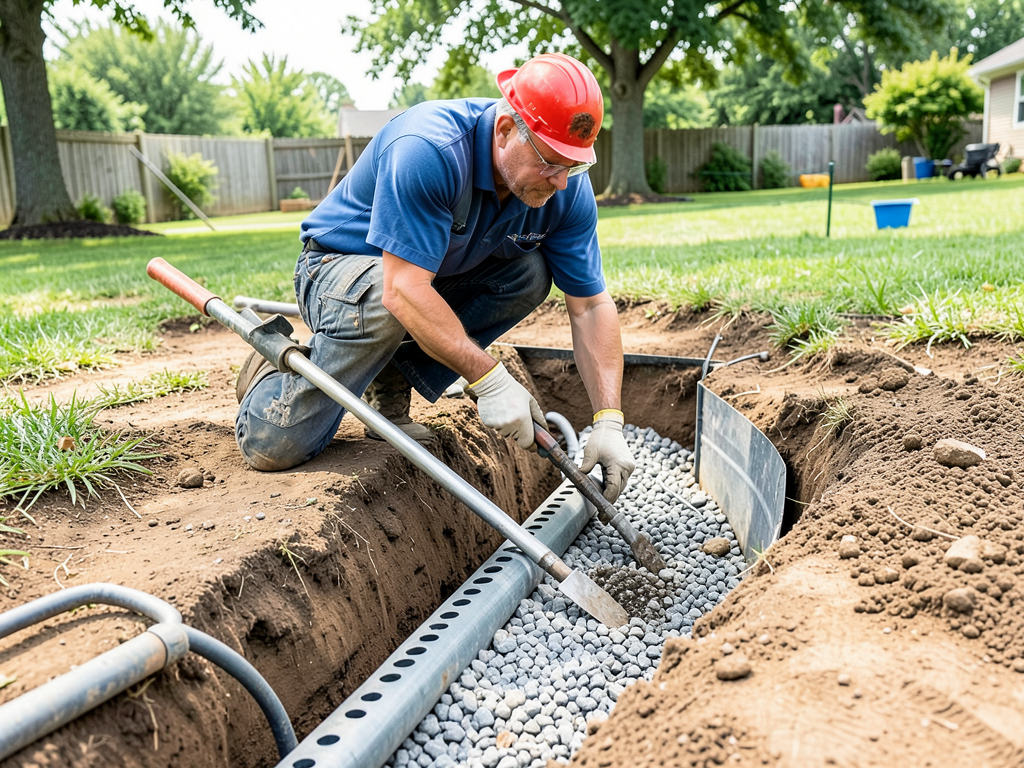
French Drain Golden Nugget: Anderson Township’s soil contains high percentages of Cincinnatus silt loam with clay subsoils. This combination means water moves laterally through the soil rather than downward, making French drains effective at intercepting this lateral movement before it reaches your foundation.
When Your Anderson Township Yard Needs a Sump Pump System
Sump pumps work differently—they remove water that’s already collected in a basin, usually installed at the lowest point of your basement or crawl space. When water reaches a certain level, the pump activates and pushes it through a discharge line to the yard or storm drain.
Anderson Township properties with finished basements, walkout lower levels, or those in low-lying areas near the Little Miami River need sump pumps to prevent foundation damage. The system handles groundwater that rises from below, not just surface runoff.
Standard installations use a 1/3 horsepower pump for most homes, but 1/2 horsepower models handle heavier water volumes during spring storms. The discharge line must extend at least 10 feet from the foundation and terminate at a pop-up emitter or dry well—never directly onto a neighbor’s property or into the sanitary sewer. What to Expect During a Main Sewer Line Repair in Loveland.
Cincinnati-specific code requirement: Hamilton County Plumbing Code Section 420.3 prohibits discharging sump pumps into the sanitary sewer system. Violations can result in fines from the MSD of Greater Cincinnati.
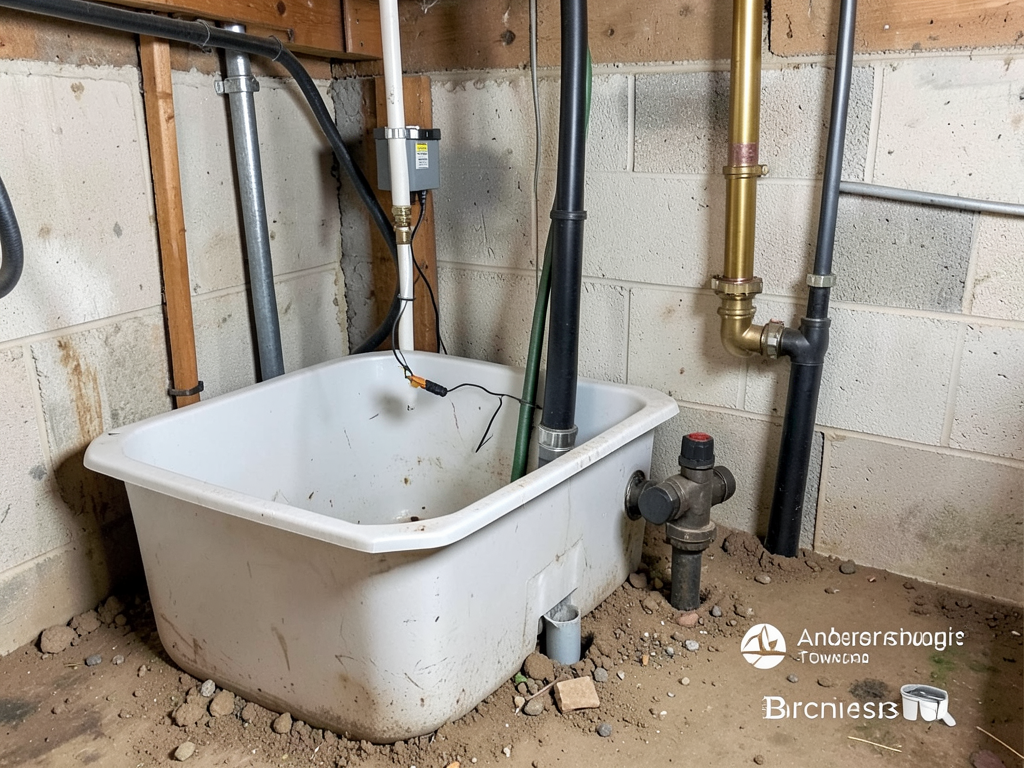
Sump Pump Diagnostic Test: Before installation, we perform a percolation test by digging a 2-foot hole, filling it with water, and timing how long it takes to drain. In Anderson Township’s clay soil, poor drainage (over 24 hours to empty) indicates the need for a sump pump rather than relying on French drains alone.
The Cincinnati Factor: Heavy Clay Soil and Frost Line Considerations
Cincinnati’s soil composition directly impacts which system works better. Our region sits on thick clay deposits that expand when wet and contract when dry. This movement creates pressure against foundations and affects drainage system performance.. Read more about How Long Should Your Sump Pump Actually Last in a Damp Cincinnati Basement?.
French drains in clay soil need deeper installation—typically 18 to 24 inches—to bypass the dense surface layer. The gravel bed must be at least 12 inches wide to maintain flow capacity when surrounding soil tries to collapse into the trench.
Frost depth matters in Cincinnati. Our 30- to 36-inch frost line means drainage pipes must extend below this depth to prevent freezing and cracking. French drain outlets need freeze protection, often achieved by sloping the discharge to daylight or using a dry well that extends below frost depth.
MSD of Greater Cincinnati regulations affect both systems. French drains can discharge to storm sewers with permits, but sump pumps face stricter rules. The discharge must be at least 5 feet from property lines and cannot create ice hazards on sidewalks or streets. MSD of Greater Cincinnati.
Local Soil Science Golden Nugget: Anderson Township’s soil profile typically shows 12 inches of topsoil over 24 inches of silty clay, then dense clay subsoils. This stratification means water moves horizontally through the silt layer rather than vertically, making trench drains effective at intercepting this horizontal flow.
Cost Comparison: Installation and Long-Term Maintenance in Ohio
French drain installation costs vary based on length and depth. A typical residential system in Anderson Township runs $15 to $25 per linear foot, including excavation, gravel, pipe, and filter fabric. A 100-foot system around a standard home foundation costs $1,500 to $2,500.
Sump pump systems have different cost structures. The pump itself costs $150 to $400, but installation including the basin, discharge line, and electrical work runs $1,200 to $2,500. Battery backup systems add $500 to $800 for storm protection when power fails.
Maintenance costs differ significantly. French drains need occasional flushing ($150 to $300) and may require gravel replenishment after 10 to 15 years. Sump pumps need annual maintenance ($100 to $200) including testing the float switch, cleaning the impeller, and checking the discharge line for clogs.
Long-term cost comparison table:
| System Type | Initial Installation | Annual Maintenance | Expected Lifespan |
|---|---|---|---|
| French Drain | $1,500 – $2,500 | $150 – $300 | 20-30 years |
| Sump Pump | $1,200 – $2,500 | $100 – $200 | 7-10 years (pump only) |
Anderson Township Cost Factor: Local excavation rates run $75 to $125 per hour due to Hamilton County’s clay soil requiring more labor for digging and trenching compared to sandy soils.
Can You Use Both? The Hybrid Drainage Solution
Many Anderson Township homes benefit from combining both systems. French drains handle surface water around the foundation perimeter, while sump pumps manage groundwater that collects in basement low spots.
The hybrid approach works well for properties with finished basements on sloped lots. French drains intercept water flowing down the slope, while the sump pump handles any water that penetrates the foundation wall or rises from below.
Installation sequence matters. French drains go in first to handle the bulk of surface water. Then the sump pump system addresses any remaining issues inside the basement. This layered defense prevents system overload during heavy storms.
Smart controllers can coordinate both systems. Some French drain outlets include small pumps that activate when water volume exceeds gravity flow capacity. This prevents surface flooding while maintaining the passive system’s benefits.
Hybrid System Diagnostic Tip: Test both systems separately before heavy rains. Run water through French drain surface inlets to verify flow. Pour water into the sump pit to test pump activation and discharge. This prevents discovering failures during actual storms.
MSD Cincinnati Regulations and Permitting Requirements
Working with MSD of Greater Cincinnati requires understanding their discharge regulations. Property owners must obtain permits for drainage systems that connect to public storm sewers or alter natural water flow patterns.
Sump pump discharge rules are strict. Water cannot flow onto public sidewalks, streets, or neighboring properties. Discharges must be at least 5 feet from property lines and cannot create ice hazards in winter. Violations can result in $500 to $5,000 fines.
French drain permits are required when connecting to municipal storm systems. The application process includes soil percolation tests and drainage impact studies for larger systems. MSD engineers review plans to ensure downstream properties won’t be adversely affected.
Hamilton County also requires permits for excavations over 18 inches deep. This affects French drain installation depth and sump pump basin excavation. Permit fees range from $50 to $500 depending on project scope. Hamilton County Building Code.
Code Compliance Golden Nugget: MSD Rule 34.04 specifically prohibits sump pump discharge into roof drains or gutter systems. This prevents overwhelming municipal storm systems during heavy rainfall events.
Maintenance for Heavy Ohio Spring Rains
Anderson Township’s spring storms test drainage systems to their limits. Maintenance before the rainy season prevents failures when you need protection most.
French drain maintenance includes clearing surface debris, checking for animal nests in outlet pipes, and ensuring proper slope hasn’t been compromised by soil settling. Test flow by running water through the system—it should exit within seconds at the discharge point.
Sump pump maintenance requires more frequent attention. Test the pump monthly by pouring water into the basin. Check the float switch moves freely. Clean the inlet screen to prevent clogs from silt and debris. Test the battery backup quarterly by unplugging the main pump.
During heavy rains, monitor both systems. French drains should show no surface pooling near the foundation. Sump pumps should cycle periodically but not continuously. Constant running indicates system overload or groundwater problems requiring professional assessment.
Emergency Maintenance Checklist:
- Clear all surface drains and grates of leaves and debris
- Test sump pump operation by pouring 5 gallons of water into basin
- Check discharge lines for clogs or ice blockage
- Verify battery backup has adequate charge
- Inspect foundation for new cracks or water stains
Frequently Asked Questions
How do I know if I need a French drain or sump pump?
French drains solve surface water problems like standing water in yards or water flowing toward your foundation. Sump pumps address groundwater issues like basement seepage or high water table. A professional assessment of your specific water problems determines the right solution.
Can I install these systems myself?
DIY installation is possible but risky. French drains require proper slope, depth, and materials to function. Sump pumps need correct basin sizing, discharge routing, and electrical connections. Improper installation often fails during the first heavy rain, causing more damage than doing nothing.
How long do these systems last?
French drains typically last 20 to 30 years with minimal maintenance. Sump pump components need replacement every 7 to 10 years, though the basin and discharge line can last much longer. Battery backups need replacement every 3 to 5 years.
What happens if my sump pump fails during a storm?
Without backup power, your basement can flood quickly. Battery backup systems provide 24 to 48 hours of protection. Water alarm systems alert you to failures before major damage occurs. Some homeowners install dual pumps for redundancy. Quick Toilet Repair and Installation Services in Montgomery.
Are permits required for drainage work in Anderson Township?
Yes. Hamilton County requires permits for excavations over 18 inches deep. MSD permits are needed for connections to public storm systems. French drain installations typically require both permits, while simple sump pump replacements may only need electrical permits.
How much does professional installation cost?
French drain installation ranges from $15 to $25 per linear foot. Sump pump systems cost $1,200 to $2,500 installed. Hybrid systems combining both approaches cost $3,000 to $6,000 depending on home size and drainage complexity.
Will these systems increase my home’s value?
Properly installed drainage systems protect your home’s foundation and prevent costly water damage, which maintains property value. Buyers view these systems as essential maintenance rather than upgrades, though they appreciate homes without water problems.
How do I maintain these systems?
French drains need annual cleaning and occasional flushing. Sump pumps require monthly testing, annual professional maintenance, and battery backup checks. Both systems need inspection before and after heavy storm seasons.
Can I connect my sump pump to the sewer line?
No. Hamilton County Plumbing Code and MSD regulations prohibit this connection. Discharging to sanitary sewers can cause backups and is subject to significant fines. Always discharge to yard, storm sewer, or dry well with proper permits. Who to Call for an Emergency Plumbing Crisis in Downtown Cincinnati.
What size pump do I need?
Most homes need 1/3 horsepower pumps handling 2,400 to 3,000 gallons per hour. Homes with walkout basements or near water bodies may need 1/2 horsepower pumps handling 3,000 to 4,000 gallons per hour. Professional assessment determines the right size.
Call (513) 717-2899 Today to Schedule Your Drainage Assessment
Don’t wait for the next storm to discover your yard drainage system can’t handle Anderson Township’s heavy rains. Our team understands local soil conditions, building codes, and the specific challenges of Cincinnati’s climate. We’ll assess your property’s unique needs and recommend the right solution—whether that’s a French drain, sump pump, or hybrid system.
Pick up the phone and call (513) 717-2899 before the next storm hits. Our licensed plumbers have solved drainage problems throughout Anderson Township, from the rolling hills near Beech Acres Park to the low-lying areas near the Little Miami River. We’ll help you protect your home’s foundation and keep your basement dry year-round.
Don’t let standing water become foundation damage. Call (513) 717-2899 today for your free drainage assessment. We’re ready to help Anderson Township homeowners solve their water problems before they become expensive repairs. Industrial Pipe Repair.
Local Service Areas: Anderson Township, Mount Washington, Newtown, California, and surrounding Hamilton County communities. We understand the specific drainage challenges of each neighborhood and provide solutions that work in our local conditions.
You may also find this helpful. Winterizing Your Pool House and Outdoor Bar Plumbing in Madeira Before the First Frost.
You may also find this helpful. Why Tree Roots in Your College Hill Yard Are the Biggest Threat to Your Sewer Line.
{
“@context”: “https://schema.org”,
“@type”: “BlogPosting”,
“headline”: “Exterior French Drains vs Interior Sump Pumps—Which Works Better for Anderson Township Yards?”,
“description”: “Discover which drainage solution works best for Anderson Township yards. Compare French drains vs sump pumps for Cincinnati’s clay soil, frost lines, and MSD regulations.”,
“wordCount”: 2301,
“datePublished”: “2026-05-07T12:36:00.000Z”,
“dateModified”: “2026-05-07T12:36:00.000Z”,
“inLanguage”: “en-US”,
“mainEntityOfPage”: {
“@type”: “WebPage”,
“@id”: “https://keystoneplumbingcincinnati.com”
},
“publisher”: {
“@type”: “LocalBusiness”,
“name”: “Keystone Plumbing Cincinnati”,
“url”: “https://keystoneplumbingcincinnati.com”
},
“author”: {
“@type”: “Organization”,
“name”: “Keystone Plumbing Cincinnati”,
“url”: “https://keystoneplumbingcincinnati.com”
},
“image”: {
“@type”: “ImageObject”,
“url”: “https://keystoneplumbingcincinnati.com/wp-content/uploads/2026/03/exterior-french-drains-vs-interior-sump-pumps-whic-1.png”
}
}
{
“@context”: “https://schema.org”,
“@type”: “Plumber”,
“name”: “Keystone Plumbing Cincinnati”,
“url”: “https://keystoneplumbingcincinnati.com”,
“address”: {
“@type”: “PostalAddress”,
“addressLocality”: “Cincinnati”
},
“areaServed”: {
“@type”: “City”,
“name”: “Cincinnati”
}
}
{
“@context”: “https://schema.org”,
“@type”: “FAQPage”,
“mainEntity”: [
{
“@type”: “Question”,
“name”: “How do I know if I need a French drain or sump pump?”,
“acceptedAnswer”: {
“@type”: “Answer”,
“text”: “French drains solve surface water problems like standing water in yards or water flowing toward your foundation. Sump pumps address groundwater issues like basement seepage or high water table. A professional assessment of your specific water problems determines the right solution.”
}
},
{
“@type”: “Question”,
“name”: “Can I install these systems myself?”,
“acceptedAnswer”: {
“@type”: “Answer”,
“text”: “DIY installation is possible but risky. French drains require proper slope, depth, and materials to function. Sump pumps need correct basin sizing, discharge routing, and electrical connections. Improper installation often fails during the first heavy rain, causing more damage than doing nothing.”
}
},
{
“@type”: “Question”,
“name”: “How long do these systems last?”,
“acceptedAnswer”: {
“@type”: “Answer”,
“text”: “French drains typically last 20 to 30 years with minimal maintenance. Sump pump components need replacement every 7 to 10 years, though the basin and discharge line can last much longer. Battery backups need replacement every 3 to 5 years.”
}
},
{
“@type”: “Question”,
“name”: “Are permits required for drainage work in Anderson Township?”,
“acceptedAnswer”: {
“@type”: “Answer”,
“text”: “Yes. Hamilton County requires permits for excavations over 18 inches deep. MSD permits are needed for connections to public storm systems. French drain installations typically require both permits, while simple sump pump replacements may only need electrical permits.”
}
},
{
“@type”: “Question”,
“name”: “How much does professional installation cost?”,
“acceptedAnswer”: {
“@type”: “Answer”,
“text”: “French drain installation ranges from $15 to $25 per linear foot. Sump pump systems cost $1,200 to $2,500 installed. Hybrid systems combining both approaches cost $3,000 to $6,000 depending on home size and drainage complexity.”
}
},
{
“@type”: “Question”,
“name”: “Will these systems increase my home’s value?”,
“acceptedAnswer”: {
“@type”: “Answer”,
“text”: “Properly installed drainage systems protect your home’s foundation and prevent costly water damage, which maintains property value. Buyers view these systems as essential maintenance rather than upgrades, though they appreciate homes without water problems.”
}
},
{
“@type”: “Question”,
“name”: “How do I maintain these systems?”,
“acceptedAnswer”: {
“@type”: “Answer”,
“text”: “French drains need annual cleaning and occasional flushing. Sump pumps require monthly testing, annual professional maintenance, and battery backup checks. Both systems need inspection before and after heavy storm seasons.”
}
},
{
“@type”: “Question”,
“name”: “Can I connect my sump pump to the sewer line?”,
“acceptedAnswer”: {
“@type”: “Answer”,
“text”: “No. Hamilton County Plumbing Code and MSD regulations prohibit this connection. Discharging to sanitary sewers can cause backups and is subject to significant fines. Always discharge to yard, storm sewer, or dry well with proper permits. Who to Call for an Emergency Plumbing Crisis in Downtown Cincinnati.”
}
},
{
“@type”: “Question”,
“name”: “What size pump do I need?”,
“acceptedAnswer”: {
“@type”: “Answer”,
“text”: “Most homes need 1/3 horsepower pumps handling 2,400 to 3,000 gallons per hour. Homes with walkout basements or near water bodies may need 1/2 horsepower pumps handling 3,000 to 4,000 gallons per hour. Professional assessment determines the right size.”
}
}
]
}
{
“@context”: “https://schema.org”,
“@type”: “BreadcrumbList”,
“itemListElement”: [
{
“@type”: “ListItem”,
“position”: 1,
“name”: “Home”,
“item”: “https://keystoneplumbingcincinnati.com”
},
{
“@type”: “ListItem”,
“position”: 2,
“name”: “Blog”,
“item”: “https://keystoneplumbingcincinnati.com/blog”
},
{
“@type”: “ListItem”,
“position”: 3,
“name”: “Exterior French Drains vs Interior Sump Pumps—Which Works Better for Anderson Township Yards?”
}
]
}
{
“@context”: “https://schema.org”,
“@type”: “Service”,
“serviceType”: “Plumbing”,
“provider”: {
“@type”: “LocalBusiness”,
“name”: “Keystone Plumbing Cincinnati”,
“url”: “https://keystoneplumbingcincinnati.com”
},
“areaServed”: {
“@type”: “City”,
“name”: “Cincinnati”
},
“description”: “Discover which drainage solution works best for Anderson Township yards. Compare French drains vs sump pumps for Cincinnati’s clay soil, frost lines, and MSD regulations.”
}