
Air Admittance Valves vs Traditional Venting for Your Blue Ash Basement Remodel
When you finish your basement in Blue Ash the venting question becomes critical. Traditional venting requires cutting through your roof to install vent stacks. Air admittance valves offer a mechanical alternative that can save time and money. But which system works best for your specific basement project near Summit Park or in the Duke Energy corridor?
The answer depends on your basement layout Ohio Plumbing Code requirements and local building inspections. Let me walk you through the technical differences cost factors and when each system makes sense for Blue Ash homes built on the area’s clay-heavy soil that expands and contracts with moisture changes. Ohio Plumbing Code Section 917.
How Air Admittance Valves Work in Cincinnati Homes
Air admittance valves function as one-way check valves that allow air into your drain-waste-vent system when negative pressure develops. The valve opens when water flows through nearby drains creating suction. Once pressure equalizes gravity closes the valve preventing sewer gas from escaping into your basement. No Hot Water Diagnosis.
Most AAVs used in Blue Ash installations like Studor Mini-Vent or Oatey Sure-Vent activate at approximately 1.0 inches of water column pressure. The valve remains sealed under normal conditions using a gravity-operated mechanism that responds to atmospheric pressure changes.
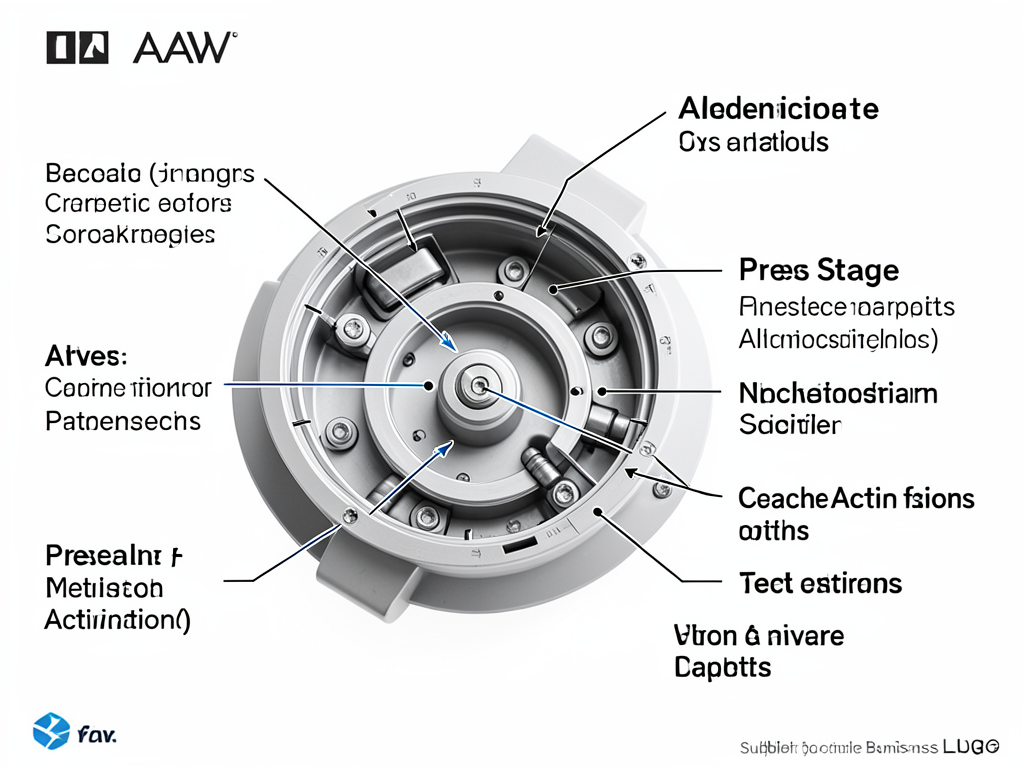
A close-up technical diagram showing the internal spring and seal mechanism of a typical Studor AAV with pressure activation points marked.
Ohio Plumbing Code Requirements for Blue Ash
The Ohio Plumbing Code Section 917 specifically addresses air admittance valves. In Hamilton County AAVs are permitted for residential applications but must meet several requirements. The valve must be installed a minimum of four inches above the horizontal branch drain and accessible for maintenance and replacement.. Read more about Everything You Need to Plan the Plumbing for a New Wet Bar in Your West Chester Basement.
For Blue Ash basements the code requires AAVs to be certified to ASSE 1050 or 1051 standards. The valve must also be located within the maximum developed length of vent permitted for the specific drain size. Most Blue Ash homes with 2-inch drains can use AAVs for fixtures up to 24 fixture units. ASSE International standards for plumbing devices.
Local building inspectors in Blue Ash specifically check for proper AAV height above flood level rims and verify the valve is not installed in an attic or crawl space where freezing could occur. The Midwest’s freeze-thaw cycles make proper installation critical for long-term reliability.
Traditional Venting Through the Roof
Traditional venting uses vertical pipes that extend through your roof to provide atmospheric pressure equalization. These vent stacks prevent trap siphonage by allowing air to enter the system freely. For Blue Ash homes this typically means a 2-inch PVC pipe penetrating your roof near the ridge line.
The main advantage of traditional venting is reliability. No mechanical parts mean no failure points. However roof penetrations create potential leak points and require proper flashing installation. In Blue Ash’s heavy spring rainfall and occasional ice storms these penetrations need extra attention to prevent water damage.
Traditional venting also requires more extensive planning during basement construction. You need to route pipes vertically through floor systems and ensure proper slope for waste flow. This becomes more complex in Blue Ash homes with finished main floors or those built on slopes near the Little Miami River floodplain. What to Expect During a Main Sewer Line Repair in Loveland.
Cost Comparison for Blue Ash Basement Projects
Air admittance valves typically cost $30-75 per unit plus installation time. For a standard basement bathroom setup you might need two AAVs totaling $60-150 in materials. Installation takes 2-4 hours for a licensed plumber in Blue Ash.. Read more about Why Sewer Gas Might Be Leaking Into Your Mount Washington Bathroom.
Traditional venting requires more materials and labor. You need vent pipe fittings flashing boots and roof penetration work. Total material costs run $150-300 plus 6-8 hours of labor. The roof penetration also creates a potential leak point that could cost thousands if not properly installed.. Read more about The Hidden Costs of Moving a Bathroom During a Remodel in Terrace Park.
For Blue Ash homes the cost difference becomes more significant when factoring in finished ceilings and walls. Traditional venting may require cutting into existing structures while AAVs can often be installed with minimal demolition. This matters in Blue Ash’s older neighborhoods near Kenwood Road where wall repairs add significant cost. Industrial Pipe Repair.
Common AAV Failure Symptoms in Blue Ash Homes
AAVs can fail due to several factors common in Blue Ash’s climate. The most frequent issue is debris accumulation in the valve mechanism. Dust lint and even insects can prevent the valve from sealing properly. You’ll notice sewer gas odors near drains when this occurs.
Freezing temperatures affect AAV performance. Blue Ash experiences temperatures below 20°F several times each winter. If an AAV is installed in an unheated space or near an exterior wall the valve mechanism can freeze preventing proper operation. The valve may stick open allowing sewer gas escape or stick closed preventing air admittance.
Age and wear also cause failures. Most AAVs have a 20-30 year lifespan but harsh conditions in Blue Ash’s variable climate can reduce this. Signs of failure include gurgling drains slow drainage and visible moisture around the valve indicating improper sealing.. Read more about Why Your Toilet is Making a Gurgling Sound When the Shower Runs in Silverton.
When Traditional Venting Makes More Sense
Traditional venting becomes necessary for certain Blue Ash basement configurations. If you’re installing multiple bathroom groups or a kitchen with dishwasher and garbage disposal the fixture unit count may exceed AAV capacity. The Ohio Plumbing Code limits AAV applications based on total fixture units.. Read more about Fixing a Kitchen Sink That Gurgles When the Dishwasher Drains in Wyoming.
Multi-story homes in Blue Ash often need traditional venting for upper floors. AAVs work well for basement additions but may not provide adequate venting for fixtures on multiple levels. The pressure dynamics become too complex for mechanical valves to handle reliably.
Historic homes near downtown Blue Ash present another consideration. Many pre-1970s homes have cast iron drain systems that don’t seal as well as modern PVC. Traditional venting provides more reliable pressure equalization in these older systems where minor leaks could cause bigger problems.
Installation Best Practices for Blue Ash Conditions
Proper AAV installation in Blue Ash requires attention to local conditions. The valve should be installed in a heated space away from exterior walls. Blue Ash’s winter temperatures make freeze protection essential. Install AAVs in interior walls or mechanical rooms where temperatures stay above 40°F.. Read more about How Long Should Your Sump Pump Actually Last in a Damp Cincinnati Basement?.
Accessibility matters for maintenance. Blue Ash building inspectors require AAVs to be accessible without removing permanent structures. This means installing them in utility closets or access panels rather than behind finished walls. The valve should be mounted vertically with the top facing upward to prevent debris accumulation.
For traditional venting in Blue Ash the roof penetration needs proper ice and water shield installation. The area receives 42 inches of annual rainfall and occasional ice storms. Extend the flashing a minimum of 9 inches up the roof slope and use both mechanical fasteners and roofing cement for maximum protection.
Making the Right Choice for Your Blue Ash Basement
Your specific basement layout determines the best venting approach. For simple bathroom additions near exterior walls AAVs often provide the most cost-effective solution. The Blue Ash soil conditions and typical basement depths make exterior wall installations practical for many homes.
Complex basement layouts with multiple fixture groups or those far from exterior walls may need traditional venting. The additional cost becomes justified when you consider the long-term reliability and code compliance for larger projects. Blue Ash’s building department tends to be strict about proper venting for multi-fixture installations.
Consider your future plans when choosing. If you might add a wet bar or second bathroom later AAVs offer more flexibility for modifications. Traditional venting requires more extensive planning upfront but provides a more robust system for future expansion.
Professional Installation Requirements in Hamilton County
Ohio law requires licensed plumbers for any venting modifications in Blue Ash homes. The Hamilton County Plumbing Department issues permits for basement finishing projects that include new plumbing fixtures. DIY venting installations can result in failed inspections and costly rework.
Professional plumbers in Blue Ash understand local building patterns and common issues. They know which neighborhoods have older cast iron systems versus modern PVC and how soil conditions affect underground connections. This local knowledge prevents costly mistakes during installation.
Permits typically cost $75-150 in Blue Ash and require detailed plans showing fixture locations and venting methods. The inspection process ensures your installation meets code requirements and protects your home’s value. Unpermitted work can cause problems when selling your home in the future.
Maintenance and Troubleshooting Tips
AAVs require minimal maintenance but periodic checks ensure proper operation. Every six months inspect visible AAVs for debris accumulation and check for sewer gas odors. Clean the valve exterior with a damp cloth and ensure the protective cap remains in place.
For traditional venting inspect roof penetrations annually especially after severe weather. Check for cracked or missing sealant around vent pipes and ensure flashing remains secure. Blue Ash’s freeze-thaw cycles can cause sealant to crack over time allowing water intrusion.
If you notice gurgling sounds or slow drains check your AAVs first. Remove the protective cap and ensure the valve moves freely. For traditional systems check for blockages at the roof vent opening. Birds nests leaves and ice can block vent pipes causing drainage problems.
Frequently Asked Questions
Can I install AAVs myself in my Blue Ash basement?
No Ohio law requires licensed plumbers for any venting modifications. The Hamilton County Plumbing Department requires permits and inspections for all new plumbing fixtures. DIY installations can result in code violations failed inspections and potential health hazards from improper sewer gas venting.
How long do air admittance valves last in Cincinnati’s climate?
Quality AAVs typically last 20-30 years but Blue Ash’s freeze-thaw cycles can reduce lifespan. Valves installed in unheated spaces may fail sooner. Most manufacturers recommend replacement every 15-20 years in harsh climates. Signs of failure include sewer odors slow drainage and visible moisture around the valve.
Will AAVs affect my home’s resale value in Blue Ash?
Properly installed AAVs that meet Ohio Plumbing Code requirements do not negatively impact resale value. However unpermitted work or code violations can cause issues during home inspections. Always obtain proper permits and have work inspected to protect your investment in Blue Ash’s competitive real estate market.
Ready to Start Your Basement Project?
Choosing between air admittance valves and traditional venting affects your basement remodel timeline budget and long-term reliability. Blue Ash’s specific building codes soil conditions and climate patterns make professional guidance essential for the right decision.
Don’t risk improper venting that could cause sewer gas problems or code violations. Call (513) 717-2899 today to schedule your basement venting consultation. Our licensed Blue Ash plumbers will evaluate your specific situation and recommend the best solution for your home and budget.
Pick up the phone and call (513) 717-2899 before the next storm hits. Proper venting protects your basement investment and your family’s health. We’re ready to help Blue Ash homeowners make the right choice for their basement remodeling projects.
Learn about emergency plumbing services available throughout Cincinnati
{
“@context”: “https://schema.org”,
“@type”: “BlogPosting”,
“headline”: “Air Admittance Valves vs Traditional Venting for Your Blue Ash Basement Remodel”,
“description”: “Comparing AAVs and traditional venting for Blue Ash basements. Learn Ohio code requirements, installation costs, and when to call (513) 717-2899 for expert help.”,
“wordCount”: 1837,
“datePublished”: “2026-05-23T13:55:00.000Z”,
“dateModified”: “2026-05-23T13:55:00.000Z”,
“inLanguage”: “en-US”,
“mainEntityOfPage”: {
“@type”: “WebPage”,
“@id”: “https://keystoneplumbingcincinnati.com”
},
“publisher”: {
“@type”: “LocalBusiness”,
“name”: “Keystone Plumbing Cincinnati”,
“url”: “https://keystoneplumbingcincinnati.com”
},
“author”: {
“@type”: “Organization”,
“name”: “Keystone Plumbing Cincinnati”,
“url”: “https://keystoneplumbingcincinnati.com”
},
“image”: {
“@type”: “ImageObject”,
“url”: “https://keystoneplumbingcincinnati.com/wp-content/uploads/2026/03/air-admittance-valves-vs-traditional-venting-for-y-1.png”
}
}
{
“@context”: “https://schema.org”,
“@type”: “Plumber”,
“name”: “Keystone Plumbing Cincinnati”,
“url”: “https://keystoneplumbingcincinnati.com”,
“address”: {
“@type”: “PostalAddress”,
“addressLocality”: “Cincinnati”
},
“areaServed”: {
“@type”: “City”,
“name”: “Cincinnati”
}
}
{
“@context”: “https://schema.org”,
“@type”: “FAQPage”,
“mainEntity”: [
{
“@type”: “Question”,
“name”: “Can I install AAVs myself in my Blue Ash basement?”,
“acceptedAnswer”: {
“@type”: “Answer”,
“text”: “No Ohio law requires licensed plumbers for any venting modifications. The Hamilton County Plumbing Department requires permits and inspections for all new plumbing fixtures. DIY installations can result in code violations failed inspections and potential health hazards from improper sewer gas venting.”
}
},
{
“@type”: “Question”,
“name”: “How long do air admittance valves last in Cincinnati’s climate?”,
“acceptedAnswer”: {
“@type”: “Answer”,
“text”: “Quality AAVs typically last 20-30 years but Blue Ash’s freeze-thaw cycles can reduce lifespan. Valves installed in unheated spaces may fail sooner. Most manufacturers recommend replacement every 15-20 years in harsh climates. Signs of failure include sewer odors slow drainage and visible moisture around the valve.”
}
},
{
“@type”: “Question”,
“name”: “Will AAVs affect my home’s resale value in Blue Ash?”,
“acceptedAnswer”: {
“@type”: “Answer”,
“text”: “Properly installed AAVs that meet Ohio Plumbing Code requirements do not negatively impact resale value. However unpermitted work or code violations can cause issues during home inspections. Always obtain proper permits and have work inspected to protect your investment in Blue Ash’s competitive real estate market.”
}
},
{
“@type”: “Question”,
“name”: “Ready to Start Your Basement Project?”,
“acceptedAnswer”: {
“@type”: “Answer”,
“text”: “Choosing between air admittance valves and traditional venting affects your basement remodel timeline budget and long-term reliability. Blue Ash’s specific building codes soil conditions and climate patterns make professional guidance essential for the right decision.”
}
}
]
}
{
“@context”: “https://schema.org”,
“@type”: “BreadcrumbList”,
“itemListElement”: [
{
“@type”: “ListItem”,
“position”: 1,
“name”: “Home”,
“item”: “https://keystoneplumbingcincinnati.com”
},
{
“@type”: “ListItem”,
“position”: 2,
“name”: “Blog”,
“item”: “https://keystoneplumbingcincinnati.com/blog”
},
{
“@type”: “ListItem”,
“position”: 3,
“name”: “Air Admittance Valves vs Traditional Venting for Your Blue Ash Basement Remodel”
}
]
}
{
“@context”: “https://schema.org”,
“@type”: “Service”,
“serviceType”: “Plumbing”,
“provider”: {
“@type”: “LocalBusiness”,
“name”: “Keystone Plumbing Cincinnati”,
“url”: “https://keystoneplumbingcincinnati.com”
},
“areaServed”: {
“@type”: “City”,
“name”: “Cincinnati”
},
“description”: “Comparing AAVs and traditional venting for Blue Ash basements. Learn Ohio code requirements, installation costs, and when to call (513) 717-2899 for expert help.”
}