
Yes, you can legally use a greywater system in your Cincinnati backyard, but only if you follow Ohio’s strict regulations under the Ohio Administrative Code (OAC) 3701-29. Cincinnati homeowners must obtain permits from Hamilton County Public Health and install systems that meet specific design and discharge standards. Not all greywater is treated the same—laundry water is allowed, but kitchen sink water is prohibited due to contamination risks. Professional installation ensures your system passes inspection and avoids costly fines. Call (513) 717-2899 to schedule a consultation and get your greywater project started the right way. Ohio Department of Health Private Water Systems.
Understanding Ohio’s Greywater Laws and Classifications
Ohio law defines greywater as wastewater from bathtubs, showers, bathroom sinks, and washing machines—but not from kitchen sinks, dishwashers, or toilets. This distinction matters because kitchen and toilet water contain fats, oils, and pathogens that require full sewage treatment. The Ohio Administrative Code (OAC) 3701-29-17 specifically regulates greywater recycling systems to protect public health and groundwater quality. Finding the Best Water Heater Replacement for Your West Chester House.
Hamilton County Public Health enforces these regulations through a permitting process that evaluates your property’s soil conditions, setback requirements, and proposed system design. The county requires soil absorption tests to ensure your yard can handle the additional water load without creating standing water or contamination risks. Hamilton County Public Health Department.
Ohio recognizes four types of greywater systems based on daily discharge volume and treatment level. Type 1 systems handle up to 60 gallons per day and use simple subsurface irrigation. Type 2 systems manage 60-500 gallons daily and require basic filtration. Type 3 systems process 500-1,000 gallons and need more advanced treatment. Type 4 systems exceed 1,000 gallons and must meet industrial discharge standards. Industrial Pipe Repair.
Each system type has specific installation requirements. Type 1 systems can often use gravity-fed branched drain networks, while larger systems need pumps and filtration tanks. The permitting process evaluates which type fits your household’s water usage patterns and property characteristics. No Hot Water Diagnosis.
Ohio Administrative Code Requirements for Cincinnati Homeowners
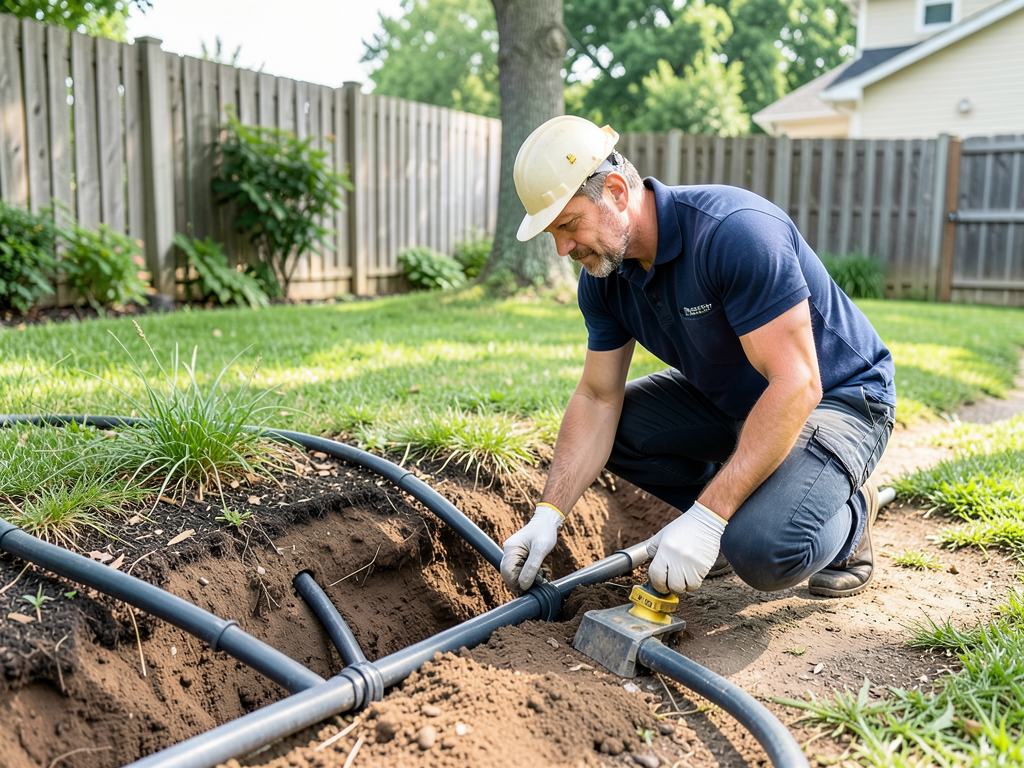
The OAC 3701-29-17 mandates specific design standards for greywater systems in Cincinnati and throughout Ohio. Systems must include a three-way valve to divert water between the greywater system and the sewer line. This valve allows you to bypass the system during cleaning product changes or when using water that could harm plants. What to Expect During a Main Sewer Line Repair in Loveland.
Setback requirements protect your property and neighbors from contamination. Greywater systems must be at least 10 feet from property lines, 50 feet from water wells, and 100 feet from public water supply sources. These distances prevent cross-contamination and protect drinking water supplies.. Read more about Ways to Reduce Your Monthly Water Footprint in Pleasant Ridge with These Simple Upgrades.
The code requires subsurface irrigation for all greywater discharge. Surface pooling or spraying is prohibited because it creates mosquito breeding grounds and exposes people to untreated water. Irrigation lines must be buried at least 6 inches deep and covered with at least 4 inches of soil or mulch.
Filter maintenance is critical for system compliance. Ohio law requires easily accessible filters that homeowners can clean regularly. Clogged filters cause system backups and create health hazards. Most Type 1 systems need filter cleaning every 3-6 months, while larger systems require more frequent maintenance.
Winterization is mandatory in Cincinnati’s climate. The freeze-thaw cycles common to the Ohio River Valley can crack pipes and damage filtration equipment. Systems must include drain valves and insulation to prevent freezing damage during the coldest months.
Permitting Process in Hamilton County and Cincinnati
Obtaining a greywater permit from Hamilton County Public Health involves several steps that can take 4-6 weeks to complete. The process starts with a site evaluation where county inspectors assess your soil conditions, property layout, and water usage patterns.
Soil testing determines your property’s absorption capacity. Hamilton County requires percolation tests that measure how quickly water drains through your soil. Clay-heavy soils common in many Cincinnati neighborhoods may require larger absorption fields or additional treatment steps. Quick Toilet Repair and Installation Services in Montgomery.
Permit fees vary by system type. Type 1 systems typically cost $200-300 in permit fees, while Type 3 or 4 systems can exceed $1,000. These fees cover the county’s review of your plans and the final inspection to ensure compliance.
Professional plumbers must pull permits for greywater installations. DIY installations are not permitted because improper installation creates health risks. Licensed plumbers understand the code requirements and can design systems that pass inspection the first time.
Inspections occur at multiple stages. The initial inspection verifies your system design meets code requirements. A final inspection confirms proper installation before you can use the system. Failed inspections result in correction orders and additional fees.
Prohibited Practices That Will Get You Fined
Using kitchen sink water in your greywater system is illegal under Ohio law. Food particles, grease, and cleaning chemicals create contamination risks that standard greywater treatment cannot handle. Even if you install a grease trap, kitchen water must go to the sewer system.
Surface discharge of greywater violates both state and local codes. Pooling water creates mosquito breeding grounds and exposes people to bacteria. All greywater must be absorbed into the soil through subsurface irrigation networks.
Connecting greywater systems to potable water lines without proper backflow prevention is a serious code violation. Backflow preventers stop contaminated water from flowing backward into your drinking water supply. Missing or faulty preventers can result in immediate system shutdown and fines.
Exceeding your permitted discharge volume is another common violation. Systems are designed for specific water volumes based on household size and soil conditions. Overloading your system causes backups and creates health hazards.
Installing systems without permits is illegal and can result in fines up to $500 per day of violation. Hamilton County actively enforces these regulations, especially in areas with high water tables or near public water supplies.
How a Licensed Cincinnati Plumber Ensures Compliance
Professional plumbers understand the nuances of Ohio’s greywater regulations and can design systems that meet all code requirements. They know which fixtures can connect to greywater systems and which must remain on the sewer line. This expertise prevents costly mistakes during installation.
Plumbers use proper materials rated for greywater exposure. Standard PVC pipes degrade when exposed to certain soaps and cleaning products. Professional installations use materials that resist chemical damage and last for years without leaks.
System sizing is critical for long-term performance. A plumber calculates your household’s greywater production based on fixture usage patterns and soil absorption rates. Oversized systems waste money, while undersized systems cause backups and failures.
Winterization is built into professional designs. Cincinnati’s freeze-thaw cycles require specific installation techniques that protect pipes and filtration equipment. Plumbers install drain valves, insulation, and freeze-resistant components to prevent winter damage.
Maintenance planning is part of professional service. Plumbers provide homeowners with schedules for filter cleaning, system inspections, and seasonal adjustments. This ongoing support helps systems operate efficiently for years.
Call (513) 717-2899 to speak with a licensed Cincinnati plumber who understands Ohio’s greywater regulations and can guide you through the permitting process.
Frequently Asked Questions
Can I install a greywater system myself in Cincinnati?
No. Ohio law requires professional installation by licensed plumbers who understand the permitting process and code requirements. DIY installations are illegal and can result in fines.
How much does a greywater system cost in Cincinnati?
Type 1 systems typically cost $1,500-3,000 installed, while Type 3 systems can exceed $8,000. Costs include materials, labor, permits, and inspections. Call (513) 717-2899 for a custom quote based on your property.
Will a greywater system reduce my water bill?
Yes. Greywater systems can reduce household water consumption by 30-50% by reusing water for irrigation. The exact savings depend on your water usage patterns and local rates.
Do greywater systems work in winter?
Yes, but they require winterization. Professional systems include freeze protection and can operate year-round in Cincinnati’s climate. Some homeowners switch to sewer discharge during the coldest months.
What plants can I water with greywater?
Most ornamental plants and fruit trees tolerate greywater well. Avoid using greywater on root vegetables or leafy greens that contact the soil. Salt-tolerant plants work best since many soaps contain sodium.
How often do greywater filters need cleaning?
Type 1 systems need filter cleaning every 3-6 months. Larger systems may require monthly maintenance. Professional plumbers provide maintenance schedules based on your specific system design.
Can I use greywater for my vegetable garden?
Yes, but avoid direct contact with edible parts. Use greywater for fruit trees, berry bushes, and ornamental plants. Never use greywater on root vegetables or leafy greens that grow close to the soil.
What happens if my system fails inspection?
Failed inspections require corrections before final approval. Common issues include improper pipe burial depth, missing backflow preventers, or inadequate filtration. Professional plumbers fix these issues quickly to avoid permit expiration.
Is greywater safe for the environment?
Yes, when properly installed and maintained. Greywater systems reduce freshwater demand and return nutrients to the soil. They must meet Ohio’s strict treatment standards to protect groundwater quality.
How long does installation take?
Most residential systems install in 2-3 days. The permitting process takes 4-6 weeks before installation can begin. Professional plumbers coordinate inspections and ensure timely completion.
Ready to Install a Legal Greywater System?
Installing a greywater system in Cincinnati requires navigating complex state and local regulations. Professional plumbers ensure your system meets all Ohio Administrative Code requirements and passes Hamilton County inspections. The right installation saves water, reduces utility bills, and protects your property from contamination risks.
Don’t risk fines or system failures with DIY installations. Call (513) 717-2899 today to schedule a consultation with a licensed Cincinnati plumber who understands Ohio’s greywater laws. We’ll evaluate your property, design a compliant system, and handle all permitting requirements.
Pick up the phone and call (513) 717-2899 before the next storm hits. Our team is ready to help you install a legal, efficient greywater system that works for your Cincinnati home.
You may also find this helpful. Exterior French Drains vs Interior Sump Pumps—Which Works Better for Anderson Township Yards?.
{
“@context”: “https://schema.org”,
“@type”: “BlogPosting”,
“headline”: “Can You Legally Use a Greywater System in Your Cincinnati Backyard?”,
“description”: “Learn Ohio’s greywater laws, Hamilton County permitting rules, and how to install a legal greywater system in Cincinnati. Call (513) 717-2899 for expert help.”,
“wordCount”: 1662,
“datePublished”: “2026-04-11T07:27:00.000Z”,
“dateModified”: “2026-04-11T07:27:00.000Z”,
“inLanguage”: “en-US”,
“mainEntityOfPage”: {
“@type”: “WebPage”,
“@id”: “https://keystoneplumbingcincinnati.com”
},
“publisher”: {
“@type”: “LocalBusiness”,
“name”: “Keystone Plumbing Cincinnati”,
“url”: “https://keystoneplumbingcincinnati.com”
},
“author”: {
“@type”: “Organization”,
“name”: “Keystone Plumbing Cincinnati”,
“url”: “https://keystoneplumbingcincinnati.com”
},
“image”: {
“@type”: “ImageObject”,
“url”: “https://keystoneplumbingcincinnati.com/wp-content/uploads/2026/03/can-you-legally-use-a-greywater-system-in-your-cin-1.png”
}
}
{
“@context”: “https://schema.org”,
“@type”: “Plumber”,
“name”: “Keystone Plumbing Cincinnati”,
“url”: “https://keystoneplumbingcincinnati.com”,
“address”: {
“@type”: “PostalAddress”,
“addressLocality”: “Cincinnati”
},
“areaServed”: {
“@type”: “City”,
“name”: “Cincinnati”
}
}
{
“@context”: “https://schema.org”,
“@type”: “FAQPage”,
“mainEntity”: [
{
“@type”: “Question”,
“name”: “Can I install a greywater system myself in Cincinnati?”,
“acceptedAnswer”: {
“@type”: “Answer”,
“text”: “No. Ohio law requires professional installation by licensed plumbers who understand the permitting process and code requirements. DIY installations are illegal and can result in fines.”
}
},
{
“@type”: “Question”,
“name”: “How much does a greywater system cost in Cincinnati?”,
“acceptedAnswer”: {
“@type”: “Answer”,
“text”: “Type 1 systems typically cost $1,500-3,000 installed, while Type 3 systems can exceed $8,000. Costs include materials, labor, permits, and inspections. Call (513) 717-2899 for a custom quote based on your property.”
}
},
{
“@type”: “Question”,
“name”: “Will a greywater system reduce my water bill?”,
“acceptedAnswer”: {
“@type”: “Answer”,
“text”: “Yes. Greywater systems can reduce household water consumption by 30-50% by reusing water for irrigation. The exact savings depend on your water usage patterns and local rates.”
}
},
{
“@type”: “Question”,
“name”: “Do greywater systems work in winter?”,
“acceptedAnswer”: {
“@type”: “Answer”,
“text”: “Yes, but they require winterization. Professional systems include freeze protection and can operate year-round in Cincinnati’s climate. Some homeowners switch to sewer discharge during the coldest months.”
}
},
{
“@type”: “Question”,
“name”: “What plants can I water with greywater?”,
“acceptedAnswer”: {
“@type”: “Answer”,
“text”: “Most ornamental plants and fruit trees tolerate greywater well. Avoid using greywater on root vegetables or leafy greens that contact the soil. Salt-tolerant plants work best since many soaps contain sodium.”
}
},
{
“@type”: “Question”,
“name”: “How often do greywater filters need cleaning?”,
“acceptedAnswer”: {
“@type”: “Answer”,
“text”: “Type 1 systems need filter cleaning every 3-6 months. Larger systems may require monthly maintenance. Professional plumbers provide maintenance schedules based on your specific system design.”
}
},
{
“@type”: “Question”,
“name”: “Can I use greywater for my vegetable garden?”,
“acceptedAnswer”: {
“@type”: “Answer”,
“text”: “Yes, but avoid direct contact with edible parts. Use greywater for fruit trees, berry bushes, and ornamental plants. Never use greywater on root vegetables or leafy greens that grow close to the soil.”
}
},
{
“@type”: “Question”,
“name”: “What happens if my system fails inspection?”,
“acceptedAnswer”: {
“@type”: “Answer”,
“text”: “Failed inspections require corrections before final approval. Common issues include improper pipe burial depth, missing backflow preventers, or inadequate filtration. Professional plumbers fix these issues quickly to avoid permit expiration.”
}
},
{
“@type”: “Question”,
“name”: “Is greywater safe for the environment?”,
“acceptedAnswer”: {
“@type”: “Answer”,
“text”: “Yes, when properly installed and maintained. Greywater systems reduce freshwater demand and return nutrients to the soil. They must meet Ohio’s strict treatment standards to protect groundwater quality.”
}
},
{
“@type”: “Question”,
“name”: “How long does installation take?”,
“acceptedAnswer”: {
“@type”: “Answer”,
“text”: “Most residential systems install in 2-3 days. The permitting process takes 4-6 weeks before installation can begin. Professional plumbers coordinate inspections and ensure timely completion.”
}
},
{
“@type”: “Question”,
“name”: “Ready to Install a Legal Greywater System?”,
“acceptedAnswer”: {
“@type”: “Answer”,
“text”: “Installing a greywater system in Cincinnati requires navigating complex state and local regulations. Professional plumbers ensure your system meets all Ohio Administrative Code requirements and passes Hamilton County inspections. The right installation saves water, reduces utility bills, and protects your property from contamination risks.”
}
}
]
}
{
“@context”: “https://schema.org”,
“@type”: “BreadcrumbList”,
“itemListElement”: [
{
“@type”: “ListItem”,
“position”: 1,
“name”: “Home”,
“item”: “https://keystoneplumbingcincinnati.com”
},
{
“@type”: “ListItem”,
“position”: 2,
“name”: “Blog”,
“item”: “https://keystoneplumbingcincinnati.com/blog”
},
{
“@type”: “ListItem”,
“position”: 3,
“name”: “Can You Legally Use a Greywater System in Your Cincinnati Backyard?”
}
]
}
{
“@context”: “https://schema.org”,
“@type”: “Service”,
“serviceType”: “Plumbing”,
“provider”: {
“@type”: “LocalBusiness”,
“name”: “Keystone Plumbing Cincinnati”,
“url”: “https://keystoneplumbingcincinnati.com”
},
“areaServed”: {
“@type”: “City”,
“name”: “Cincinnati”
},
“description”: “Learn Ohio’s greywater laws, Hamilton County permitting rules, and how to install a legal greywater system in Cincinnati. Call (513) 717-2899 for expert help.”
}