
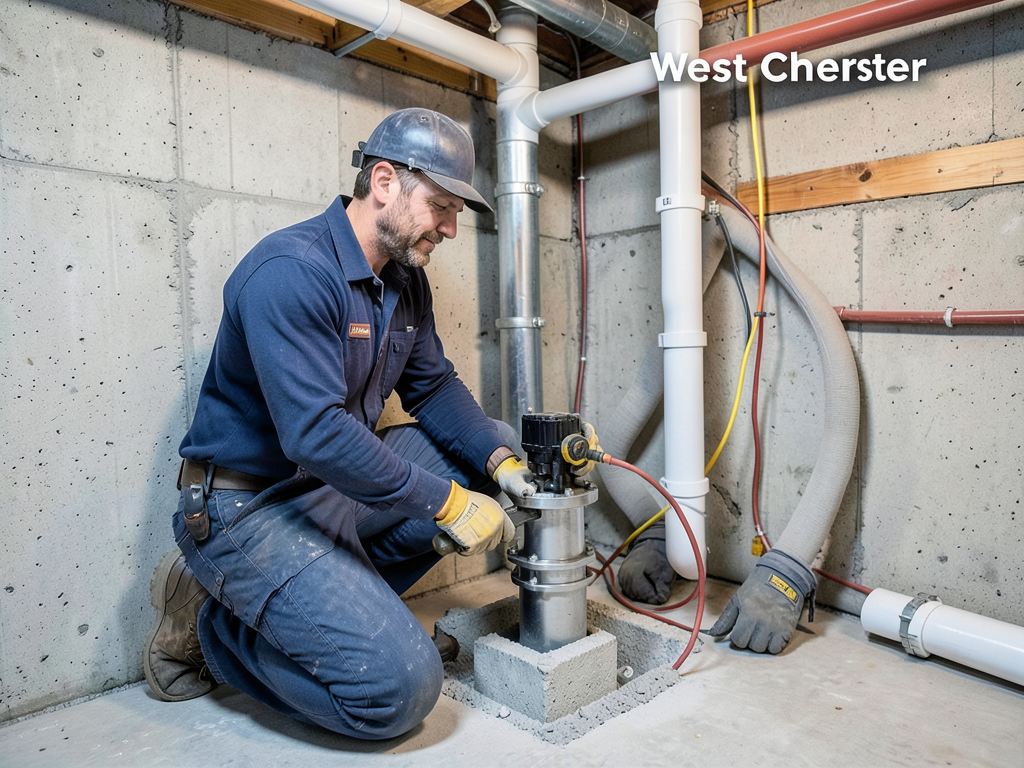
Everything You Need to Plan the Plumbing for a New Wet Bar in Your West Chester Basement
Adding a wet bar to your West Chester basement requires careful planning to meet Ohio Plumbing Code requirements and avoid costly mistakes. Whether you’re finishing your basement for entertaining or adding value to your home understanding the technical requirements before breaking ground will save you time and money. Ohio Plumbing Code Section 4101:3-25.
The first step is determining your drainage solution. Since basements sit below the main sewer line you’ll need either gravity drainage with proper slope or a sewage ejector pump to move waste upward. Most West Chester homes with finished basements use ejector pumps rated for 1.5-inch solids to handle bar sink waste.
Venting presents another critical decision. The Ohio Plumbing Code allows Air Admittance Valves (AAVs) in certain basement applications but traditional roof venting through a 1.5-inch PVC pipe may be required depending on your layout. AAVs must be accessible for maintenance and cannot be installed in wall cavities without proper access panels. Who to Call for an Emergency Plumbing Crisis in Downtown Cincinnati.
Water supply lines typically use 1/2-inch PEX or copper piping for wet bar applications. PEX offers freeze resistance important for Cincinnati’s harsh winters while copper provides durability. Both materials meet Hamilton County building code requirements when properly installed with shut-off valves accessible from finished spaces. Hamilton County Building Department.
Before any work begins you’ll need a plumbing permit from the Hamilton County Building Department. The permitting process includes submitting detailed plans showing fixture locations pipe routing and venting configurations. Inspections occur at rough-in and final stages to ensure code compliance.
Working with a licensed Cincinnati plumber ensures your wet bar meets all local requirements and passes inspection the first time. Call (513) 717-2899 today to schedule your consultation and get your project started right.. Read more about How Long Should Your Sump Pump Actually Last in a Damp Cincinnati Basement?.
Understanding Ohio Plumbing Code Requirements for Basement Bars
The Ohio Plumbing Code establishes specific requirements for below-grade plumbing installations that differ from above-ground applications. For West Chester basements these codes address the unique challenges of working below the frost line and below sewer elevations.
Section 4101:3-25 of the Ohio Plumbing Code mandates minimum pipe slopes of 1/4 inch per foot for drain lines to ensure proper waste flow. In basement applications achieving this slope often requires creative routing through concrete slabs or the use of sewage ejector systems when gravity drainage isn’t feasible.
Floor drains in basement wet bars must connect to the sanitary sewer system and cannot discharge to storm drains. This requirement prevents cross-contamination and ensures proper waste treatment. The code also specifies P-trap requirements with minimum water seal depths of 2 inches to prevent sewer gas infiltration. Finding the Best Water Heater Replacement for Your West Chester House.
Backflow prevention devices become critical in basement installations where the water supply enters below the flood rim of fixtures. A reduced pressure principle backflow preventer may be required to protect the potable water supply from contamination. No Hot Water Diagnosis.
Fixture unit calculations determine pipe sizing for multiple fixtures. A typical wet bar with sink and ice maker requires 3-4 fixture units dictating 1.5-inch minimum drain sizing and 1/2-inch water supply lines. These calculations ensure adequate flow without excessive pressure loss.. Read more about Why Your Cincinnati Tap Water Smells Like a Swimming Pool (and How to Fix It).
Call (513) 717-2899 to have a licensed plumber review your plans against Ohio Plumbing Code requirements before construction begins.
Drainage Solutions: Gravity vs. Ejector Pumps
Choosing between gravity drainage and sewage ejector pumps depends on your basement’s relationship to the main sewer line elevation. Most West Chester basements require ejector pumps due to the area’s flat terrain and high water table.. Read more about Keeping Water Away from Your Foundation with Better Grading and Drainage in Newtown.
Gravity drainage works when the bar sink sits above the sewer line elevation allowing waste to flow naturally through sloped pipes. This requires a minimum 1/4-inch-per-foot slope toward the main drain often achieved by raising the bar slightly or routing pipes through walls to reach existing drain lines.
Sewage ejector pumps become necessary when the bar location sits below the sewer line. These systems collect waste in a sealed tank and pump it upward through a 2-inch discharge line to the main sewer. Ejector pumps must be properly vented through the roof to prevent pressure buildup and allow sewer gases to escape.
Grinder pumps offer an alternative for situations where the discharge line must travel long horizontal distances or navigate multiple direction changes. These systems grind waste into a slurry before pumping allowing use of smaller diameter pipes (1.5 inches) and reducing the risk of clogs.
Pump sizing depends on fixture load and vertical lift requirements. A typical wet bar sink requires a pump capable of 10-15 gallons per minute with 10-15 feet of head pressure. Over-sizing wastes energy while under-sizing leads to frequent cycling and premature failure.
Installation considerations include providing a dedicated 120V GFCI electrical circuit ensuring adequate ventilation for the pump chamber and installing check valves to prevent backflow. Access for maintenance must be maintained according to code requirements.
Venting Requirements for Basement Wet Bar Sinks
Proper venting prevents trap siphonage and allows sewer gases to escape safely. Basement applications present unique venting challenges due to limited access to roof penetration points and the need to maintain trap seals under negative pressure conditions.. Read more about How to Safely Clean a Smelly Garbage Disposal in Your Fairfax Kitchen.
Traditional roof venting requires running a 1.5-inch PVC pipe from the fixture trap through walls and up through the roof. This method provides reliable venting but may require cutting through multiple floor levels and roof penetrations that complicate finishing work.
Air Admittance Valves (AAVs) offer a code-compliant alternative for many basement applications. These mechanical devices open to allow air entry when negative pressure develops then close to prevent sewer gas escape. The Ohio Plumbing Code permits AAVs when installed within 6 feet of the fixture trap and accessible for maintenance.
AAV installation requirements include mounting at least 4 inches above the top flood level of the highest fixture served and providing an accessible location for replacement. They cannot be installed in wall cavities without access panels and multiple AAVs cannot serve the same branch line.
Studor vents represent a specific brand of AAV commonly used in residential applications. These devices must be certified to ASSE 1050 or CSA B64.5 standards and installed according to manufacturer specifications. Most models require 1.5-inch inlet connections and provide 24-inch water column backpressure capability. Studor AAV specifications.
Combination waste and vent systems may be permitted in certain basement configurations allowing drain lines to serve as both waste conveyors and vent pathways. This approach requires careful planning to ensure adequate air circulation and prevent trap siphonage under all flow conditions.
Water Supply Line Specifications and Materials
Selecting appropriate water supply materials ensures reliable operation and code compliance for your basement wet bar. Cincinnati’s climate and water chemistry influence material selection particularly regarding freeze resistance and corrosion resistance.
PEX (cross-linked polyethylene) tubing has become the standard for new installations due to its flexibility freeze resistance and ease of installation. PEX expands slightly when frozen reducing burst risk compared to rigid materials. The material resists scale buildup common in Cincinnati’s moderately hard water.
Copper piping remains popular for its durability and proven track record. Type L copper (thick wall) provides the best balance of cost and longevity for residential applications. However copper requires careful support and protection from freezing in unconditioned basement spaces.
CPVC (chlorinated polyvinyl chloride) offers an intermediate option with better temperature resistance than standard PVC. While less flexible than PEX CPVC installs with solvent welding for leak-proof joints and resists both freezing and chemical degradation.
Water pressure considerations affect material selection and sizing. Most West Chester homes receive 40-60 psi from the municipal supply adequate for wet bar applications without pressure boosting. However pressure-reducing valves may be necessary if supply pressure exceeds 80 psi to protect fixtures and supply lines.
Isolation valves at the main supply line allow shutoff without affecting the rest of the house. Ball valves provide reliable shutoff with quarter-turn operation while gate valves offer lower cost but may develop seat leakage over time.
Supply line sizing typically uses 1/2-inch diameter for individual fixtures with 3/4-inch mains for multiple fixtures. This sizing ensures adequate flow for simultaneous use while minimizing pressure drop across the system.
The Hamilton County Permitting Process
Obtaining proper permits ensures your wet bar installation meets all safety and code requirements. The Hamilton County Building Department requires plumbing permits for all new installations and major modifications to existing systems.
Permit application begins with submitting detailed plans showing fixture locations pipe routing venting configurations and material specifications. Plans must include fixture unit calculations slope diagrams for drain lines and locations of cleanouts and access panels. A licensed plumber can prepare these drawings to ensure code compliance.
Permit fees vary based on project scope but typically range from $150 to $300 for residential wet bar installations. Additional fees may apply for plan review inspections and any required upgrades to existing systems. The total cost usually represents 3-5% of the overall project budget.
Inspection schedule includes rough-in inspection after drain and vent lines install but before wall closure. This inspection verifies proper slope venting and support. Final inspection occurs after completion checking all connections fixtures and code compliance.
Inspection failures result in correction orders and re-inspection fees. Common failure points include inadequate venting improper pipe support missing access panels and incorrect fixture unit calculations. Addressing these issues before inspection saves time and money.
Local Considerations for West Chester Basements
West Chester’s glacial till soil contains clay and silt layers that affect drainage and foundation performance. The area’s water table typically sits 8-12 feet below grade requiring careful sump pump installation and waterproofing for finished basements.
Local frost depth reaches 30-36 inches requiring supply lines buried below this level or properly insulated in unconditioned spaces. The area’s freeze-thaw cycles create soil movement that can stress underground pipes and connections.
West Chester’s building department maintains specific requirements for basement finishes including minimum ceiling heights of 7 feet for habitable spaces and proper egress window sizing for emergency exits. These requirements affect wet bar placement and design.
Local infrastructure includes the Union Centre Boulevard corridor and Liberty Way development where many new homes feature finished basements. These areas often have newer plumbing systems but may still require ejector pumps due to flat topography.
Cost Considerations and Budgeting
Wet bar plumbing installation costs vary based on complexity and existing conditions. Basic installations with gravity drainage typically cost $1500 to $2500 while ejector pump systems range from $2500 to $4000 including pump chamber and electrical work.
Additional costs include permit fees ($150 to $300) inspection fees ($50 to $100 per inspection) and potential concrete cutting for drain line installation ($200 to $500). High-end finishes and custom fixtures can add $1000 to $3000 to the total.
DIY installation risks include code violations improper venting and inadequate slope leading to clogs and backups. Professional installation ensures code compliance and typically includes warranty coverage for workmanship.
Financing options include home equity loans personal loans and contractor financing programs. Many homeowners budget 5-7% of their total basement finishing cost for wet bar plumbing installation.
Maintenance and Troubleshooting
Regular maintenance ensures reliable wet bar operation and prevents costly repairs. Ejector pumps require annual testing by pouring water into the basin and verifying proper operation. Check valves should be inspected for debris and proper sealing. Industrial Pipe Repair.
Vent pipes can become blocked by debris animals or ice in winter. Annual inspection ensures proper airflow and prevents trap siphonage. AAVs have a typical lifespan of 5-10 years and should be replaced when they fail to open or close properly.
Supply lines should be checked annually for leaks corrosion or freeze damage. PEX connections may loosen over time requiring tightening or replacement. Copper pipes develop green corrosion indicating potential leaks or water chemistry issues.
Floor drains in wet bars require periodic testing to ensure P-traps maintain water seals. Dry traps allow sewer gas infiltration creating unpleasant odors and potential health hazards. Pour water down unused drains monthly to maintain seals.
Frequently Asked Questions
Can I install a wet bar without a permit? No. Hamilton County requires permits for all new plumbing installations. Unpermitted work can result in fines and require costly removal and reinstallation.
How long does installation take? Basic installations require 2-3 days while complex ejector pump systems may take 4-5 days including inspection periods.
What’s the best material for supply lines? PEX offers the best combination of cost freeze resistance and ease of installation for most applications. Copper provides superior durability for exposed installations.
Do I need a floor drain? Floor drains aren’t required for wet bars but provide valuable overflow protection. They must connect to the sanitary sewer system and cannot discharge to storm drains.
Can I use a macerating toilet pump for a wet bar? Macerating pumps work for toilets but lack the capacity for typical wet bar waste loads. Use a dedicated sewage ejector pump instead. Quick Toilet Repair and Installation Services in Montgomery.
Design Considerations
Wet bar placement affects plumbing complexity and cost. Locating the bar near existing plumbing reduces installation costs and simplifies venting. Basement corners often provide the most efficient routing for drain and vent lines.
Countertop height affects comfort and accessibility. Standard heights of 36 inches work for most users while 42-inch heights accommodate bar stools. Consider adjustable or custom heights for users with mobility limitations.
Storage requirements influence cabinet design and layout. Plan for glassware wine bottles and bar tools when designing cabinet dimensions. Include electrical outlets for small appliances like blenders and wine coolers.
Lighting affects both functionality and ambiance. Under-cabinet LED lighting provides task lighting while pendant lights over the bar create focal points. Consider dimmer switches for adjustable ambiance.
Ready to Start Your Wet Bar Project?
Don’t let plumbing complexities derail your basement bar dreams. Our licensed Cincinnati plumbers understand West Chester’s unique requirements and can ensure your installation passes inspection the first time. We handle everything from permit applications to final inspections so you can focus on enjoying your new space.
Call (513) 717-2899 today for a free consultation and estimate. We’ll review your plans identify potential challenges and provide a detailed quote for your wet bar plumbing installation. Your perfect basement bar is just one call away.
{
“@context”: “https://schema.org”,
“@type”: “BlogPosting”,
“headline”: “Everything You Need to Plan the Plumbing for a New Wet Bar in Your West Chester Basement”,
“description”: “Learn Ohio Plumbing Code requirements for basement wet bars in West Chester. Get permit info, material specs, and installation costs for your project.”,
“wordCount”: 2373,
“datePublished”: “2026-05-18T15:48:00.000Z”,
“dateModified”: “2026-05-18T15:48:00.000Z”,
“inLanguage”: “en-US”,
“mainEntityOfPage”: {
“@type”: “WebPage”,
“@id”: “https://keystoneplumbingcincinnati.com”
},
“publisher”: {
“@type”: “LocalBusiness”,
“name”: “Keystone Plumbing Cincinnati”,
“url”: “https://keystoneplumbingcincinnati.com”
},
“author”: {
“@type”: “Organization”,
“name”: “Keystone Plumbing Cincinnati”,
“url”: “https://keystoneplumbingcincinnati.com”
},
“image”: {
“@type”: “ImageObject”,
“url”: “https://keystoneplumbingcincinnati.com/wp-content/uploads/2026/03/everything-you-need-to-plan-the-plumbing-for-a-new-1.png”
}
}
{
“@context”: “https://schema.org”,
“@type”: “Plumber”,
“name”: “Keystone Plumbing Cincinnati”,
“url”: “https://keystoneplumbingcincinnati.com”,
“address”: {
“@type”: “PostalAddress”,
“addressLocality”: “Cincinnati”
},
“areaServed”: {
“@type”: “City”,
“name”: “Cincinnati”
}
}
{
“@context”: “https://schema.org”,
“@type”: “FAQPage”,
“mainEntity”: [
{
“@type”: “Question”,
“name”: “Ready to Start Your Wet Bar Project?”,
“acceptedAnswer”: {
“@type”: “Answer”,
“text”: “Don’t let plumbing complexities derail your basement bar dreams. Our licensed Cincinnati plumbers understand West Chester’s unique requirements and can ensure your installation passes inspection the first time. We handle everything from permit applications to final inspections so you can focus on enjoying your new space.”
}
}
]
}
{
“@context”: “https://schema.org”,
“@type”: “BreadcrumbList”,
“itemListElement”: [
{
“@type”: “ListItem”,
“position”: 1,
“name”: “Home”,
“item”: “https://keystoneplumbingcincinnati.com”
},
{
“@type”: “ListItem”,
“position”: 2,
“name”: “Blog”,
“item”: “https://keystoneplumbingcincinnati.com/blog”
},
{
“@type”: “ListItem”,
“position”: 3,
“name”: “Everything You Need to Plan the Plumbing for a New Wet Bar in Your West Chester Basement”
}
]
}
{
“@context”: “https://schema.org”,
“@type”: “Service”,
“serviceType”: “Plumbing”,
“provider”: {
“@type”: “LocalBusiness”,
“name”: “Keystone Plumbing Cincinnati”,
“url”: “https://keystoneplumbingcincinnati.com”
},
“areaServed”: {
“@type”: “City”,
“name”: “Cincinnati”
},
“description”: “Learn Ohio Plumbing Code requirements for basement wet bars in West Chester. Get permit info, material specs, and installation costs for your project.”
}