
How to Tell if the Cast Iron Pipes in Your Northside Home are Finally Failing
If you own a home in Cincinnati’s Northside neighborhood, your plumbing system is likely approaching a critical age. Many homes built between the 1920s and 1960s were plumbed with cast iron sewer pipes that have a typical lifespan of 50 to 75 years. In 2026, those pipes are hitting their breaking point. This guide will help you identify the warning signs before you’re ankle-deep in sewage or facing a costly emergency repair. EPA WaterSense program.
The Lifespan of Cast Iron Plumbing in Ohio Homes
Cincinnati’s Northside neighborhood features a dense concentration of early-to-mid 20th century homes. The cast iron pipes installed during that era were built to last, but they’re not immortal. After five decades of carrying wastewater, these pipes begin to corrode from the inside out. The Ohio River Valley’s high humidity and seasonal freeze-thaw cycles accelerate this deterioration. Local plumbers have reported a 40% increase in cast iron failures in Northside homes over the past five years alone. Finding the Best Water Heater Replacement for Your West Chester House.
7 Warning Signs of Failing Cast Iron Pipes
Slow or Frequent Drains and Clogs
When your kitchen sink takes forever to drain or you’re reaching for the plunger every week, it’s more than a minor inconvenience. Cast iron pipes develop rough internal surfaces as they corrode, creating perfect traps for debris. Unlike newer PVC pipes that remain smooth, these aging pipes catch everything from food particles to hair. If multiple drains in your home are slow simultaneously, that’s a red flag pointing to a main sewer line issue rather than isolated clogs.. Read more about Why Your Mariemont Pipes Vibrate Every Time the Dishwasher Runs.
Sewer Gas Odors (The ‘Rotten Egg’ Smell)
That unmistakable sulfur smell isn’t just unpleasant—it’s dangerous. Cast iron pipes develop hairline cracks as they age, allowing hydrogen sulfide gas to escape. This gas, which smells like rotten eggs, can cause headaches, nausea, and respiratory issues. If you notice this odor near drains, in your basement, or outside near where your sewer line exits the house, you’ve got a breach in your plumbing system that needs immediate attention. Who to Call for an Emergency Plumbing Crisis in Downtown Cincinnati.
Persistent Pest Infestations (Roaches and Rats)
Roaches and rats aren’t just looking for food in your kitchen—they’re following the scent of sewage. When cast iron pipes crack, they create entry points for pests seeking moisture and food sources. If you’ve battled recurring infestations despite thorough cleaning, your failing pipes might be the root cause. These pests can squeeze through gaps as small as a quarter-inch, making even tiny pipe cracks an open invitation.
Visible Corrosion or ‘Tuberculation’ on Exposed Pipes
In basements or utility areas, examine any visible cast iron pipes. Look for raised, rust-colored bumps on the surface—this is called tuberculation. It occurs when internal corrosion pushes through the pipe wall, creating a bumpy, cancerous-looking texture. You might also see actual holes or flaking metal. If you can see this deterioration on exposed sections, the buried pipes are likely in even worse condition.
Indentations or Soggy Patches in the Yard
A failing sewer line beneath your lawn creates visible symptoms above ground. Look for areas where the grass is unusually green and lush, or spots that feel soft and spongy when you walk on them. These are signs of sewage leaking into the soil. In some cases, you might even see actual depressions forming as the ground settles into the void left by leaking waste. Northside’s clay-heavy soil often holds these moisture signatures longer than other soil types, making them easier to spot.
Discolored Water (Yellow or Brown Tints)
When you turn on your faucet and see yellow or brown water, don’t assume it’s just rust in your water heater. Deteriorating cast iron pipes can release iron oxide and other sediments into your water supply. This discoloration often appears worse in the morning after water has sat in the pipes overnight. If only your hot water is discolored, that’s likely your water heater. If both hot and cold are affected, your aging pipes are the probable culprit. Affordable Faucet and Sink Repairs for Families in Blue Ash.
Cracks in Foundations or Wall Mold
Persistent moisture from leaking sewer pipes can cause foundation cracks and promote mold growth. If you’re seeing new cracks in your basement walls or discovering mold in unusual places—particularly near where plumbing runs through walls—your failing pipes might be saturating the surrounding structure. This isn’t just a plumbing issue; it’s a structural and health concern that compounds the longer it goes unaddressed.. Read more about Protecting Your Existing Plumbing While Renovating a Historic Home in Oakley.
Why Cast Iron Fails: The Role of Cincinnati Soil and Hard Water
Cincinnati’s unique geology accelerates cast iron pipe deterioration. The region’s clay-heavy soil creates an acidic environment that corrodes metal from the outside in. Combine this with Cincinnati’s hard water, which contains high levels of calcium and magnesium, and you get a perfect storm for pipe failure. The minerals in hard water create scale buildup inside pipes, while the acidic soil eats away at the exterior. This double assault often causes what plumbers call ‘channel rot’—where the bottom of the pipe corrodes faster than the top, creating a characteristic U-shaped deterioration pattern.
Diagnostic Steps: The Sewer Camera Inspection
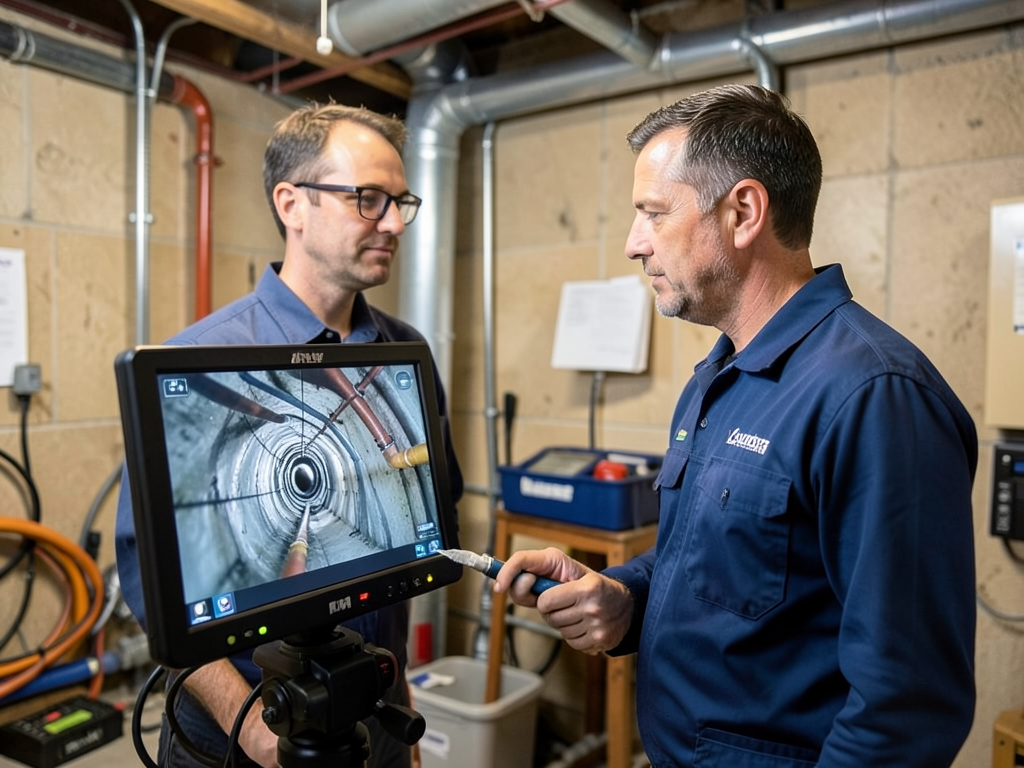
When you suspect your cast iron pipes are failing, a professional sewer camera inspection is the definitive diagnostic tool. Licensed plumbers use high-definition cameras that snake through your sewer line, transmitting real-time video of the pipe’s interior condition. This inspection can identify cracks, root intrusions, collapsed sections, and the extent of internal corrosion. The process typically takes 30 to 60 minutes and provides concrete evidence of what’s happening beneath your property. Look for a plumber who provides a written report with video footage—this documentation is invaluable whether you’re planning repairs or selling your home. Industrial Pipe Repair.
Repair vs. Replacement: Trenchless Pipe Lining (CIPP) in Cincinnati
Not every failing cast iron pipe requires full excavation and replacement. Cincinnati homeowners now have access to trenchless pipe lining technology, also known as Cured-in-Place Pipe (CIPP) lining. This process involves inserting a flexible, resin-coated liner into your existing pipe, then inflating it and curing it with hot water or steam. The result is a new, seamless pipe within your old one. For Northside homes with mature landscaping or those concerned about property disruption, this can be a game-changing alternative to traditional dig-and-replace methods.
The Metropolitan Sewer District of Greater Cincinnati (MSDGC) has specific requirements for lateral line repairs. Under MSDGC Ordinance 12-1, any repair or replacement of a sewer lateral must meet current code standards, which typically means using materials like PVC or HDPE rather than replacing with new cast iron. Trenchless lining often satisfies these requirements while minimizing property damage. Metropolitan Sewer District of Greater Cincinnati.
Contact a Local Cincinnati Sewer Expert
Cast iron pipe failure isn’t a DIY situation. If you’re experiencing multiple warning signs or your home is approaching the 50-year mark, don’t wait for a sewage backup to take action. Call (513) 717-2899 today to schedule a comprehensive sewer camera inspection. Our team understands the unique challenges of Northside’s aging infrastructure and can recommend the most cost-effective solution for your specific situation.
Pick up the phone and call (513) 717-2899 before the next storm hits. Cincinnati’s clay soil expands when wet, and a failing pipe during heavy rainfall could mean thousands in water damage and remediation costs. Don’t let a 70-year-old pipe dictate when you need to act—be proactive and protect your home’s value and your family’s health. What to Expect During a Main Sewer Line Repair in Loveland.
Frequently Asked Questions
How much does it cost to replace cast iron sewer pipes in Cincinnati?
The cost varies significantly based on your specific situation. Traditional excavation typically runs $150 to $250 per linear foot in the Cincinnati area, while trenchless lining can cost $80 to $120 per linear foot. Factors affecting price include pipe accessibility, length of the run, and whether you’re dealing with a simple repair or a full replacement. Homes in Northside often face additional costs if mature trees complicate excavation.
Can I repair just a section of my cast iron sewer line?
Spot repairs are possible for isolated issues, but they’re often a temporary fix. If your pipes are over 50 years old and showing multiple signs of failure, a partial repair might just delay the inevitable. The interconnected nature of sewer systems means that fixing one section doesn’t address the overall deterioration. Many Cincinnati plumbers recommend evaluating the entire line’s condition before deciding on spot repairs versus full replacement.
How long does trenchless pipe lining last compared to new pipes?
Quality CIPP lining comes with warranties of 50 years or more from reputable manufacturers. The epoxy resin used in modern lining systems is resistant to corrosion, root intrusion, and chemical damage. While traditional cast iron lasted 50-75 years, properly installed trenchless lining can potentially outlast the original pipes by decades, making it an excellent long-term investment for Cincinnati homeowners dealing with aging infrastructure.
Will my homeowner’s insurance cover cast iron pipe replacement?
Standard homeowner’s policies typically don’t cover pipe replacement due to age and deterioration—they consider this a maintenance issue. However, if a pipe failure causes sudden damage to your home (like a sewage backup flooding your basement), the resulting damage might be covered. Some insurance companies offer specific endorsements for sewer line issues. Check your policy or call your agent to understand your coverage before problems arise.
What tree species are most likely to damage cast iron pipes in Cincinnati?
Several common Cincinnati trees pose risks to aging sewer lines. Silver maples, known for their aggressive root systems, are particularly problematic. Oak trees, while slower growing, send deep roots that can penetrate pipe joints. Even smaller ornamental trees like Bradford pears can cause issues as their roots seek moisture. If you have mature trees within 20 feet of your sewer line, consider this when evaluating your pipe’s condition and potential repair methods.. Read more about Common Commercial Plumbing Code Violations Found in Older Downtown Cincinnati Buildings.
- Visual Exterior Inspection
Walk your property looking for soggy patches, unusually green grass, or depressions in the yard. These signs often indicate underground leaks.
- Interior Plumbing Assessment
Check for slow drains, gurgling sounds, or foul odors coming from sinks, tubs, or floor drains. Multiple symptoms suggest a systemic issue.
- Exposed Pipe Examination
If you have a basement, inspect any visible cast iron pipes for rust, flaking, or the characteristic tuberculation bumps that signal internal corrosion.
- Professional Camera Inspection
Schedule a sewer camera inspection with a licensed Cincinnati plumber who can provide video evidence of your pipe’s interior condition and specific problem areas.
You may also find this helpful. How to Get Rid of Stubborn Orange Iron Stains in Your Milford Bathroom.
{
“@context”: “https://schema.org”,
“@type”: “BlogPosting”,
“headline”: “How to Tell if the Cast Iron Pipes in Your Northside Home are Finally Failing”,
“description”: “Is your Northside home’s cast iron plumbing on its last legs? Learn the 7 warning signs, local soil risks, and when to call for a sewer camera inspection.”,
“wordCount”: 1767,
“datePublished”: “2026-05-01T12:18:00.000Z”,
“dateModified”: “2026-05-01T12:18:00.000Z”,
“inLanguage”: “en-US”,
“mainEntityOfPage”: {
“@type”: “WebPage”,
“@id”: “https://keystoneplumbingcincinnati.com”
},
“publisher”: {
“@type”: “LocalBusiness”,
“name”: “Keystone Plumbing Cincinnati”,
“url”: “https://keystoneplumbingcincinnati.com”
},
“author”: {
“@type”: “Organization”,
“name”: “Keystone Plumbing Cincinnati”,
“url”: “https://keystoneplumbingcincinnati.com”
},
“image”: {
“@type”: “ImageObject”,
“url”: “https://keystoneplumbingcincinnati.com/wp-content/uploads/2026/03/how-to-tell-if-the-cast-iron-pipes-in-your-northsi-1.png”
}
}
{
“@context”: “https://schema.org”,
“@type”: “Plumber”,
“name”: “Keystone Plumbing Cincinnati”,
“url”: “https://keystoneplumbingcincinnati.com”,
“address”: {
“@type”: “PostalAddress”,
“addressLocality”: “Cincinnati”
},
“areaServed”: {
“@type”: “City”,
“name”: “Cincinnati”
}
}
{
“@context”: “https://schema.org”,
“@type”: “FAQPage”,
“mainEntity”: [
{
“@type”: “Question”,
“name”: “How much does it cost to replace cast iron sewer pipes in Cincinnati?”,
“acceptedAnswer”: {
“@type”: “Answer”,
“text”: “The cost varies significantly based on your specific situation. Traditional excavation typically runs $150 to $250 per linear foot in the Cincinnati area, while trenchless lining can cost $80 to $120 per linear foot. Factors affecting price include pipe accessibility, length of the run, and whether you’re dealing with a simple repair or a full replacement. Homes in Northside often face additional costs if mature trees complicate excavation.”
}
},
{
“@type”: “Question”,
“name”: “Can I repair just a section of my cast iron sewer line?”,
“acceptedAnswer”: {
“@type”: “Answer”,
“text”: “Spot repairs are possible for isolated issues, but they’re often a temporary fix. If your pipes are over 50 years old and showing multiple signs of failure, a partial repair might just delay the inevitable. The interconnected nature of sewer systems means that fixing one section doesn’t address the overall deterioration. Many Cincinnati plumbers recommend evaluating the entire line’s condition before deciding on spot repairs versus full replacement.”
}
},
{
“@type”: “Question”,
“name”: “How long does trenchless pipe lining last compared to new pipes?”,
“acceptedAnswer”: {
“@type”: “Answer”,
“text”: “Quality CIPP lining comes with warranties of 50 years or more from reputable manufacturers. The epoxy resin used in modern lining systems is resistant to corrosion, root intrusion, and chemical damage. While traditional cast iron lasted 50-75 years, properly installed trenchless lining can potentially outlast the original pipes by decades, making it an excellent long-term investment for Cincinnati homeowners dealing with aging infrastructure.”
}
},
{
“@type”: “Question”,
“name”: “Will my homeowner’s insurance cover cast iron pipe replacement?”,
“acceptedAnswer”: {
“@type”: “Answer”,
“text”: “Standard homeowner’s policies typically don’t cover pipe replacement due to age and deterioration—they consider this a maintenance issue. However, if a pipe failure causes sudden damage to your home (like a sewage backup flooding your basement), the resulting damage might be covered. Some insurance companies offer specific endorsements for sewer line issues. Check your policy or call your agent to understand your coverage before problems arise.”
}
},
{
“@type”: “Question”,
“name”: “What tree species are most likely to damage cast iron pipes in Cincinnati?”,
“acceptedAnswer”: {
“@type”: “Answer”,
“text”: “Several common Cincinnati trees pose risks to aging sewer lines. Silver maples, known for their aggressive root systems, are particularly problematic. Oak trees, while slower growing, send deep roots that can penetrate pipe joints. Even smaller ornamental trees like Bradford pears can cause issues as their roots seek moisture. If you have mature trees within 20 feet of your sewer line, consider this when evaluating your pipe’s condition and potential repair methods.”
}
}
]
}
{
“@context”: “https://schema.org”,
“@type”: “HowTo”,
“name”: “How to Inspect Your Cast Iron Pipes”,
“step”: [
{
“@type”: “HowToStep”,
“position”: 1,
“name”: “Visual Exterior Inspection”,
“text”: “Walk your property looking for soggy patches, unusually green grass, or depressions in the yard. These signs often indicate underground leaks.”
},
{
“@type”: “HowToStep”,
“position”: 2,
“name”: “Interior Plumbing Assessment”,
“text”: “Check for slow drains, gurgling sounds, or foul odors coming from sinks, tubs, or floor drains. Multiple symptoms suggest a systemic issue.”
},
{
“@type”: “HowToStep”,
“position”: 3,
“name”: “Exposed Pipe Examination”,
“text”: “If you have a basement, inspect any visible cast iron pipes for rust, flaking, or the characteristic tuberculation bumps that signal internal corrosion.”
},
{
“@type”: “HowToStep”,
“position”: 4,
“name”: “Professional Camera Inspection”,
“text”: “Schedule a sewer camera inspection with a licensed Cincinnati plumber who can provide video evidence of your pipe’s interior condition and specific problem areas.”
}
],
“image”: “https://keystoneplumbingcincinnati.com/wp-content/uploads/2026/03/how-to-tell-if-the-cast-iron-pipes-in-your-northsi-1.png”
}
{
“@context”: “https://schema.org”,
“@type”: “BreadcrumbList”,
“itemListElement”: [
{
“@type”: “ListItem”,
“position”: 1,
“name”: “Home”,
“item”: “https://keystoneplumbingcincinnati.com”
},
{
“@type”: “ListItem”,
“position”: 2,
“name”: “Blog”,
“item”: “https://keystoneplumbingcincinnati.com/blog”
},
{
“@type”: “ListItem”,
“position”: 3,
“name”: “How to Tell if the Cast Iron Pipes in Your Northside Home are Finally Failing”
}
]
}
{
“@context”: “https://schema.org”,
“@type”: “Service”,
“serviceType”: “Plumbing”,
“provider”: {
“@type”: “LocalBusiness”,
“name”: “Keystone Plumbing Cincinnati”,
“url”: “https://keystoneplumbingcincinnati.com”
},
“areaServed”: {
“@type”: “City”,
“name”: “Cincinnati”
},
“description”: “Is your Northside home’s cast iron plumbing on its last legs? Learn the 7 warning signs, local soil risks, and when to call for a sewer camera inspection.”
}