
Planning for a Backyard ADU or Pool House Plumbing in Indian Hill
Adding a backyard accessory dwelling unit or pool house in Indian Hill requires careful planning around Cincinnati’s unique plumbing infrastructure. From Greater Cincinnati Water Works meter separation to Metropolitan Sewer District tap-in fees and Ohio Plumbing Code frost line requirements, every decision impacts both cost and compliance. This guide walks you through the local regulations, technical considerations, and practical steps to ensure your project meets all Hamilton County standards while avoiding common pitfalls that homeowners face when expanding their property. Hamilton County Building Department.
Understanding Indian Hill Zoning and ADU Regulations
Indian Hill’s zoning code allows accessory dwelling units under specific conditions. Properties must be at least one acre, and the ADU cannot exceed 1,200 square feet or 30% of the primary residence’s floor area. The structure must maintain the same architectural character as the main house and include separate utility connections. Hamilton County requires a building permit for any structure with plumbing, electrical, or HVAC systems, and Indian Hill’s architectural review board must approve the design before construction begins. Who to Call for an Emergency Plumbing Crisis in Downtown Cincinnati.
The Ohio Plumbing Code mandates that all new plumbing installations meet current standards, including proper venting, trap sizing, and backflow prevention. For Indian Hill properties, this means ensuring your ADU’s plumbing system can handle the area’s freeze-thaw cycles and clay soil conditions. The code requires water supply lines to be buried at least 42 inches deep to prevent freezing, a critical consideration for Indian Hill’s climate where winter temperatures regularly drop below 20°F. Finding the Best Water Heater Replacement for Your West Chester House.
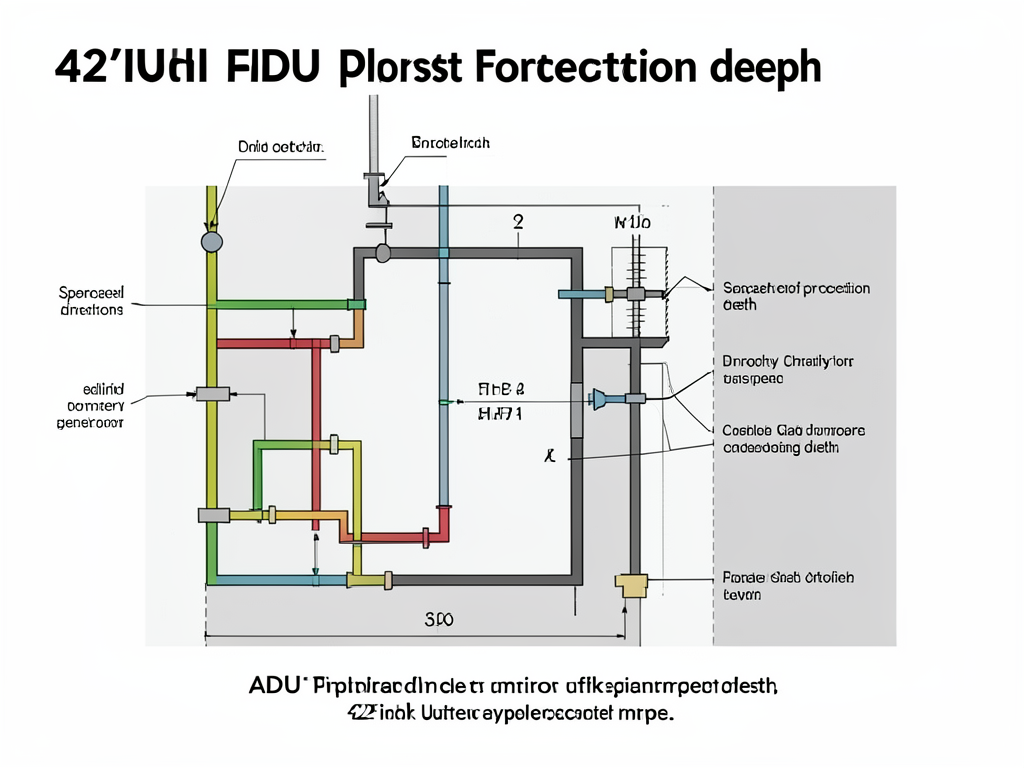
Diagram showing proper ADU plumbing layout with separate utility connections and 42-inch frost protection depth
Connecting to City Services: MSD and GCWW Requirements
Connecting your ADU to Greater Cincinnati Water Works requires either a separate water meter or a sub-metering arrangement. GCWW charges a tap-in fee of approximately $2,500 for residential connections, plus the cost of running new water lines from the street to your structure. The utility requires a minimum 3/4-inch service line for residential ADUs, and all connections must include a testable backflow preventer installed by a licensed plumber. Greater Cincinnati Water Works.
The Metropolitan Sewer District of Greater Cincinnati handles sewer connections differently. MSD requires a separate sewer lateral for any structure with plumbing fixtures, including toilets, sinks, or washing machines. The tap-in fee for a new sewer connection averages $3,800, and the lateral must be properly sized based on the number of fixture units. For a typical pool house with bathroom and kitchenette, this means a 4-inch lateral minimum. MSD also requires an inspection of all sewer connections before backfilling trenches. Metropolitan Sewer District of Greater Cincinnati.
Indian Hill’s clay soil presents unique challenges for trenching. The high clay content causes soil expansion and contraction, which can stress buried pipes over time. Professional plumbers in the area typically use Schedule 40 PVC for sewer laterals and PEX for water supply lines, both of which handle soil movement better than older materials. The trench must be properly bedded with sand and provide at least 12 inches of cover over the pipe to prevent damage from freeze-thaw cycles.. Read more about Keeping Water Away from Your Foundation with Better Grading and Drainage in Newtown.
Technical Plumbing Layouts for Indian Hill Properties
Designing the plumbing layout for your ADU requires understanding both the building’s intended use and Indian Hill’s specific conditions. A pool house with just a half-bath needs minimal plumbing, but an ADU with full kitchen and laundry requires more complex planning. The main considerations include fixture placement, vent routing, and drainage slope.
For structures within 100 feet of the main house, plumbers can often tie into existing water and sewer lines. However, Indian Hill’s large lot sizes mean many ADUs will require new service lines. The key is minimizing the distance between the water meter and fixtures to maintain adequate pressure. A typical ADU with two bathrooms and a kitchen needs a 1-inch water supply line to ensure simultaneous fixture use doesn’t cause pressure drops.
Drainage requires careful calculation of pipe sizing and slope. The Ohio Plumbing Code requires a minimum 1/4-inch per foot slope for drain pipes, but Indian Hill’s hilly terrain may require additional considerations. For properties with significant elevation changes, a sewage ejector pump might be necessary to move waste uphill to the main sewer connection. These pumps cost $1,200 to $2,500 installed and require a dedicated electrical circuit and vent pipe.
Water heater selection impacts both energy efficiency and space planning. Tankless water heaters work well for ADUs since they provide hot water on demand without the space requirements of traditional tanks. A typical pool house needs a 7-10 gallon per minute unit, while a full ADU might require 12-15 GPM to handle simultaneous shower and sink use. The units require proper venting and gas line sizing if using natural gas models.. Read more about Air Admittance Valves vs Traditional Venting for Your Blue Ash Basement Remodel.

Photo of PEX water lines being installed in an ADU with proper insulation and support brackets
Cost Factors for ADU Plumbing in the Cincinnati Market
Plumbing costs for backyard structures in Indian Hill vary significantly based on distance from existing utilities and the complexity of the installation. Basic pool house plumbing with a half-bath typically ranges from $4,500 to $7,500. This includes rough-in plumbing, fixture installation, and connection to existing services. A full ADU with kitchen, laundry, and two bathrooms can cost $12,000 to $18,000 for plumbing alone.. Read more about The Hidden Costs of Moving a Bathroom During a Remodel in Terrace Park.
Material choices significantly impact both cost and longevity. PEX piping costs $0.50 to $0.80 per foot and offers flexibility and freeze resistance, making it ideal for Indian Hill’s climate. Copper piping costs $2.50 to $4.00 per foot but provides superior longevity and is preferred for exposed installations. For sewer lines, Schedule 40 PVC costs $0.75 to $1.25 per foot and handles Indian Hill’s clay soil conditions well.
Labor rates in the Cincinnati area average $85 to $125 per hour for licensed plumbers. A typical ADU installation requires 40 to 60 hours of labor, including permit acquisition, rough-in work, fixture installation, and final inspection. Additional costs include permit fees ($300 to $500), inspection fees ($150 to $250), and potential landscaping restoration after trenching.
Utility connection fees represent a significant portion of the budget. Beyond GCWW and MSD tap-in fees, Duke Energy charges $800 to $1,500 for gas line extensions if your ADU requires natural gas service. Electrical service upgrades may also be necessary, with costs ranging from $1,500 to $4,000 depending on distance and load requirements.
Permitting Process with Hamilton County Building Department
Obtaining permits for your ADU plumbing requires submitting detailed plans to the Hamilton County Building Department. The process typically takes 2-3 weeks for review and approval. Required documents include plumbing plans showing fixture locations, pipe sizing, and venting arrangements, along with site plans indicating utility connections and property lines.
The Hamilton County Plumbing Inspector conducts three main inspections during ADU construction. The first occurs after rough-in plumbing installation but before wall closure, verifying proper pipe sizing, venting, and support. The second inspection happens after fixture installation but before final connections, checking for proper trap seals and backflow prevention. The final inspection occurs when all work is complete, ensuring compliance with all code requirements. What to Expect During a Main Sewer Line Repair in Loveland.
Indian Hill’s building department works closely with Hamilton County on ADU projects. The village requires additional documentation including architectural drawings, energy calculations, and sometimes acoustic separation details between the ADU and main residence. The review process typically adds 1-2 weeks to the permit timeline but ensures your project meets all local requirements.
Common permit issues that delay ADU projects include inadequate venting, improper pipe sizing, and missing backflow preventers. Professional plumbers familiar with Indian Hill’s requirements can often identify and resolve these issues during the design phase, preventing costly rework and inspection failures.
- Initial Planning
Consult with licensed plumber to assess utility availability and design preliminary layout. Determine if separate meters are required and obtain preliminary cost estimates from GCWW and MSD.
- Design Development
Create detailed plumbing plans showing fixture locations, pipe sizing, venting, and utility connections. Include energy calculations and ensure compliance with Ohio Plumbing Code requirements for your specific ADU type.
- Permit Acquisition
Submit plans to Hamilton County Building Department and Indian Hill village for review. Address any comments or required changes before approval. Pay permit fees and schedule initial inspection.
- Installation Phase
Complete rough-in plumbing installation with proper pipe sizing, venting, and support. Schedule rough-in inspection before wall closure. Install fixtures and complete final connections.
- Final Inspection and Connection
Pass final inspection and coordinate with GCWW and MSD for utility connections. Test all systems and address any deficiencies before occupancy.
Winterization and Cold Weather Considerations
Indian Hill’s cold winters require specific plumbing design features to prevent freeze damage. All water supply lines must be installed below the 42-inch frost line, and exterior hose bibs should include frost-free sill cocks that drain when shut off. For pool houses used seasonally, consider installing shut-off valves inside the heated space to allow complete winter draining.. Read more about The Real Benefits of Installing a Rain Barrel System for Your Northside Garden.
Insulation plays a critical role in preventing frozen pipes. Foam pipe insulation should be installed on all exposed supply lines, with particular attention to areas near exterior walls or in unconditioned spaces. Heat tape can provide additional protection for vulnerable pipes, but must be installed according to manufacturer specifications and local electrical codes.
For ADUs intended as year-round rentals, consider installing a whole-house water shut-off valve with remote monitoring capability. This allows you to quickly isolate the water supply if pipes do freeze and burst while tenants are away. Some systems include temperature sensors that can alert you to dangerous drops that might cause freezing. Quick Toilet Repair and Installation Services in Montgomery.
Drainage systems also require winter protection. Floor drains in pool houses should include trap primers to prevent sewer gases from entering when traps dry out. These devices automatically add water to traps periodically, preventing the evaporation that occurs in unused spaces during winter months.
Photo of properly insulated PEX water lines in a crawl space with moisture barrier installation
Maintenance and Long-Term Considerations
Regular maintenance ensures your ADU plumbing system operates efficiently for years. Annual inspections should check for leaks, corrosion, and proper fixture operation. Pay particular attention to shut-off valves, which can become stiff or corroded if not exercised periodically. Replace any valves that don’t operate smoothly to prevent emergencies.. Read more about Why Your Hose Bib Leaks Every Time You Turn on the Sprinkler in Blue Ash.
Water quality in Indian Hill varies by location, with some areas experiencing high mineral content that can cause scale buildup in pipes and fixtures. Installing a whole-house water softener can extend the life of your plumbing system and improve appliance efficiency. The initial cost ranges from $1,200 to $2,500 but can prevent costly repairs down the road. Industrial Pipe Repair.
Sewer line maintenance becomes particularly important in Indian Hill’s clay soil conditions. Schedule professional sewer line cleaning every 2-3 years to prevent root intrusion and buildup that can cause backups. Many homeowners also install cleanout ports at strategic locations to facilitate maintenance and emergency access.
Consider installing leak detection systems that can automatically shut off water supply if they detect unusual flow patterns. These systems range from simple moisture sensors near water heaters to sophisticated whole-house monitors that integrate with smart home systems. The peace of mind they provide often justifies the $300 to $800 investment.
Common ADU Plumbing Mistakes to Avoid
Many homeowners underestimate the complexity of ADU plumbing projects. One common mistake is attempting to save money by using undersized pipes or inadequate venting. This leads to poor water pressure, slow drains, and eventual system failures that cost more to repair than proper initial installation.
Another frequent error involves improper slope calculations for drain lines. Even small deviations from the required 1/4-inch per foot slope can cause drainage problems over time. Professional plumbers use laser levels and precise measurements to ensure proper installation, preventing the gurgling drains and slow flushing that plague DIY installations.
Ignoring local code requirements for backflow prevention and cross-connection control can result in failed inspections and costly rework. Indian Hill and Hamilton County require specific devices based on the type of plumbing installation, and these requirements change periodically as codes are updated.
Finally, many homeowners fail to plan for future expansion when designing ADU plumbing. Installing slightly larger pipes than immediately necessary or adding extra capacity to water heaters can save significant money if you later decide to expand the ADU or change its use.
Frequently Asked Questions
Do I need a separate water meter for my ADU in Indian Hill?
Greater Cincinnati Water Works requires separate meters for structures with independent living spaces. This allows for accurate billing and helps identify leaks or excessive usage. The cost of meter installation and tap-in fees typically ranges from $2,500 to $3,500.
How deep should water lines be buried for an ADU in Indian Hill?
The Ohio Plumbing Code requires water supply lines to be buried at least 42 inches deep to prevent freezing. In areas with significant elevation changes or near structures, lines may need to be deeper. Always check with your plumber about specific site conditions.
Can I tie my ADU plumbing into my main house lines?
While possible for very close structures, most ADUs require separate utility connections. Indian Hill’s large lot sizes often mean new service lines are necessary. Check with both GCWW and MSD about their specific requirements for your property.
What type of pipe is best for Indian Hill’s clay soil?
Schedule 40 PVC works well for sewer lines in clay soil, while PEX is ideal for water supply lines due to its flexibility and freeze resistance. Both materials handle soil movement better than older options like galvanized steel or rigid copper.
How long does the permitting process take for ADU plumbing?
Expect 2-3 weeks for Hamilton County review and approval, plus additional time if Indian Hill’s architectural review board requires changes. Starting the permit process early prevents construction delays.
Ready to Start Your ADU Project?
Planning a backyard ADU or pool house in Indian Hill requires navigating complex local regulations, utility requirements, and technical considerations. The right plumbing design ensures your structure remains functional and code-compliant for years to come. Don’t let plumbing challenges derail your project.
Call (513) 717-2899 today to schedule a consultation with our experienced team. We’ll assess your property, explain your options, and provide detailed estimates for your ADU plumbing needs. Whether you’re planning a simple pool house or a full guest suite, we have the local expertise to make your project successful.
Pick up the phone and call (513) 717-2899 before the next storm hits. Our team is ready to help you navigate the complexities of ADU plumbing in Indian Hill and ensure your project meets all local requirements.
You may also find this helpful. Standard vs Wall-Hung Toilets for Saving Space in Small OTR Bathrooms.
You may also find this helpful. Why Tree Roots in Your College Hill Yard Are the Biggest Threat to Your Sewer Line.
You may also find this helpful. Choosing the Most Reliable Clog-Free Toilets for a Busy Family in Liberty Township.
{
“@context”: “https://schema.org”,
“@type”: “BlogPosting”,
“headline”: “Planning for a Backyard ADU or Pool House Plumbing in Indian Hill”,
“description”: “Planning a backyard ADU or pool house in Indian Hill? Learn about local plumbing codes, MSD tap-in fees, and Cincinnati-specific installation requirements.”,
“wordCount”: 2456,
“datePublished”: “2026-05-22T09:06:00.000Z”,
“dateModified”: “2026-05-22T09:06:00.000Z”,
“inLanguage”: “en-US”,
“mainEntityOfPage”: {
“@type”: “WebPage”,
“@id”: “https://keystoneplumbingcincinnati.com”
},
“publisher”: {
“@type”: “LocalBusiness”,
“name”: “Keystone Plumbing Cincinnati”,
“url”: “https://keystoneplumbingcincinnati.com”
},
“author”: {
“@type”: “Organization”,
“name”: “Keystone Plumbing Cincinnati”,
“url”: “https://keystoneplumbingcincinnati.com”
},
“image”: {
“@type”: “ImageObject”,
“url”: “https://keystoneplumbingcincinnati.com/wp-content/uploads/2026/03/planning-for-a-backyard-adu-or-pool-house-plumbing-1.png”
}
}
{
“@context”: “https://schema.org”,
“@type”: “Plumber”,
“name”: “Keystone Plumbing Cincinnati”,
“url”: “https://keystoneplumbingcincinnati.com”,
“address”: {
“@type”: “PostalAddress”,
“addressLocality”: “Cincinnati”
},
“areaServed”: {
“@type”: “City”,
“name”: “Cincinnati”
}
}
{
“@context”: “https://schema.org”,
“@type”: “FAQPage”,
“mainEntity”: [
{
“@type”: “Question”,
“name”: “Do I need a separate water meter for my ADU in Indian Hill?”,
“acceptedAnswer”: {
“@type”: “Answer”,
“text”: “Greater Cincinnati Water Works requires separate meters for structures with independent living spaces. This allows for accurate billing and helps identify leaks or excessive usage. The cost of meter installation and tap-in fees typically ranges from $2,500 to $3,500.”
}
},
{
“@type”: “Question”,
“name”: “How deep should water lines be buried for an ADU in Indian Hill?”,
“acceptedAnswer”: {
“@type”: “Answer”,
“text”: “The Ohio Plumbing Code requires water supply lines to be buried at least 42 inches deep to prevent freezing. In areas with significant elevation changes or near structures, lines may need to be deeper. Always check with your plumber about specific site conditions.”
}
},
{
“@type”: “Question”,
“name”: “Can I tie my ADU plumbing into my main house lines?”,
“acceptedAnswer”: {
“@type”: “Answer”,
“text”: “While possible for very close structures, most ADUs require separate utility connections. Indian Hill’s large lot sizes often mean new service lines are necessary. Check with both GCWW and MSD about their specific requirements for your property.”
}
},
{
“@type”: “Question”,
“name”: “What type of pipe is best for Indian Hill’s clay soil?”,
“acceptedAnswer”: {
“@type”: “Answer”,
“text”: “Schedule 40 PVC works well for sewer lines in clay soil, while PEX is ideal for water supply lines due to its flexibility and freeze resistance. Both materials handle soil movement better than older options like galvanized steel or rigid copper.”
}
},
{
“@type”: “Question”,
“name”: “How long does the permitting process take for ADU plumbing?”,
“acceptedAnswer”: {
“@type”: “Answer”,
“text”: “Expect 2-3 weeks for Hamilton County review and approval, plus additional time if Indian Hill’s architectural review board requires changes. Starting the permit process early prevents construction delays.”
}
},
{
“@type”: “Question”,
“name”: “Ready to Start Your ADU Project?”,
“acceptedAnswer”: {
“@type”: “Answer”,
“text”: “Planning a backyard ADU or pool house in Indian Hill requires navigating complex local regulations, utility requirements, and technical considerations. The right plumbing design ensures your structure remains functional and code-compliant for years to come. Don’t let plumbing challenges derail your project.”
}
}
]
}
{
“@context”: “https://schema.org”,
“@type”: “HowTo”,
“name”: “Steps to ADU Plumbing Success”,
“step”: [
{
“@type”: “HowToStep”,
“position”: 1,
“name”: “Initial Planning”,
“text”: “Consult with licensed plumber to assess utility availability and design preliminary layout. Determine if separate meters are required and obtain preliminary cost estimates from GCWW and MSD.”
},
{
“@type”: “HowToStep”,
“position”: 2,
“name”: “Design Development”,
“text”: “Create detailed plumbing plans showing fixture locations, pipe sizing, venting, and utility connections. Include energy calculations and ensure compliance with Ohio Plumbing Code requirements for your specific ADU type.”
},
{
“@type”: “HowToStep”,
“position”: 3,
“name”: “Permit Acquisition”,
“text”: “Submit plans to Hamilton County Building Department and Indian Hill village for review. Address any comments or required changes before approval. Pay permit fees and schedule initial inspection.”
},
{
“@type”: “HowToStep”,
“position”: 4,
“name”: “Installation Phase”,
“text”: “Complete rough-in plumbing installation with proper pipe sizing, venting, and support. Schedule rough-in inspection before wall closure. Install fixtures and complete final connections.”
},
{
“@type”: “HowToStep”,
“position”: 5,
“name”: “Final Inspection and Connection”,
“text”: “Pass final inspection and coordinate with GCWW and MSD for utility connections. Test all systems and address any deficiencies before occupancy.”
}
],
“image”: “https://keystoneplumbingcincinnati.com/wp-content/uploads/2026/03/planning-for-a-backyard-adu-or-pool-house-plumbing-1.png”
}
{
“@context”: “https://schema.org”,
“@type”: “BreadcrumbList”,
“itemListElement”: [
{
“@type”: “ListItem”,
“position”: 1,
“name”: “Home”,
“item”: “https://keystoneplumbingcincinnati.com”
},
{
“@type”: “ListItem”,
“position”: 2,
“name”: “Blog”,
“item”: “https://keystoneplumbingcincinnati.com/blog”
},
{
“@type”: “ListItem”,
“position”: 3,
“name”: “Planning for a Backyard ADU or Pool House Plumbing in Indian Hill”
}
]
}
{
“@context”: “https://schema.org”,
“@type”: “Service”,
“serviceType”: “Plumbing”,
“provider”: {
“@type”: “LocalBusiness”,
“name”: “Keystone Plumbing Cincinnati”,
“url”: “https://keystoneplumbingcincinnati.com”
},
“areaServed”: {
“@type”: “City”,
“name”: “Cincinnati”
},
“description”: “Planning a backyard ADU or pool house in Indian Hill? Learn about local plumbing codes, MSD tap-in fees, and Cincinnati-specific installation requirements.”
}