
Why Your Cincinnati Water Bill is Suddenly Sky High (And Where to Look for the Culprit)
Seeing a sudden spike in your Cincinnati water bill can feel like a gut punch. One month you’re on budget and the next you’re staring at a number that makes your eyes water. Before you panic or call the city to dispute the charge, there’s a good chance something on your property is using more water than it should. This guide walks you through the most common culprits in Cincinnati homes, how to check for them yourself, and when it’s time to bring in a local pro. Finding the Best Water Heater Replacement for Your West Chester House.
Understanding Your Greater Cincinnati Water Works (GCWW) Bill
Your GCWW bill shows water usage in CCF (hundred cubic feet). One CCF equals 748 gallons. If your bill suddenly jumps from 10 CCF to 25 CCF, that’s an extra 11,220 gallons of water somewhere. The first thing to check is whether the meter reading is an actual reading or an estimate. Estimated readings happen when the meter reader can’t access your meter due to snow, locked gates, or dogs. If the estimate is off, your next bill may correct itself when they get an actual reading. But if the spike is real, you need to find the source fast. No Hot Water Diagnosis.
Common Culprits for Spikes in Local Water Bills
Most high water bills in Cincinnati come from hidden leaks. The biggest offender is the silent toilet leak. A worn flapper or faulty fill valve can waste 200 gallons a day without you hearing a thing. Cincinnati’s older homes in neighborhoods like Hyde Park and Oakley often have original toilets with outdated parts. A single running toilet can add $50 to $100 to your monthly bill. Quick Toilet Repair and Installation Services in Montgomery.
Faucet drips are another common cause. One drip per second wastes over 3,000 gallons per year. In a home with multiple bathrooms, those drips add up fast. Cincinnati’s hard water can wear out washers and seals quicker than in other areas, leading to more frequent drips. Affordable Faucet and Sink Repairs for Families in Blue Ash.
Underground leaks are trickier. Cincinnati’s clay soil shifts with freeze-thaw cycles. This movement can crack pipes or break fittings. A leak in your main water line between the meter and your home might not show as a wet spot if the soil absorbs the water. But your meter will keep spinning.. Read more about Do You Know Exactly Where the Main Water Shut-Off Valve is in Your Silverton Home?.
Seasonal outdoor use also spikes bills. Filling a pool, watering a new lawn, or running a sprinkler system can use thousands of gallons in a few days. Cincinnati summers are hot and dry, and many homeowners underestimate how much water their yards need.
The DIY 15-Minute Leak Test
Before you call a plumber, do a quick leak test. Find your water meter. In Cincinnati, it’s usually in the basement near the front wall or in a meter pit outside. Make sure no water is running anywhere in the house. Check the meter’s leak indicator (usually a small triangle or wheel). If it’s moving, water is flowing somewhere.
Now go room by room. Check toilets by adding a few drops of food coloring to the tank. Wait 15 minutes without flushing. If color appears in the bowl, you have a leak. Check under sinks for drips. Look at your water heater for pooling. Outside, check hose bibs and irrigation system valves.
If the meter stops moving when you shut off the main water valve, the leak is inside. If it keeps moving, the leak is between the meter and your home or in the irrigation system.
Seasonal Factors: Cincinnati Summer vs. Winter
Cincinnati’s climate creates unique plumbing challenges. In summer, outdoor watering can double your usage. A ½-acre lawn needs about 13,000 gallons a month to stay green. Add a pool refill and you’re looking at a huge jump. Many Cincinnati homes in West Chester and Mason have irrigation systems that run automatically. A broken sprinkler head or a stuck zone valve can waste water for weeks before you notice. Who to Call for an Emergency Plumbing Crisis in Downtown Cincinnati.
Winter brings different risks. Freezing temperatures can split pipes. When they thaw, the leak starts. Cincinnati’s freeze-thaw cycles are brutal on plumbing. A pipe that survives the first cold snap might fail in the next warm spell when expanding ice cracks the fitting.. Read more about How Corroding Galvanized Pipes in Camp Washington Are Ruining Your Water Quality.
Professional Leak Detection Services in Cincinnati
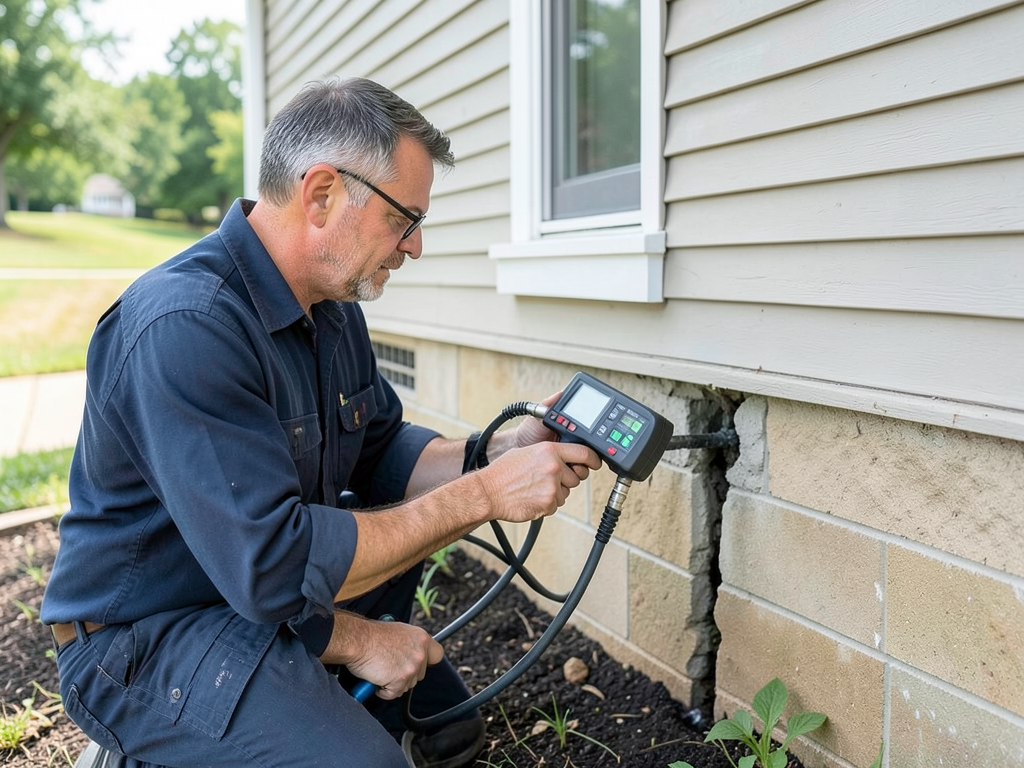
If your DIY test shows a leak but you can’t find it, it’s time for professional help. Modern leak detection uses acoustic sensors that listen for the sound of water escaping under concrete or soil. Thermal imaging cameras can spot temperature differences caused by cold water leaking into warm spaces. These tools can find leaks behind walls or under slabs without tearing up your home.
In Cincinnati, many homes have copper pipes in concrete slabs. A small leak under a slab can waste thousands of gallons before you see any damage. The water evaporates into the air or drains away through the foundation. You might notice warm spots on the floor, hear running water when everything is off, or see your water bill climb.
GCWW Leak Adjustment Policy
If you do find a leak and repair it, you can request a leak adjustment from GCWW. They offer a one-time adjustment for unexplained high usage caused by a repaired leak. You’ll need to submit a repair receipt and the old and new meter readings. This can save you hundreds of dollars if the leak ran for weeks before you found it. EPA WaterSense program.
When to Call a Cincinnati Plumber
Call a plumber if your meter shows a leak and you can’t find the source. Call if you hear water running when everything is off. Call if you see water pooling in your yard but no one has been watering. Call if your water pressure drops suddenly. These are signs of a serious leak that needs immediate attention.
Preventing Future Spikes
Install low-flow fixtures. Replace old toilets with WaterSense models. Check your irrigation system each spring for broken heads or leaks. Insulate exposed pipes in winter. Know where your main water shut-off valve is located. A small investment in prevention can save you from a big bill later.
Local Help When You Need It
Cincinnati homes have unique plumbing challenges. Our clay soil, freeze-thaw cycles, and mix of old and new construction create leak risks you won’t find in other cities. If your water bill is suddenly high and you’ve checked the obvious causes, you need someone who understands these local factors.
Call (513) 717-2899 today to schedule your inspection. We’ll find the leak fast and get your water bill back under control.
Frequently Asked Questions
How much water does a running toilet waste?
A running toilet can waste 200 gallons per day or more. That’s over 6,000 gallons a month, which can add $50 to $100 to your water bill.
Can I get my money back if I have a leak?
Yes. Greater Cincinnati Water Works offers a one-time leak adjustment if you repair the leak and submit the required documentation. You need a repair receipt and meter readings before and after the repair. Greater Cincinnati Water Works.
How do I know if my leak is inside or outside?
Check your water meter. If it keeps moving when you shut off the main water valve, the leak is between the meter and your home or in your irrigation system. If it stops, the leak is inside your house.
What’s the average Cincinnati water bill?
The average Cincinnati household uses about 7,500 gallons per month. At current GCWW rates, that’s around $40 to $50 per month for water, plus sewer charges from MSD.
{
“@context”: “https://schema.org”,
“@type”: “BlogPosting”,
“headline”: “Why Your Cincinnati Water Bill is Suddenly Sky High (And Where to Look for the Culprit)”,
“description”: “If your Cincinnati water bill spiked this month, find out why. Learn common leak causes, DIY tests, and when to call a local plumber for fast leak detection.”,
“wordCount”: 1303,
“datePublished”: “2026-03-26T10:19:00.000Z”,
“dateModified”: “2026-03-26T10:19:00.000Z”,
“inLanguage”: “en-US”,
“mainEntityOfPage”: {
“@type”: “WebPage”,
“@id”: “https://keystoneplumbingcincinnati.com”
},
“publisher”: {
“@type”: “LocalBusiness”,
“name”: “Keystone Plumbing Cincinnati”,
“url”: “https://keystoneplumbingcincinnati.com”
},
“author”: {
“@type”: “Organization”,
“name”: “Keystone Plumbing Cincinnati”,
“url”: “https://keystoneplumbingcincinnati.com”
},
“image”: {
“@type”: “ImageObject”,
“url”: “https://keystoneplumbingcincinnati.com/wp-content/uploads/2026/03/why-your-cincinnati-water-bill-is-suddenly-sky-hig-1.png”
}
}
{
“@context”: “https://schema.org”,
“@type”: “Plumber”,
“name”: “Keystone Plumbing Cincinnati”,
“url”: “https://keystoneplumbingcincinnati.com”,
“address”: {
“@type”: “PostalAddress”,
“addressLocality”: “Cincinnati”
},
“areaServed”: {
“@type”: “City”,
“name”: “Cincinnati”
}
}
{
“@context”: “https://schema.org”,
“@type”: “FAQPage”,
“mainEntity”: [
{
“@type”: “Question”,
“name”: “How much water does a running toilet waste?”,
“acceptedAnswer”: {
“@type”: “Answer”,
“text”: “A running toilet can waste 200 gallons per day or more. That’s over 6,000 gallons a month, which can add $50 to $100 to your water bill.”
}
},
{
“@type”: “Question”,
“name”: “Can I get my money back if I have a leak?”,
“acceptedAnswer”: {
“@type”: “Answer”,
“text”: “Yes. Greater Cincinnati Water Works offers a one-time leak adjustment if you repair the leak and submit the required documentation. You need a repair receipt and meter readings before and after the repair. Greater Cincinnati Water Works.”
}
},
{
“@type”: “Question”,
“name”: “How do I know if my leak is inside or outside?”,
“acceptedAnswer”: {
“@type”: “Answer”,
“text”: “Check your water meter. If it keeps moving when you shut off the main water valve, the leak is between the meter and your home or in your irrigation system. If it stops, the leak is inside your house.”
}
},
{
“@type”: “Question”,
“name”: “What’s the average Cincinnati water bill?”,
“acceptedAnswer”: {
“@type”: “Answer”,
“text”: “The average Cincinnati household uses about 7,500 gallons per month. At current GCWW rates, that’s around $40 to $50 per month for water, plus sewer charges from MSD.”
}
}
]
}
{
“@context”: “https://schema.org”,
“@type”: “BreadcrumbList”,
“itemListElement”: [
{
“@type”: “ListItem”,
“position”: 1,
“name”: “Home”,
“item”: “https://keystoneplumbingcincinnati.com”
},
{
“@type”: “ListItem”,
“position”: 2,
“name”: “Blog”,
“item”: “https://keystoneplumbingcincinnati.com/blog”
},
{
“@type”: “ListItem”,
“position”: 3,
“name”: “Why Your Cincinnati Water Bill is Suddenly Sky High (And Where to Look for the Culprit)”
}
]
}
{
“@context”: “https://schema.org”,
“@type”: “Service”,
“serviceType”: “Plumbing”,
“provider”: {
“@type”: “LocalBusiness”,
“name”: “Keystone Plumbing Cincinnati”,
“url”: “https://keystoneplumbingcincinnati.com”
},
“areaServed”: {
“@type”: “City”,
“name”: “Cincinnati”
},
“description”: “If your Cincinnati water bill spiked this month, find out why. Learn common leak causes, DIY tests, and when to call a local plumber for fast leak detection.”
}