
Your Westwood toilet keeps running because of worn components or mineral buildup common in Cincinnati’s hard water. The constant trickle wastes gallons daily and drives up your Greater Cincinnati Water Works bill. This guide walks you through diagnosing and fixing the three most common causes: a failing flapper valve, an improperly adjusted fill valve, or hard water mineral deposits. You’ll learn what tools you need, how to identify the exact problem by sound and sight, and when it’s time to call a professional plumber before water damage starts. Greater Cincinnati Water Works.
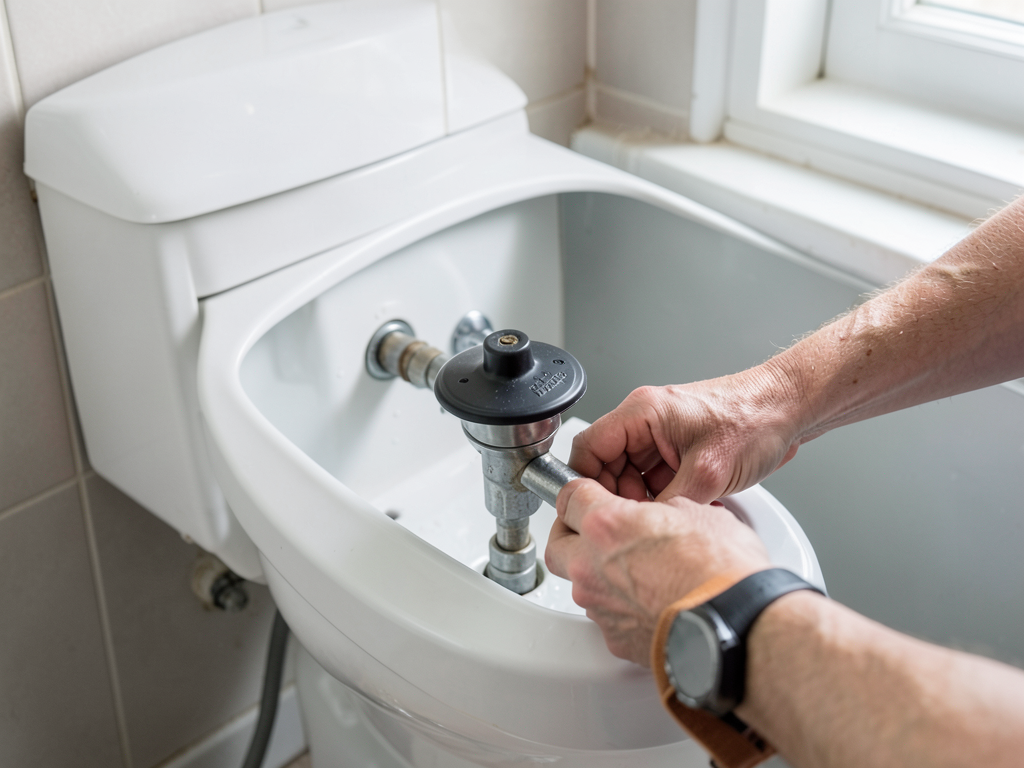
Common Causes of a Running Toilet in Westwood Homes
Understanding why your toilet runs continuously helps you fix it faster. The sound tells you a lot. A hissing noise means water flows into the overflow tube. A trickling sound means water leaks from the tank into the bowl. Both waste water but need different fixes. Finding the Best Water Heater Replacement for Your West Chester House.
Faulty Flapper Valve
The flapper is the rubber seal that lifts when you flush. Over time, Cincinnati’s hard water causes mineral deposits to build up on the flapper surface. This prevents it from sealing properly against the flush valve seat. The result is a slow leak from tank to bowl that keeps the fill valve running.. Read more about Why High Water Pressure is Actually Damaging the Pipes in Your Mount Adams Home.
Misadjusted Fill Valve or Float
The fill valve controls water level in the tank. If the float is set too high, water spills into the overflow tube before the valve shuts off. You hear constant running as the valve tries to keep up. This often happens when homeowners adjust the float without knowing the correct water level mark inside the tank.
Mineral Buildup from Cincinnati Water
Greater Cincinnati Water Works supplies water with moderate hardness levels. Over months and years, calcium and magnesium deposits accumulate on valve components. These deposits create rough surfaces that prevent proper sealing. The buildup is worse in older Westwood homes with original plumbing fixtures. Who to Call for an Emergency Plumbing Crisis in Downtown Cincinnati.
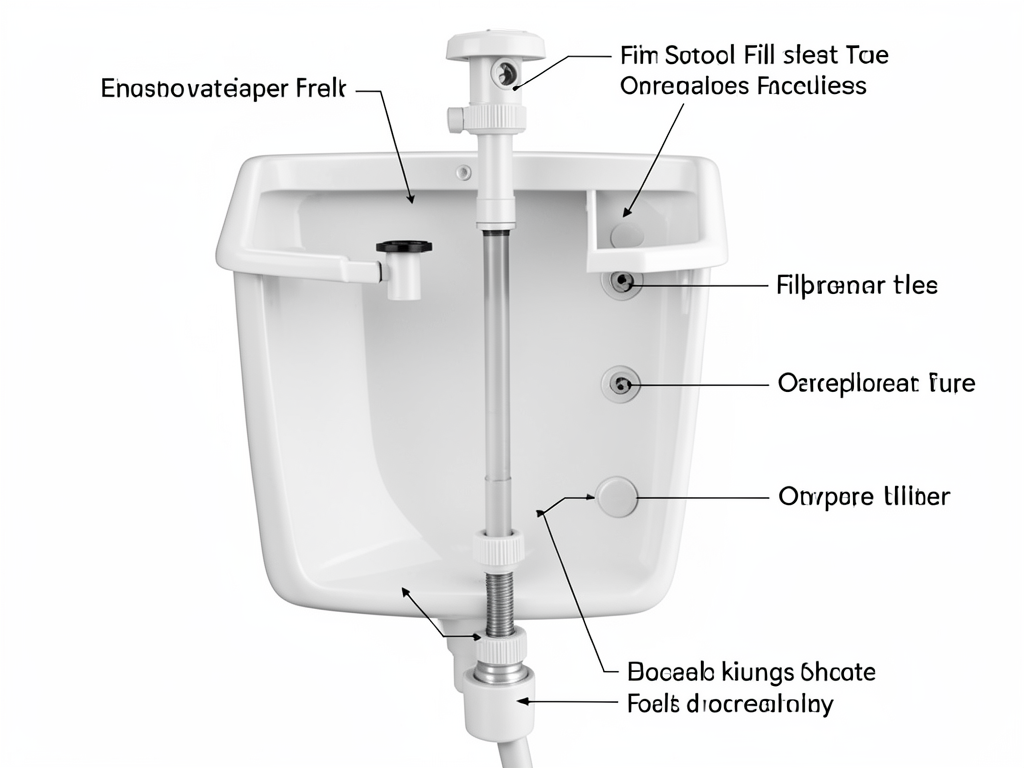
Tools and Supplies You’ll Need
Fixing a running toilet requires basic tools most homeowners already own. Having everything ready before you start makes the job faster and prevents multiple trips to the hardware store. Quick Toilet Repair and Installation Services in Montgomery.
- Adjustable wrench or channel-lock pliers
- Flathead and Phillips screwdrivers
- Replacement flapper valve (rubber or silicone)
- Fill valve adjustment clip or replacement fill valve
- Clean cloth or sponge
- Small container for water collection
- Flashlight for inspecting tank components
Local hardware stores in Westwood and nearby areas carry universal toilet repair kits. These include flappers, fill valves, and float assemblies that fit most standard toilets. For older or specialty models, you may need specific parts from manufacturers like Kohler or American Standard. EPA WaterSense Fix a Leak Week.
Step-by-Step Repair Process
- Turn Off Water Supply
Locate the shut-off valve behind the toilet near the floor. Turn it clockwise until it stops. Flush the toilet to empty the tank completely. Use a sponge to remove remaining water from the tank bottom.
- Inspect and Replace the Flapper
Remove the tank lid and examine the flapper. Look for warping, discoloration, or mineral deposits. Disconnect the chain from the flush lever. Unhook the flapper from its mounting ears. Install the new flapper by reversing these steps. Ensure the chain has about half an inch of slack when the flapper is closed.
- Adjust or Replace the Fill Valve
If water level is too high, adjust the float. For ball-type floats, bend the arm downward slightly. For cup-type floats, squeeze the adjustment clip and slide it down. If adjustment doesn’t work, replace the entire fill valve assembly. This requires disconnecting the water supply line and mounting nut.
- Check for Leaks
Turn the water back on slowly. Let the tank fill completely. Add a few drops of food coloring to the tank water. Wait 15 minutes without flushing. If color appears in the bowl, the flapper isn’t sealing properly or there’s a crack in the overflow tube.
Dealing with Hard Water Buildup in Cincinnati
Cincinnati’s water contains calcium carbonate and magnesium that form scale on plumbing fixtures. This mineral buildup accelerates wear on toilet components. The scale creates microscopic channels that water can seep through, even when valves appear closed.
Hard water affects Westwood homes differently based on age. Homes built before 1980 often have original fixtures with decades of mineral accumulation. Newer homes may still experience problems within five years of installation. The severity depends on your specific water source within the Greater Cincinnati Water Works system.
Cleaning mineral deposits requires white vinegar or commercial descaling solutions. Remove affected parts and soak them for several hours. For severe buildup, replacement is more cost-effective than cleaning. Installing a water softener system prevents future mineral accumulation throughout your home’s plumbing.. Read more about Installing a Pressure Reducing Valve to Protect Your Fairmount Plumbing.
When to Call a Professional Cincinnati Plumber
Some toilet problems require professional diagnosis and repair. Call a licensed plumber if you notice these warning signs after attempting basic fixes. Industrial Pipe Repair.
Water continues running after replacing the flapper and adjusting the fill valve. This indicates problems with the flush valve seat or overflow tube that require specialized tools to repair. Cracks in porcelain components also need professional attention.
You hear gurgling sounds from other drains when the toilet runs. This suggests a main sewer line issue affecting multiple fixtures. Tree roots, collapsed pipes, or main line blockages create pressure changes that affect toilet operation.
Your water bill increases unexpectedly without visible leaks. Hidden leaks in walls or under floors waste water continuously. Professional leak detection equipment finds these problems before they cause structural damage to your Westwood home. What to Expect During a Main Sewer Line Repair in Loveland.
Preventing Future Toilet Problems
Regular maintenance prevents most toilet running issues. Clean the tank interior every six months to remove sediment and mineral deposits. Check the flapper seal annually for signs of wear or buildup. Replace flappers every two to three years as preventive maintenance.
Monitor your water bill for unexplained increases. A sudden spike often indicates a running toilet or hidden leak. The Greater Cincinnati Water Works website provides tools to track your water usage patterns and identify potential problems early.
Consider upgrading to high-efficiency toilets that use 1.28 gallons per flush or less. These models have improved valve designs that resist mineral buildup and seal more effectively. The water savings often offset the replacement cost within a few years.
Local Resources for Westwood Homeowners
Westwood residents have several local options for toilet repair parts and professional help. Home Depot on Glenway Avenue stocks universal repair kits and individual components. Ferguson Enterprises on Harrison Avenue supplies commercial-grade parts for specialty fixtures.
For professional service, licensed plumbers in the 45205 zip code area understand local water conditions and building codes. They carry proper insurance and can provide warranties on their work. Many offer same-day service for running toilet emergencies.
The Hamilton County Public Health Department regulates plumbing installations and repairs. All work must comply with local codes to prevent cross-contamination and ensure proper drainage. Professional plumbers stay current on these requirements.
Cost Considerations for Westwood Residents
DIY toilet repairs typically cost $20 to $50 for parts. Professional repairs range from $150 to $300 depending on the problem complexity. Emergency service calls during nights or weekends may cost more.
A continuously running toilet wastes 30 to 200 gallons daily. At Cincinnati’s current water rates, this costs $1 to $6 per day. The wasted water adds up quickly, making prompt repairs financially smart. Many homeowners find that professional repair pays for itself within a month through water savings.
High-efficiency toilet replacements cost $300 to $800 installed. While more expensive upfront, they reduce water consumption by 20% or more. The Metropolitan Sewer District of Greater Cincinnati sometimes offers rebates for water-saving fixture installations.
Environmental Impact of Running Toilets
A single running toilet wastes enough water annually to fill an average swimming pool. This water must be treated at sewage plants, consuming energy and chemicals. The Metropolitan Sewer District of Greater Cincinnati processes millions of gallons daily, and household leaks increase this burden.
Fixing leaks helps protect local waterways. Cincinnati’s combined sewer system can overflow during heavy rains, discharging untreated wastewater into rivers. Reducing household water waste decreases the likelihood of these overflows and protects the Ohio River ecosystem.
Water conservation also reduces your carbon footprint. Pumping, treating, and heating water requires significant energy. Every gallon saved through leak repair reduces the energy needed for water infrastructure operations.
Frequently Asked Questions
Why does my toilet run intermittently rather than continuously?
Intermittent running often indicates a slow leak through the flapper. The tank drains gradually, triggering the fill valve to run briefly. This cycle repeats every few minutes. Check the flapper seal and flush valve seat for debris or mineral deposits.
Can I use food coloring to test for leaks?
Yes, food coloring is an effective leak detection method. Add 10-15 drops to the tank water, wait 15-30 minutes without flushing, then check if color appears in the bowl. This simple test identifies flapper leaks without special equipment.
How long should toilet repairs take?
Basic repairs like flapper replacement take 30-60 minutes. More complex repairs involving fill valve replacement may require 1-2 hours. Professional plumbers can often complete most repairs in under an hour.
Will a running toilet affect my water pressure?
A running toilet doesn’t typically affect overall home water pressure. However, it indicates a problem with the toilet’s internal components that needs attention. The continuous water flow may cause slight pressure drops in the toilet supply line only.
Should I turn off the water when I’m away?
Turning off the toilet supply valve when away for extended periods prevents water damage if a component fails. This is especially wise for older toilets or homes with hard water issues that accelerate component wear.
Conclusion
A running toilet wastes water, increases utility bills, and indicates component wear that will worsen over time. Most problems stem from flapper failure, misadjusted fill valves, or mineral buildup common in Cincinnati’s water supply. Simple DIY repairs fix most issues, but professional help ensures proper diagnosis and prevents water damage.
Don’t ignore that constant trickle. The water waste adds up quickly, and small problems become expensive repairs if left unaddressed. Westwood homeowners can handle basic repairs with the right tools and knowledge, but complex issues need licensed plumber expertise.
Call (513) 717-2899 today to schedule your inspection. Our Cincinnati plumbers carry common parts and can often fix running toilets the same day. Don’t let another night of wasted water drive up your utility bill. Pick up the phone and call (513) 717-2899 before the next storm hits and you need your toilet working properly.
You may also find this helpful. How to Get Rid of Stubborn Orange Iron Stains in Your Milford Bathroom.
{
“@context”: “https://schema.org”,
“@type”: “BlogPosting”,
“headline”: “Why Your Westwood Toilet Keeps Running Even After You Jiggle the Handle”,
“description”: “Fix your running Westwood toilet with expert tips from Cincinnati plumbers. Learn about flapper valves, fill valves, and hard water issues affecting local homes.”,
“wordCount”: 1787,
“datePublished”: “2026-05-08T11:05:00.000Z”,
“dateModified”: “2026-05-08T11:05:00.000Z”,
“inLanguage”: “en-US”,
“mainEntityOfPage”: {
“@type”: “WebPage”,
“@id”: “https://keystoneplumbingcincinnati.com”
},
“publisher”: {
“@type”: “LocalBusiness”,
“name”: “Keystone Plumbing Cincinnati”,
“url”: “https://keystoneplumbingcincinnati.com”
},
“author”: {
“@type”: “Organization”,
“name”: “Keystone Plumbing Cincinnati”,
“url”: “https://keystoneplumbingcincinnati.com”
},
“image”: {
“@type”: “ImageObject”,
“url”: “https://keystoneplumbingcincinnati.com/wp-content/uploads/2026/03/why-your-westwood-toilet-keeps-running-even-after-1.png”
}
}
{
“@context”: “https://schema.org”,
“@type”: “Plumber”,
“name”: “Keystone Plumbing Cincinnati”,
“url”: “https://keystoneplumbingcincinnati.com”,
“address”: {
“@type”: “PostalAddress”,
“addressLocality”: “Cincinnati”
},
“areaServed”: {
“@type”: “City”,
“name”: “Cincinnati”
}
}
{
“@context”: “https://schema.org”,
“@type”: “FAQPage”,
“mainEntity”: [
{
“@type”: “Question”,
“name”: “Why does my toilet run intermittently rather than continuously?”,
“acceptedAnswer”: {
“@type”: “Answer”,
“text”: “Intermittent running often indicates a slow leak through the flapper. The tank drains gradually, triggering the fill valve to run briefly. This cycle repeats every few minutes. Check the flapper seal and flush valve seat for debris or mineral deposits.”
}
},
{
“@type”: “Question”,
“name”: “Can I use food coloring to test for leaks?”,
“acceptedAnswer”: {
“@type”: “Answer”,
“text”: “Yes, food coloring is an effective leak detection method. Add 10-15 drops to the tank water, wait 15-30 minutes without flushing, then check if color appears in the bowl. This simple test identifies flapper leaks without special equipment.”
}
},
{
“@type”: “Question”,
“name”: “How long should toilet repairs take?”,
“acceptedAnswer”: {
“@type”: “Answer”,
“text”: “Basic repairs like flapper replacement take 30-60 minutes. More complex repairs involving fill valve replacement may require 1-2 hours. Professional plumbers can often complete most repairs in under an hour.”
}
},
{
“@type”: “Question”,
“name”: “Will a running toilet affect my water pressure?”,
“acceptedAnswer”: {
“@type”: “Answer”,
“text”: “A running toilet doesn’t typically affect overall home water pressure. However, it indicates a problem with the toilet’s internal components that needs attention. The continuous water flow may cause slight pressure drops in the toilet supply line only.”
}
},
{
“@type”: “Question”,
“name”: “Should I turn off the water when I’m away?”,
“acceptedAnswer”: {
“@type”: “Answer”,
“text”: “Turning off the toilet supply valve when away for extended periods prevents water damage if a component fails. This is especially wise for older toilets or homes with hard water issues that accelerate component wear.”
}
}
]
}
{
“@context”: “https://schema.org”,
“@type”: “HowTo”,
“name”: “How to Fix a Running Toilet”,
“step”: [
{
“@type”: “HowToStep”,
“position”: 1,
“name”: “Turn Off Water Supply”,
“text”: “Locate the shut-off valve behind the toilet near the floor. Turn it clockwise until it stops. Flush the toilet to empty the tank completely. Use a sponge to remove remaining water from the tank bottom.”
},
{
“@type”: “HowToStep”,
“position”: 2,
“name”: “Inspect and Replace the Flapper”,
“text”: “Remove the tank lid and examine the flapper. Look for warping, discoloration, or mineral deposits. Disconnect the chain from the flush lever. Unhook the flapper from its mounting ears. Install the new flapper by reversing these steps. Ensure the chain has about half an inch of slack when the flapper is closed.”
},
{
“@type”: “HowToStep”,
“position”: 3,
“name”: “Adjust or Replace the Fill Valve”,
“text”: “If water level is too high, adjust the float. For ball-type floats, bend the arm downward slightly. For cup-type floats, squeeze the adjustment clip and slide it down. If adjustment doesn’t work, replace the entire fill valve assembly. This requires disconnecting the water supply line and mounting nut.”
},
{
“@type”: “HowToStep”,
“position”: 4,
“name”: “Check for Leaks”,
“text”: “Turn the water back on slowly. Let the tank fill completely. Add a few drops of food coloring to the tank water. Wait 15 minutes without flushing. If color appears in the bowl, the flapper isn’t sealing properly or there’s a crack in the overflow tube.”
}
],
“image”: “https://keystoneplumbingcincinnati.com/wp-content/uploads/2026/03/why-your-westwood-toilet-keeps-running-even-after-1.png”
}
{
“@context”: “https://schema.org”,
“@type”: “BreadcrumbList”,
“itemListElement”: [
{
“@type”: “ListItem”,
“position”: 1,
“name”: “Home”,
“item”: “https://keystoneplumbingcincinnati.com”
},
{
“@type”: “ListItem”,
“position”: 2,
“name”: “Blog”,
“item”: “https://keystoneplumbingcincinnati.com/blog”
},
{
“@type”: “ListItem”,
“position”: 3,
“name”: “Why Your Westwood Toilet Keeps Running Even After You Jiggle the Handle”
}
]
}
{
“@context”: “https://schema.org”,
“@type”: “Service”,
“serviceType”: “Plumbing”,
“provider”: {
“@type”: “LocalBusiness”,
“name”: “Keystone Plumbing Cincinnati”,
“url”: “https://keystoneplumbingcincinnati.com”
},
“areaServed”: {
“@type”: “City”,
“name”: “Cincinnati”
},
“description”: “Fix your running Westwood toilet with expert tips from Cincinnati plumbers. Learn about flapper valves, fill valves, and hard water issues affecting local homes.”
}