
Everything You Need to Know About Basement Plumbing Before You Finish Your Mason Build
Planning a basement finish in Mason requires understanding the hidden plumbing infrastructure beneath your concrete slab. The basement plumbing rough-in determines whether your future bathroom, wet bar, or laundry room will function properly for decades. Many Mason homeowners discover too late that their basement plumbing was never properly designed for below-grade fixtures, leading to costly retrofits and potential code violations. Who to Call for an Emergency Plumbing Crisis in Downtown Cincinnati.
Before you frame a single wall or install drywall, you need to understand how basement plumbing differs from above-grade systems, what local Hamilton County codes require, and why cutting corners now creates expensive problems later. This guide walks you through the essential basement plumbing knowledge every Mason homeowner needs.. Read more about How to Plan Your Kitchen Plumbing Layout Before the Remodel Starts in Indian Hill.
Understanding Basement Plumbing Systems
Basement plumbing faces unique challenges that above-grade plumbing never encounters. When fixtures sit below the main sewer line, gravity cannot move wastewater away from your home. This fundamental physics problem requires specific solutions that most homeowners never consider until problems arise. Finding the Best Water Heater Replacement for Your West Chester House.
The core challenge involves creating artificial gravity through mechanical means. Every basement bathroom, wet bar, or laundry room below the main sewer line requires either a sewage ejector pump or a macerating system to move waste upward to where gravity can take over.. Read more about What Does a Trenchless Sewer Repair Actually Cost in Wyoming?.
Beyond the mechanical challenges, basement plumbing must contend with concrete slabs that cannot be easily modified, limited access to existing drain lines, and the need to protect finished spaces from potential water damage. These factors make basement rough-ins significantly more complex than first-floor bathroom additions.. Read more about Battery Backup vs. Water Powered Sump Pumps for Flooded Terrace Park Basements.
Understanding these fundamental differences helps explain why basement plumbing costs more per fixture than above-grade installations and why professional expertise becomes critical for proper system design.
Essential Components of Basement Plumbing
Basement plumbing systems require several specialized components that above-grade systems never need. Each component serves a specific purpose in overcoming the challenges of below-grade waste removal.
The sewage ejector pump represents the heart of most basement plumbing systems. This submersible pump sits inside a sealed basin and activates when wastewater reaches a specific level. The pump then forces waste through a discharge pipe up to the main sewer line where gravity takes over.. Read more about Gas vs. Electric Water Heaters—Which Makes the Most Sense for Your Harrison Home?.
Macerating toilets provide an alternative for smaller installations. These units grind waste into a slurry before pumping it through small-diameter pipes. While less expensive than full sewage ejector systems, macerating units work best for single fixtures rather than entire bathrooms. Quick Toilet Repair and Installation Services in Montgomery.
Backwater valves protect your basement from sewage backup during heavy rainfall or municipal sewer overflows. These one-way valves prevent contaminated water from flowing back into your home through floor drains or lower-level fixtures. What to Expect During a Main Sewer Line Repair in Loveland.
Proper venting becomes even more critical in basement installations. Without adequate venting, traps can siphon dry, allowing sewer gases to enter living spaces. Basement vents often require creative routing through walls and up to roof penetrations.
Each component must work together seamlessly, which is why professional design becomes essential rather than optional for basement plumbing projects.
Hamilton County Plumbing Code Requirements
Hamilton County enforces specific plumbing codes that directly impact basement installations. Understanding these requirements before starting your project prevents costly rework and ensures your finished basement passes inspection.
The Ohio Plumbing Code, adopted by Hamilton County, requires all basement fixtures below the main sewer line to have approved backflow prevention. This typically means installing backwater valves on all floor drains and ensuring proper separation between clean water and waste systems. EPA Plumbing Systems Guidelines.
Discharge pipes from sewage ejector pumps must be a minimum of two inches in diameter and include both a check valve and a union for maintenance access. The discharge line requires an air gap before connecting to the main sewer to prevent cross-contamination.
Vent pipes for basement fixtures must maintain proper slope and cannot be reduced in diameter. Most basement installations require 1.5-inch vents, though some fixtures may need 2-inch vents depending on fixture unit calculations.
Hamilton County also requires that all plumbing modifications receive permits before work begins. The permit process includes plan review to ensure your proposed system meets code requirements and protects public health.
Working with a plumber familiar with Hamilton County requirements prevents the common mistake of designing a system that looks good on paper but fails inspection when the time comes.
Common Basement Plumbing Mistakes to Avoid
Many basement finishing projects fail because homeowners try to save money by skipping proper plumbing infrastructure. These shortcuts almost always cost more in the long run than doing the job correctly from the start.. Read more about Why Northside Homeowners Are Switching from Copper to PEX Piping During Renovations.
Installing fixtures without proper drainage creates immediate problems. Toilets, sinks, and showers all produce wastewater that must go somewhere. Without proper connections to the sewer system, you create a sanitation nightmare that no amount of finishing can hide.. Read more about Is a Hybrid Heat Pump Water Heater Right for Your Sharonville Family?.
Using inadequate pump systems represents another common mistake. Cheap macerating units often fail within a few years, especially when handling multiple fixtures or solid waste. The resulting water damage and replacement costs far exceed the initial savings.. Read more about Why Your Air Conditioner is Leaking Water Into Your Evendale Basement.
Ignoring proper venting leads to slow drains, gurgling sounds, and eventually complete system failure. Venting might seem like an unnecessary expense until you experience the frustration of fixtures that won’t drain properly.
Failing to install proper access points for maintenance makes future repairs extremely difficult and expensive. Every pump system needs cleanout access, and every fixture needs shut-off valves that are accessible without demolishing walls. Industrial Pipe Repair.
Skipping the permit process might seem like a way to save money, but unpermitted work creates problems when selling your home and can result in fines or required removal of finished work to inspect hidden plumbing.
Planning Your Basement Plumbing Layout
Successful basement plumbing starts with careful planning before any construction begins. The layout determines not just functionality but also long-term maintenance access and potential for future modifications.
Begin by identifying the main sewer line location and elevation. This determines which fixtures need pumps and which might work with gravity drainage. Many Mason homes have main sewer lines at varying depths depending on when and where they were built.
Group fixtures that require similar drainage systems together. A bathroom cluster with a toilet, sink, and shower can often share a single pump system, while a separate wet bar might need its own smaller system.
Consider future flexibility when planning your layout. Even if you’re not installing certain fixtures now, roughing in the plumbing infrastructure during initial construction costs far less than retrofitting later.
Plan for adequate space around mechanical components. Sewage ejector pumps need maintenance access, and macerating units require space for cleaning and potential replacement.
Think about noise considerations. Pump systems generate sound during operation, so locating them away from bedrooms or entertainment areas improves long-term satisfaction with your finished space.
Proper planning prevents the common scenario where homeowners finish beautiful basement spaces only to discover their plumbing layout creates functional problems that require expensive modifications.
Cost Factors for Basement Plumbing in Mason
Basement plumbing costs vary significantly based on several factors specific to your Mason home and project scope. Understanding these variables helps you budget accurately and avoid surprise expenses.
The depth of your basement below the main sewer line directly impacts costs. The farther below grade your fixtures sit, the more powerful and expensive the pump systems must be to move waste uphill effectively.
Existing plumbing infrastructure affects both complexity and cost. Homes with accessible main sewer lines and existing cleanouts typically cost less to plumb than those requiring extensive new piping or difficult access routes.
The number and type of fixtures dramatically impact overall costs. A simple half-bath with toilet and sink costs significantly less than a full bathroom with shower, or a combination bathroom and wet bar setup.. Read more about A Simple Step-by-Step Guide to Winterizing Your Outdoor Faucets in Loveland.
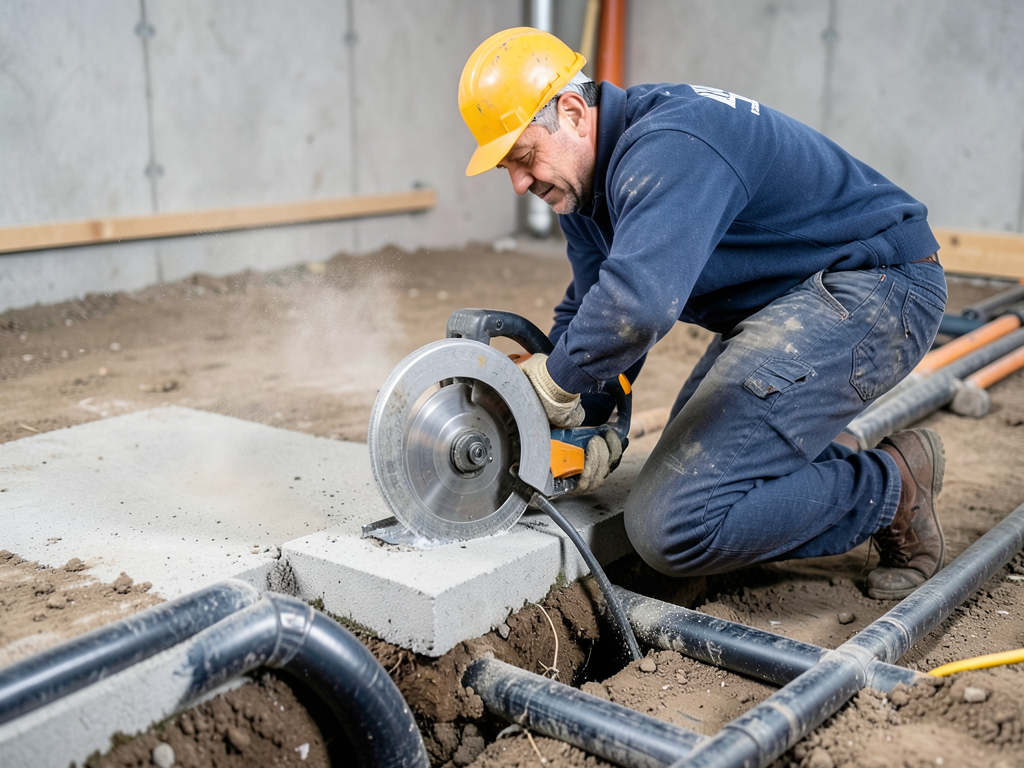
Concrete cutting and removal represents a major cost factor often overlooked in initial budgets. Creating trenches for new plumbing lines requires specialized equipment and generates substantial debris that must be removed and disposed of properly.
Permit fees in Hamilton County typically range from $50 to $200 depending on project scope, but this represents a small fraction of total costs compared to the work itself.
Emergency repairs or difficult soil conditions can increase costs substantially. Clay soil common in parts of Mason can complicate trenching and require additional stabilization measures.
Quality materials and proper installation always cost more upfront but prevent the expensive callbacks and water damage that result from cutting corners on basement plumbing systems.
Working with Professional Plumbers
Basement plumbing requires expertise that goes beyond basic plumbing skills. The complexity of below-grade systems, code requirements, and potential for serious water damage makes professional involvement essential rather than optional.
Look for plumbers with specific basement finishing experience. Not all plumbers have worked with sewage ejector pumps, backwater valves, and the unique challenges of concrete slab installations.
Verify licensing and insurance before hiring anyone. Hamilton County requires plumbers to carry proper licensing, and your homeowner’s insurance may not cover damage from work done by unlicensed contractors.
Ask about experience with local building codes and permit processes. A plumber familiar with Hamilton County requirements can navigate the permit process smoothly and ensure your installation passes inspection the first time.
Request detailed proposals that outline the specific components to be installed, including pump capacities, pipe sizes, and venting plans. Generic proposals often miss critical details that become expensive change orders later.
Discuss warranty coverage for both materials and labor. Quality basement plumbing installations should include multi-year warranties that protect your investment against premature failures.
Professional plumbers bring not just technical expertise but also problem-solving experience that helps identify potential issues before they become expensive problems during or after installation.
Maintenance and Troubleshooting
Even properly installed basement plumbing requires ongoing maintenance to prevent failures and extend system life. Understanding basic maintenance helps you protect your investment and avoid emergency service calls.
Sewage ejector pumps need regular testing to ensure they activate properly. Most manufacturers recommend testing pumps monthly by pouring water into the basin and verifying the pump activates and drains the basin completely.
Check valve maintenance prevents backflow issues. These valves can stick or fail over time, allowing waste to flow back into the basin after pumping. Annual inspection and cleaning keeps them functioning properly.
Backwater valve cleaning prevents clogs that could cause basement flooding during heavy rains. These valves have moving parts that can trap debris, so periodic cleaning ensures they close properly when needed.
Listen for unusual sounds from pump systems. Grinding noises, constant running, or failure to activate indicate developing problems that need professional attention before complete system failure occurs.
Monitor for slow drains, which often indicate venting problems or partial clogs in the system. Early intervention prevents complete blockages that can cause backups and water damage.
Keep the area around mechanical components accessible for maintenance and emergency repairs. Never build permanent structures that block access to pumps, valves, or cleanout points.
Regular maintenance costs far less than emergency repairs and helps ensure your basement plumbing continues functioning properly for years to come.
Future-Proofing Your Basement Plumbing
Smart basement plumbing design considers not just your current needs but also potential future modifications. Planning for flexibility now saves significant money and disruption later.
Install larger diameter pipes than currently needed when possible. Upgrading from 1.5-inch to 2-inch drain pipes during initial installation costs little extra but provides flexibility for future fixture additions.
Include capped cleanouts at strategic locations. These provide access points for future modifications without requiring demolition of finished walls or floors.
Consider roughing in plumbing for future fixtures even if you’re not ready to install them. Adding capped drain and vent lines during initial construction costs far less than retrofitting after walls are finished.
Plan electrical circuits with future expansion in mind. Additional outlets near potential future fixture locations make later modifications much simpler and less expensive.
Document your plumbing system thoroughly. Create diagrams showing pipe locations, pump specifications, and valve locations. This information proves invaluable for future maintenance or modifications.
Choose quality components with upgrade potential. Some pump systems allow capacity increases without complete replacement, providing cost-effective ways to expand your system later.
Future-proofing represents an investment that pays dividends when your needs change or when you decide to expand your finished basement space.
Frequently Asked Questions
How much does basement plumbing typically cost in Mason?
Basement plumbing costs vary based on project scope, but most homeowners in Mason spend between $3,000 and $8,000 for a basic bathroom rough-in with proper drainage systems. Complex installations with multiple fixtures or difficult access can exceed $12,000.
Do I need a permit for basement plumbing work?
Yes, Hamilton County requires permits for all plumbing modifications, including basement installations. The permit process ensures your system meets code requirements and protects public health. Unpermitted work can result in fines and may need to be removed for inspection.
How long does basement plumbing installation take?
Most basement plumbing rough-ins take 2-4 days for professional installation, depending on complexity. This includes cutting concrete, installing pipes, setting pumps, and connecting to existing sewer lines. Additional time may be needed for inspections and permit processing.
Can I install basement plumbing myself to save money?
While DIY installation might seem cost-effective, basement plumbing requires specialized knowledge of codes, proper venting, and pump systems. Mistakes can cause serious water damage, health hazards, and code violations that cost far more to fix than professional installation would have cost initially.
What happens if my sewage ejector pump fails?
Pump failure can cause wastewater to back up into your basement, creating health hazards and water damage. Most quality pump systems include alarms that alert you to problems before flooding occurs. Regular maintenance helps prevent unexpected failures.
Ready to Start Your Basement Project?
Basement plumbing represents one of the most critical decisions in your finishing project. The right system ensures your investment remains functional and problem-free for years to come. Don’t let plumbing mistakes derail your basement dreams.
Call (513) 717-2899 today to schedule your basement plumbing consultation. Our experienced team understands Hamilton County requirements and can design a system that meets your needs while protecting your investment. We’ll evaluate your specific situation, explain your options clearly, and provide a detailed proposal before any work begins.
Pick up the phone and call (513) 717-2899 before the next storm hits. Don’t wait until water problems force emergency repairs that cost three times more than proper planning would have cost. Your finished basement deserves professional plumbing that works flawlessly from day one. For more information, visit Ohio Plumbing Code Requirements.
{
“@context”: “https://schema.org”,
“@type”: “BlogPosting”,
“headline”: “Everything You Need to Know About Basement Plumbing Before You Finish Your Mason Build”,
“description”: “Learn the essential basement plumbing steps before finishing your Mason home. Discover local codes, costs, and expert tips to avoid costly mistakes.”,
“wordCount”: 2443,
“datePublished”: “2026-03-11T09:52:00.000Z”,
“dateModified”: “2026-03-11T09:52:00.000Z”,
“inLanguage”: “en-US”,
“mainEntityOfPage”: {
“@type”: “WebPage”,
“@id”: “https://keystoneplumbingcincinnati.com”
},
“publisher”: {
“@type”: “LocalBusiness”,
“name”: “Keystone Plumbing Cincinnati”,
“url”: “https://keystoneplumbingcincinnati.com”
},
“author”: {
“@type”: “Organization”,
“name”: “Keystone Plumbing Cincinnati”,
“url”: “https://keystoneplumbingcincinnati.com”
},
“image”: {
“@type”: “ImageObject”,
“url”: “https://keystoneplumbingcincinnati.com/wp-content/uploads/2026/03/everything-you-need-to-know-about-basement-plumbin-1.png”
}
}
{
“@context”: “https://schema.org”,
“@type”: “Plumber”,
“name”: “Keystone Plumbing Cincinnati”,
“url”: “https://keystoneplumbingcincinnati.com”,
“address”: {
“@type”: “PostalAddress”,
“addressLocality”: “Cincinnati”
},
“areaServed”: {
“@type”: “City”,
“name”: “Cincinnati”
}
}
{
“@context”: “https://schema.org”,
“@type”: “FAQPage”,
“mainEntity”: [
{
“@type”: “Question”,
“name”: “How much does basement plumbing typically cost in Mason?”,
“acceptedAnswer”: {
“@type”: “Answer”,
“text”: “Basement plumbing costs vary based on project scope, but most homeowners in Mason spend between $3,000 and $8,000 for a basic bathroom rough-in with proper drainage systems. Complex installations with multiple fixtures or difficult access can exceed $12,000.”
}
},
{
“@type”: “Question”,
“name”: “Do I need a permit for basement plumbing work?”,
“acceptedAnswer”: {
“@type”: “Answer”,
“text”: “Yes, Hamilton County requires permits for all plumbing modifications, including basement installations. The permit process ensures your system meets code requirements and protects public health. Unpermitted work can result in fines and may need to be removed for inspection.”
}
},
{
“@type”: “Question”,
“name”: “How long does basement plumbing installation take?”,
“acceptedAnswer”: {
“@type”: “Answer”,
“text”: “Most basement plumbing rough-ins take 2-4 days for professional installation, depending on complexity. This includes cutting concrete, installing pipes, setting pumps, and connecting to existing sewer lines. Additional time may be needed for inspections and permit processing.”
}
},
{
“@type”: “Question”,
“name”: “Can I install basement plumbing myself to save money?”,
“acceptedAnswer”: {
“@type”: “Answer”,
“text”: “While DIY installation might seem cost-effective, basement plumbing requires specialized knowledge of codes, proper venting, and pump systems. Mistakes can cause serious water damage, health hazards, and code violations that cost far more to fix than professional installation would have cost initially.”
}
},
{
“@type”: “Question”,
“name”: “What happens if my sewage ejector pump fails?”,
“acceptedAnswer”: {
“@type”: “Answer”,
“text”: “Pump failure can cause wastewater to back up into your basement, creating health hazards and water damage. Most quality pump systems include alarms that alert you to problems before flooding occurs. Regular maintenance helps prevent unexpected failures.”
}
},
{
“@type”: “Question”,
“name”: “Ready to Start Your Basement Project?”,
“acceptedAnswer”: {
“@type”: “Answer”,
“text”: “Basement plumbing represents one of the most critical decisions in your finishing project. The right system ensures your investment remains functional and problem-free for years to come. Don’t let plumbing mistakes derail your basement dreams.”
}
}
]
}
{
“@context”: “https://schema.org”,
“@type”: “BreadcrumbList”,
“itemListElement”: [
{
“@type”: “ListItem”,
“position”: 1,
“name”: “Home”,
“item”: “https://keystoneplumbingcincinnati.com”
},
{
“@type”: “ListItem”,
“position”: 2,
“name”: “Blog”,
“item”: “https://keystoneplumbingcincinnati.com/blog”
},
{
“@type”: “ListItem”,
“position”: 3,
“name”: “Everything You Need to Know About Basement Plumbing Before You Finish Your Mason Build”
}
]
}
{
“@context”: “https://schema.org”,
“@type”: “Service”,
“serviceType”: “Plumbing”,
“provider”: {
“@type”: “LocalBusiness”,
“name”: “Keystone Plumbing Cincinnati”,
“url”: “https://keystoneplumbingcincinnati.com”
},
“areaServed”: {
“@type”: “City”,
“name”: “Cincinnati”
},
“description”: “Learn the essential basement plumbing steps before finishing your Mason home. Discover local codes, costs, and expert tips to avoid costly mistakes.”
}