
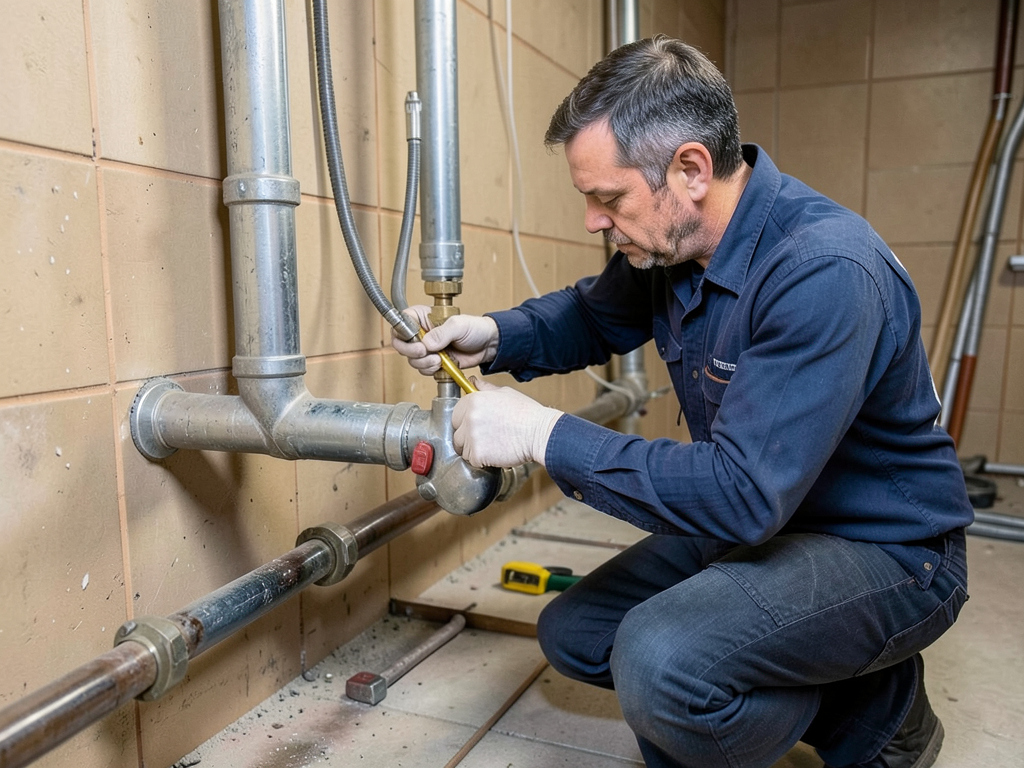
Identifying Potential Lead Water Service Lines in Your Older Westwood Home
If you live in an older Westwood home built before the mid-1950s, your water service line could contain lead pipes that pose serious health risks to your family. The Greater Cincinnati Water Works estimates that thousands of homes in the Cincinnati area still have lead service lines, and Westwood’s historic homes built between 1900 and 1950 are particularly vulnerable. This guide will show you exactly how to identify potential lead pipes in your home using simple tests you can perform yourself, understand the health implications, and know when to call a professional plumber for replacement. Greater Cincinnati Water Works Lead Information.
Why Westwood Homes Are at Risk for Lead Service Lines
Westwood’s charming historic district features homes built primarily between 1900 and 1950, a period when lead was commonly used for water service lines due to its durability and ease of installation. The neighborhood’s proximity to downtown Cincinnati meant these homes were among the first to receive municipal water service, and lead pipes were the standard material at that time. Homes near the Westwood Town Center and along Harrison Avenue are particularly likely to have original plumbing infrastructure still in place. Finding the Best Water Heater Replacement for Your West Chester House.
The Lead Pipe Scratch Test: How to Identify Lead in Your Home
Performing the scratch test is the most reliable way for homeowners to identify potential lead pipes. Here’s the step-by-step process:. Read more about How Corroding Galvanized Pipes in Camp Washington Are Ruining Your Water Quality.
- Locate Your Main Water Line
Find where the water line enters your home, typically in the basement near the front foundation wall or in a utility closet. No Hot Water Diagnosis.
- Examine the Pipe Material
Lead pipes appear dull gray and have a soft, easily scratched surface that feels somewhat waxy to the touch.
- Perform the Scratch Test
Use a flathead screwdriver to gently scratch the pipe surface. Lead pipes will scratch easily and reveal a shiny, silver-colored metal underneath.
- Conduct the Magnet Test
Place a magnet against the pipe. Lead is non-magnetic, so the magnet will not stick to a lead pipe.
- Check Pipe Flexibility
Lead pipes are soft enough that you can often bend them slightly with your hands, unlike copper or galvanized steel.
Visual Characteristics of Lead Water Service Lines
Lead pipes have several distinctive visual and physical characteristics that make them identifiable. They typically appear as dull gray tubes with a smooth surface that may show slight surface irregularities or small bumps. The pipes often have a characteristic bulbous or swollen appearance at connection points where lead was melted and formed to create watertight seals. When tapped with a metal object, lead pipes produce a dull thud rather than the ringing sound of copper or the metallic clang of galvanized steel.
Understanding Your Home’s Plumbing System
Your home’s water service line consists of two main sections: the public side, which runs from the water main in the street to your property line, and the private side, which runs from your property line to your home. In Cincinnati, the Greater Cincinnati Water Works is responsible for the public side, while homeowners are responsible for the private side. Many Westwood homes have lead on the private side, even if the public side has been replaced with copper or other materials.
Health Risks of Lead in Drinking Water
Lead exposure through drinking water can cause serious health problems, particularly for children and pregnant women. According to the Environmental Protection Agency, lead can cause developmental delays, learning difficulties, and behavioral problems in children. Even low levels of lead exposure can affect brain development and cause long-term cognitive issues. Adults exposed to lead may experience increased blood pressure, kidney problems, and reproductive issues. The EPA has established a maximum contaminant level goal of zero for lead in drinking water.
Westwood’s Lead Pipe Hotspots
Certain areas of Westwood are more likely to have lead service lines based on construction patterns and age. Homes in the 45205 zip code area, particularly those near Westwood Northern Boulevard and Montana Avenue, show higher concentrations of pre-1950s construction. The blocks between Montana and Boudinot Avenue, as well as properties near the former Westwood Town Hall, are prime examples of areas where lead service lines are most commonly found. Homes with original brass fixtures may also contain lead, as brass manufactured before 1986 often contained lead alloys.
Professional Lead Pipe Replacement Process
When you’ve identified potential lead pipes in your Westwood home, professional replacement involves several critical steps. A licensed plumber will first obtain the necessary permits from the Hamilton County Public Health Department, which oversees plumbing inspections in the area. The replacement process typically involves excavating a trench from your home to the property line, removing the old lead pipe, and installing new copper or PEX piping. Modern trenchless replacement methods can minimize lawn damage and complete the job in less time than traditional excavation. Who to Call for an Emergency Plumbing Crisis in Downtown Cincinnati.
Cost Factors for Lead Pipe Replacement in Cincinnati
The cost of replacing lead service lines varies significantly based on several factors specific to Westwood homes. The length of pipe needed, soil conditions, and accessibility all affect the final price. Homes on corner lots or those with extensive landscaping may require additional labor and restoration costs. The Greater Cincinnati Water Works offers a Lead Service Line Replacement Program that provides cost-sharing for eligible homeowners, but many Westwood properties may not qualify due to income requirements or the specific location of their service line.
Comparing Replacement Materials: Copper vs. PEX
Choosing the right replacement material for your lead service line is crucial for long-term reliability. Here’s a comparison of the two most common options:
| Material | Cost Range | Lifespan | Installation Difficulty | Best For |
|---|---|---|---|---|
| Copper | $2,000 – $5,000 | 50+ years | Moderate | Traditional homes, high-pressure areas |
| PEX | $1,500 – $3,500 | 30-40 years | Easy | Trenchless replacement, cold climates |
DIY vs. Professional Lead Pipe Identification
While homeowners can perform basic identification tests, there are significant advantages to professional inspection. Licensed plumbers use specialized tools like pipe cameras and material analysis equipment that can definitively identify pipe composition without damaging your plumbing system. They can also assess the condition of your entire plumbing system, identify potential code violations, and provide accurate replacement quotes. Professional inspections typically cost between $150 and $300 but can save thousands in potential mistakes or incomplete replacements.
Legal Requirements and Building Codes in Cincinnati
The City of Cincinnati follows the Ohio Plumbing Code, which prohibits the installation of new lead pipes but does not require immediate replacement of existing lead service lines. However, if you’re remodeling or if your lead pipes are damaged, replacement becomes mandatory. Hamilton County requires permits for any water line work, and inspections are conducted to ensure compliance with local codes. The EPA’s Lead and Copper Rule also mandates that water utilities monitor lead levels and notify customers if levels exceed safe thresholds.
Testing Your Water for Lead Content
Even if you don’t see lead pipes, your water may still contain lead from other sources. The Greater Cincinnati Water Works offers free lead testing kits to residents concerned about lead exposure. You can also hire independent laboratories to test your water quality. The EPA recommends testing water that has sat in pipes for six or more hours, as this is when lead levels are typically highest. Testing involves collecting water samples from your tap and sending them to a certified laboratory for analysis.
Preventing Lead Exposure While You Plan Replacement
If you’ve identified lead pipes but aren’t ready for immediate replacement, there are steps you can take to reduce lead exposure. Always use cold water for drinking and cooking, as hot water dissolves lead more quickly. Run your tap for 30 seconds before using water for consumption, especially if it hasn’t been used for several hours. Consider installing NSF-certified water filters that are specifically rated for lead removal. Never use hot tap water for baby formula or cooking. Quick Toilet Repair and Installation Services in Montgomery.
Financial Assistance Programs for Lead Pipe Replacement
The Greater Cincinnati Water Works offers several programs to help homeowners with lead service line replacement costs. The Lead Service Line Replacement Program provides cost-sharing based on household income, with some homeowners qualifying for up to 100% coverage. The Ohio Healthy Homes Program also offers grants for lead hazard control in eligible properties. Additionally, some homeowners may qualify for low-interest loans through the Ohio Housing Finance Agency to cover replacement costs.
Emergency Situations: When to Call Immediately
Certain situations require immediate professional attention when dealing with lead pipes. If you notice discolored water, particularly brown or yellow water that persists after running the tap, this could indicate pipe corrosion. A sudden drop in water pressure might signal a leak in your service line. If you’re planning major home renovations that will affect your plumbing, professional assessment becomes critical. Any visible damage to your water service line, such as cracks, holes, or exposed pipe sections, requires immediate professional evaluation.
Frequently Asked Questions
How can I tell if my Westwood home has lead water pipes?
Perform the scratch test on exposed pipes in your basement or crawl space. Lead pipes scratch easily, appear dull gray, and are non-magnetic. Homes built before 1950 in Westwood are most likely to have lead service lines.
Is lead pipe replacement covered by homeowners insurance?
Most standard homeowners insurance policies do not cover lead pipe replacement, as it’s considered a maintenance issue rather than sudden damage. However, some policies may cover damage caused by leaking lead pipes. Check with your insurance provider for specific coverage details.
How long does it take to replace lead water service lines?
Professional lead pipe replacement typically takes 1-3 days, depending on the length of the pipe, soil conditions, and whether trenchless methods are used. The actual replacement work may only take a few hours, but permit processing and inspections can extend the timeline.
Take Action to Protect Your Family’s Health
Identifying potential lead water service lines in your Westwood home is the first step toward protecting your family’s health. If you’ve performed the scratch test and suspect you have lead pipes, or if your home was built before 1950, don’t wait to take action. Lead exposure poses serious health risks that are completely preventable with proper pipe replacement. Call (513) 717-2899 today to schedule a professional inspection of your water service line. Our experienced plumbers serve Westwood and all of Greater Cincinnati, providing honest assessments and reliable replacement services. Don’t let lead pipes continue to threaten your family’s health – make the call now. Sump Pump Services.
Additional Resources
For more information about lead in drinking water and available assistance programs, visit these authoritative sources:
- EPA Lead in Drinking Water Information
- Greater Cincinnati Water Works Lead Information
- Hamilton County Public Health Department
Remember, lead pipe replacement is an investment in your family’s health and your home’s value. Westwood’s historic charm doesn’t have to come with health risks. Take the first step today by scheduling your professional inspection.
You may also find this helpful. Warning Signs Your Delhi Home Needs a New Main Water Line Before It Breaks.
{
“@context”: “https://schema.org”,
“@type”: “BlogPosting”,
“headline”: “Identifying Potential Lead Water Service Lines in Your Older Westwood Home”,
“description”: “Learn how to spot lead water service lines in your Westwood home with our expert guide. Protect your family’s health with our step-by-step identification process.”,
“wordCount”: 1840,
“datePublished”: “2026-03-25T11:16:00.000Z”,
“dateModified”: “2026-03-25T11:16:00.000Z”,
“inLanguage”: “en-US”,
“mainEntityOfPage”: {
“@type”: “WebPage”,
“@id”: “https://keystoneplumbingcincinnati.com”
},
“publisher”: {
“@type”: “LocalBusiness”,
“name”: “Keystone Plumbing Cincinnati”,
“url”: “https://keystoneplumbingcincinnati.com”
},
“author”: {
“@type”: “Organization”,
“name”: “Keystone Plumbing Cincinnati”,
“url”: “https://keystoneplumbingcincinnati.com”
},
“image”: {
“@type”: “ImageObject”,
“url”: “https://keystoneplumbingcincinnati.com/wp-content/uploads/2026/03/identifying-potential-lead-water-service-lines-in-1.png”
}
}
{
“@context”: “https://schema.org”,
“@type”: “Plumber”,
“name”: “Keystone Plumbing Cincinnati”,
“url”: “https://keystoneplumbingcincinnati.com”,
“address”: {
“@type”: “PostalAddress”,
“addressLocality”: “Cincinnati”
},
“areaServed”: {
“@type”: “City”,
“name”: “Cincinnati”
}
}
{
“@context”: “https://schema.org”,
“@type”: “FAQPage”,
“mainEntity”: [
{
“@type”: “Question”,
“name”: “How can I tell if my Westwood home has lead water pipes?”,
“acceptedAnswer”: {
“@type”: “Answer”,
“text”: “Perform the scratch test on exposed pipes in your basement or crawl space. Lead pipes scratch easily, appear dull gray, and are non-magnetic. Homes built before 1950 in Westwood are most likely to have lead service lines.”
}
},
{
“@type”: “Question”,
“name”: “Is lead pipe replacement covered by homeowners insurance?”,
“acceptedAnswer”: {
“@type”: “Answer”,
“text”: “Most standard homeowners insurance policies do not cover lead pipe replacement, as it’s considered a maintenance issue rather than sudden damage. However, some policies may cover damage caused by leaking lead pipes. Check with your insurance provider for specific coverage details.”
}
},
{
“@type”: “Question”,
“name”: “How long does it take to replace lead water service lines?”,
“acceptedAnswer”: {
“@type”: “Answer”,
“text”: “Professional lead pipe replacement typically takes 1-3 days, depending on the length of the pipe, soil conditions, and whether trenchless methods are used. The actual replacement work may only take a few hours, but permit processing and inspections can extend the timeline.”
}
}
]
}
{
“@context”: “https://schema.org”,
“@type”: “HowTo”,
“name”: “How to Perform Lead Pipe Scratch Test”,
“step”: [
{
“@type”: “HowToStep”,
“position”: 1,
“name”: “Locate Your Main Water Line”,
“text”: “Find where the water line enters your home, typically in the basement near the front foundation wall or in a utility closet. No Hot Water Diagnosis.”
},
{
“@type”: “HowToStep”,
“position”: 2,
“name”: “Examine the Pipe Material”,
“text”: “Lead pipes appear dull gray and have a soft, easily scratched surface that feels somewhat waxy to the touch.”
},
{
“@type”: “HowToStep”,
“position”: 3,
“name”: “Perform the Scratch Test”,
“text”: “Use a flathead screwdriver to gently scratch the pipe surface. Lead pipes will scratch easily and reveal a shiny, silver-colored metal underneath.”
},
{
“@type”: “HowToStep”,
“position”: 4,
“name”: “Conduct the Magnet Test”,
“text”: “Place a magnet against the pipe. Lead is non-magnetic, so the magnet will not stick to a lead pipe.”
},
{
“@type”: “HowToStep”,
“position”: 5,
“name”: “Check Pipe Flexibility”,
“text”: “Lead pipes are soft enough that you can often bend them slightly with your hands, unlike copper or galvanized steel.”
}
],
“image”: “https://keystoneplumbingcincinnati.com/wp-content/uploads/2026/03/identifying-potential-lead-water-service-lines-in-1.png”
}
{
“@context”: “https://schema.org”,
“@type”: “BreadcrumbList”,
“itemListElement”: [
{
“@type”: “ListItem”,
“position”: 1,
“name”: “Home”,
“item”: “https://keystoneplumbingcincinnati.com”
},
{
“@type”: “ListItem”,
“position”: 2,
“name”: “Blog”,
“item”: “https://keystoneplumbingcincinnati.com/blog”
},
{
“@type”: “ListItem”,
“position”: 3,
“name”: “Identifying Potential Lead Water Service Lines in Your Older Westwood Home”
}
]
}
{
“@context”: “https://schema.org”,
“@type”: “Service”,
“serviceType”: “Plumbing”,
“provider”: {
“@type”: “LocalBusiness”,
“name”: “Keystone Plumbing Cincinnati”,
“url”: “https://keystoneplumbingcincinnati.com”
},
“areaServed”: {
“@type”: “City”,
“name”: “Cincinnati”
},
“description”: “Learn how to spot lead water service lines in your Westwood home with our expert guide. Protect your family’s health with our step-by-step identification process.”
}